Olympus OM-D E-M1 Mark II review: the 18 fps Micro Four Thirds flagship
Olympus's Micro Four Thirds flagship from 2016; Olympus has since announced the E-M1 Mark III. Launched at $1,999.99 body (Olympus America, via TechCrunch, Nov 2, 2016). Who it suits: bird, insect and travel shooters who want a compact, weather-sealed body with the M.Zuiko lens range.
October 22, 2026 · Camera · Review
Related on site: Micro Four Thirds from OM System today: our OM System PEN page.
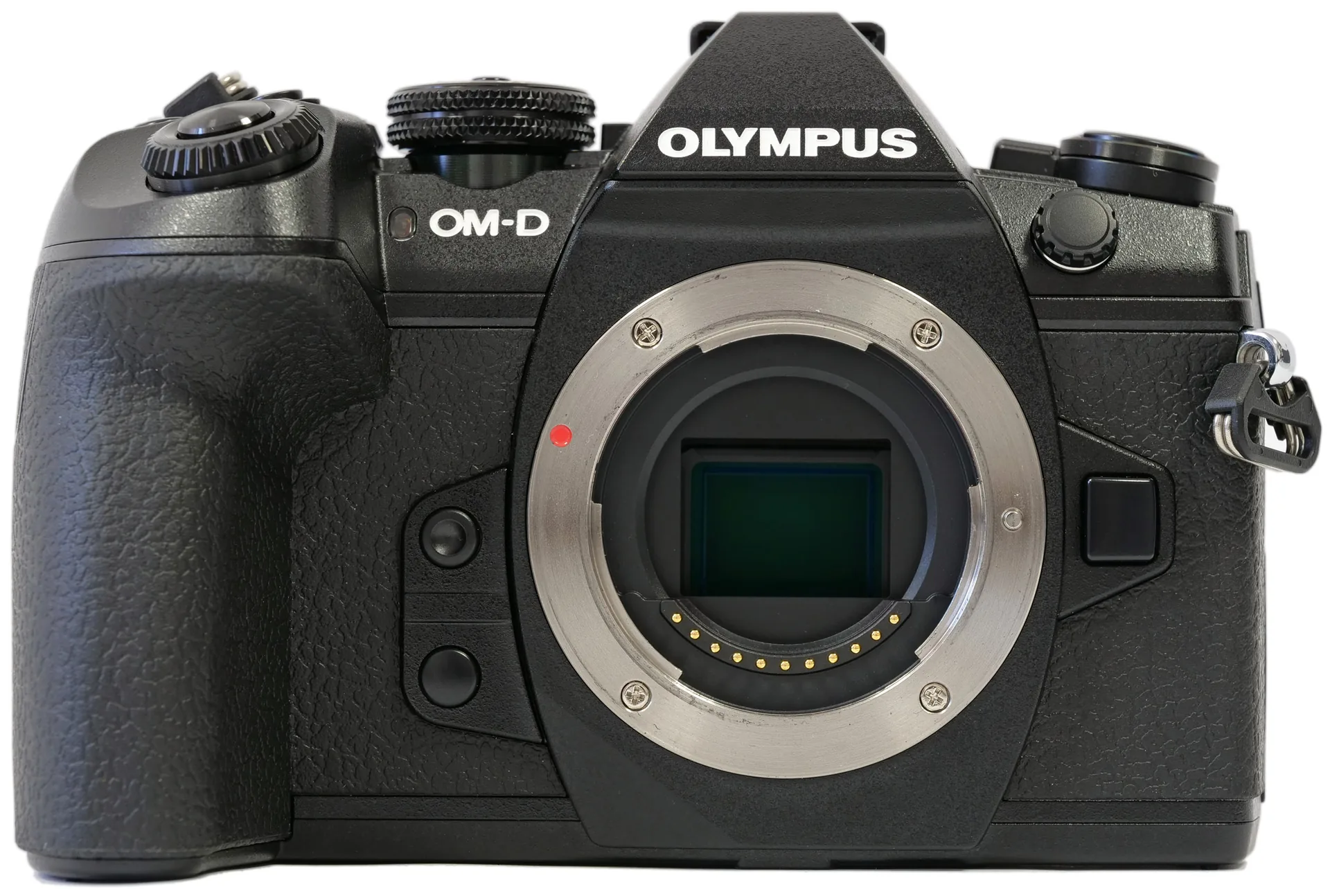
Olympus OM-D E-M1 Mark II, front view. Photo: Bautsch via Wikimedia Commons, CC0 (resized)
HIGHLIGHTS
Why it exists. Olympus's November 2, 2016 global release is titled "OLYMPUS OM-D E-M1 Mark II, a flagship model that offers a maximum 18 fps high-speed sequential shooting in AF/AE tracking". It describes a 20.4MP Live MOS sensor, TruePic VIII, 121-point all cross-type phase-detect AF, 5-axis IS rated at 5.5 steps (6.5 with 5-axis Sync IS on the 12-100mm) and a dust-, splash- and freeze-proof body.
Olympus launched the E-M1 Mark II for the 2016 holidays as its Micro Four Thirds flagship; the US body price was $1,999.99, per Olympus America's release (TechCrunch, Nov 2, 2016) (Olympus's global release lists "Open price"). The headline was speed: 121-point cross-type phase-detect AF, 18 fps with AF/AE tracking on the silent electronic shutter, 60 fps with focus locked, and Pro Capture, which buffers frames before the full press. Around that sat 5.5-step in-body stabilization, a 120 fps finder, dual SD slots, a sealed body and the 50MP High Res Shot mode for tripod work. The trade-offs are a 2.36M-dot finder, a UHS-I second slot and about 440 shots per charge. Olympus announced the E-M1 Mark III on February 12, 2020.
Our gallery comes from three photographers: a Canada goose, a white stork and a birch polypore; an Atlantic sea nettle and a dolphin; and cabins under a winter sky at Aurora Village, Ivalo. Who should buy it? Bird, insect and travel shooters who want a compact, weather-sealed body with the M.Zuiko lens range. Its limits: the dated finder, the UHS-I second slot and battery life.
The story
Olympus announced the OM-D E-M1 Mark II on November 2, 2016, calling it "a flagship model that offers a maximum 18 fps high-speed sequential shooting in AF/AE tracking" (Olympus).
The US body price was $1,999.99, per Olympus America's release (TechCrunch, Nov 2, 2016); Olympus's global release lists "Open price".
Olympus announced the OM-D E-M1 Mark III on February 12, 2020 (Olympus). OM SYSTEM still hosts the Mark II support page with its specifications (OM SYSTEM support).
Specifications
Key specs for the Olympus OM-D E-M1 Mark II, from the OM SYSTEM support page and Olympus's November 2, 2016 global release. Source for each row in brackets. Olympus doesn't list a separate movie ISO range on these pages.
Sensor
20.37MP effective 4/3 Live MOS; TruePic VIII [OM SYSTEM]
ISO (stills)
Auto LOW (about 64)–6400; manual LOW, 200–25600 [OM SYSTEM]
Autofocus
121 points, all cross-type; imager phase detection plus contrast [OM SYSTEM, Olympus]
Two SD slots (slot 1 UHS-II, slot 2 UHS-I); USB-C (USB 3.0); micro HDMI (Type D); headphone jack [OM SYSTEM]
Battery
BLH-1; about 440 shots (CIPA), about 950 with power saving enabled [OM SYSTEM]
Size / weight
134.1 × 90.9 × 68.9 mm; about 574 g with battery and card (498 g body only) [OM SYSTEM]
Announced / price
Nov 2, 2016; $1,999.99 body-only (US, Olympus America, via TechCrunch, Nov 2, 2016); global release lists "Open price" [Olympus]
Sample photos
Six photos taken with the Olympus OM-D E-M1 Mark II by three photographers, shared on Wikimedia Commons under Creative Commons licenses. Each caption gives the settings the file records. Select a photo to enlarge it. More samples from Wikimedia Commons
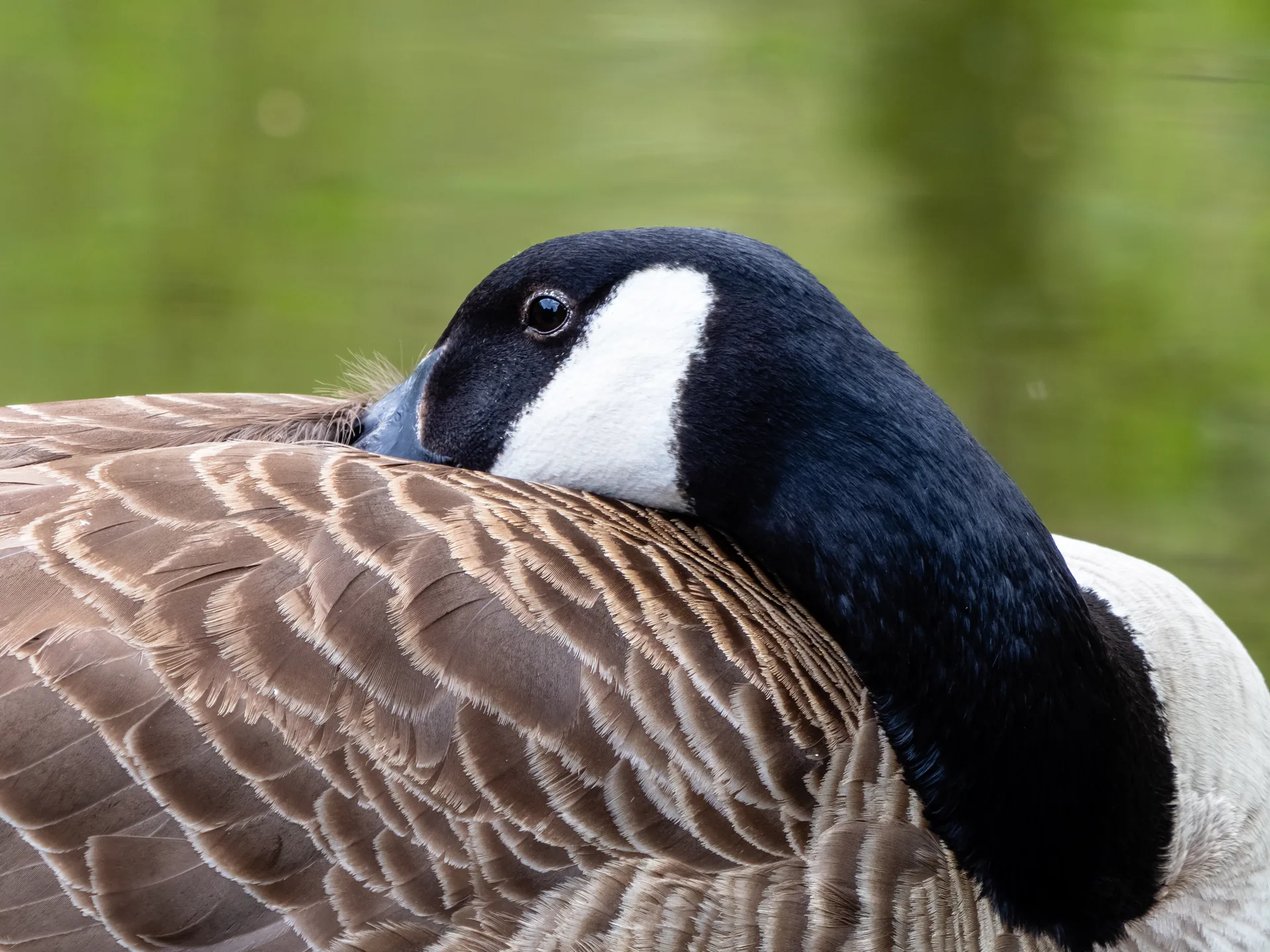
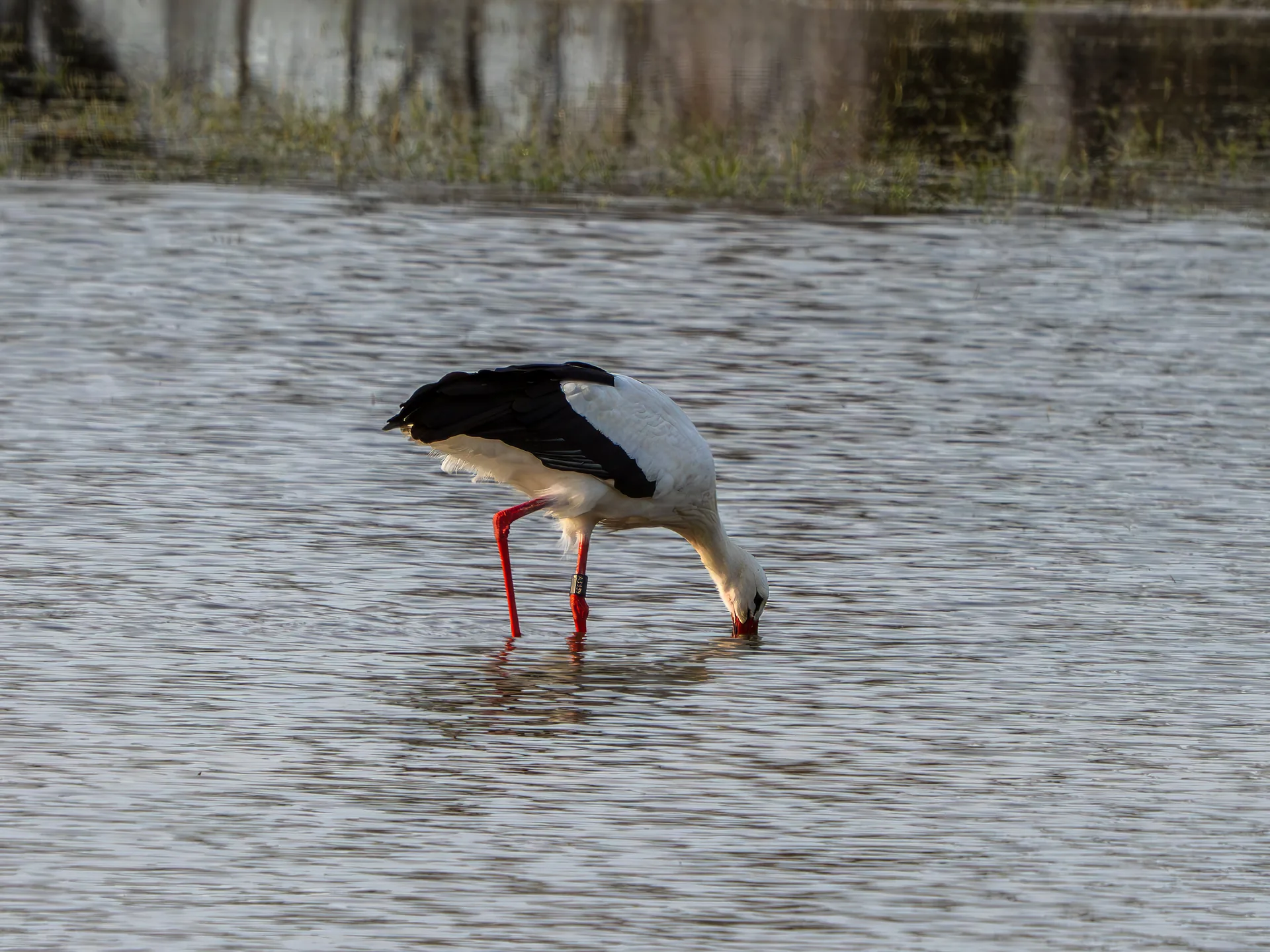
f/8, ISO 250, 1/50 s, 400mm: a Canada goose resting in Bamberg (LEICA DG 100-400/F4.0-6.3). Photo: Reinhold Möller Ermell via Wikimedia Commons, CC BY-SA 4.0 (resized)f/8, ISO 800, 1/1000 s, 400mm: a white stork in floodwater (OLYMPUS M.100-400mm F5.0-6.3). Photo: Reinhold Möller Ermell via Wikimedia Commons, CC BY-SA 4.0 (resized)
f/3.2, ISO 200, 1/40 s, 60mm: a birch polypore, focus-stacked (OLYMPUS M.60mm F2.8 Macro). Photo: Reinhold Möller Ermell via Wikimedia Commons, CC BY-SA 4.0 (resized)f/2.8, ISO 800, 1/40 s, 142mm: an Atlantic sea nettle at ISO 800 (OLYMPUS M.40-150mm F2.8). Photo: William Warby via Wikimedia Commons, CC BY 2.0 (resized)
f/4, ISO 400, 1/3200 s, 210mm: a dolphin at 1/3200 s (M.40-150mm F2.8 + MC-14). Photo: William Warby via Wikimedia Commons, CC BY 2.0 (resized)ISO 64, 60 s: cabins at Aurora Village, Ivalo, Finland (Olympus E-M1 Mark II). Photo: Giuseppe Milo via Wikimedia Commons, CC BY 2.0 (resized)
Olympus: Launched at $1,999.99 in 2016 (US, body only) (TechCrunch, Nov 2, 2016); Olympus's global release lists "Open price".
Verdict
Who it's for: bird, insect and travel shooters who want 18 fps tracking, Pro Capture and 5.5-step IBIS in a compact, weather-sealed Micro Four Thirds body.
Micro Four Thirds from OM System today: see our OM System PEN page.
Pros
121-point all cross-type phase-detect AF
18 fps with AF/AE tracking; 60 fps with focus locked; Pro Capture
5.5-step IBIS (6.5 with Sync IS)
Dust-, splash- and freeze-proof body; 50MP High Res Shot