Polaroid Mod: a $169.99 instant camera with its creative modes on a dial
A fully analog i-Type and 600 instant camera with Double Exposure, Motion Freeze and other modes on a ring around the lens. $169.99 from Polaroid; at US retailers since October 6, 2026.
October 7, 2026 · Score 55 · Instant camera · Official
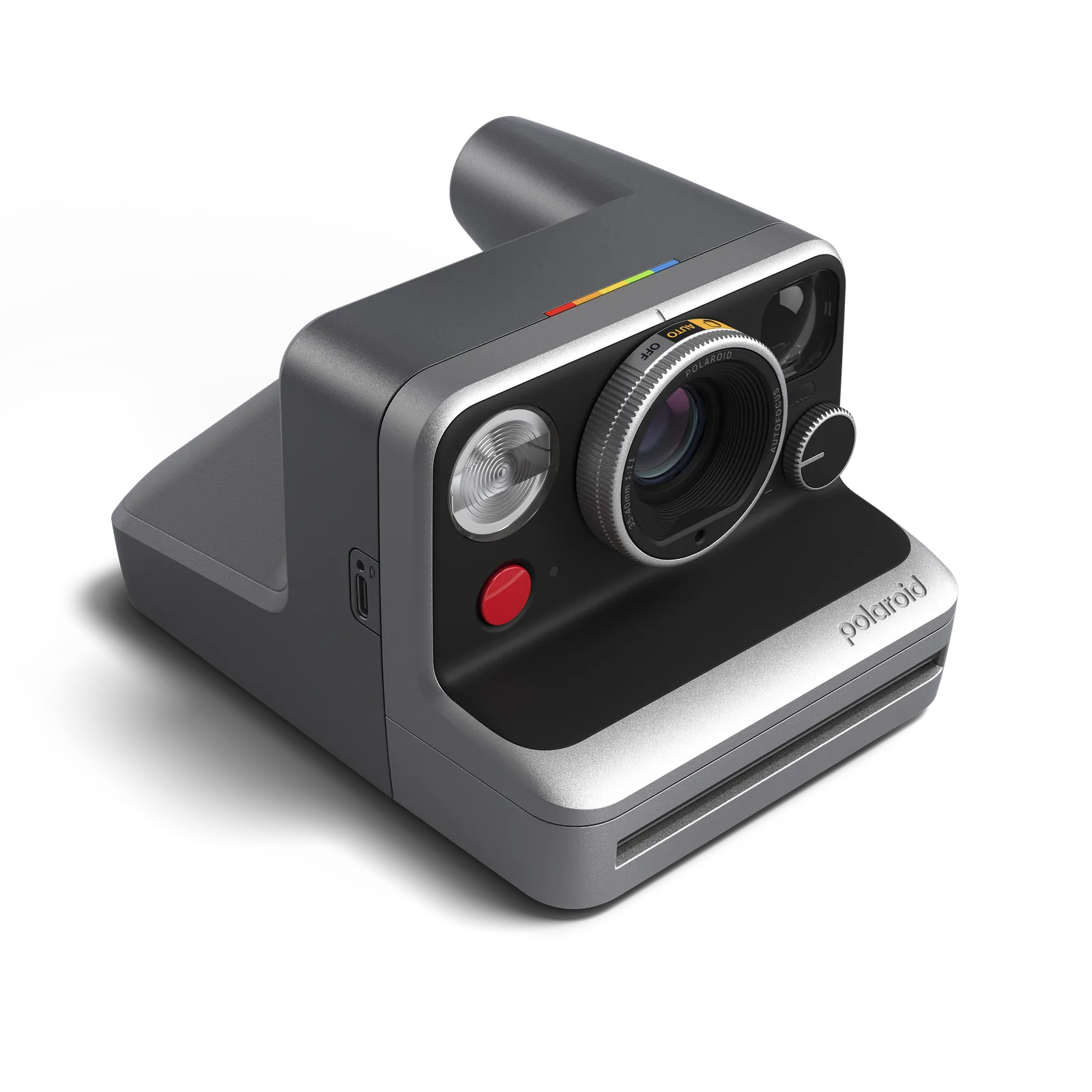
Polaroid Mod, front three-quarter view. Image: Polaroid
HIGHLIGHTS
Most instant cameras are designed to keep you from thinking: point, press, wait for the print. The Polaroid Mod keeps the familiar boxy body and the wait for the print to develop, but it puts a ring of creative modes around the lens. Turn it from Auto to Split Shot, Motion Freeze, Double Exposure or Light Painting, and the camera handles the timing that would normally take a manual instant camera and some trial and error. Polaroid sells it for $169.99, and it takes both i-Type and 600 film.
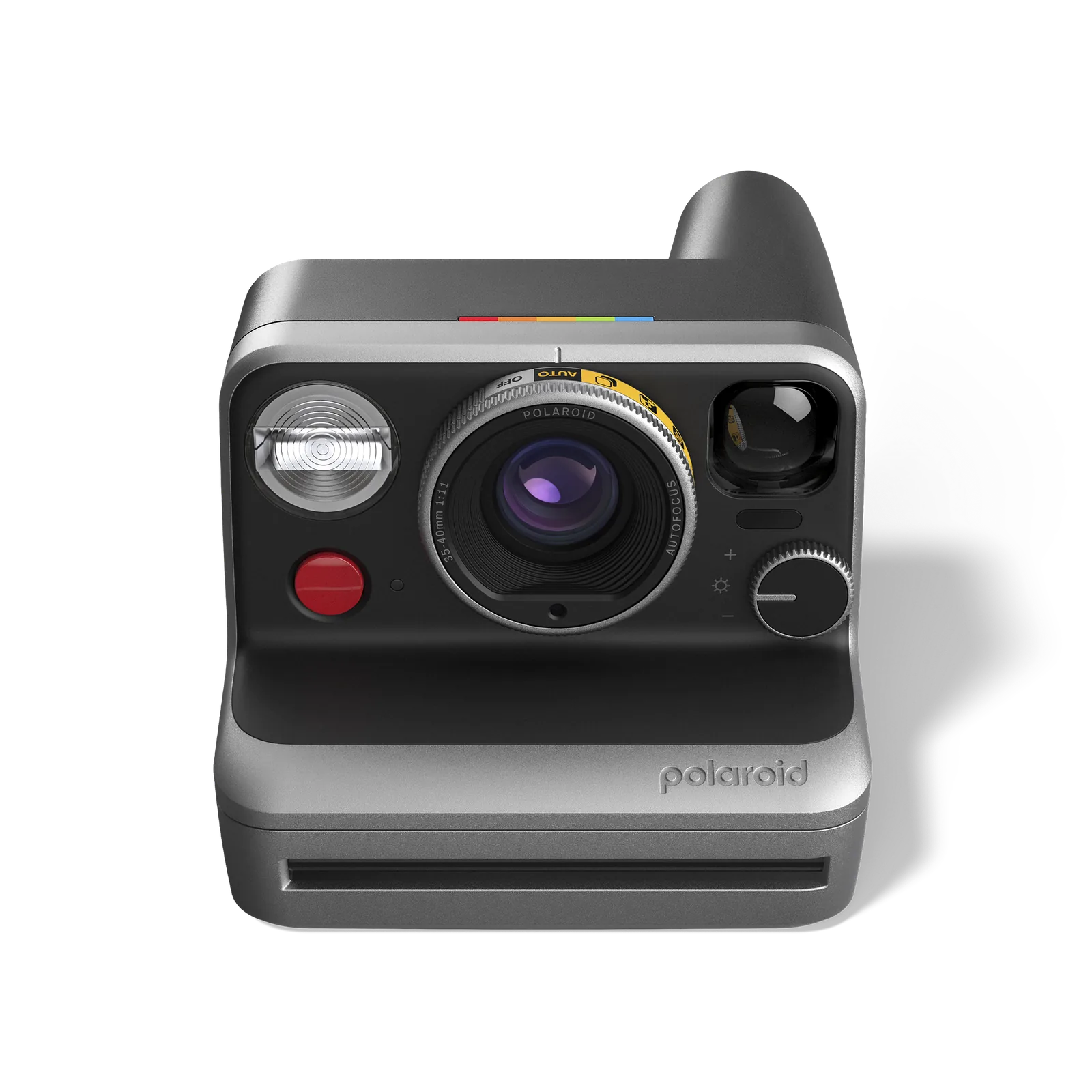
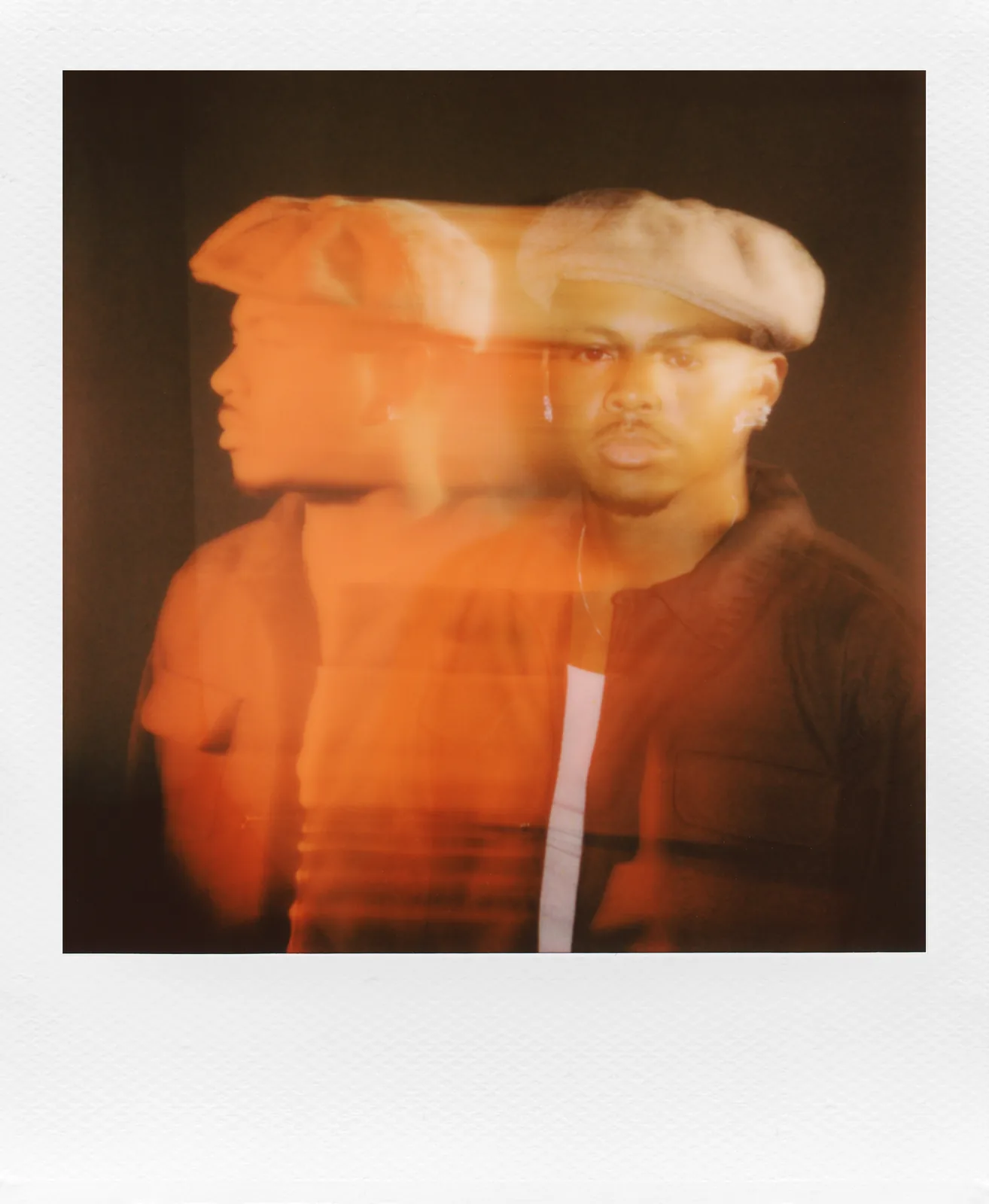
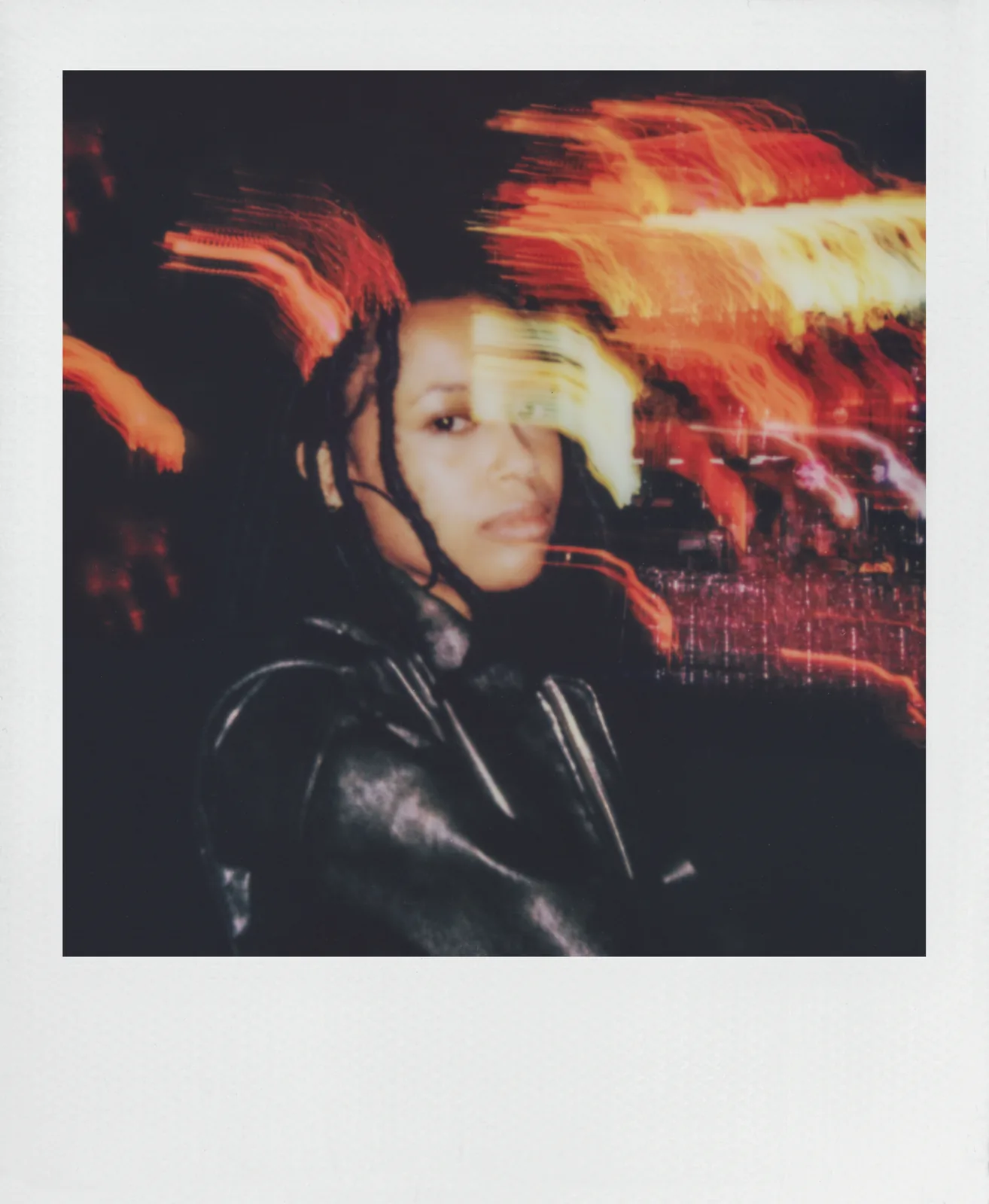
What the modes do is old darkroom-and-flashgun technique, moved onto a dial. Motion Freeze holds the shutter open to record movement, then fires the flash, so a dancer or a passing street gets a sharp core inside a streak. Double Exposure stacks two frames on one print. Split Shot uses the included half-cover filter to expose each side of the frame separately, and Light Painting gives you a long exposure for flashlights and traffic trails. A Brightness Dial nudges every mode lighter or darker, and autofocus switches between two fixed zones for close-ups and distance.
It's still a Polaroid, with Polaroid limits. In Digital Camera World's hands-on review, the viewfinder's parallax made split frames and double exposures hard to line up up close, there's no manual mode, and the long-exposure Light Painting mode works best on a tripod or a flat surface. Accept that, and the Mod is an inviting way to get odd, deliberate, one-of-a-kind prints out of instant film without becoming an exposure expert first.
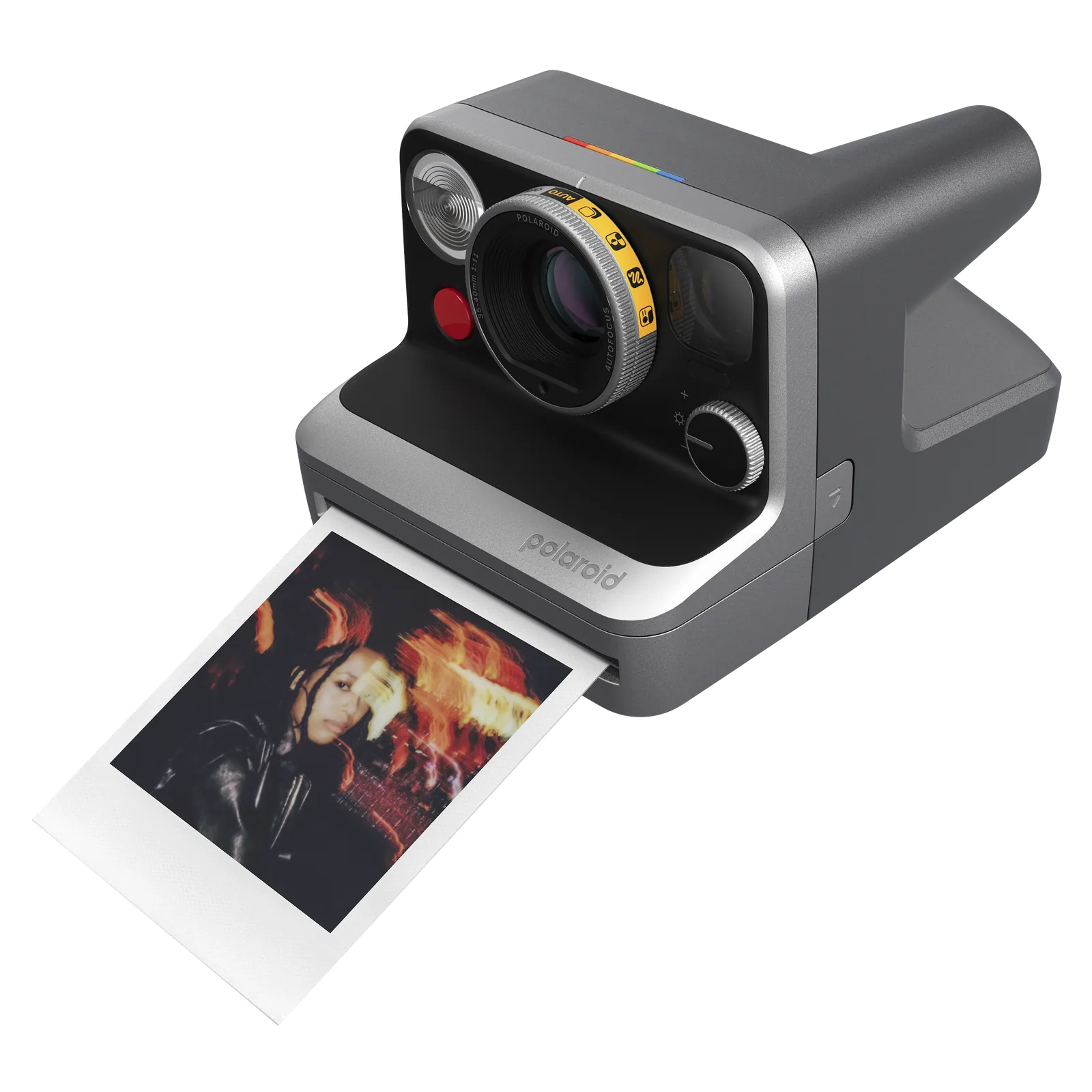
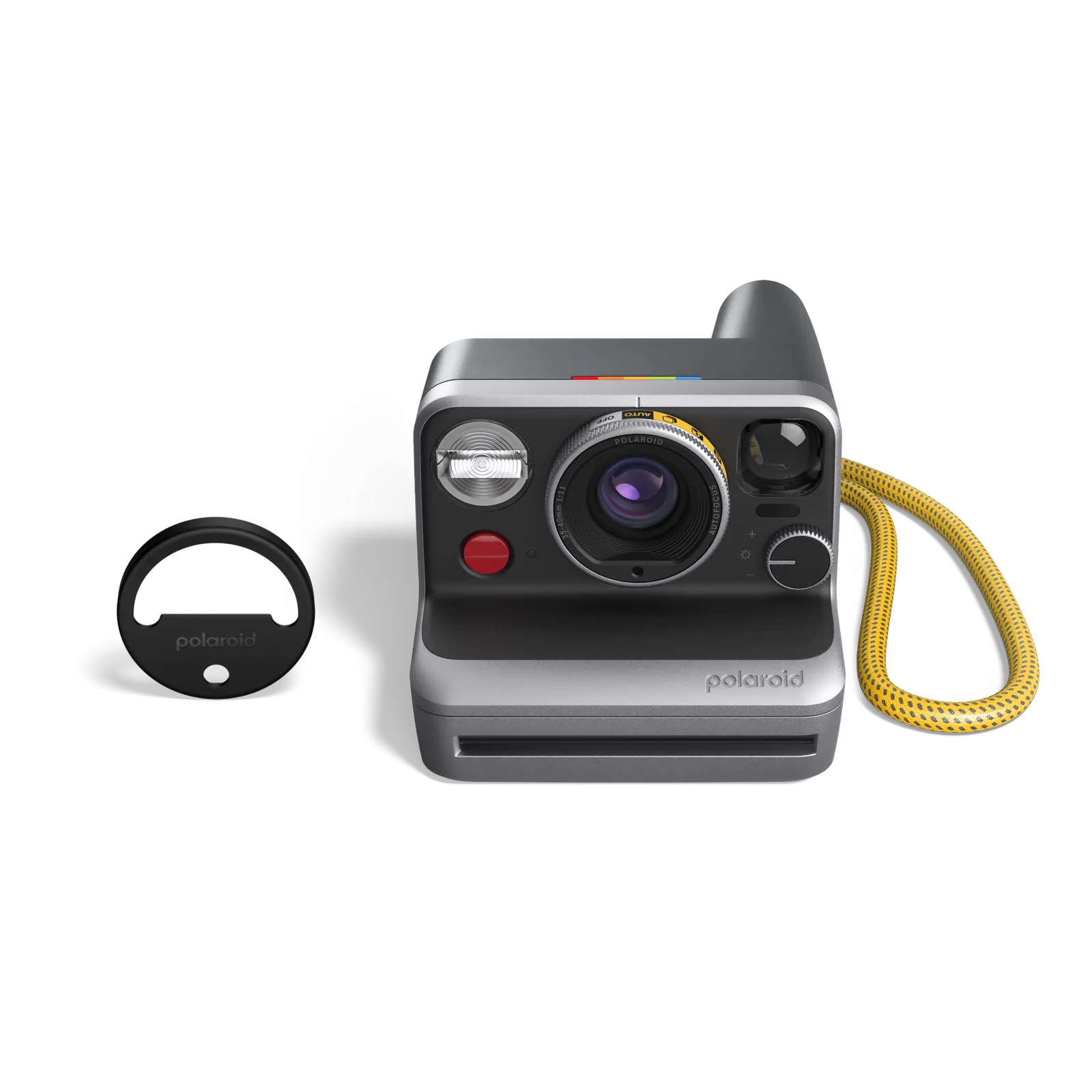
Front view: the creative modes sit on a ring around the lens. Image: PolaroidA print ejecting from the front slot. Image: PolaroidIn the box: the camera, a neck strap and the split filter accessory. Image: Polaroid
The story
Polaroid announced the Mod on September 29, 2026, pitching it as a deliberately analog answer to speed, perfection and AI: "As the world runs after speed and perfection, the new Polaroid Mod invites you to fall in love with the creative process," the press release says. It went on sale at Polaroid.com the same day, reached selected US retailers on October 6, and is due in other countries in early 2027.
The main idea is the mode dial wrapped around the lens. Chief Product Officer Stine Bauer Dahlberg says the team wanted "the creative experience to be built into the physical design of the camera," with the modes "directly on the dial rather than behind menus or settings." Polaroid describes it as a camera for "creative people who want to do more than point and shoot, without needing to be an expert behind the camera."
Early reviews have been warm and specific. Digital Camera World's review praises how easy the creative modes are while noting the viewfinder parallax and the lack of a manual mode. Reader discussion at launch has been light, which is typical for instant cameras next to interchangeable-lens launches.
Specifications
Key specs for the Polaroid Mod, from the Polaroid.com product page ("Product info") and Polaroid's Sep 29, 2026 press release.
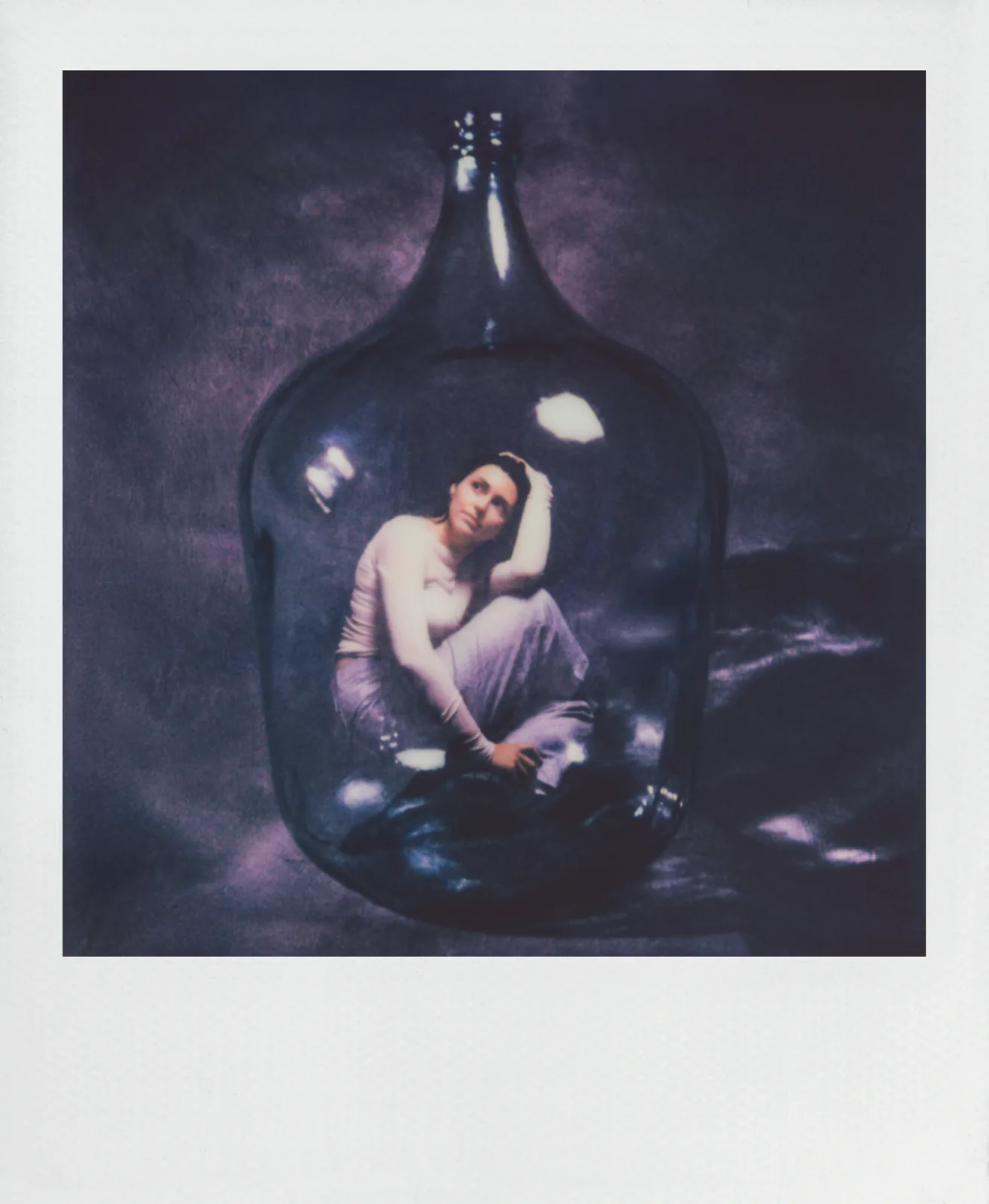
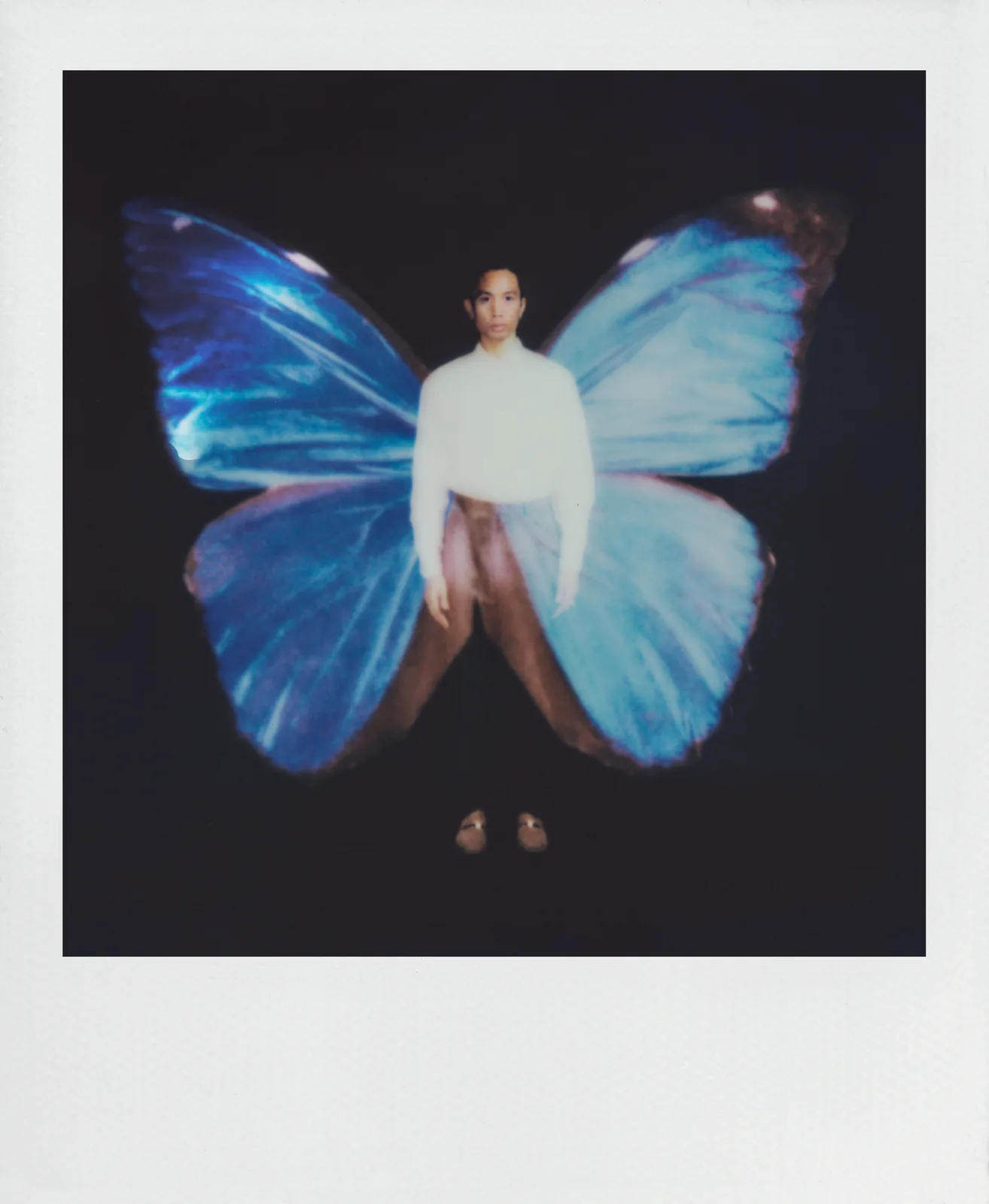
Official samples from the Polaroid newsroom, each captioned "Shot on Polaroid Mod" there. More hands-on frames are in Digital Camera World's review gallery.
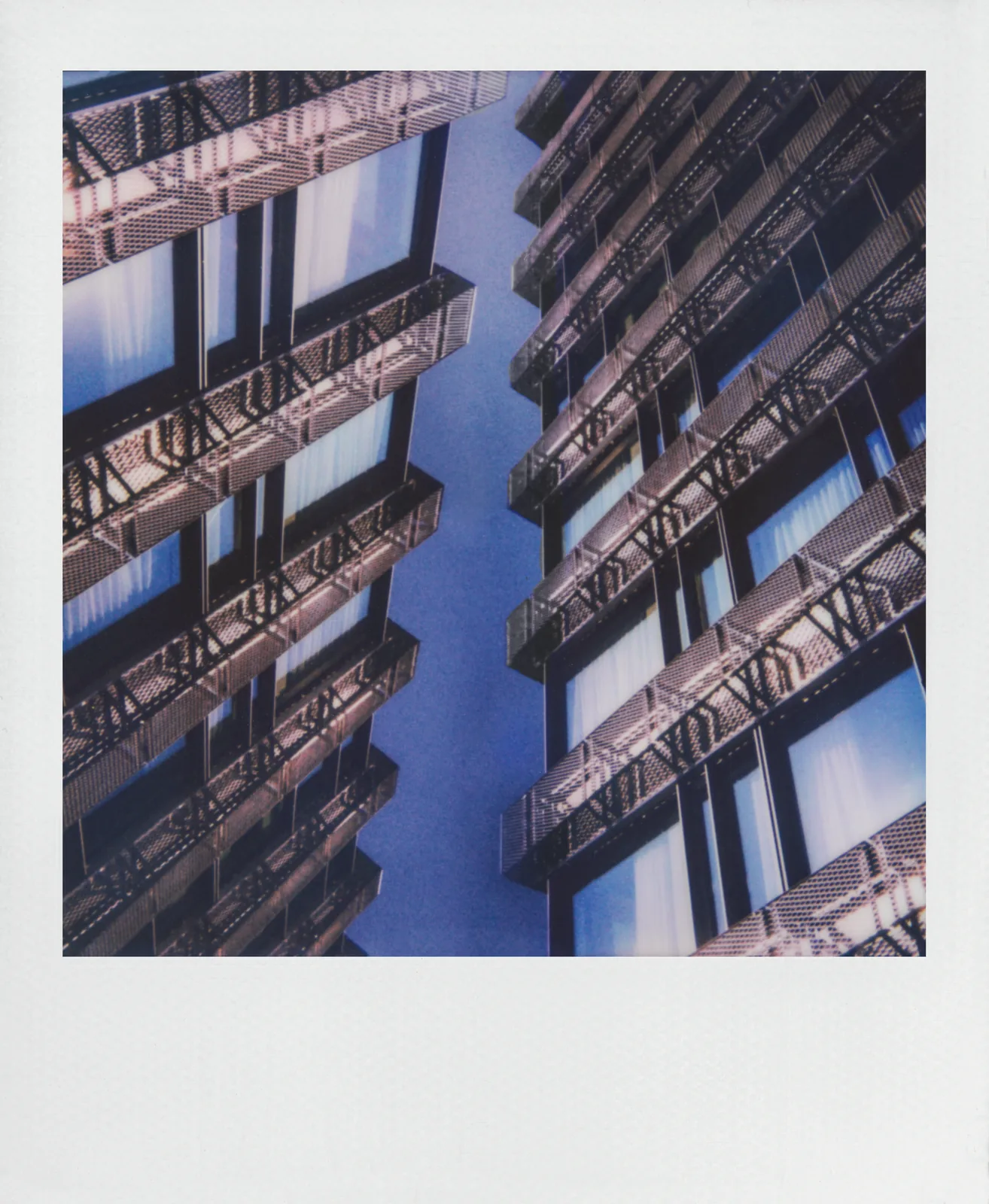
Shot on Polaroid Mod – Double Exposure. Photo: PolaroidShot on Polaroid Mod – Motion Freeze. Photo: Polaroid
Shot on Polaroid Mod – Double Exposure. Photo: PolaroidShot on Polaroid Mod – Double Exposure. Photo: Polaroid
Shot on Polaroid Mod – Motion Freeze. Photo: PolaroidShot on Polaroid Mod – Motion Freeze. Photo: Polaroid
Shot on Polaroid Mod. Photo: Polaroid
Maker price (Polaroid).$169.99 at Polaroid.com since September 29, 2026; at selected US retailers since October 6, 2026.
Verdict
A fun, well-judged instant camera at a fair price. If you already enjoy instant film and want to experiment, the Mod makes multiple exposures, motion blur and light trails as easy as choosing a setting, and its two-zone focus and Brightness Dial give you more control than a basic Polaroid.
The caveats are plain: framing split and double shots is imprecise because of viewfinder parallax, there's no manual exposure, long exposures need support, and every experiment costs film. It's best for instant-film hobbyists, creative beginners and photographers who want a playful analog second camera. If you want full manual control, Polaroid's own release points to the I-2.
Pros
Creative modes right on a ring around the lens
Takes both i-Type and 600 film
Brightness Dial and two-zone autofocus
USB-C charging
Cons
Viewfinder parallax makes split and double shots hard to align (DCW)
No manual mode (DCW)
Long exposures want a tripod or flat surface (DCW)