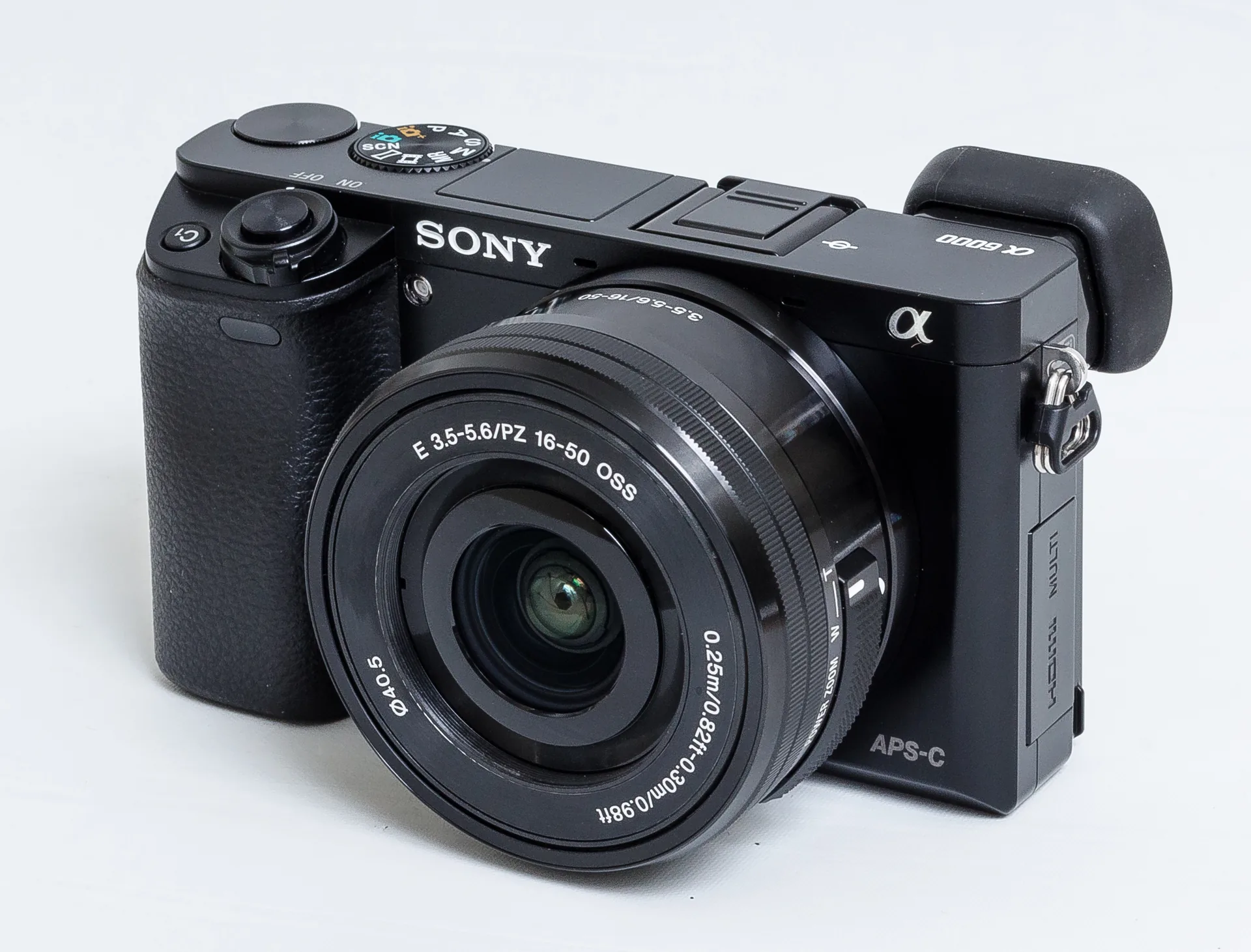
Sony's 2014 entry-level E-mount body, long since replaced. Launched at $650 in 2014 (body only). Still worth it in 2026: yes, for stills in a small, light body.
Sony a6000 with the E PZ 16-50mm kit lens. Photo: Akairom via Wikimedia Commons, CC0 (resized)
HIGHLIGHTS
Sony announced the a6000 in February 2014 at $650 for the body, and its hook was speed. It paired a 24.3-megapixel APS-C Exmor APS HD CMOS sensor with the BIONZ X processor and a Fast Hybrid AF system that combines 179 phase-detection points with 25 contrast-detection points, and it shoots up to 11 fps. Around that it fits a 0.39-inch OLED viewfinder with 1.44 million dots, a 3.0-inch rear screen, a built-in flash and Wi-Fi with NFC, in a body that weighs 12.13 oz (344 g) with battery and card.
Its age shows in a few places. Sony's spec page lists no in-body stabilization, so it relies on lenses with OSS. The rear screen has 921,600 dots, the NP-FW50 battery is rated for up to 360 shots, and video is Full HD in AVCHD and MP4. It still takes current E-mount lenses, charges over USB and makes 24.3MP files that hold up well for prints and web.
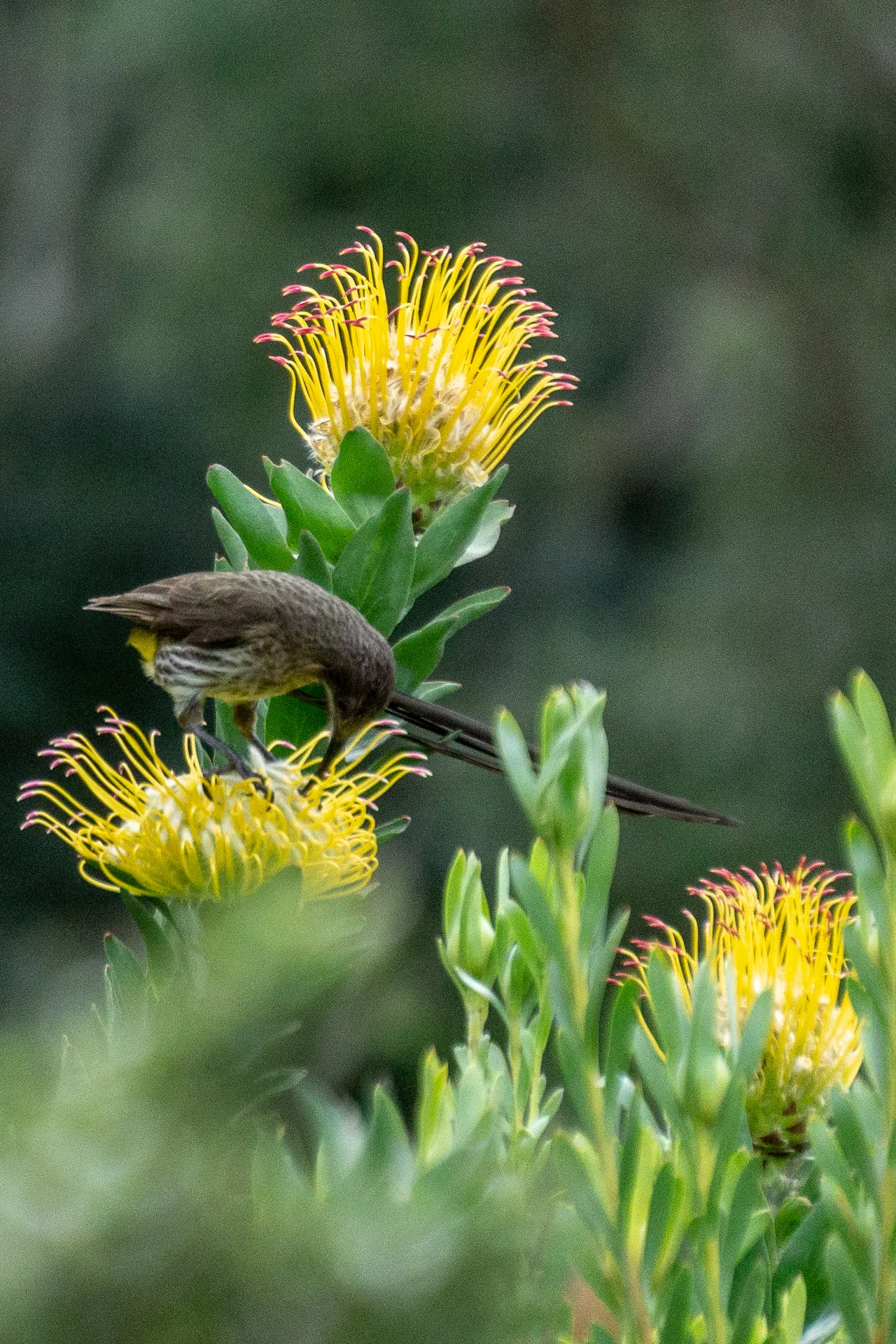
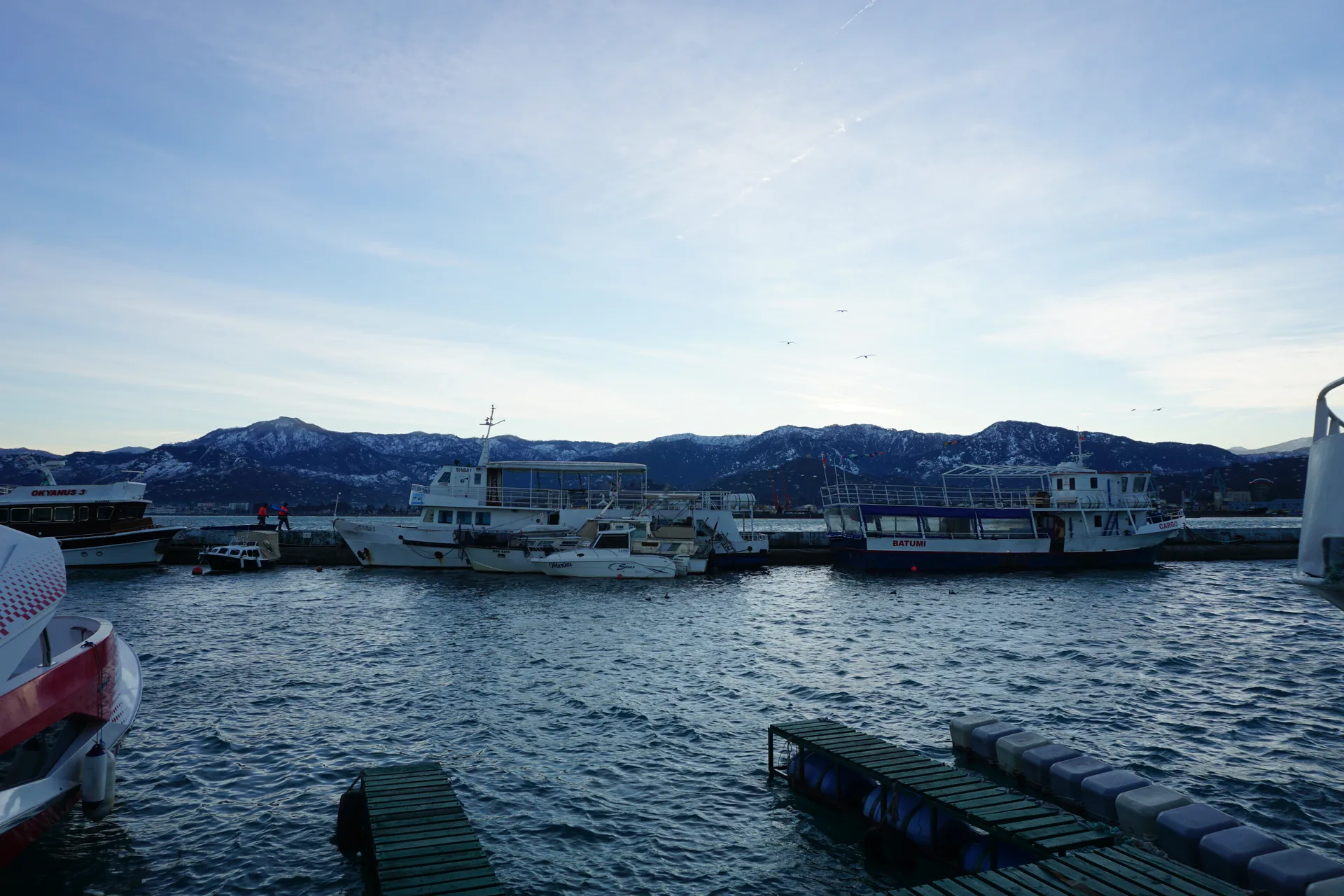
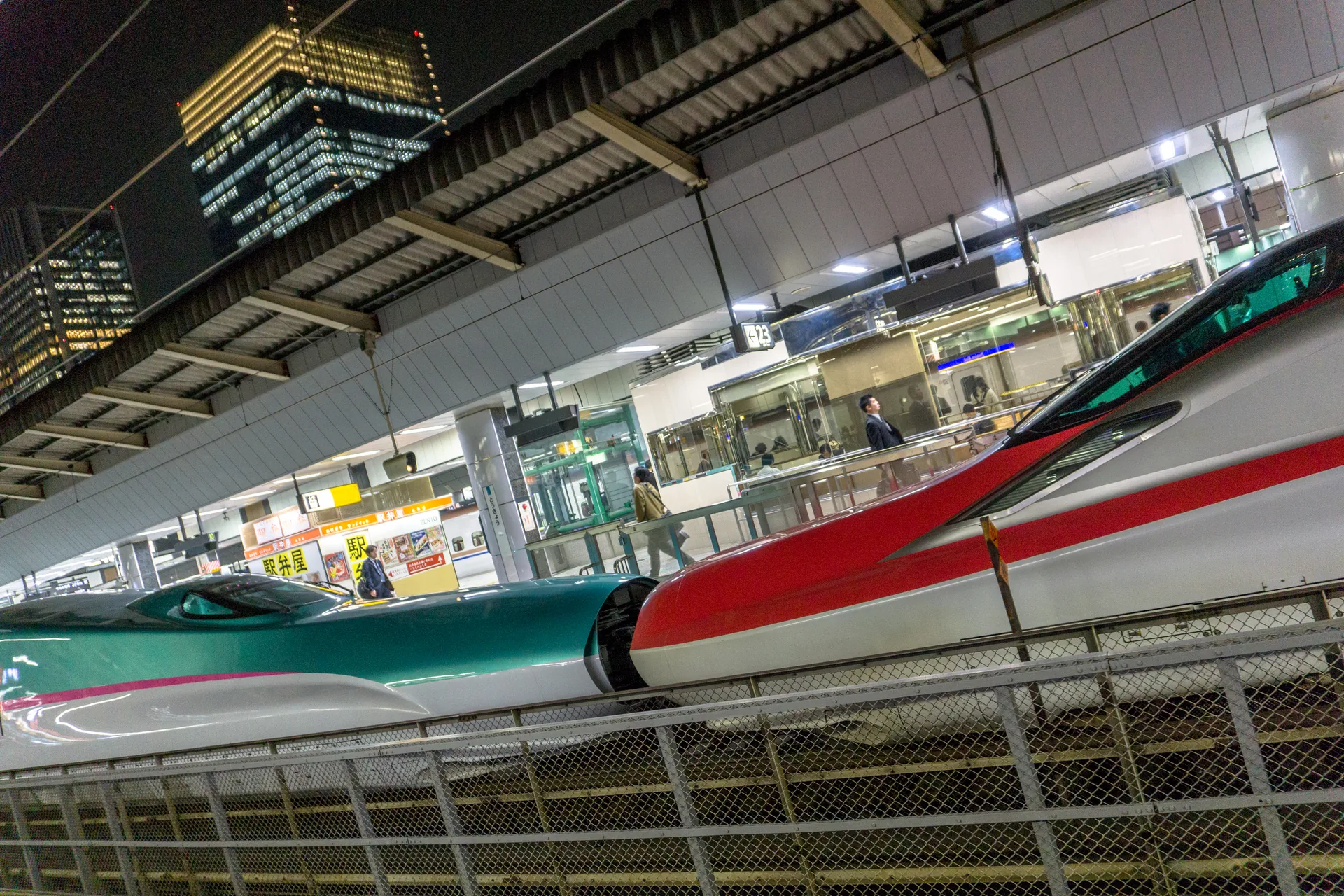
Our gallery comes from six photographers: a still lake at Unzen, a sugarbird on a protea shot with the E 55-210, Batumi harbour, Corndon Tor at sunset on a Samyang 12mm, Faroese sheep above the village of Sumba on the kit zoom and a Shinkansen at ISO 1000. Still worth it in 2026? Yes, for stills in a small, light body. If you want Real-time tracking AF, look at the a6400; for in-body stabilization, the a6700.
The story
Sony announced the a6000 in February 2014 and said it would be available in April 2014 for $650 body-only, or $800 with the E PZ 16-50mm power zoom (Sony Electronics release, via DPReview; Sony Japan).
Sony billed its Fast Hybrid AF as the world's fastest autofocus at launch, with 11 fps continuous shooting that keeps focus tracking.
Specifications
Key specs for the Sony a6000 (ILCE-6000), from Sony's specifications page and Sony's February 2014 announcement. Source for each row in brackets.
Built-in flash; Multi Interface Shoe; Wi-Fi and NFC; Multi/Micro USB with in-camera charging [Sony]
Battery
NP-FW50; up to 360 shots [Sony]
Size / weight
4.72 × 2.63 × 1.78 in; 12.13 oz (344 g) with battery and card (10.05 oz body only) [Sony]
Announced / price
Feb 2014; $650 body-only, $800 with E PZ 16-50mm [Sony Electronics]
Sample photos
Six photos taken with the Sony a6000 by six photographers, shared on Wikimedia Commons under Creative Commons licenses or in the public domain. Each caption names the lens where the file records it. Select a photo to enlarge it. More samples from Sony
16mm, f/8, ISO 125, 1/60 s: Lake Oshidori at Unzen, Nagasaki (E 16-70mm F4 ZA OSS). Photo: 663highland via Wikimedia Commons, CC BY 2.5 (resized)210mm, f/6.3, ISO 1600, 1/1500 s: a sugarbird on a protea at Kirstenbosch (E 55-210mm F4.5-6.3 OSS). Photo: Rainer Halama via Wikimedia Commons, CC BY-SA 4.0 (resized)
16mm, f/9, ISO 100, 1/100 s: Batumi sea port, Georgia (E PZ 16-50mm F3.5-5.6 OSS). Photo: Andrew Milligan sumo via Wikimedia Commons, CC BY 2.0 (resized)12mm, ISO 100, 1/50 s: Corndon Tor on Dartmoor at sunset (Samyang 12mm F2.0 NCS CS; aperture not recorded). Photo: Adam Court via Wikimedia Commons, CC BY 2.0 (resized)
21mm, f/11, ISO 100, 1/200 s: Faroese sheep above Sumba, Faroe Islands (E PZ 16-50mm F3.5-5.6 OSS). Photo: kallerna via Wikimedia Commons, CC BY-SA 4.0 (resized)17mm, f/4, ISO 1000, 1/60 s: a Shinkansen at the platform (E PZ 16-50mm F3.5-5.6 OSS). Photo: IQRemix via Wikimedia Commons, CC BY-SA 2.0 (resized)
Sony: Launched at $650 in 2014 (body only).
Verdict
Still worth it in 2026? Yes, for stills in a small, light body: travel, landscape and daylight wildlife with a 24.3MP sensor, fast phase-detect AF and 11 fps.
Choose the a6400 instead for Real-time tracking AF, or the a6700 for in-body stabilization and 4K video.