
The camera body gets most of the attention, but the lens decides what kind of picture you can take at all. A body can't make a distant bird bigger, freeze a sprinter in a dim gym or blur a busy background behind a face. The lens does those things. That is why photographers who specialize tend to pick lenses by purpose rather than by brand or price. This guide walks through the four most common purposes (sports, wildlife, landscape and portrait), explains what each one asks of a lens, and shows where the needs overlap, so you can buy one lens that does your kind of photography well rather than one that does everything badly.
Lenses by Purpose: What Sports, Wildlife, Landscape and Portrait Photography Each Need
Sports, wildlife, landscapes and portraits each ask something different of a lens. This guide sets out the focal length, aperture and features each one needs, why they matter, and where the four overlap, so you can choose a lens by what you shoot.
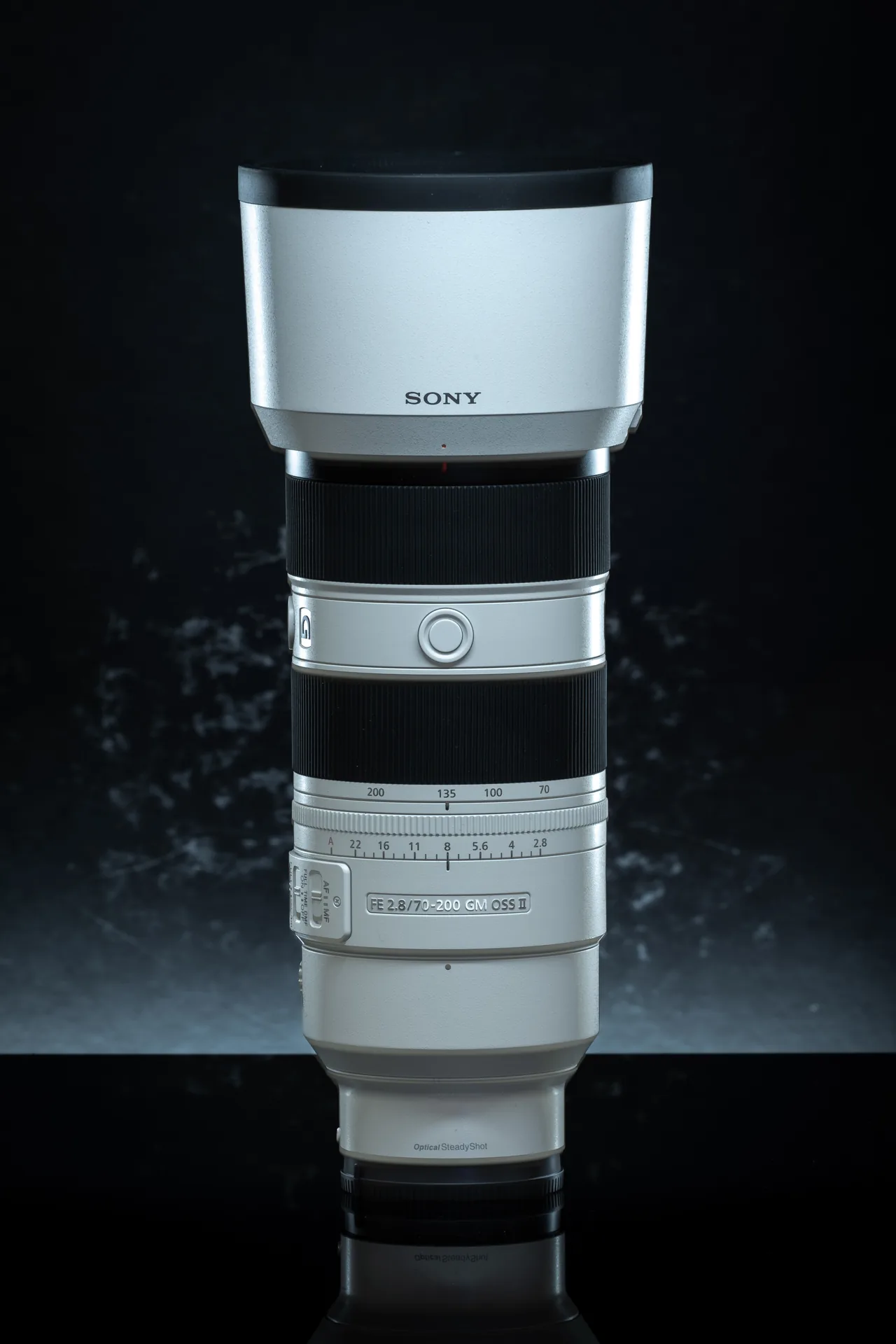
Photo: Henry Söderlund via Wikimedia Commons, CC BY 2.0 (resized)
The two numbers on every lens
Every lens name carries two numbers that matter more than anything else on the box: the focal length in millimeters and the maximum aperture as an f-number. Almost every choice in this guide comes down to trading one against the other, and against size, weight and price.
Focal length: how much of the scene you see
Focal length sets the angle of view. A short focal length such as 14mm or 24mm takes in a wide sweep of the scene; a long one such as 400mm or 600mm takes in a narrow slice and makes it fill the frame. Doubling the focal length makes a distant subject twice as tall in the picture. A zoom covers a range (70-200mm, 150-500mm); a prime has one focal length (85mm) and is usually smaller, sharper or faster for the money.
The numbers in this guide are for full-frame cameras. On an APS-C camera the smaller sensor crops the image, so a lens frames like one about 1.5 times longer (1.6 times on Canon APS-C). A 56mm lens on a Fujifilm X camera frames much like an 85mm on full frame. That crop is a real advantage for wildlife and a small handicap for wide landscapes.
Aperture: how much light gets in
The f-number describes how wide the lens can open. Smaller numbers mean a wider opening and more light: f/2.8 lets in twice the light of f/4, and four times the light of f/5.6. Each of those steps is called a stop. More light lets you use a faster shutter speed or a lower ISO, and a wide aperture also gives shallower depth of field, so the background melts into blur.
Wide apertures cost money, size and weight, and the cost climbs steeply on long lenses. A 70-200mm f/2.8 is a large lens; a 600mm f/2.8 is a very large, very expensive one. That's why sports and wildlife lenses, which both live at the long end, make opposite trade-offs.
Everything else
After those two numbers come the features that decide whether a lens suits a purpose in practice: autofocus speed, optical stabilization, weather sealing, filter threads, weight and whether the lens zooms internally. Each purpose below ranks these differently.
Sports: fast telephotos that freeze motion
Sports photography is about stopping something that moves quickly and unpredictably, usually from a fixed spot some distance away. That gives the lens two jobs: bring the action close, and let in enough light for a very fast shutter speed.
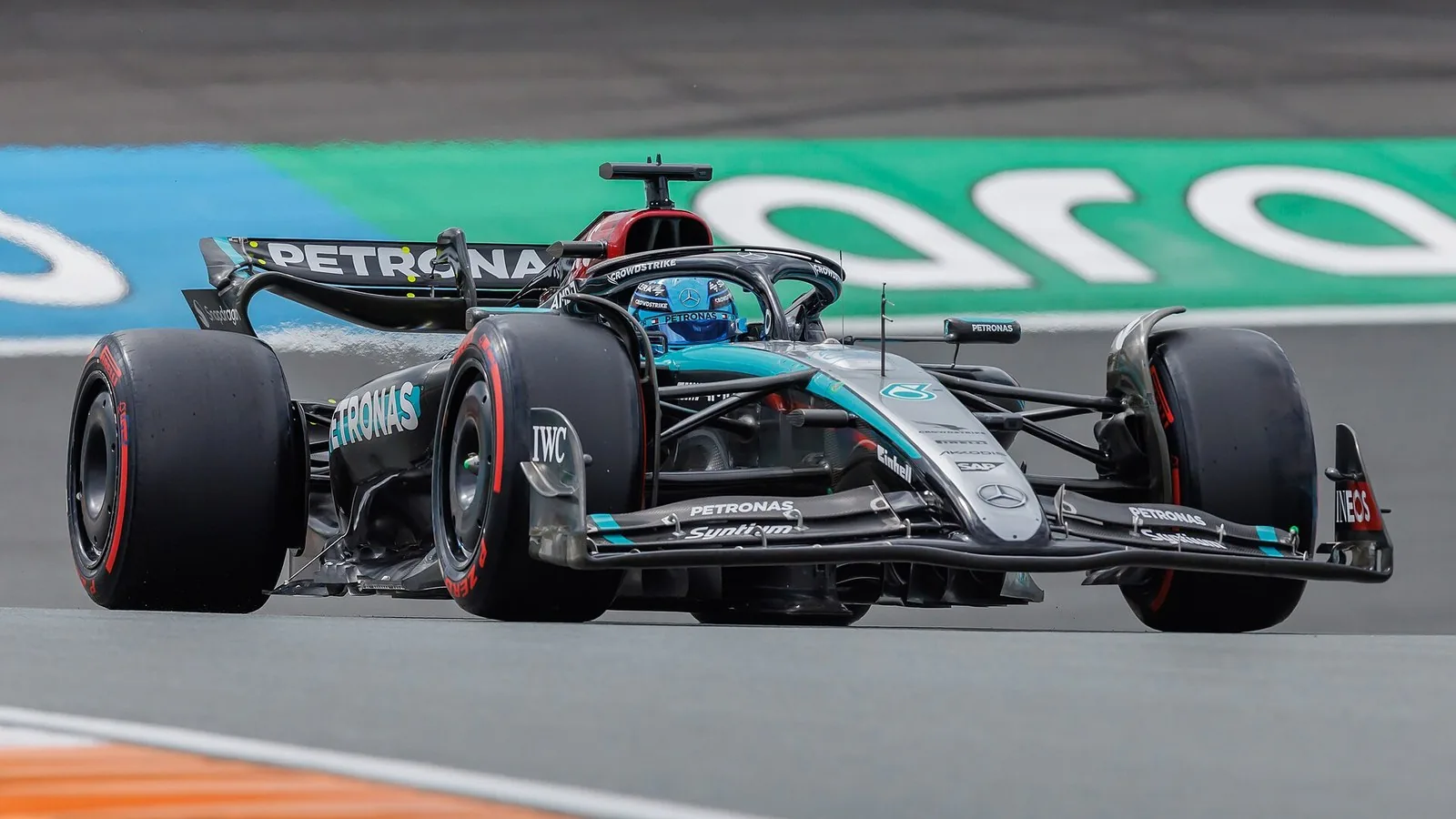
Photo: Steffen Prößdorf via Wikimedia Commons, CC BY-SA 4.0 (resized)

Focal length
As a working rule, aim for at least 200mm. Digital Camera World's sports guide puts it simply: "having at least 200mm to work with is a good idea." How much more you need depends on where you stand. Camera Lookout notes: "Court-side access may make 200mm sufficient, while public seating ... can demand 400mm or more." A parent on the touchline at youth soccer and a fan in the upper stand of a stadium need very different lenses.
Aperture
Here sports and wildlife part ways. Sport needs fast shutter speeds, often 1/1000 s or faster, and indoor venues are much darker than they look. In a dim gym the fix is a wider aperture, not stabilization: as Camera Lookout puts it, "Optical IS ... cannot stop a runner or ball." Stabilization steadies your hands, not your subject. That is why the 70-200mm f/2.8 zoom is the standard sports lens. It covers courtside and close sideline work, and f/2.8 gives a full stop more light than f/4 and two stops more than f/5.6.
Other needs
- Fast, reliable autofocus. The lens motor has to keep up with the camera's tracking.
- Weather sealing for outdoor sport in rain and dust.
- Stabilization still helps for handheld shooting and slower panning shots.
- For field sports from a distance, the 300mm f/2.8 prime is the classic professional choice, at a much higher price and weight.
Why it matters: a fast telephoto freezes motion at high shutter speeds without pushing ISO into noisy territory, and keeps an unpredictable subject large in the frame. See our ranked list: The 5 Best Sports Lenses Right Now.
Wildlife and birds: reach first
Animals keep their distance, and the smaller and shyer they are, the farther away they stay. For most wildlife, reach matters more than a fast aperture, which is the opposite of sports.
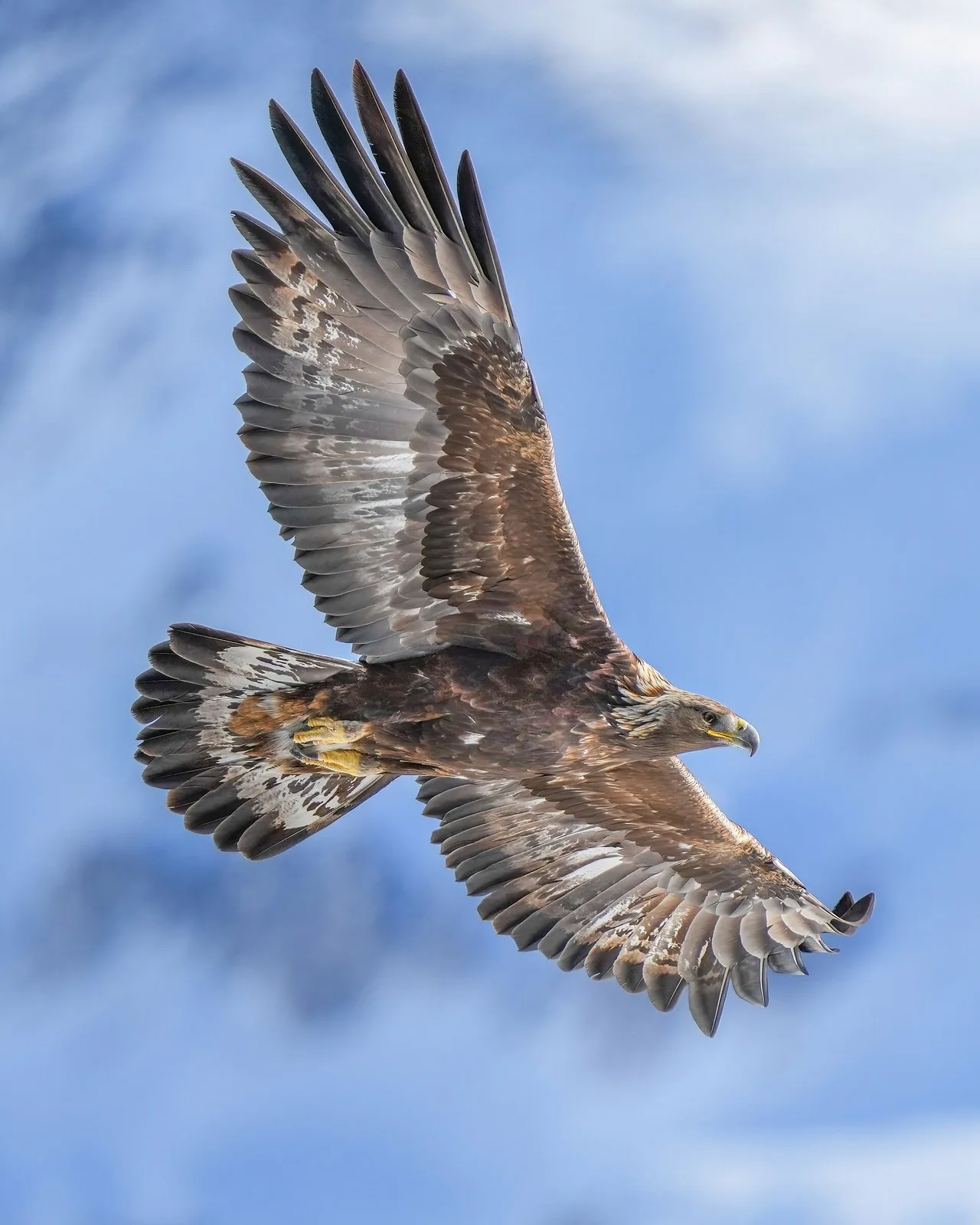
Photo: Giles Laurent via Wikimedia Commons, CC BY-SA 4.0 (resized)

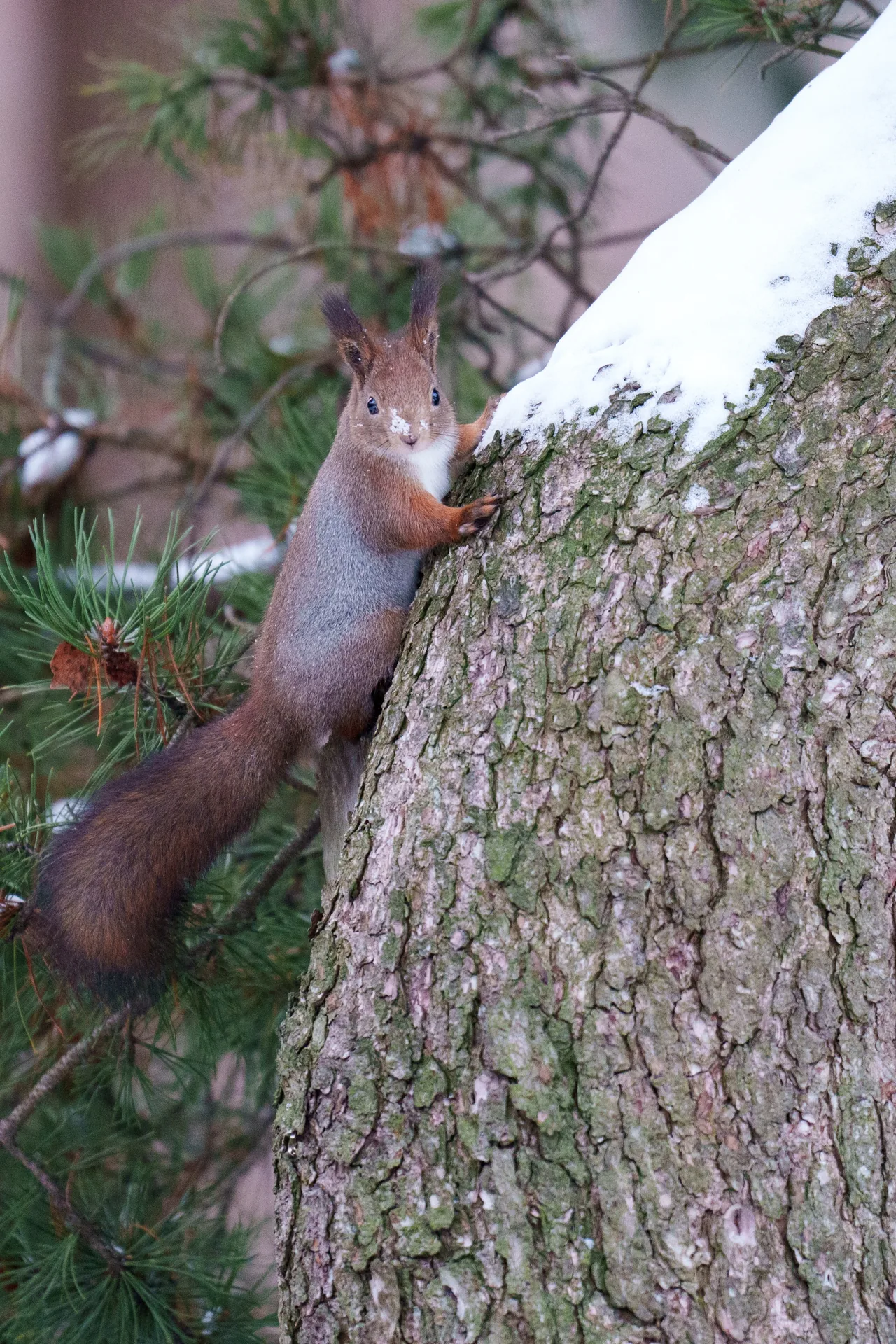
Photo: Henry Söderlund via Wikimedia Commons, CC BY 2.0 (resized)

Focal length: reach bands
Wide Open Gear's wildlife guide frames the question as "How much reach do you actually need?" A useful way to think about it:
- 300 to 400mm (full-frame equivalent) works for deer, foxes, safari animals and larger birds.
- 500 to 600mm and beyond is where small or skittish birds start to fill the frame.
Teleconverters and crop
Two tools stretch reach further. A teleconverter fits between lens and camera: a 1.4x converter makes a 600mm lens reach 840mm, and a 2x makes it 1200mm. You pay in light: a 1.4x costs one stop and a 2x costs two. An APS-C or Micro Four Thirds camera multiplies effective reach too, which is why a long zoom on a crop-sensor body is such a popular wildlife combination. Wide Open Gear notes a Fujifilm XF70-300 "frames like 457mm."
The aperture trade-off
Most affordable wildlife zooms are variable-aperture designs that close to f/5.6, f/6.3 or f/8 at the long end. That keeps them small and affordable enough to carry, but it limits work at dawn and dusk, when animals are often most active. Wide Open Gear says the Canon RF 100-400mm "is a lens for open daylight, not for dawn in the woods," and Live Science warns the RF 200-800mm "could struggle in low light." Modern sensors handle high ISO far better than they used to, which is what makes these slower lenses practical.
Other needs
- Stabilization, because shake is magnified at long focal lengths.
- Weight you will actually carry. A lens left in the car takes no pictures. Wide Open Gear weighs every pick for this reason.
- Internal zoom, which keeps the lens the same length as you zoom and keeps it balanced on a gimbal or tripod head.
Why it matters: reach decides whether you get a frame-filling animal or a dot in a landscape. See our ranked list: The 5 Best Wildlife Lenses Right Now.
Landscape: wide, sharp and filter-friendly
Landscape photography usually means a wide view, a lot of depth of field and time to work, often from a tripod. That changes the lens priorities completely.
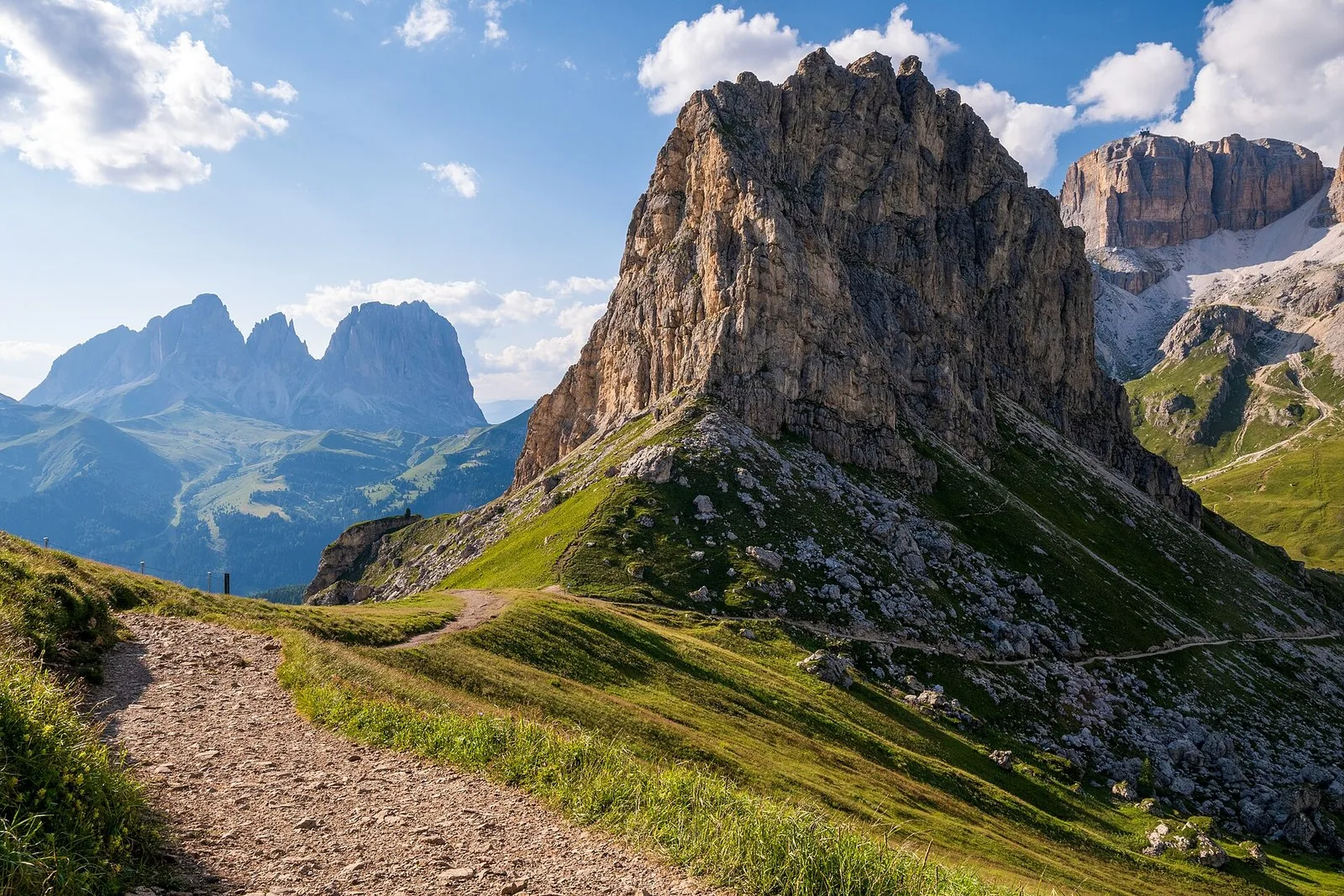
Photo: Bops92 via Wikimedia Commons, CC BY-SA 4.0 (resized)

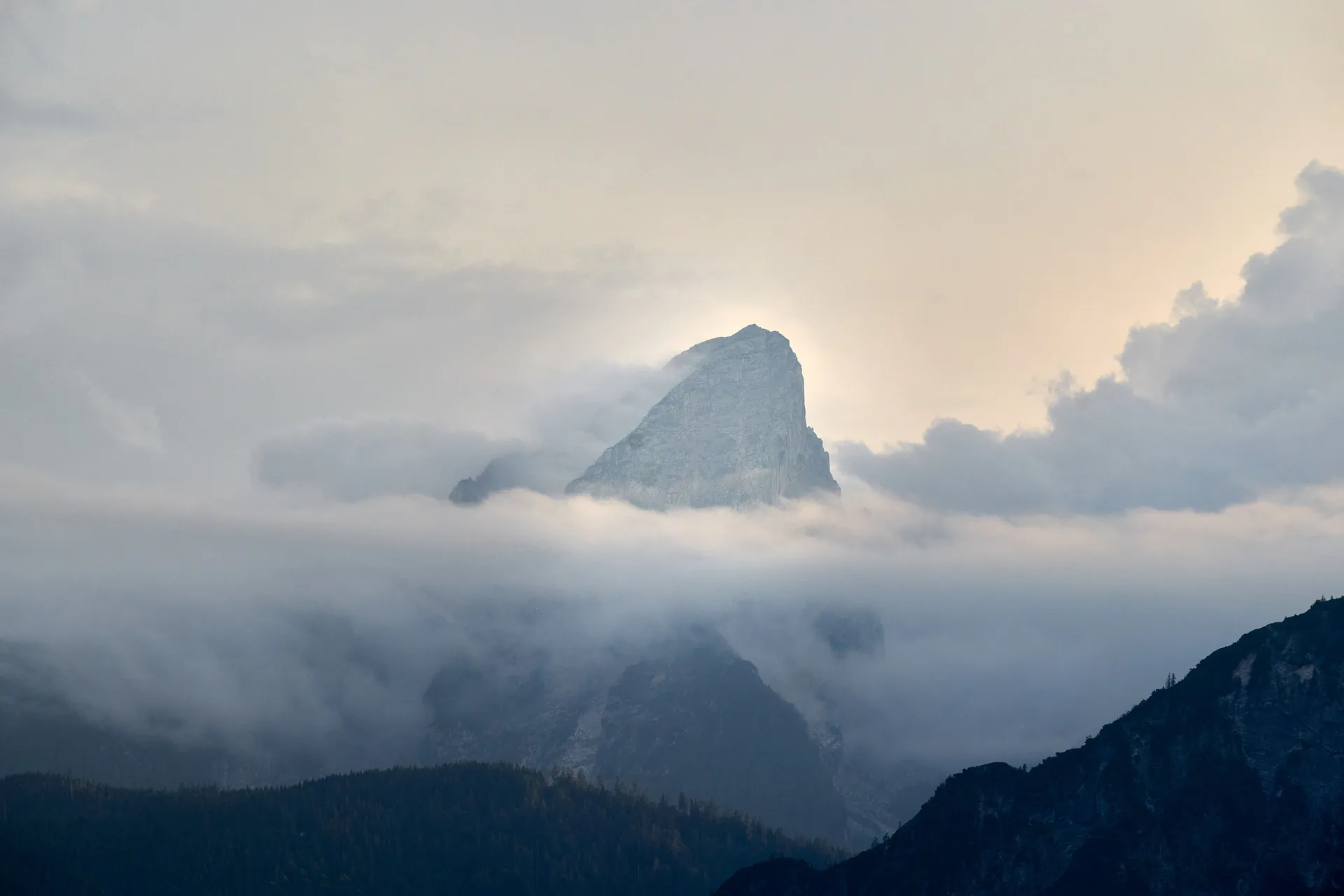
Photo: © Anil Öztas via Wikimedia Commons, CC BY 4.0 (resized)

Focal length
The core landscape lens is a wide-angle zoom starting around 18mm (full-frame equivalent) or wider; ranges like 14-30mm, 14-35mm and 16-35mm are typical. Wide isn't the whole story, though. Telephotos compress distant ridges and pick out details, as the mountain photo above shows. Felix Inden's landscape guide suggests a three-lens kit of an ultra-wide 14-35mm, a standard 24-120mm and a 100-500mm telephoto, and adds: "Only buying one? Start with the standard zoom."
Aperture
Digital Camera World calls f/2.8 "less important for landscapes." For depth of field you will usually stop down to f/8 or f/11 anyway, and a tripod handles long shutter speeds. That makes f/4 wide zooms the sensible choice: lighter, smaller and cheaper than their f/2.8 counterparts with little practical loss. The exception is astrophotography and night work, "where fast glass genuinely matters," as Felix Inden puts it. If you want to shoot the Milky Way, an f/2.8 or faster wide lens earns its weight.
Other needs
- A screw-in filter thread. Wide Open Gear: "a polarizer is the one filter whose effect you cannot recreate in editing."
- Edge-to-edge sharpness, because landscapes put detail in every corner.
- Weather sealing for spray, mist and dust.
- Weight, because the best views are often at the end of a long walk.
Why it matters: depth of field, control of sky and water with filters, and a lens light enough to carry all day. See our ranked list: The 5 Best Landscape Lenses Right Now.
Portrait: short telephotos and wide apertures
Portraits are about the person: a flattering perspective and a background that doesn't compete. Both come from the lens.
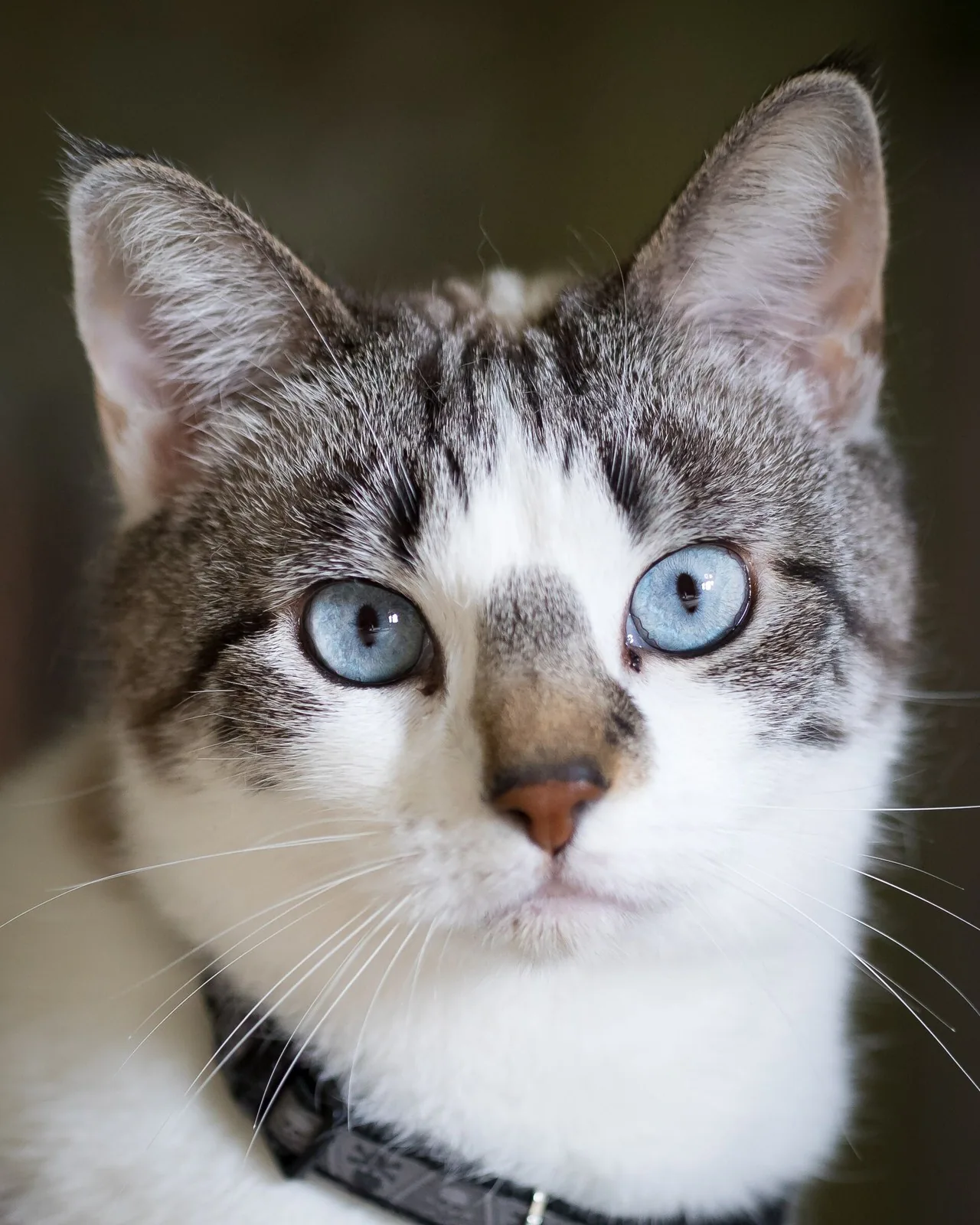
Photo: Frank Schulenburg via Wikimedia Commons, CC BY-SA 4.0 (resized)

Focal length
85mm on full frame is the classic portrait focal length. Digital Camera World's Nikon portrait guide explains that a focal length of "85mm or thereabouts" gives "a good working distance from your subject," far enough back that faces keep natural proportions instead of the stretched nose and ears a wide lens gives up close. Other lengths have their place:
- 105 to 135mm for tighter head-and-shoulders framing and even more background compression.
- 35 to 50mm for environmental portraits that show the person's surroundings, and for small rooms.
- 70-200mm f/2.8 for events and weddings, where you need to move between framings quickly.
APS-C equivalents
On an APS-C camera, a 50 to 56mm lens frames much like an 85mm on full frame. One subtlety: depth of field depends on the actual focal length and aperture, not the "effective" one, as Digital Camera World points out. So an APS-C portrait lens needs an even wider aperture to match the background blur of 85mm f/1.8 on full frame, which is why lenses like the Fujifilm XF56mm F1.2 exist.
Aperture
f/1.8 or f/1.4 is the sweet spot for background blur and separation, with f/1.2 lenses as a premium option. Digital Camera World describes the ideal as "a short-ish telephoto prime with a large maximum aperture." Wide open isn't always best, though: at f/1.2 the depth of field can be thin enough that one eye is sharp and the other isn't. Many portrait photographers work between f/1.4 and f/2.8.
Why it matters: working distance gives a flattering perspective, and shallow depth of field lifts the subject off the background. See our ranked list: The 5 Best Portrait Lenses Right Now.
Where the purposes overlap
The four purposes aren't sealed boxes, and knowing where they overlap can save you buying two lenses.
- Sports and wildlife use the same telephoto class but make opposite trades. Sports puts aperture first (f/2.8); wildlife puts reach first (500-600mm and beyond). A 70-200mm f/2.8 does fine with larger, closer animals, but it rarely reaches small birds.
- Portrait and events meet at the 70-200mm f/2.8, which is why wedding photographers often carry one alongside an 85mm prime.
- Landscape and astrophotography both use wide lenses, but astro needs f/1.4 to f/2.8 where landscape is happy at f/4. If night skies matter to you, that changes which wide lens you should buy.
Which lens first? By what you shoot
"I shoot my kids' games"
A 70-200mm f/2.8. It covers the sideline, works in gyms and doubles as an event and portrait lens.
"I photograph birds"
A 500 to 600mm zoom. Accept f/6.3 at the long end and lean on your camera's high ISO.
"I go on safari or hike for wildlife"
A 100-400mm or 150-500mm zoom. Enough reach for larger animals at a weight you will carry.
"I hike for views"
An f/4 wide zoom with a filter thread. Add a polarizer before you add a second lens.
"I want the Milky Way too"
A wide zoom or prime at f/2.8 or faster. The extra stop matters at night.
"I photograph people"
An 85mm f/1.8 on full frame, or a 50 to 56mm fast prime on APS-C.
Bottom line
Pick the lens for the picture you want most often. Sports wants a fast 70-200mm or longer; wildlife wants reach, usually 400 to 600mm at a modest aperture; landscape wants a sharp, filter-friendly wide zoom that f/4 serves well; portraits want a fast short telephoto around 85mm. Get that one lens right and the camera body matters less than you might expect.
Top lenses for each purpose
Sources
- Digital Camera World: best lens for sports photography
- Camera Lookout: best Canon RF sports lenses
- Alpha Universe: the best lenses for sports photography in 2026
- Wide Open Gear: best lenses for wildlife
- Amateur Photographer: telephoto lenses for wildlife photography
- Live Science: best lenses for wildlife photography
- Digital Camera World: best lenses for landscapes
- Wide Open Gear: best lenses for landscape
- Fstoppers: best landscape and wide-angle lenses 2026
- Felix Inden: best lenses for landscape photography
- Digital Camera World: best portrait lenses for Nikon
- Aftershoot: best lens for portrait photography
- Canon Rumors: best lenses for portrait photography across all brands
- Aperture Authority: best lenses for portraits