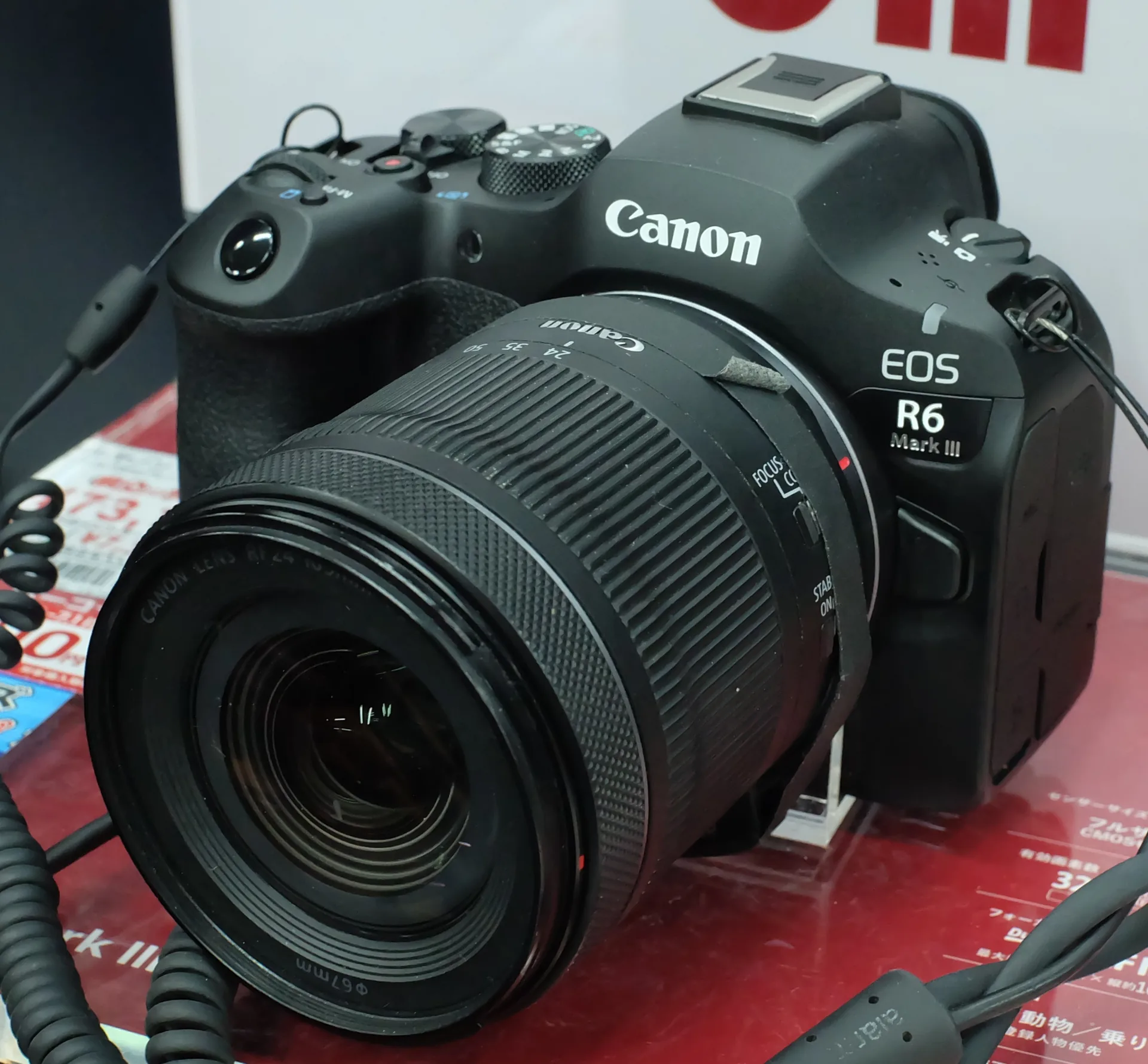
Canon EOS R6 Mark III. Photo: 昼落ち via Wikimedia Commons, CC0 (resized)
HIGHLIGHTS
The R6 line has always been the Canon most people should actually buy, and the Mark III makes that case harder to argue with. Canon announced it on November 6, 2025 at $2,799 body-only and moved the sensor up to 32.5 megapixels, enough extra room to crop a bird or reframe a portrait without the file falling apart, while keeping the speed the R6 name is known for. With the electronic shutter it runs at up to 40 frames a second, and pre-continuous shooting keeps up to 20 frames from before you fully press the button. The mechanical shutter manages 12 fps.
For anyone who also shoots video, this is where the camera changes category. Canon added internal 7K raw recording at up to 59.94p, 4K at 120p and a 7K open gate mode that records the full sensor so you can cut vertical and horizontal versions from one take. Canon Log 2 and Log 3, waveforms, false color and 5-second pre-recording are on board. Canon rates the in-body stabilization at up to 8.5 stops at the center of the frame and 7.5 at the edges. Around that are a 3.69-million-dot viewfinder, a 3.0-inch vari-angle touchscreen, a CFexpress Type B slot beside a UHS-II SD slot and a dust- and water-resistant magnesium-alloy body at 699 g with battery and card.
The costs are real. The new CFexpress slot means new cards for most upgraders. There's no cooling fan: PetaPixel had 4K/60 Fine shut down after 28 minutes and open gate after 34, though DPReview never hit overheating in its own indoor and outdoor shoots. DPReview also found dynamic range behind the best rivals, and lower still in electronic-shutter mode. If you shoot an R6 Mark II and rarely crop or film, keep it. If you want one Canon body that can cover a wedding, a wildlife weekend and a client video, this is it.
The story
Canon U.S.A. announced the EOS R6 Mark III on November 6, 2025, alongside the RF45mm F1.2 STM. The body was expected in November 2025 at $2,799, with kits at $3,149 (RF24-105mm F4-7.1 IS STM) and $4,049 (RF24-105mm F4 L IS USM) (Canon U.S.A.).
Before launch, a Canon Rumors thread on the first leaked images drew one of the biggest Canon discussions in two years. DPReview's review gave it a Gold Award (91%), and the R6 III versus Sony a7 V comparison became the enthusiast hybrid argument of the winter.
Specifications
Key verified specs for the Canon EOS R6 Mark III, from Canon Europe's specifications page and Canon U.S.A.'s Nov 6, 2025 release, and reviews by DPReview, PetaPixel and Digital Camera World. Source for each row in brackets.
Dual Pixel CMOS AF II; EV -6.5 to 21; tracks people, animals (dogs, cats, birds, horses) and vehicles; Register People Priority [Canon]
ISO
100–64000; expandable to 50–102400 [Canon]
Stabilization
In-body; up to 8.5 stops center, 7.5 stops periphery, depending on lens [Canon]
Shutter / bursts
Up to 12 fps mechanical or electronic first curtain, 40 fps electronic; pre-continuous shooting up to 20 frames; 1/16000 s electronic [Canon]
Rolling shutter
About 13.5 ms, electronic shutter stills [DPReview]
Video
7K raw (RAW Light) up to 59.94p; 7K 30p open gate; 4K up to 119.88p; Canon Log 2 / Log 3; 5 s pre-recording [Canon]
Recording limits
No fan; 4K/60 Fine stopped after 28 min and 7K open gate after 34 min in PetaPixel's test [PetaPixel]
Viewfinder
0.5-inch, 3.69 million dots, about 0.76x, 23 mm eyepoint [Canon]
Screen
3.0-inch vari-angle touchscreen, about 1.62 million dots [Canon]
Storage
One CFexpress Type B slot plus one SD slot (UHS-II) [Canon]
Battery
LP-E6P; about 620 shots with the LCD, 390 with the viewfinder (CIPA) [Canon]
Body
Magnesium-alloy chassis; dust- and water-resistant [Canon]
Size / weight
138.4 × 98.4 × 88.4 mm; about 609 g body, 699 g with battery and card [Canon]
Announced / price
Nov 6, 2025; $2,799 body-only at launch [Canon]
Sample photos
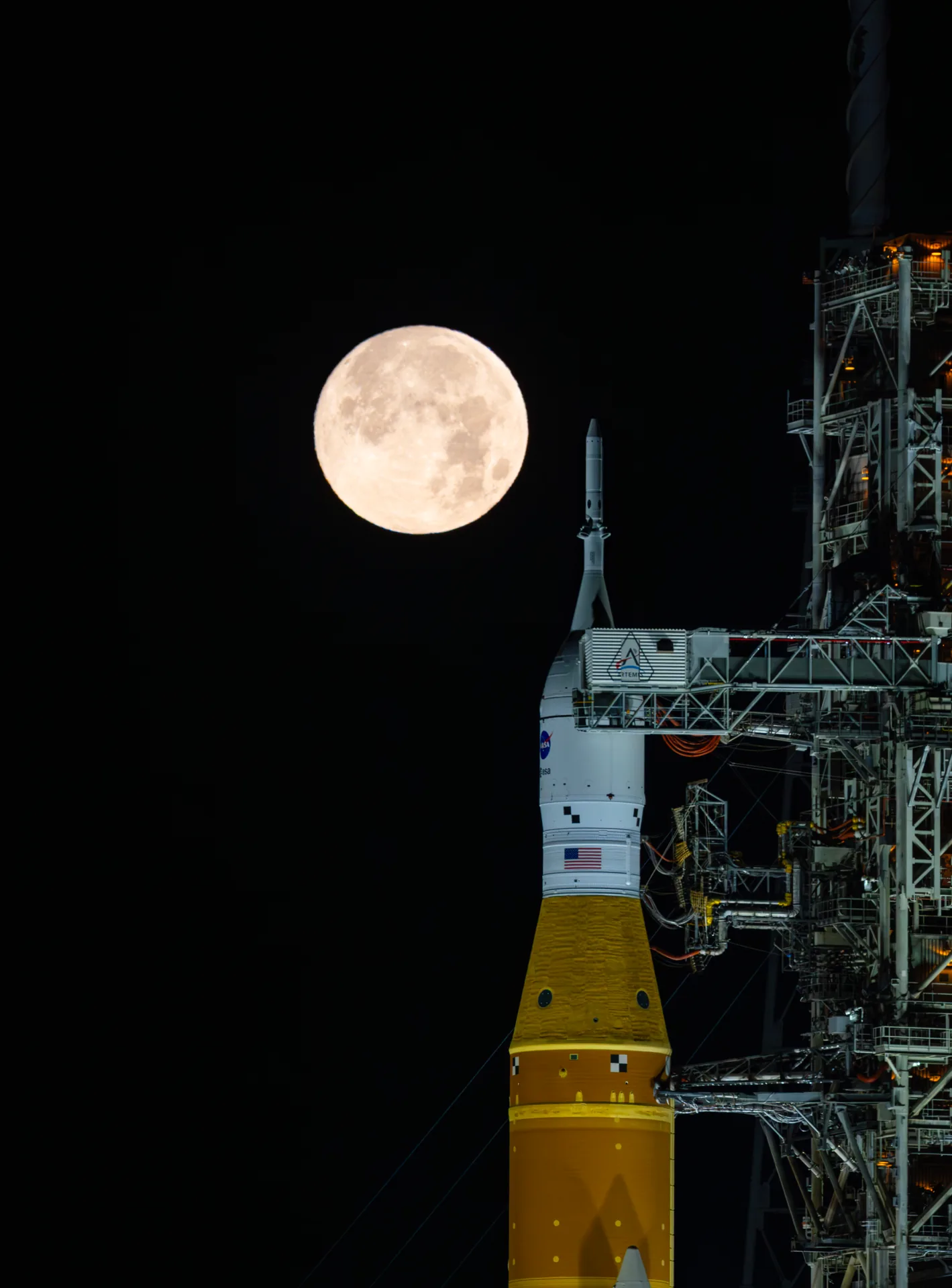
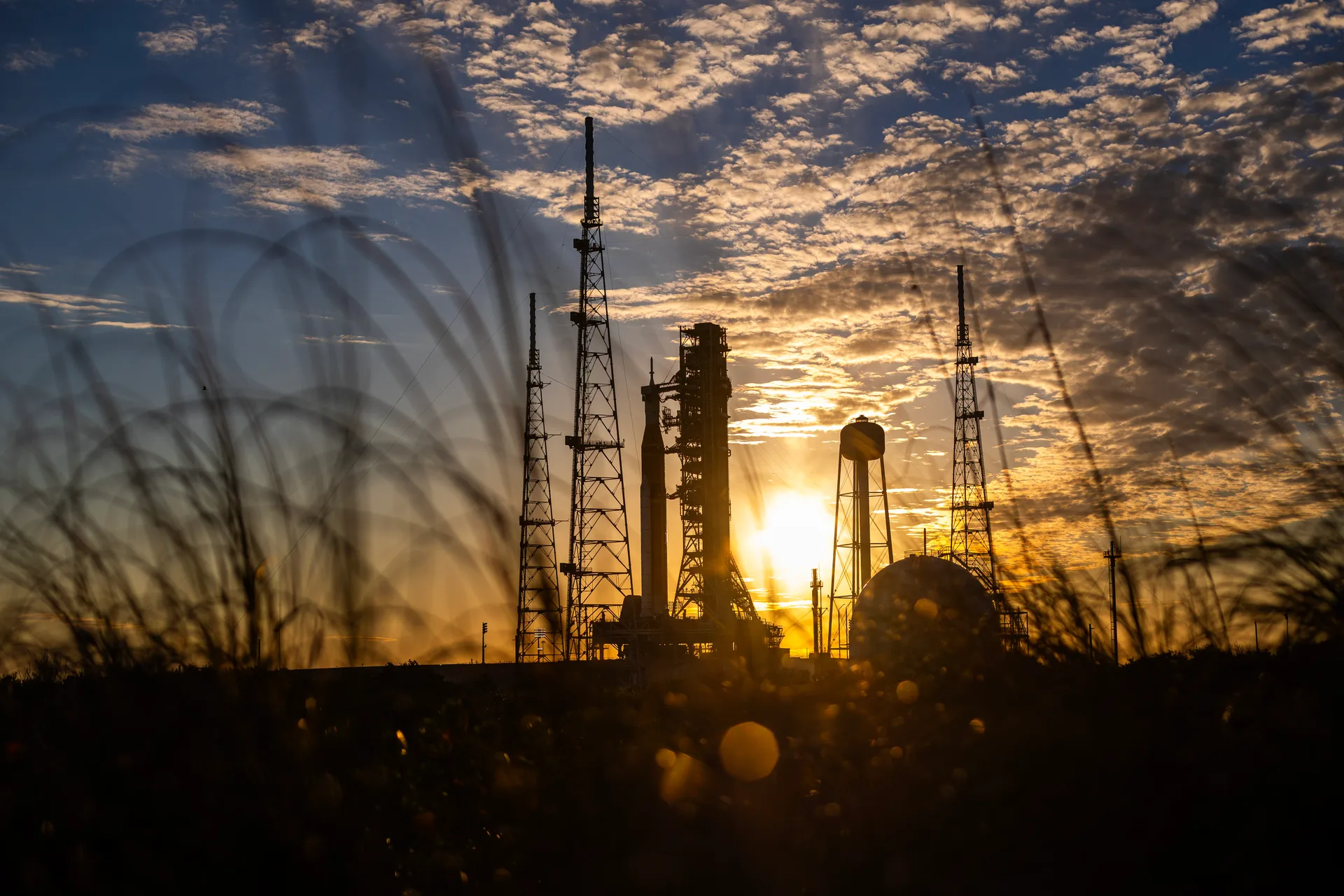
Six photos taken with the Canon EOS R6 Mark III: three by Charles J. Sharp, shared under a Creative Commons license, and three by NASA photographer Sam Lott, in the public domain. Each caption names the lens. Select a photo to enlarge it. More samples from Canon
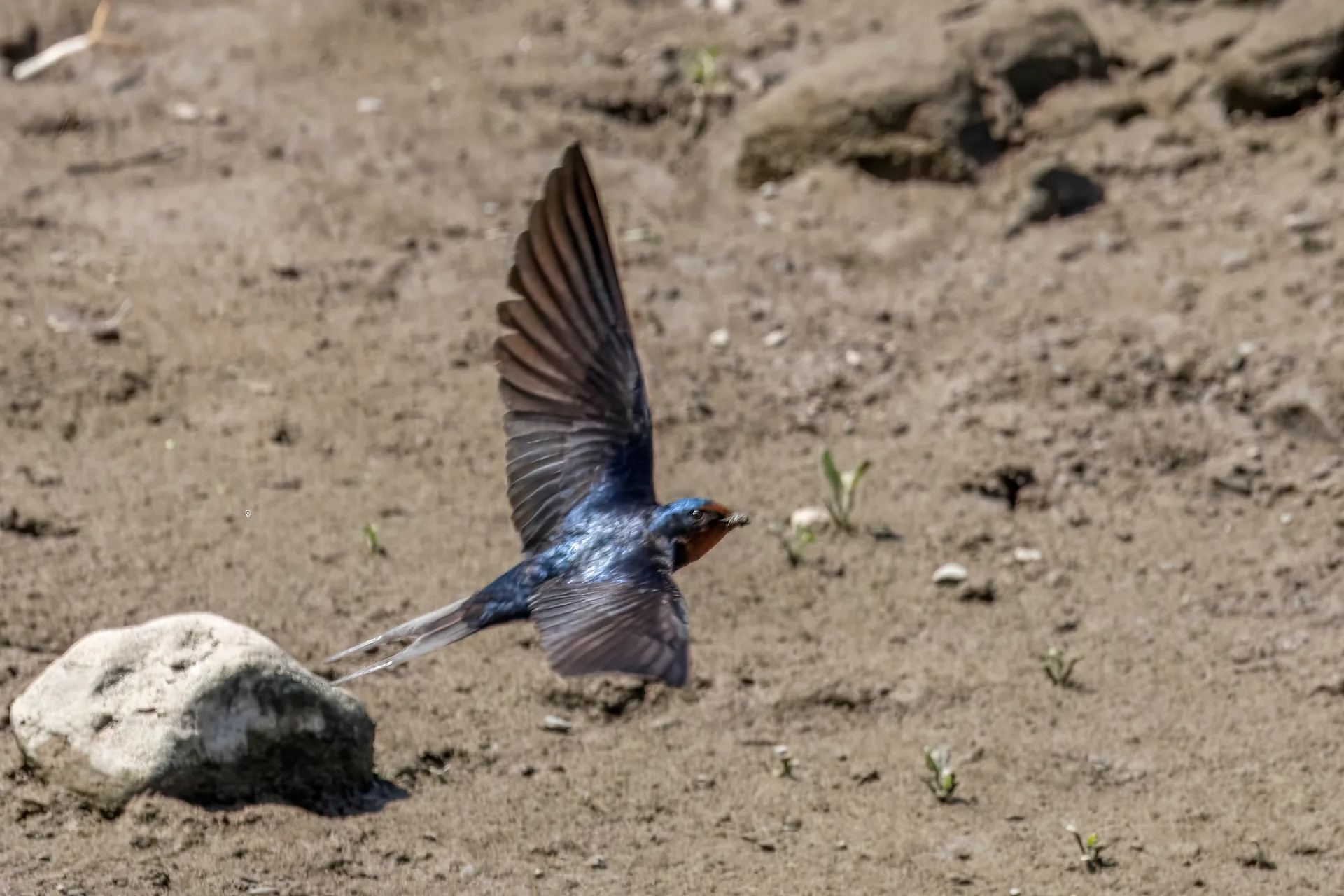
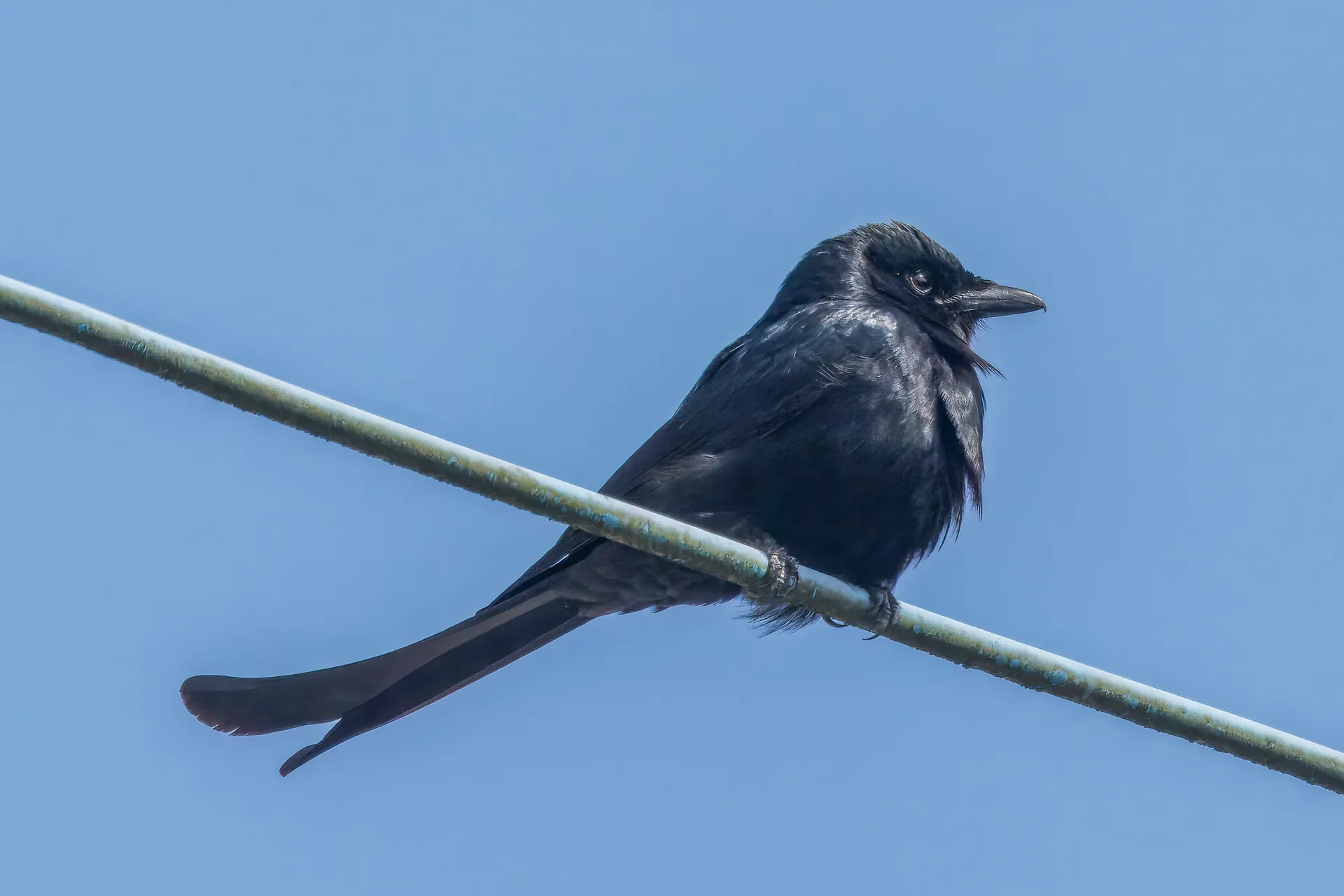
500mm, f/10, ISO 800, 1/1250 s: a barn swallow in flight, Xindian, Taiwan (Canon RF100-500mm F4.5-7.1 L IS USM). Photo: Charles J. Sharp via Wikimedia Commons, CC BY-SA 4.0 (resized)500mm, f/11, ISO 400, 1/1000 s: a black drongo, Shuangyu, Taiwan (Canon RF100-500mm F4.5-7.1 L IS USM). Photo: Charles J. Sharp via Wikimedia Commons, CC BY-SA 4.0 (resized)
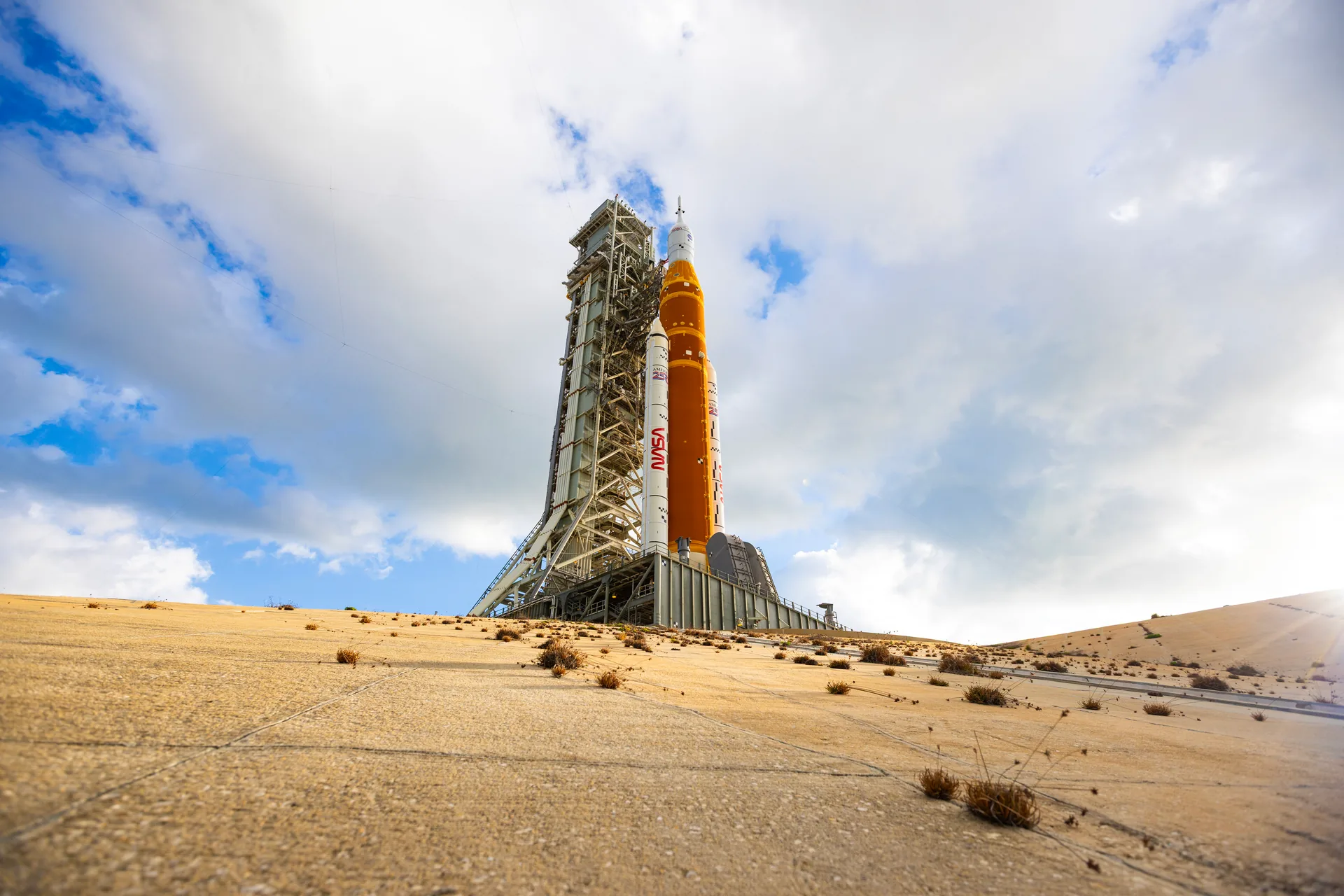
500mm, f/10, ISO 800, 1/1600 s: a common bluebottle butterfly, Jiannen Road, Taiwan (Canon RF100-500mm F4.5-7.1 L IS USM). Photo: Charles J. Sharp via Wikimedia Commons, CC BY-SA 4.0 (resized)16mm, f/4, ISO 250, 1/1250 s: NASA's SLS rocket and Orion rolling out to Launch Pad 39B for Artemis II, March 2026 (Canon EF16-35mm f/2.8L II USM, adapted). Photo: NASA/Sam Lott via Wikimedia Commons, public domain (resized)
562mm, f/11, ISO 2000, 1/320 s: the full moon rising over the Artemis II stack at Launch Pad 39B, February 2026 (Sigma 150-600mm F5-6.3 DG OS HSM | Contemporary with 2x teleconverter, adapted). Photo: NASA/Sam Lott via Wikimedia Commons, public domain (resized)50mm, f/3.2, ISO 125, 1/5000 s: sunset over the Artemis II stack at Launch Pad 39B, January 2026 (Canon EF50mm f/1.4 USM, adapted). Photo: NASA/Sam Lott via Wikimedia Commons, public domain (resized)
Canon: Launched at $2,799 in 2025, body only; kits were $3,149 with the RF24-105mm F4-7.1 IS STM and $4,049 with the RF24-105mm F4 L IS USM.
Verdict
This is the default Canon full-frame hybrid for 2026. The 32.5MP sensor gives real cropping room, autofocus and bursts keep up with wildlife and sport, and the 7K raw and open gate modes make it a serious video camera too.
It needs CFexpress cards to get the most from it, and long video takes in the heat can stop it. If you mostly shoot stills and 24MP is enough, our R6 Mark II guide covers the older body.
Pros
32.5MP sensor with room to crop
40 fps e-shutter with 20-frame pre-capture; 12 fps mechanical
7K raw, 7K open gate and 4K/120 video
Up to 8.5 stops of IBIS; sealed body
Cons
No fan; overheating in long 4K/60 and open gate takes (PetaPixel)
Dynamic range behind the best rivals, lower in e-shutter (DPReview)