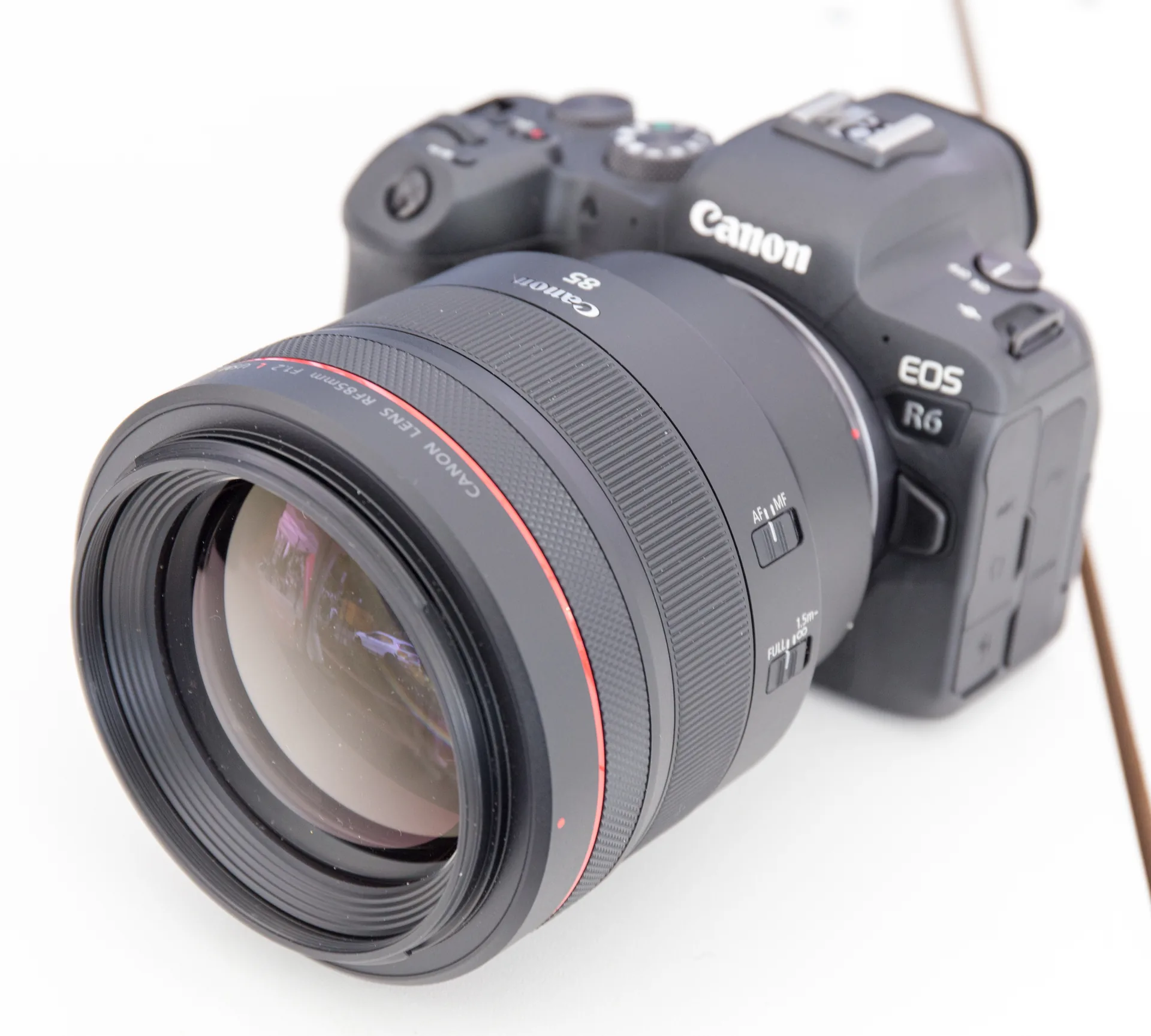
Canon's 2020 enthusiast full-frame body, replaced by the R6 Mark II. Launched at $2,499 in 2020, body only. Still worth it in 2026: yes, if 20MP is enough for you.
Canon EOS R6, shown with the RF 85mm F1.2 L USM (not included with the body). Photo: GodeNehler via Wikimedia Commons, CC BY-SA 4.0 (resized)
HIGHLIGHTS
The EOS R6 was Canon's 2020 reset for enthusiast full-frame mirrorless. It used a 20.1MP sensor based on the EOS-1D X Mark III's, with DIGIC X, Dual Pixel CMOS AF II covering about 100% of the frame, and eye, face and head detection for people plus eye, face and body detection for dogs, cats and birds. It was also one of Canon's first bodies with 5-axis in-body stabilization, rated up to 8 stops.
What dates it is mostly resolution, battery life and video. At 20MP it has the lowest resolution in today's EOS R full-frame range, which limits cropping. The LP-E6NH is rated for about 380 shots through the viewfinder. Its 4K/60p video is 10-bit with Canon Log, but Canon rates 4K/60p at about 30 minutes from a cold start at 23°C (73°F), while 4K/30p isn't limited by heat (Canon Europe).
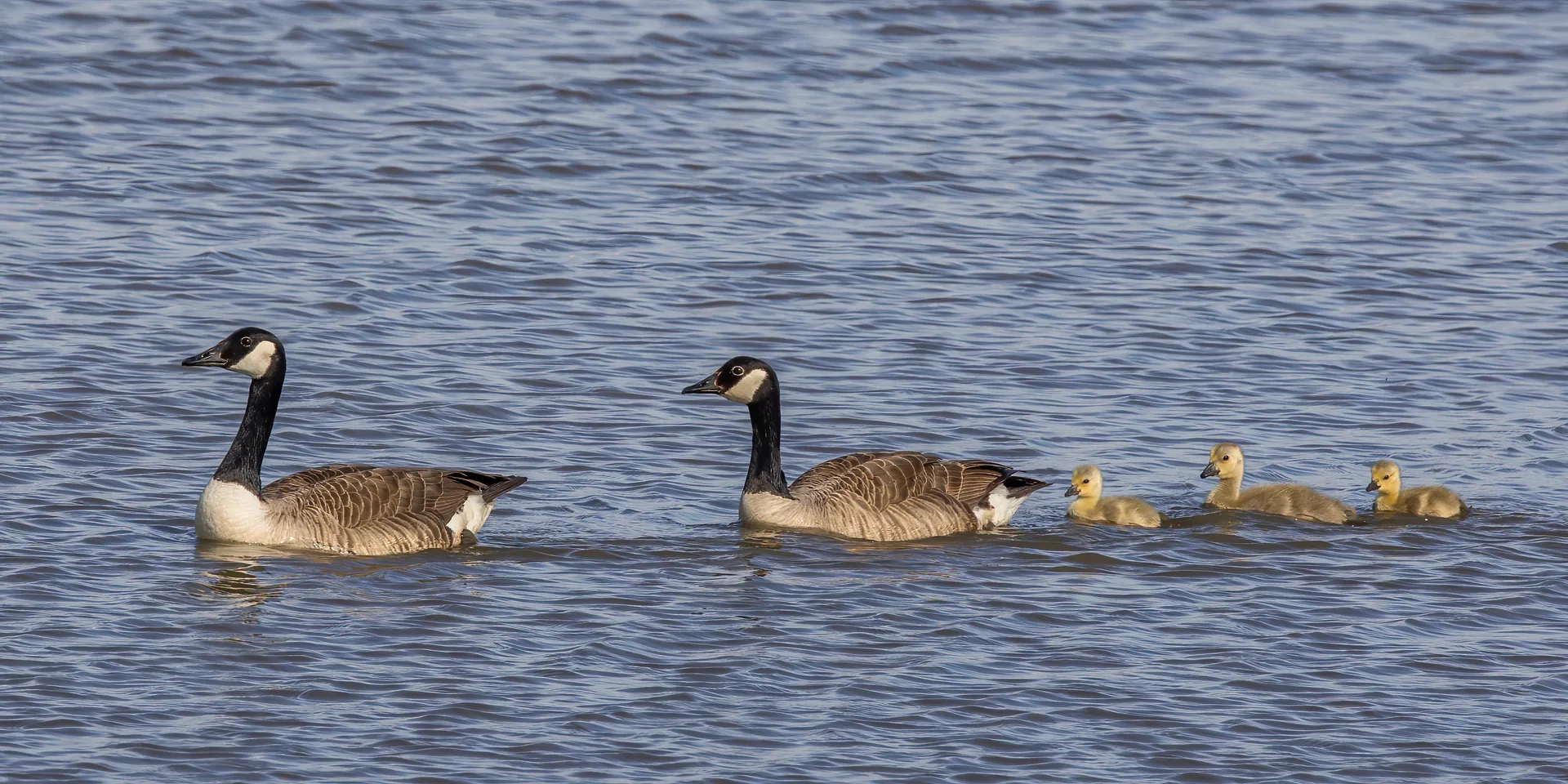
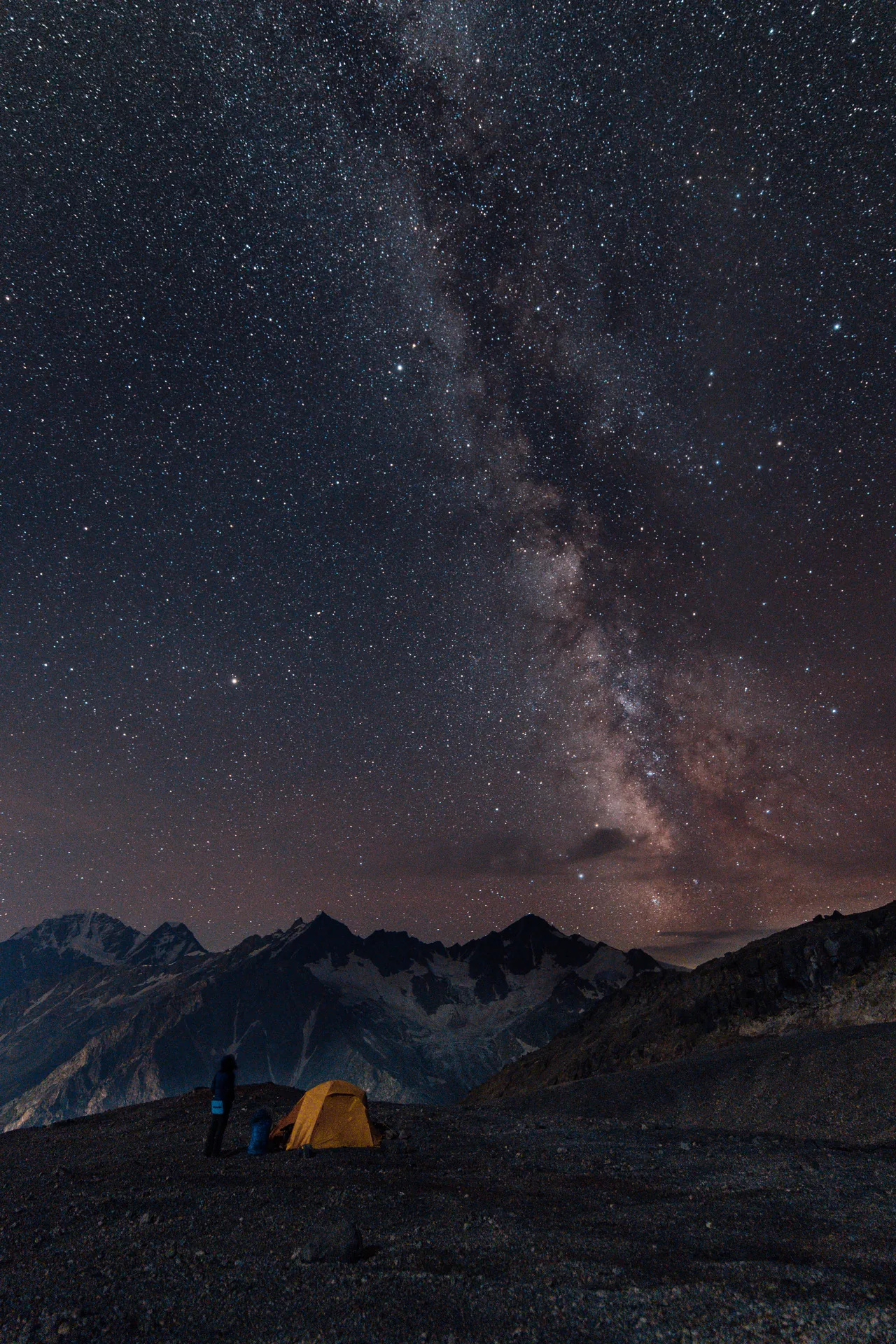
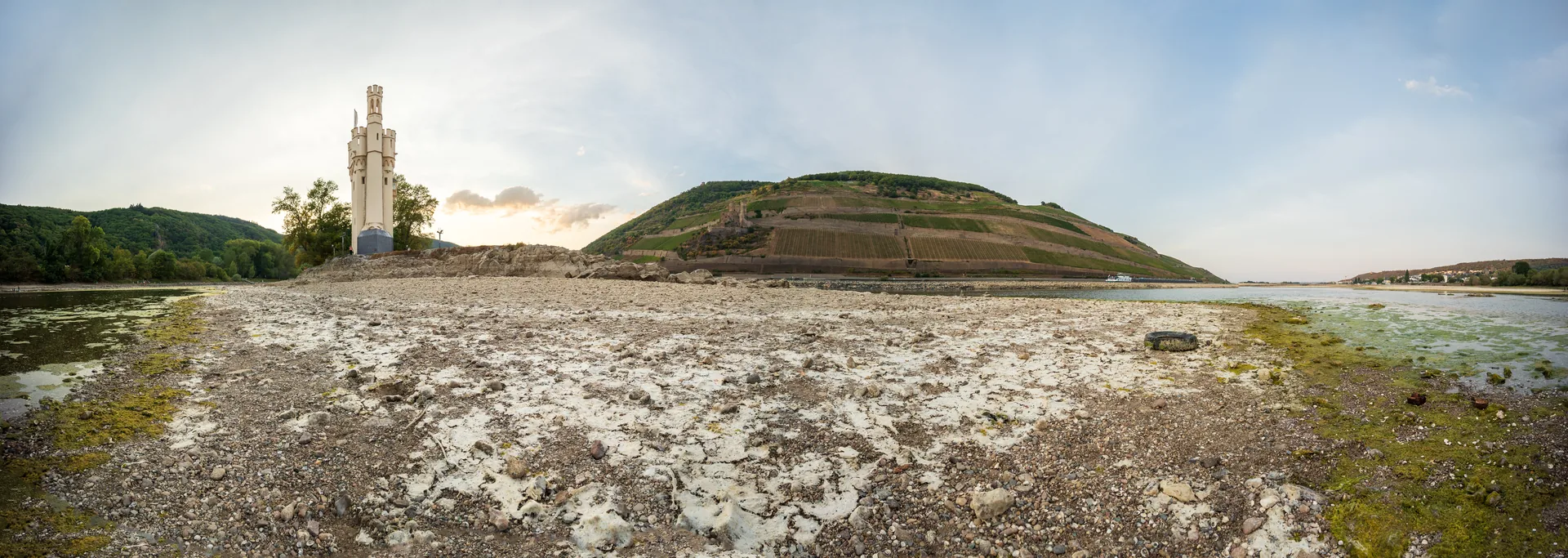
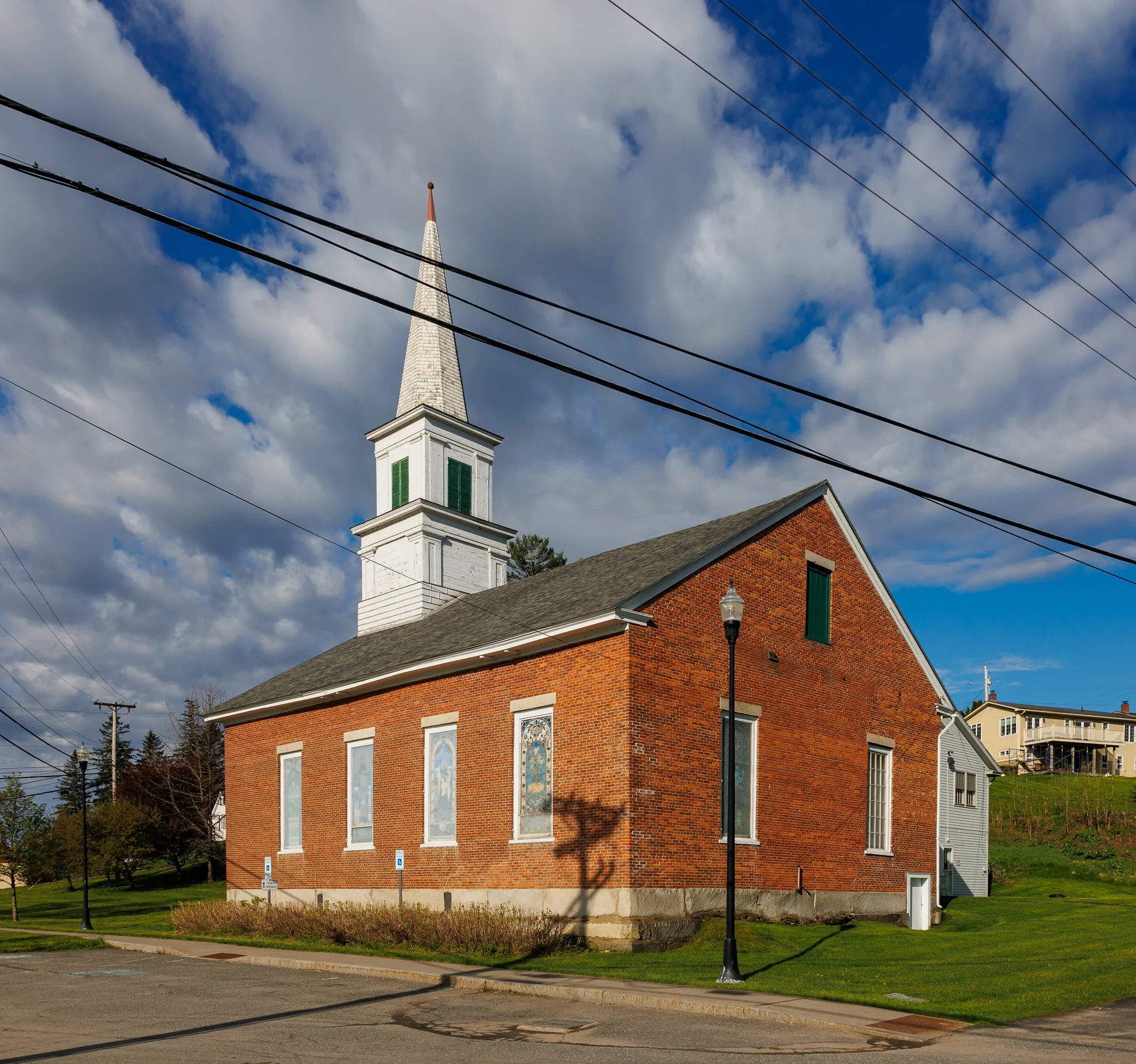
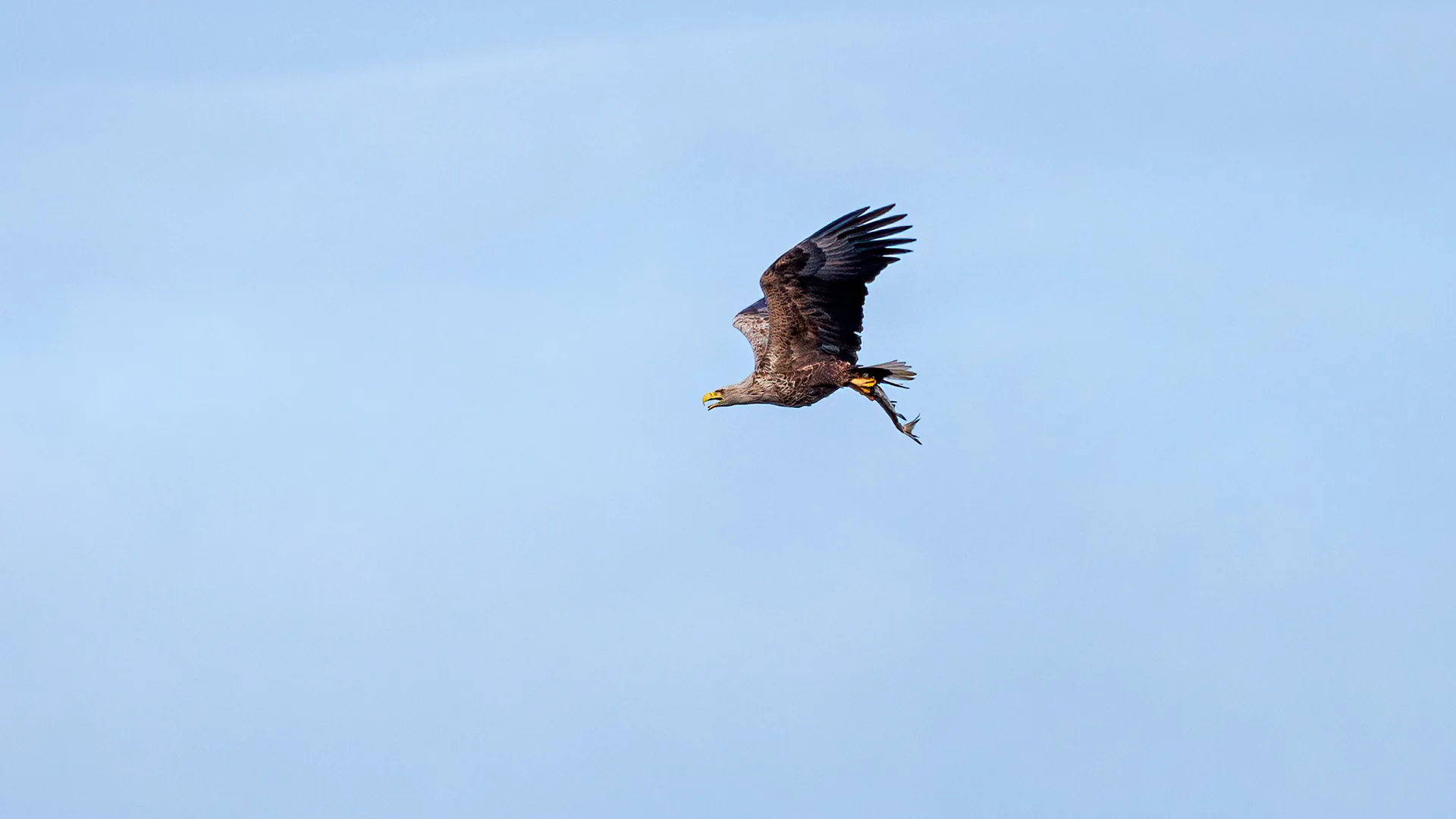
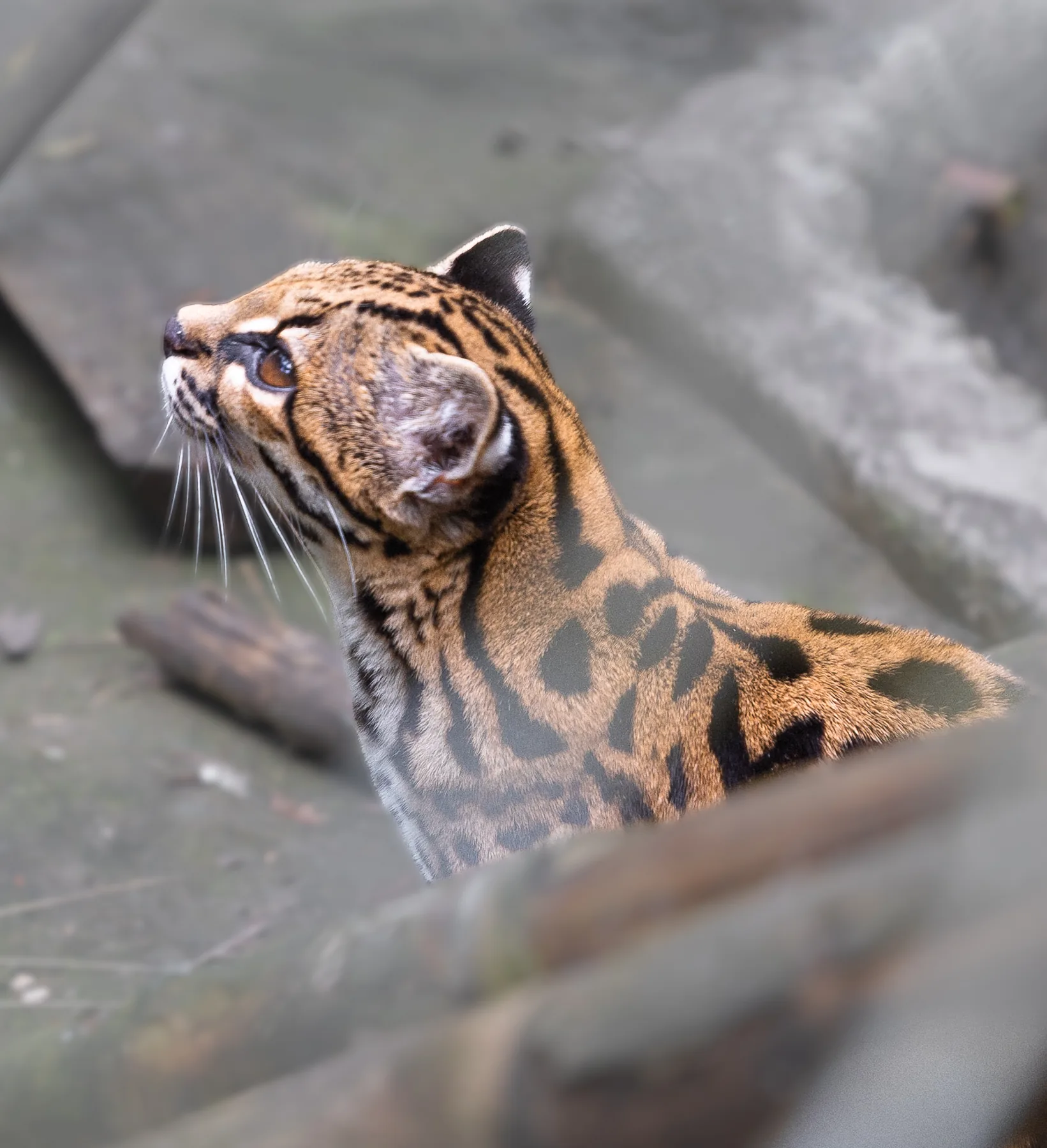
Our gallery comes from six photographers: Canada geese on an RF100-500, the Milky Way at ISO 5000, a 14mm river panorama, a Vermont church, a white-tailed eagle and a margay. Still worth it in 2026? Yes, used, if you shoot people, events or low light and 20MP is enough. If you crop heavily, look at the R6 Mark II.
The story
Canon announced the EOS R6 on July 9, 2020 at $2,499 body-only, $2,899 with the RF24-105mm F4-7.1 IS STM and $3,599 with the RF24-105mm F4 L IS USM (Canon U.S.A.).
The R6 Mark II replaced it in November 2022 at the same $2,499 body price, and the R6 Mark III followed in 2025.
Specifications
Key specs for the Canon EOS R6, from Canon U.S.A.'s July 9, 2020 announcement and Canon Europe's EOS R6 pages. Source for each row in brackets.
Sensor
20.1MP full-frame CMOS (35.9 × 23.9 mm), based on the EOS-1D X Mark III sensor [Canon]
Processor
DIGIC X [Canon]
ISO
100–102400; expandable to 204800 [Canon]
Autofocus
Dual Pixel CMOS AF II; about 100% coverage, 1,053 automatic AF zones; people, dogs, cats and birds [Canon]
Stabilization
5-axis in-body; up to 8 stops (CIPA, with coordinated RF lenses) [Canon]
Bursts
Up to 12 fps mechanical, 20 fps electronic (silent) [Canon]
Video
4K up to 59.94p and Full HD up to 119.88p internal; 10-bit 4:2:2 Canon Log / HDR PQ [Canon]
Recording times
4K/60p about 30 min from a cold start at 23°C; 4K/30p not limited by heat; 29 min 59 s per clip [Canon Europe]
Viewfinder
0.5-inch OLED, 3.69 million dots, up to 119.88 fps refresh [Canon]
Screen
3.0-inch vari-angle touchscreen, 1.62 million dots [Canon]
Card slots
Two SD (UHS-II) [Canon]
Wireless
2.4 GHz Wi-Fi and Bluetooth [Canon]
Battery
LP-E6NH; about 380 shots (viewfinder) / 510 (LCD) [Canon Europe]
Weight
About 680 g with battery and card; 598 g body only [Canon Europe]
Announced / price
Jul 9, 2020; $2,499 body-only [Canon]
Sample photos
Six photos taken with the Canon EOS R6 by six photographers, shared on Wikimedia Commons under Creative Commons licenses or in the public domain. Each caption names the lens. Select a photo to enlarge it.
500mm, f/10, ISO 800, 1/2000 s: a pair of Canada geese with goslings (RF100-500mm F4.5-7.1 L IS USM). Photo: Charles J. Sharp via Wikimedia Commons, CC BY-SA 4.0 (resized)16mm, f/2.8, ISO 5000, 20 s: the Milky Way in the Elbrus region (Tamron SP 15-30mm F/2.8 Di VC USD G2). Photo: oliwok via Wikimedia Commons, CC BY 4.0 (resized)
14mm, f/5.6, ISO 320, 1/320 s: a stitched panorama of the Rhine at low water by the Mäuseturm, Bingen (Samyang RF 14mm F2.8). Photo: Martin Kraft via Wikimedia Commons, CC BY-SA 4.0 (resized)24mm, f/8, ISO 100, 1/640 s: the Old Brick Church, East Montpelier, Vermont (EF24-105mm f/4L IS USM). Photo: Kenneth C. Zirkel via Wikimedia Commons, CC BY 4.0 (resized)
800mm, f/11, ISO 400, 1/800 s: a white-tailed eagle in flight, North Zealand, Denmark (RF800mm F11 IS STM, per the Commons file record). Photo: Stig Nygaard via Wikimedia Commons, CC BY 2.0 (resized)35mm, f/2.8, ISO 100, 1/125 s: a margay in captivity (EF16-35mm f/2.8L III USM). Photo: Alessandro Verniani via Wikimedia Commons, CC BY-SA 4.0 (resized)
Canon: Launched at $2,499 in 2020, body only.
Verdict
Still worth it in 2026? Yes, used, for people, events and low-light shooters who want strong eye-detection AF and 8-stop IBIS, and for whom 20MP is enough.
Choose the R6 Mark II if you crop heavily, shoot fast action or want longer battery life.