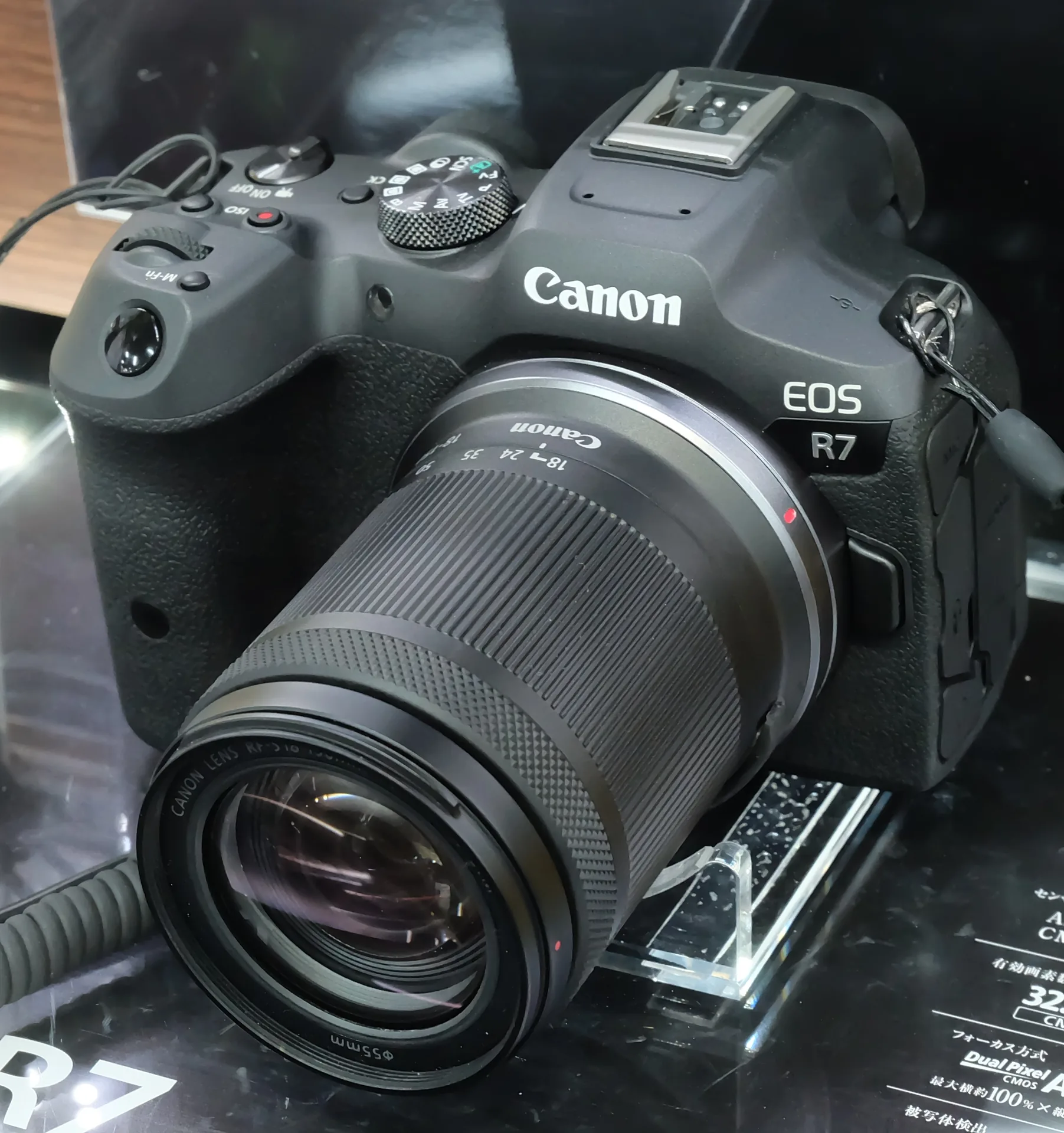
Canon EOS R7 with the RF-S18-150mm F3.5-6.3 IS STM kit lens (not included with the body). Photo: 昼落ち via Wikimedia Commons, CC BY-SA 4.0 (resized)
HIGHLIGHTS
The EOS R7 is Canon's camera for people who shoot things that move. Its 32.5-megapixel APS-C sensor and Dual Pixel CMOS AF II, which detects people, animals and vehicles, pair with 15 fps bursts on the mechanical shutter and 30 fps on the electronic one. The 1.6x crop makes any RF telephoto frame longer: the RF 100-400mm becomes a 640mm-equivalent birding lens.
It's also a well-rounded stills camera. Five-axis in-body stabilization is rated at up to 7 stops with the RF-S 18-150mm (up to 8 with some lenses), the mechanical shutter reaches 1/8000 s, and the body is weather-sealed, with two UHS-II card slots. Canon rates the battery for about 770 shots on the screen and 500 through the viewfinder. It weighs about 612 g with battery and card.
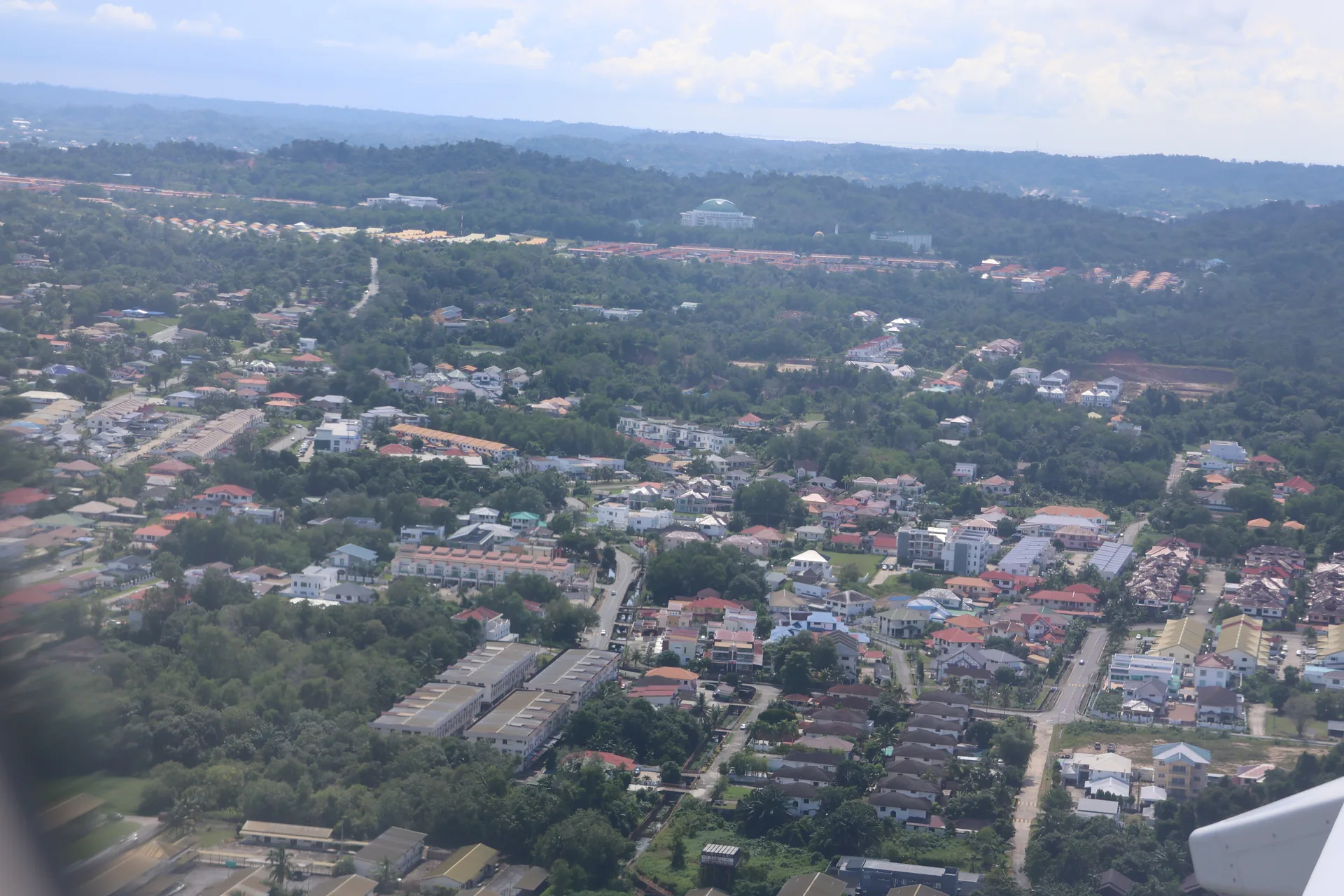
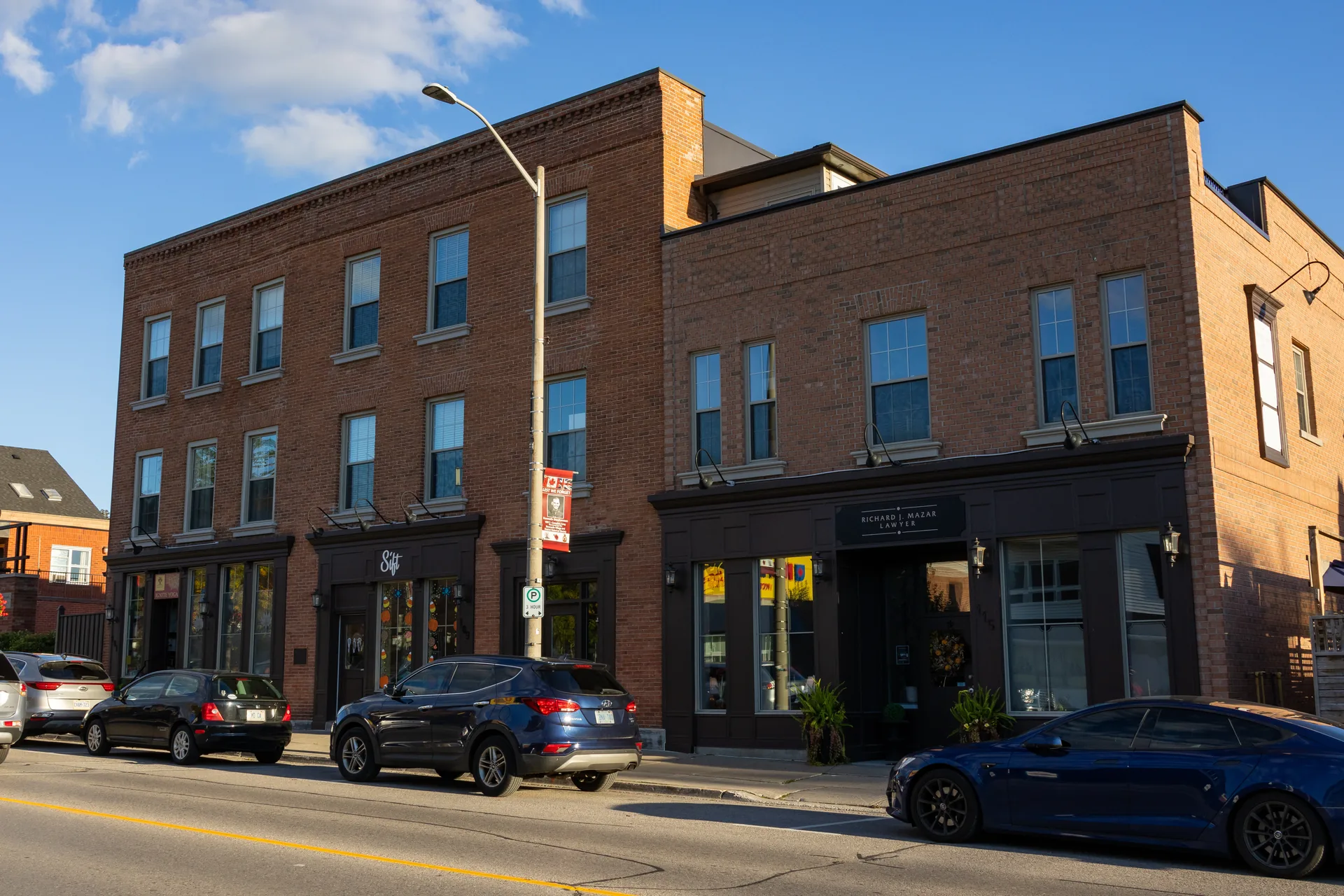
Our gallery comes from five photographers: a green salamander under an EF 100mm macro, a road above the Faroe Islands sea cliffs, an aerial view of Brunei and Ontario buildings on RF-S zooms. Digital Camera World called it the new king of APS-C mirrorless but found high-ISO detail weaker than rivals.
The story
Canon U.S.A. announced the EOS R7 and EOS R10 on May 24, 2022, as the first EOS R cameras with APS-C sensors. The R7 launched at $1,499.00 in 2022, body only, or $1,899.00 with the RF-S18-150mm kit lens (Canon U.S.A. release).
It sits above the beginner R10 and R50 in Canon's APS-C range, with a weather-sealed body, IBIS and dual card slots. Full frame starts with bodies like the R6 Mark III.
Specifications
Key verified specs for the Canon EOS R7, from Canon UK's specifications page and Canon U.S.A.'s May 24, 2022 release. Source for each row in brackets.
Canon RF (RF and RF-S; EF/EF-S via adapter); 1.6x crop [Canon]
ISO
100–32000; expandable to 51200 [Canon]
Autofocus
Dual Pixel CMOS AF II, 651 zones; detects people, animals (dogs, cats, birds) and vehicles; down to EV -5 [Canon]
Bursts
About 15 fps mechanical / electronic first curtain; about 30 fps electronic [Canon]
Shutter
Mechanical 1/8000–30 s; electronic to 1/16000 s; flash sync 1/250 s [Canon]
Stabilization
5-axis sensor-shift; up to 7 stops with RF-S18-150mm at 150mm, up to 8 with RF 24-105mm F4 L (CIPA) [Canon]
Video
4K UHD up to 59.94p; 4K Fine up to 29.97p oversampled from 7K; Full HD up to 119.9p; Canon Log 3, 10-bit 4:2:2 [Canon]
Viewfinder / screen
0.39-inch OLED EVF, 2.36 million dots, about 1.15x, up to 120 fps; 2.95-inch vari-angle touchscreen, about 1.62 million dots [Canon]
Card slots / build
Two SD (UHS-II); dust- and moisture-resistant (Canon says it cannot guarantee complete exclusion of dust and water) [Canon]
Ports / wireless
USB-C (USB 3.2 Gen 2), micro HDMI, 3.5mm mic and headphone, remote terminal; 2.4 GHz Wi-Fi, Bluetooth 4.2 [Canon]
Battery
LP-E6NH; about 770 shots (screen) / 500 (viewfinder), CIPA [Canon]
Size / weight
132.0 × 90.4 × 91.7 mm; about 612 g with battery and card, 530 g body only [Canon]
Announced / price
May 24, 2022; $1,499.00 body-only, $1,899.00 with RF-S18-150mm [Canon U.S.A.]
Sample photos
Six photos taken with the Canon EOS R7 by five photographers, shared on Wikimedia Commons under Creative Commons licenses. Each caption names the lens. Select a photo to enlarge it.
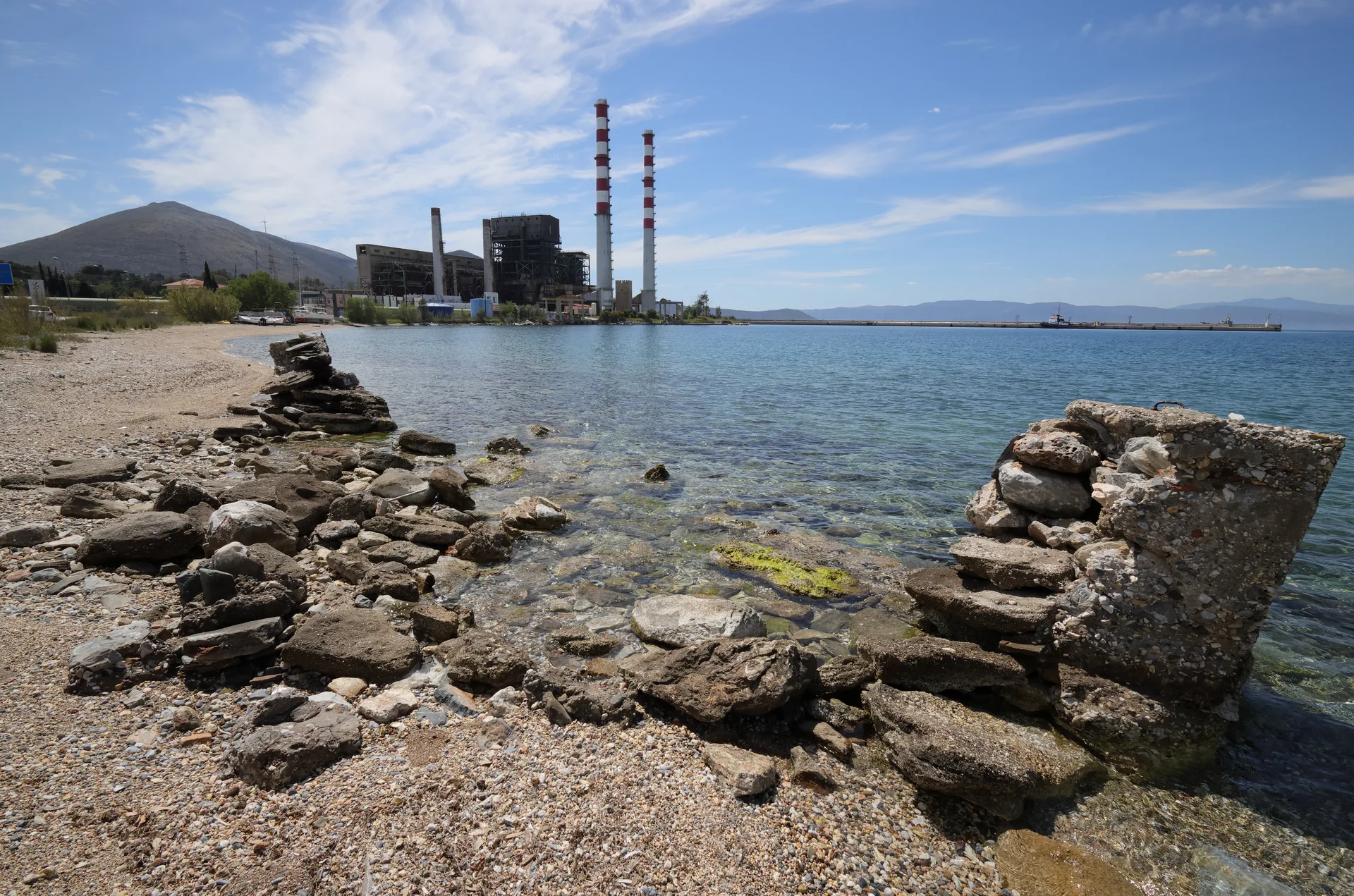
15mm, f/5.6, ISO 200, 1/400 s: 100 New Park Place, Vaughan Metropolitan Centre, Ontario (Canon RF-S10-18mm F4.5-6.3 IS STM). Photo: Dillan Payne via Wikimedia Commons, CC BY-SA 4.0 (resized)10mm, f/9, ISO 200, 1/500 s: the coast at Karavos, Aliveri, Greece (Sigma 10-18mm F2.8 DC DN | Contemporary). Photo: Ranssom via Wikimedia Commons, CC BY-SA 4.0 (resized)
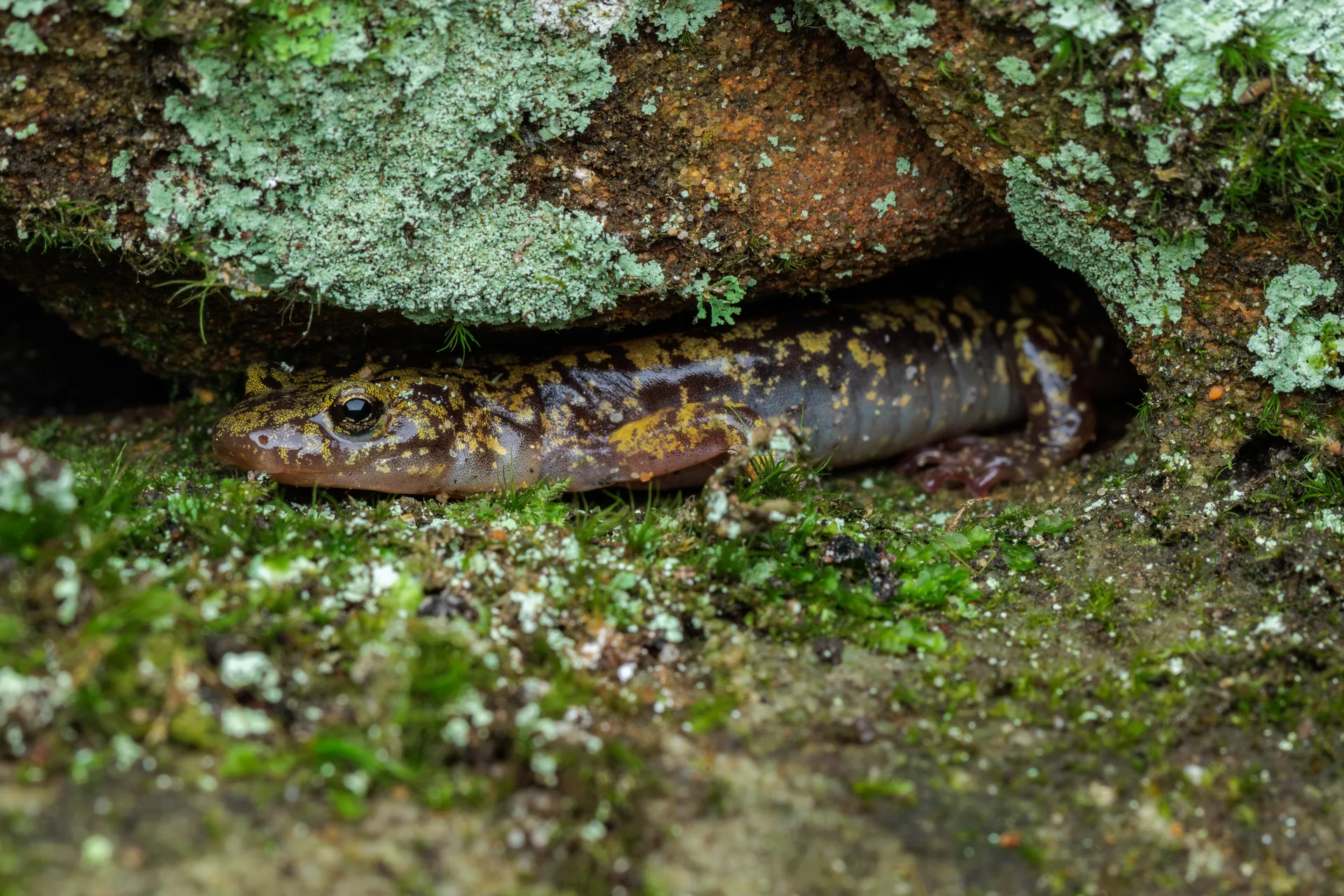
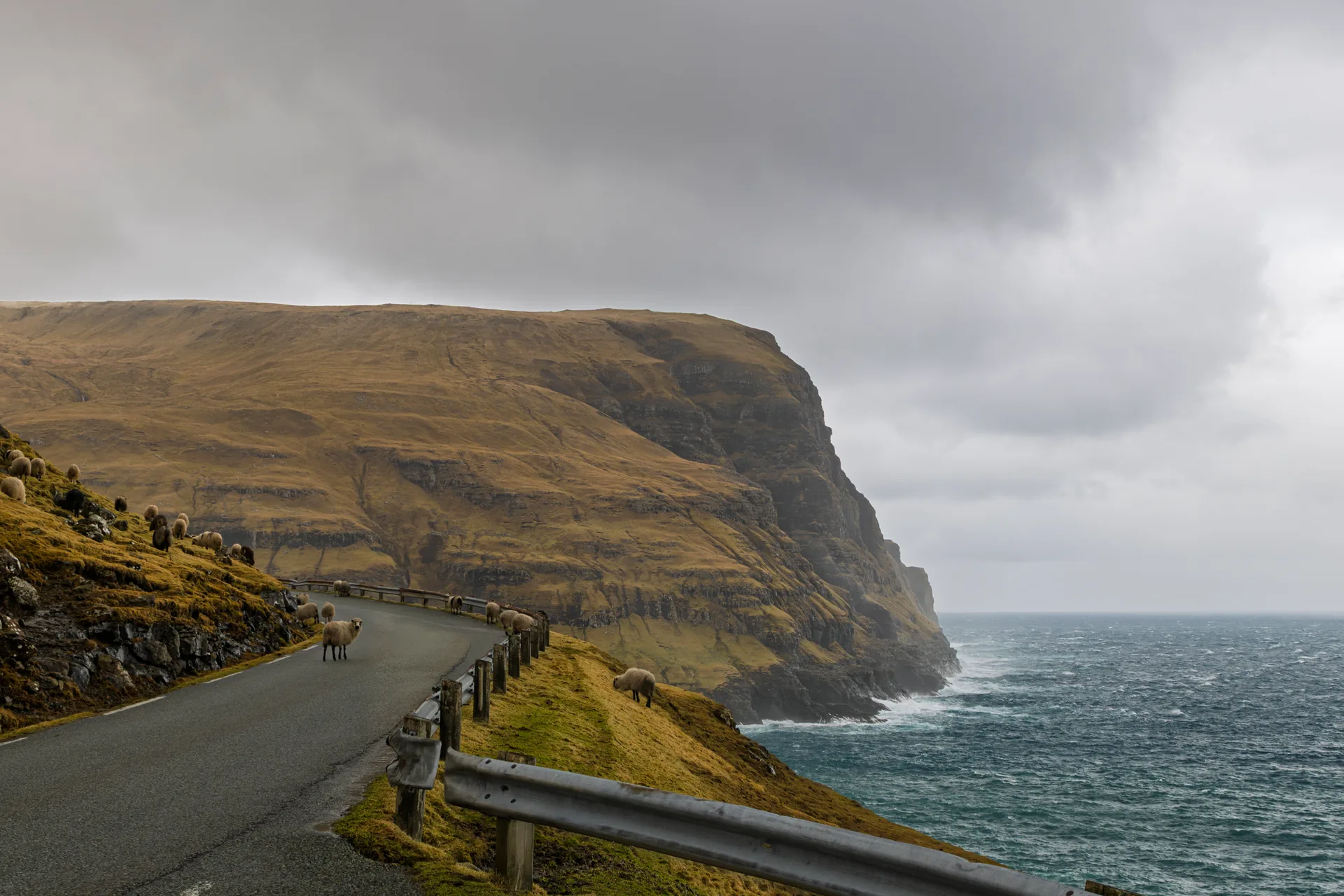
100mm, f/11, ISO 320, 1/320 s: a green salamander (Aneides aeneus) in a rock crevice (Canon EF100mm f/2.8L Macro IS USM, adapted). Photo: Rstanton13 via Wikimedia Commons, CC BY-SA 4.0 (resized)24mm, f/8, ISO 100, 1/15 s: on the road to Tjørnuvík, Faroe Islands (Tamron SP 24-70mm F/2.8 Di VC USD G2, adapted). Photo: th_norge via Wikimedia Commons, CC BY 4.0 (resized)
50mm, f/6.3, ISO 320, 1/1250 s: an aerial view of Brunei (Canon RF-S18-150mm F3.5-6.3 IS STM). Photo: Pangalau via Wikimedia Commons, CC BY-SA 4.0 (resized)24mm, f/8, ISO 200, 1/400 s: 101-115 King Ave W, Newcastle, Ontario (Canon RF-S18-150mm F3.5-6.3 IS STM). Photo: Dillan Payne via Wikimedia Commons, CC BY-SA 4.0 (resized)
Canon: Launched at $1,499.00 in 2022 (US, body only); $1,899.00 with the RF-S18-150mm.
Verdict
Buy it for wildlife, sport and action on APS-C. The speed, autofocus and stabilization are excellent, and the crop factor stretches every telephoto you own.
Choose the full-frame EOS R6 Mark III if you shoot a lot in low light.
Pros
15 fps mechanical, 30 fps electronic
Dual Pixel CMOS AF II with subject detection
IBIS up to 7 stops; weather-sealed
Two UHS-II card slots
Cons
High-ISO detail behind rivals (Digital Camera World)
Rolling shutter with the electronic shutter (PetaPixel)
APS-C: less background blur and low-light headroom than full frame