Nikon Z5II review: Z8-class EXPEED 7 brings Nikon’s entry full frame up to date
Nikon's 2025 entry route into full frame, the successor to the 2020 Z5. Launched at $1,699.95 (body only). Who it suits: stills shooters moving up from APS-C or a DSLR who want current Nikon autofocus without Z6III money.
October 23, 2026 · Camera · Review
Related on site: The camera it replaces: our Nikon Z5 review. A faster partially stacked sensor: our Nikon Z6III review. The same sensor class in a retro body: our Nikon Z f review.
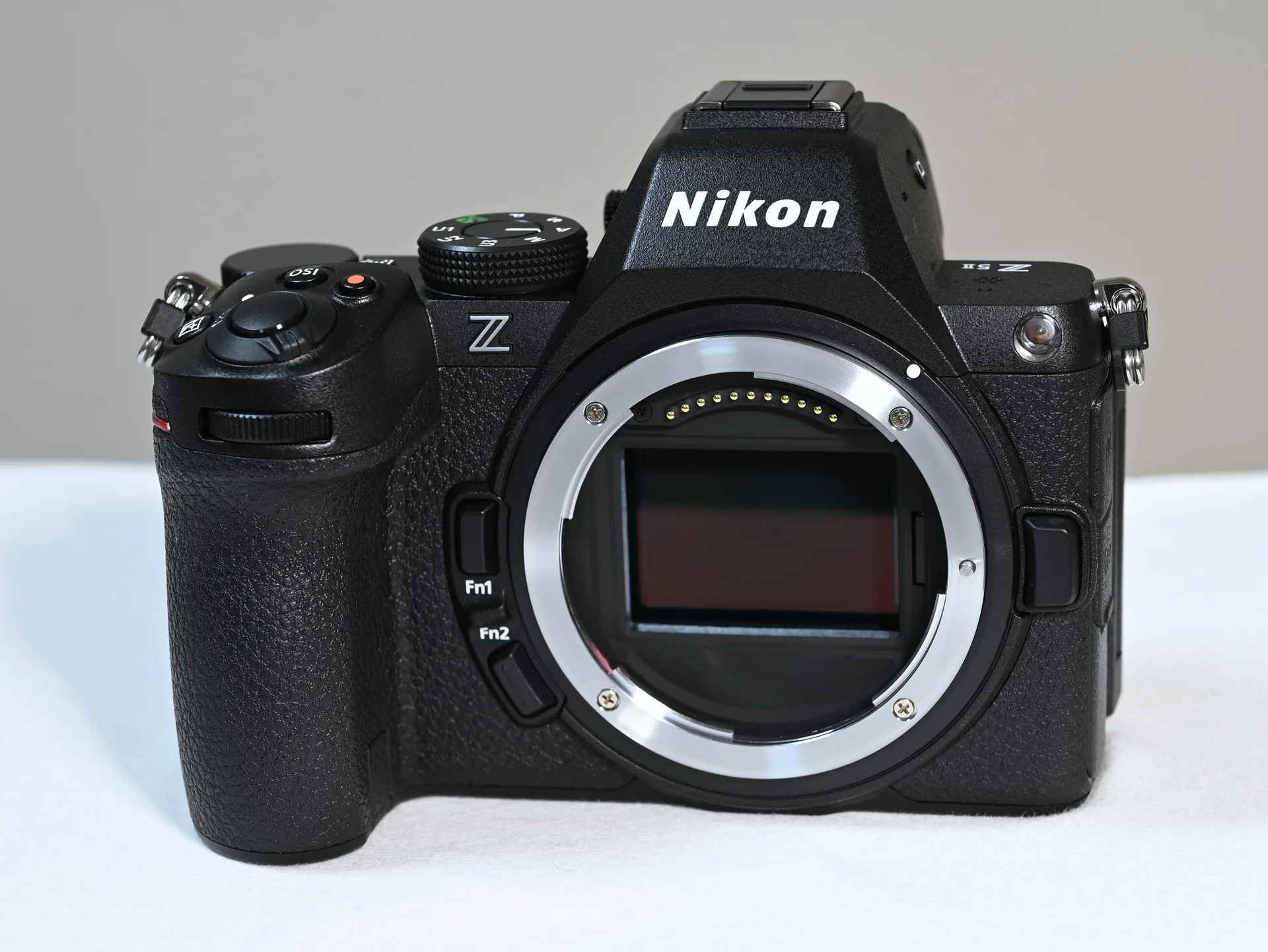
Nikon Z5II body, front, with no lens attached. Photo: TTTNIS via Wikimedia Commons, CC0 (resized)
HIGHLIGHTS
Why it exists. Nikon Inc.'s release quotes Fumiko Kawabata, Sr. Vice President of Marketing and Planning: "The benefits of the Z5II go far beyond its attainable price and small size, offering users the benefits of our most advanced EXPEED 7 processing engine, a proven full-frame sensor along with unexpected pro-level features and performance." She adds: "This is the camera many people have been waiting for in order to make the move to mirrorless, since nothing comes close to matching the value of features and performance in its class." Nikon calls it "an entirely new generation of intermediate-level camera".
Nikon launched the Z5II in April 2025 at $1,699.95 body-only. It replaces the 2020 Z5 as Nikon's entry route into full frame, but it is a big step up rather than a refresh. It gets the Z8/Z9's EXPEED 7 engine with nine-type subject detection, a back-illuminated 24.5MP sensor that focuses down to −10 EV, 7.5 stops of in-body VR, a 3000-nit OLED finder, dual UHS-II SD slots, and 12-bit N-RAW video internally. A dedicated Picture Control button gives access to Flexible Color Picture Controls and downloadable Imaging Recipes.
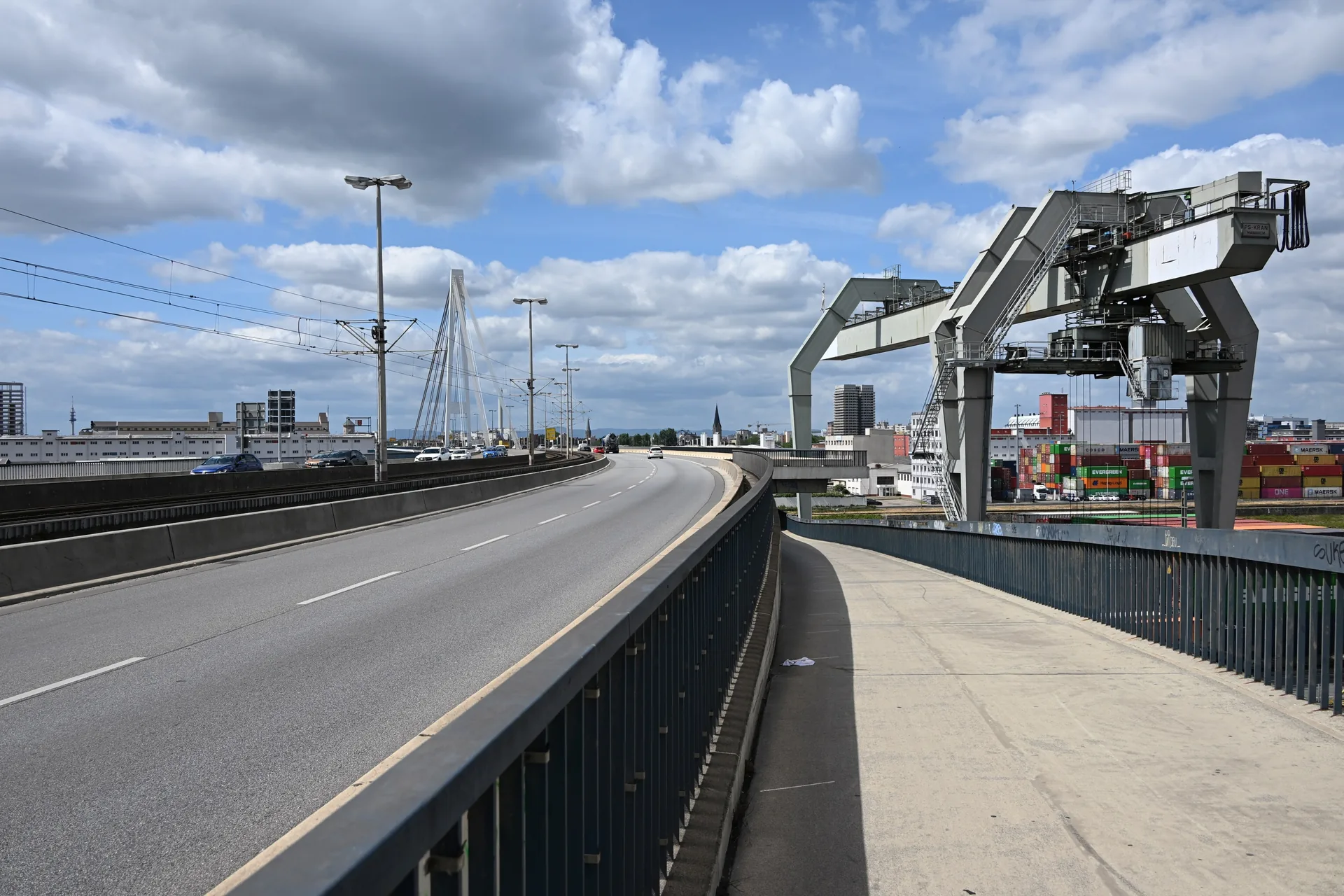
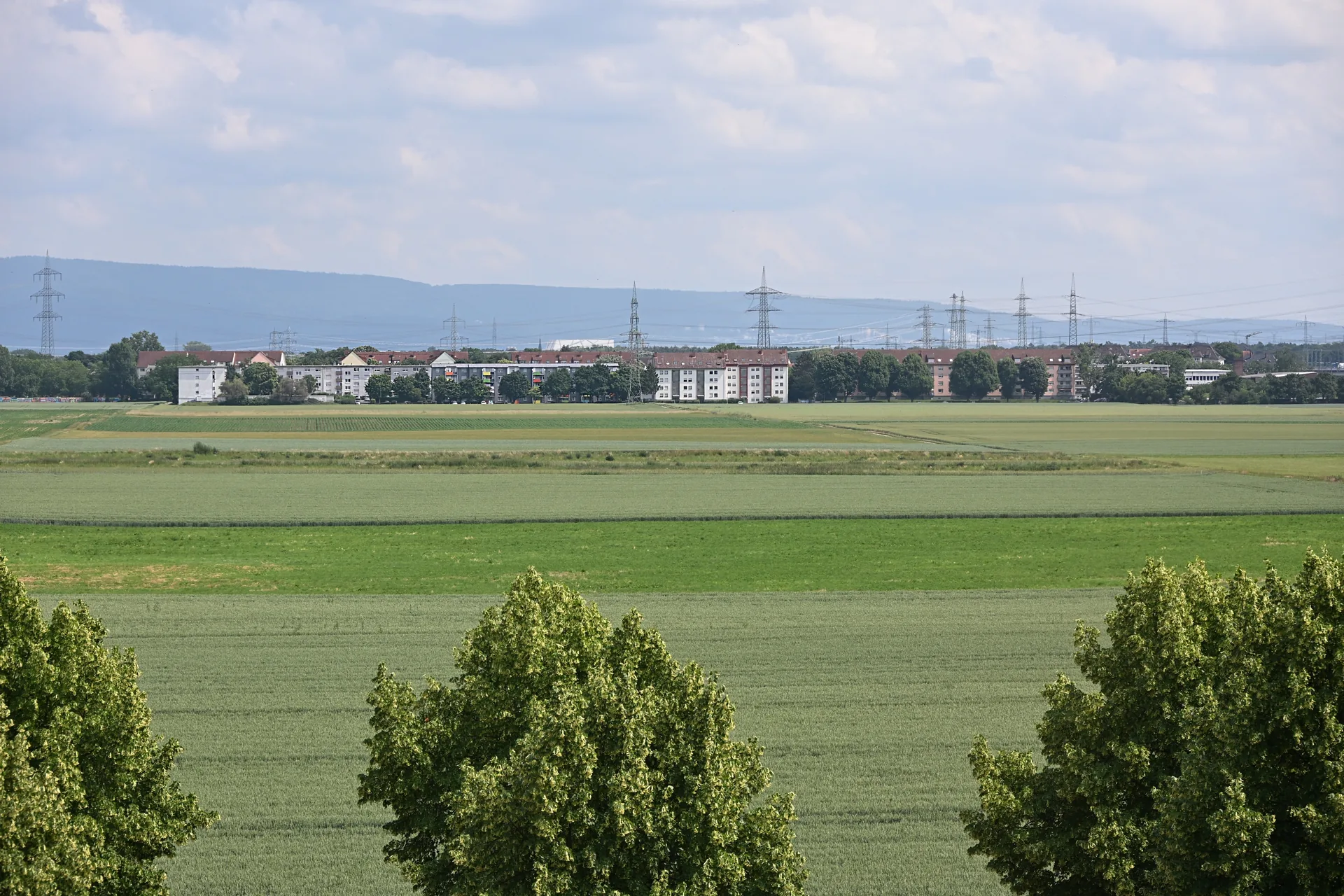
The caveats: the 30 fps mode is JPEG-only and electronic shutter, and mechanical bursts top out around 7.8 fps. Our gallery comes from three photographers: heather, a dry-stone wall and the Captain Cook Monument at dusk near Gribdale Gate (North Yorkshire); a Mannheim bridge and fields; and a 1970 Suzuki Jimny engine bay. Who should buy it? Stills shooters moving up from APS-C or a DSLR. For a faster partially stacked sensor, read our Z6III review; for the same sensor class in a retro body, our Z f review.
The story
Nikon Inc. announced the Z5II on April 3, 2025, from Melville, N.Y., at a suggested retail price of $1,699.95 for the body, $1,999.95 with the NIKKOR Z 24-50mm f/4-6.3 and $2,499.95 with the NIKKOR Z 24-200mm f/4-6.3 VR, available from April 2025 (Nikon Inc.).
Nikon Corporation's global release says the Z5II uses the same EXPEED 7 engine as the Z9 and Z8, focuses in "approximately one third" of the time the Z5 needs, and pairs it with a back-illuminated CMOS sensor for low light (Nikon Corporation).
Nikon's online manual lists the full figures, including the ISO ranges, the 273/299-point AF, the burst modes and the movie formats (Nikon specifications). Nikon has not published a CIPA shots-per-charge figure in the sources we used, so we leave it out rather than guess.
Specifications
Key specs for the Nikon Z5II, from Nikon's Z5II online manual, Nikon Corporation's global release and Nikon Inc.'s April 3, 2025 release. Source for each row in brackets.
Sensor
24.5MP FX back-illuminated CMOS (35.9 × 23.9 mm; 25.28M total pixels); EXPEED 7 [Nikon manual, Nikon global release]
ISO (stills)
100–64000; Lo to ISO 50 equiv., Hi to ISO 204800 equiv. [Nikon manual]
ISO (movies, mode M)
100–51200; Hi to ISO 204800 equiv. [Nikon manual]
Autofocus
273 focus points (single-point AF), 299 (auto-area AF); detection range −10 to +19 EV [Nikon manual]
Stabilization
In-body VR, 7.5 stops at the center, 6.0 stops at the periphery (CIPA 2024) [Nikon global release]
Approx. 134 × 100.5 × 72 mm; approx. 700 g with battery and card (620 g body only) [Nikon manual]
Announced / price
Apr 3, 2025; $1,699.95 SRP body-only, $1,999.95 with NIKKOR Z 24-50mm f/4-6.3, $2,499.95 with NIKKOR Z 24-200mm f/4-6.3 VR (US) [Nikon Inc.]
Sample photos
Six photos taken with the Nikon Z5II by three photographers, shared on Wikimedia Commons under Creative Commons licenses. Each caption gives the lens the file records. Select a photo to enlarge it. More samples from Wikimedia Commons
Heather and a gate near Gribdale Gate, North Yorkshire, in the evening (NIKKOR Z 24-200mm f/4-6.3 VR). Photo: Chris Combe via Wikimedia Commons, CC BY 4.0 (resized)An evening view past a dry-stone wall near Gribdale Gate (NIKKOR Z 24-200mm f/4-6.3 VR). Photo: Chris Combe via Wikimedia Commons, CC BY 4.0 (resized)
Forest and the Captain Cook Monument in the last light (NIKKOR Z 24-200mm f/4-6.3 VR). Photo: Chris Combe via Wikimedia Commons, CC BY 4.0 (resized)The Kurt-Schumacher-Brücke in Mannheim, looking toward Ludwigshafen (NIKKOR Z 24-200mm f/4-6.3 VR). Photo: Hubert Berberich (HubiB) via Wikimedia Commons, CC BY 4.0 (resized)
Fields of the Kloppenheimer Feld toward Mannheim-Hochstätt, from the SAP Arena (NIKKOR Z 24-200mm f/4-6.3 VR). Photo: Hubert Berberich (HubiB) via Wikimedia Commons, CC BY 4.0 (resized)The engine bay of a 1970 Suzuki Jimny (lens not recorded). Photo: TTTNIS via Wikimedia Commons, CC0 (resized)
Nikon: Launched at $1,699.95 in 2025 (US, body only); $1,999.95 with the NIKKOR Z 24-50mm f/4-6.3, $2,499.95 with the NIKKOR Z 24-200mm f/4-6.3 VR.
Verdict
Who it's for: stills shooters moving up from APS-C or a DSLR who want EXPEED 7 subject detection, strong stabilization and dual SD slots in a full-frame body.
Need faster readout and a 5.76M-dot finder? See our Nikon Z6III review.
Pros
Back-illuminated 24.5MP FX sensor with EXPEED 7 and nine-type subject detection
AF down to −10 EV; 7.5-stop in-body VR
3,690k-dot OLED finder up to 3000 cd/m²
Dual UHS-II SD slots; internal 12-bit N-RAW video
Cons
30 fps (C30) is JPEG only, with the electronic shutter