f/7.1, ISO 200, 1/800 s: the Tagus and Toledo after snowfall, taken with the a6100 and E PZ 16-50mm kit lens (a sample photo; we found no free a6100 product photo). Photo: Antonio Soler via Wikimedia Commons, CC BY 2.0 (resized)
HIGHLIGHTS
Sony announced the a6100 on August 28, 2019 as the entry body in its APS-C line, at $750 for the body. It uses a 24.2MP APS-C Exmor CMOS sensor with BIONZ X, and Fast Hybrid AF with 425 phase-detection and 425 contrast-detection points. Real-time Tracking and Real-time Eye AF for people and animals make it easy to get sharp frames of kids, pets and travel moments, and bursts reach 11 fps (Hi+).
The touchscreen tilts up about 180° for selfies and vlogging and down about 74°, and there's a mic input (no headphone jack). Sony's spec sheet lists no in-body stabilization, so use stabilized lenses. The 0.39-type finder has 1.44M dots, there's one UHS-I SD slot, and video has no picture profiles or S-Log, which is fine for family 4K but limits colour grading. 4K/30p comes from a full pixel readout, with about 2.4x oversampling at 24p. The NP-FW50 is rated for about 380 shots with the viewfinder or 420 with the LCD (CIPA).
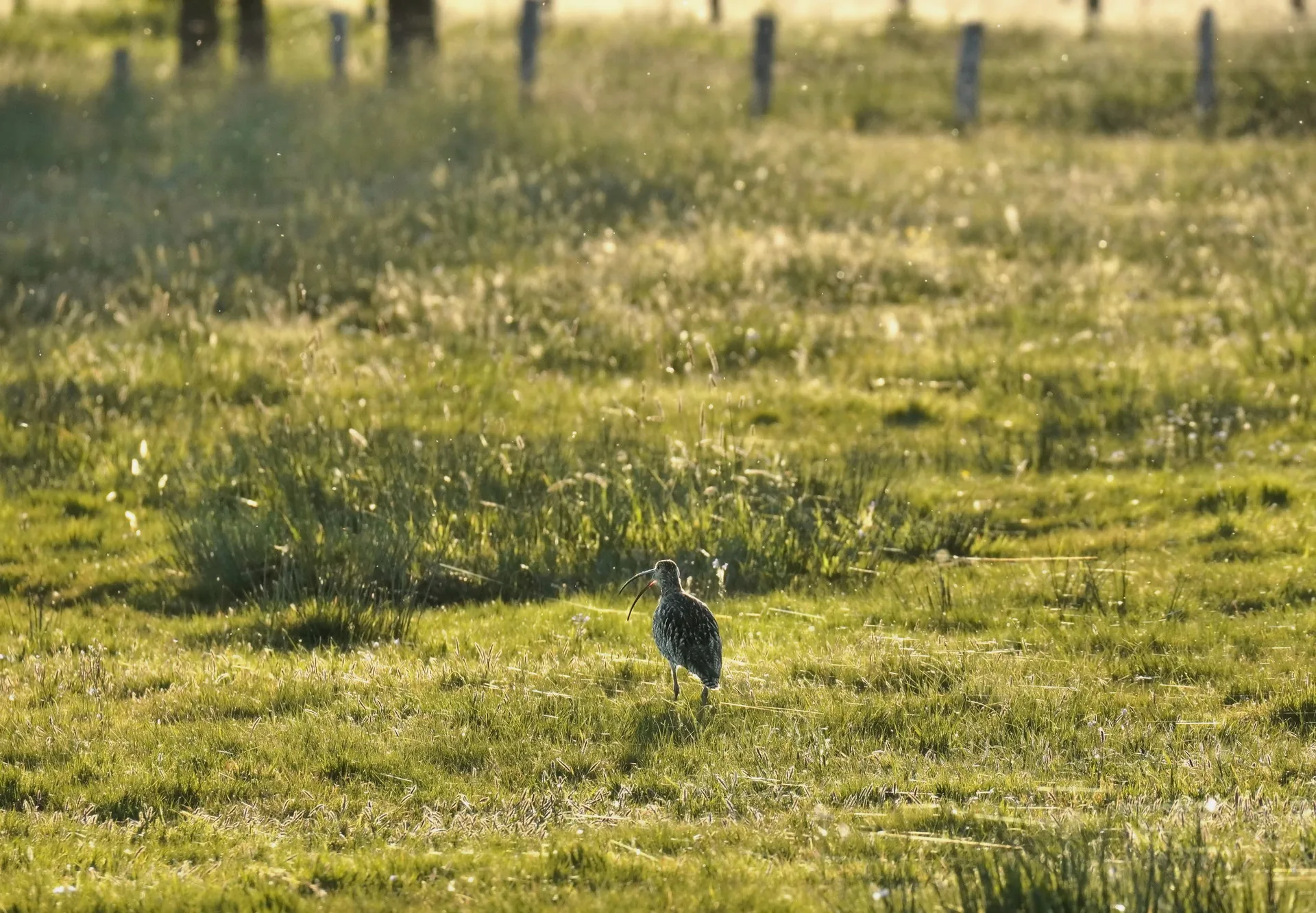
Our gallery comes from six photographers: the Kanzanji ropeway over Lake Hamana, a black-and-white Rhine bank on the E 10-18mm, Toledo above the Tagus after snowfall (shown at the top), a Shanghai Metro train in an underground station, a tree-lined tram avenue in Kraków and a bird on the Dingdener Heide heath on the E 70-350 G. Still worth it in 2026? Yes, as a light first camera for stills. For a sharper finder and S-Log video, look at the a6400.
The story
Sony Electronics announced the a6100 on August 28, 2019, available in October at $750 for the body, $850 with the 16-50mm kit lens and $1,100 with the 16-50mm and 55-210mm lenses (Sony Electronics).
Sony said the a6100 brought Real-time Tracking and Real-time Eye AF from its full-frame line to its entry APS-C body.
Specifications
Key specs for the Sony a6100, from Sony USA's ILCE-6100 specifications page and Sony Electronics' August 28, 2019 release. Source for each row in brackets.
3.0-type touchscreen, 921,600 dots; tilts up about 180°, down about 74° [Sony]
Video
4K (3840 × 2160) at 30p/24p, 100/60 Mbps XAVC S; Full HD up to 120p; no picture profiles [Sony]
Card / ports
One SD (UHS-I) / Memory Stick Duo slot; mic input, no headphone jack; Wi-Fi, Bluetooth 4.1, NFC [Sony]
Battery (CIPA)
NP-FW50; about 380 shots (viewfinder) / 420 (LCD) [Sony]
Size / weight
120.0 × 66.9 × 59.4 mm; about 396 g with battery and card [Sony]
Announced / price
Aug 28, 2019; $750 body-only, $850 with 16-50mm (US) [Sony Electronics]
Sample photos
Six photos (including the one at the top of this page) taken with the Sony a6100 by six photographers, shared on Wikimedia Commons under Creative Commons licenses or in the public domain. Each caption gives the settings the file records. Select a photo to enlarge it. More samples from Sony
f/6.3, ISO 100, 1/320 s: the Kanzanji ropeway over Lake Hamana, Japan (E 55-210mm F4.5-6.3 OSS). Photo: ふせごげ via Wikimedia Commons, CC BY-SA 4.0 (resized)f/10, ISO 100, 0.8 s: the Rhine bank, black and white as published (E 10-18mm F4 OSS). Photo: Transformer18 via Wikimedia Commons, CC BY 2.0 (resized)
f/5, ISO 5000, 1/100 s: a Shanghai Metro train at Hangtou station (E PZ 16-50mm). Photo: DCInfo via Wikimedia Commons, CC BY-SA 4.0 (resized)f/7.1, ISO 100, 1/125 s: Aleja 3 Maja, Kraków (E PZ 16-50mm F3.5-5.6 OSS). Photo: Mach240390 via Wikimedia Commons, CC BY 4.0 (resized)
f/9, ISO 1250, 1/1000 s: a bird on the Dingdener Heide heath, Germany (E 70-350mm F4.5-6.3 G OSS). Photo: Börste via Wikimedia Commons, CC BY-SA 4.0 (resized)
Sony: Launched at $750 in 2019 (US, body only); $850 with the 16-50mm kit lens.
Verdict
Still worth it in 2026? Yes, as a light first interchangeable-lens camera for family, travel and learning, thanks to Real-time Eye AF and 11 fps bursts.
Choose the a6400 instead if you want a sharper finder, picture profiles with S-Log and a deeper buffer.
Pros
Real-time Tracking and Eye AF (people and animals)