

Home / Compare / Canon R6 Mark III vs a7 V
Canon R6 Mark III vs Sony a7 V: which to buy?
The two mainstream full-frame hybrids of 2026. The R6 Mark III leads on bursts, stabilization and video (7K raw, open gate); the a7 V answers with a faster partially stacked sensor, a bigger multi-angle screen, Wi-Fi 6E and better battery life.
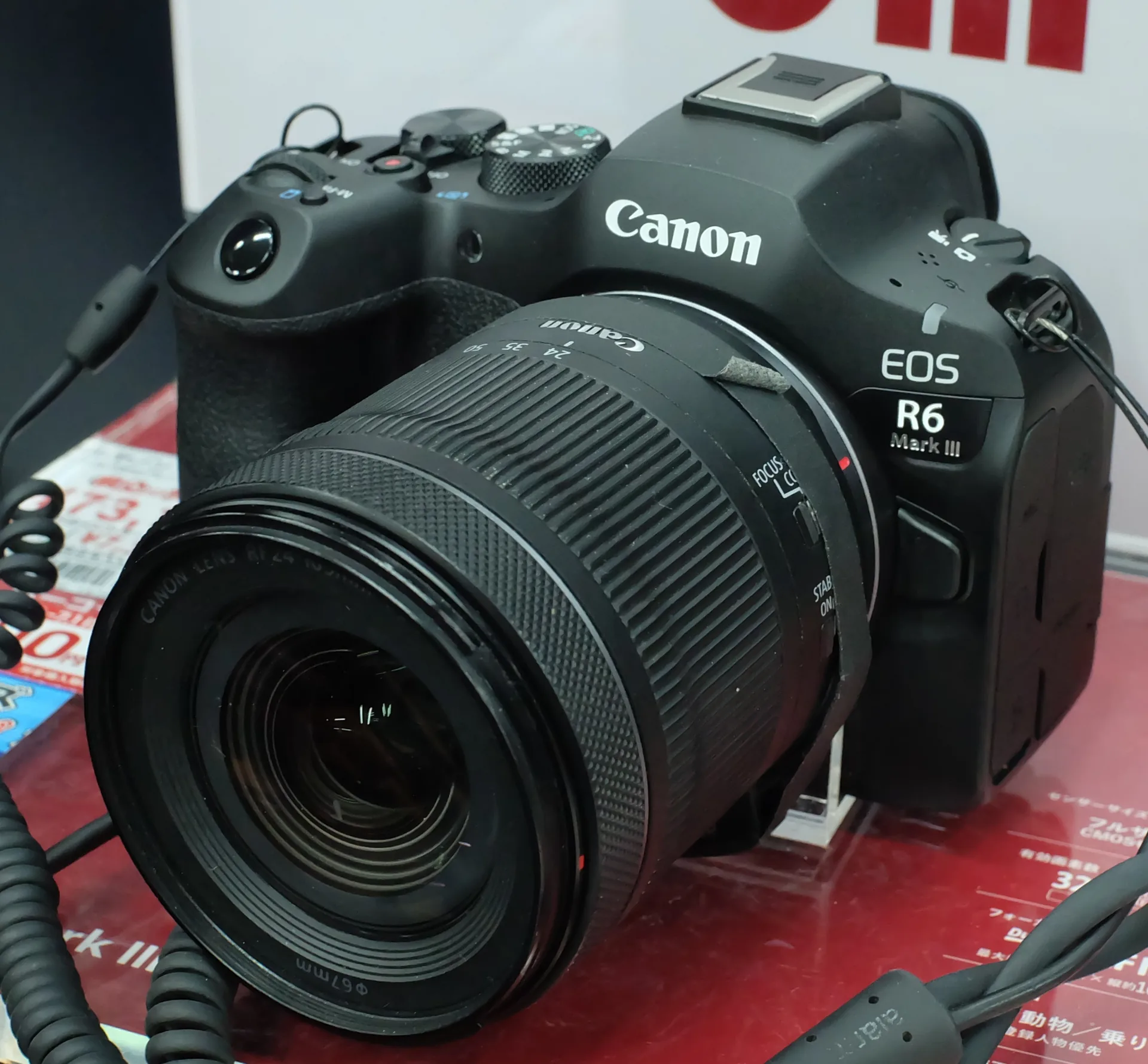

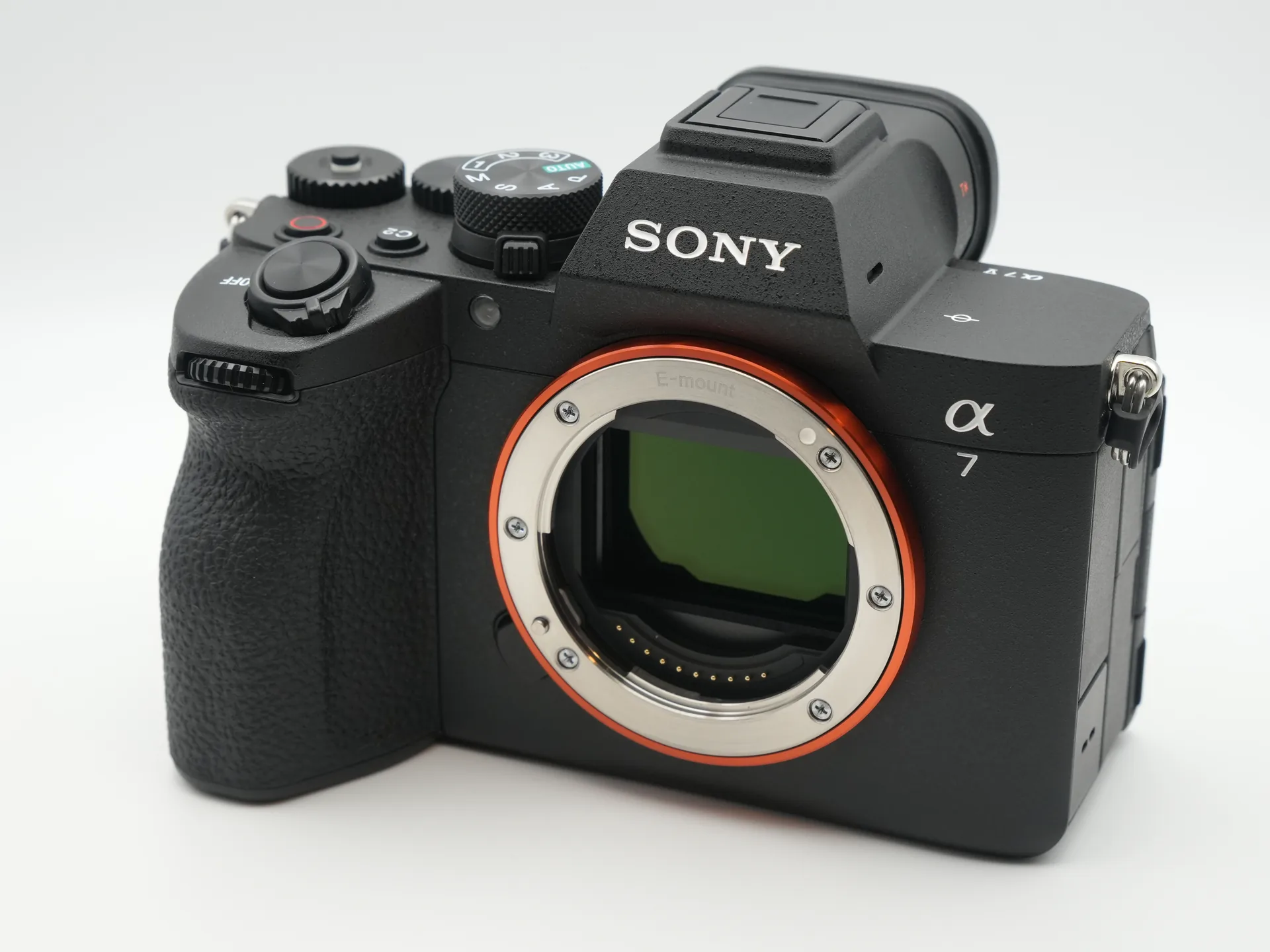

Side-by-side specs
| Canon EOS R6 Mark III | Sony a7 V | |
|---|---|---|
| Sensor | 32.5MP full-frame CMOS (35.9 × 23.9 mm) | 33.0MP full-frame partially stacked Exmor RS CMOS; 7008 × 4672 |
| Processor | DIGIC X | BIONZ XR2 with AI processing unit |
| Autofocus | Dual Pixel CMOS AF II; EV -6.5 to 21; people, animals, vehicles; Register People Priority | 759 phase-detection points (about 94% of frame); EV -4 to 20; human, animal, bird, insect, car, train, airplane |
| ISO | 100–64000 (50–102400 expanded) | 100–51200 (50–204800 expanded, stills) |
| Stabilization | In-body, up to 8.5 stops center / 7.5 periphery | 5-axis in-body, up to 7.5 stops center / 6.5 periphery (CIPA) |
| Burst | Up to 40 fps electronic, 12 fps mechanical; pre-continuous up to 20 frames | Up to 30 fps blackout-free with AF/AE tracking (electronic), 14-bit RAW; Pre-Capture up to 1 s |
| Fastest shutter | 1/16000 s (electronic) | 1/16000 s (electronic) |
| Video | 7K raw up to 59.94p internal; 7K open gate; 4K up to 119.88p; Canon Log 2 / Log 3 | 4K up to 60p oversampled from 7K; 4K 120p in Super 35; 10-bit 4:2:2; S-Log3; no raw or open gate |
| Heat | No fan; PetaPixel saw 4K/60 Fine stop after 28 min, open gate after 34 | Sony: about 90 min of continuous 4K/60 (4:2:0 8-bit) |
| Viewfinder | 3.69M dots, about 0.76x | OLED, 3.69M dots, 0.78x |
| Screen | 3.0-inch vari-angle touchscreen, about 1.62M dots | 3.2-type 4-axis multi-angle touchscreen, 2.1M dots |
| Card slots | CFexpress Type B + SD (UHS-II) | CFexpress Type A / SD (UHS-II) + SD (UHS-II) |
| Ports | USB-C (USB 3.2 Gen 2); full-size HDMI; mic and headphone jacks | Two USB-C (one 10 Gbps); full-size HDMI; mic and headphone jacks |
| Wireless | Wi-Fi 802.11ac (2.4/5 GHz), Bluetooth 5.1 | Wi-Fi 6E (2.4/5/6 GHz), Bluetooth 5.3 |
| Battery (CIPA) | LP-E6P; about 620 shots (LCD) / 390 (viewfinder) | NP-FZ100; about 750 shots (LCD) / 630 (viewfinder) |
| Weight | About 699 g with battery and card | 695 g with battery and card |
| Weather resistance | Magnesium alloy; dust- and water-resistant | Sealed seams and battery cover; Sony: dustproof and drip-proof, not fully |
| Launch price | Nov 6, 2025; $2,799 body-only (US) | Dec 2, 2025; $2,899 body-only (US) |
Specs from Canon Europe's EOS R6 Mark III specifications and Sony's ILCE-7M5 specifications, cross-checked against our R6 Mark III and a7 V guides; heat figures from PetaPixel and Sony; US launch prices from Canon U.S.A. and Sony. ✓ = advantage; blank = tie or not directly comparable.
Sample photos
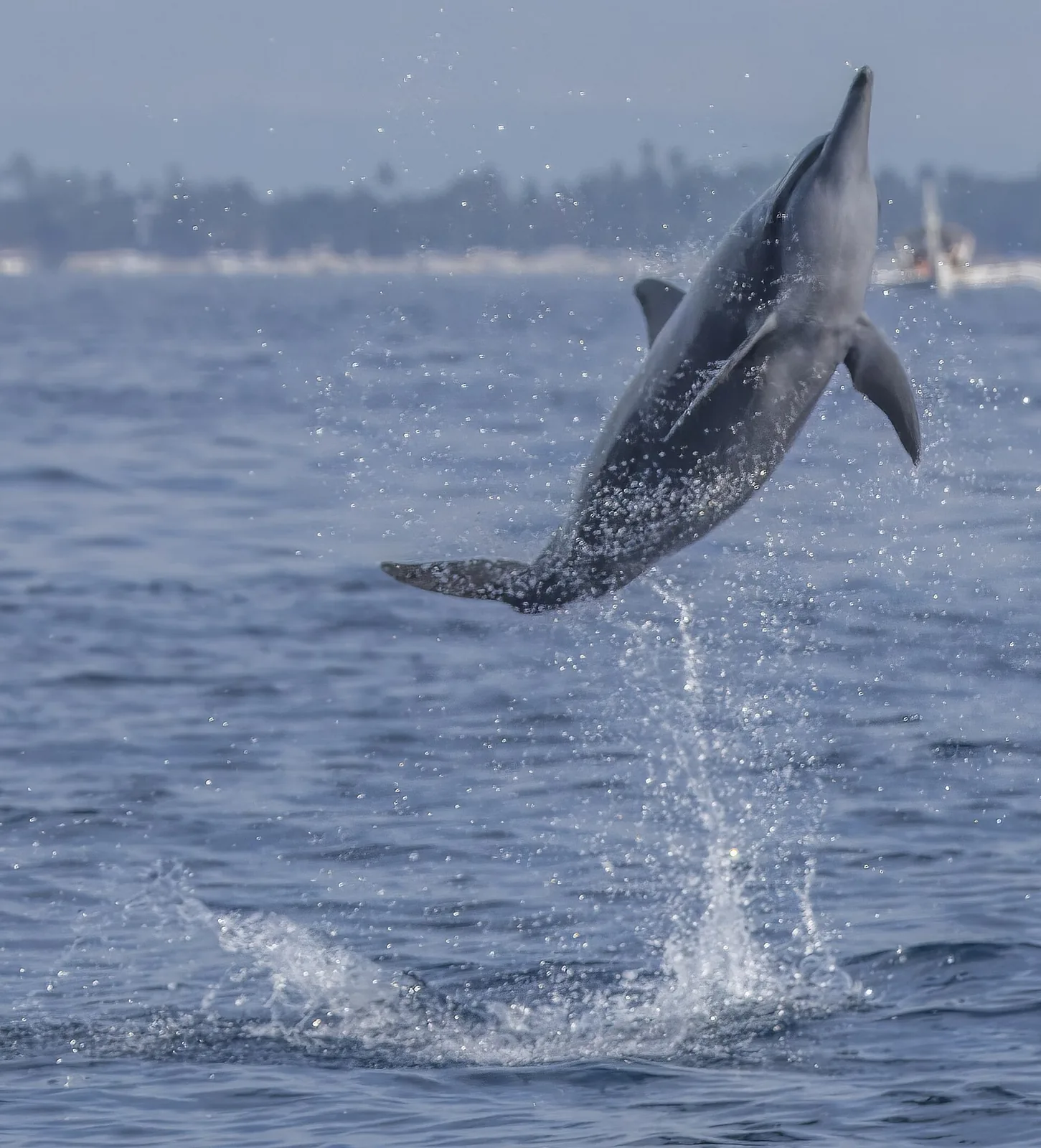
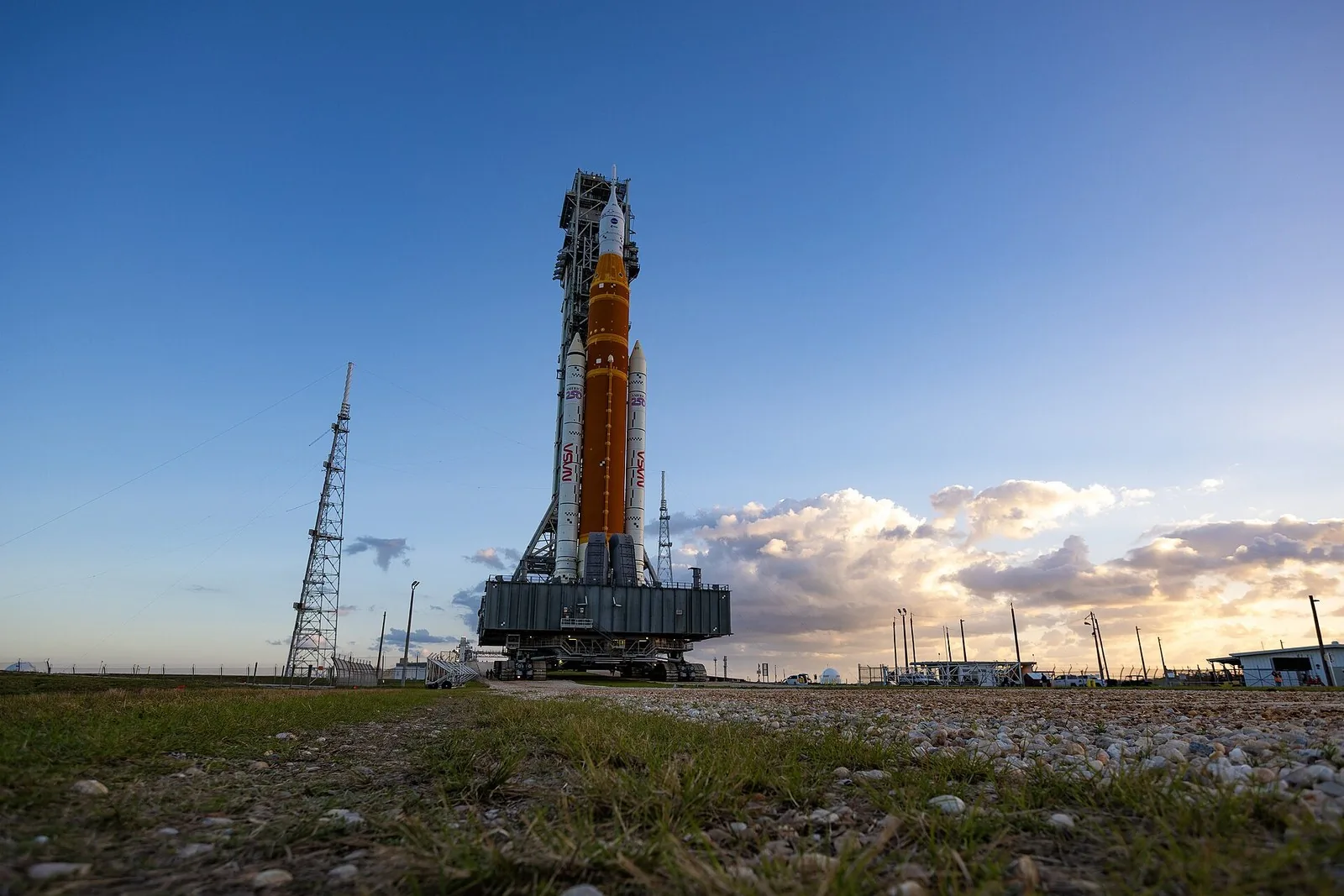
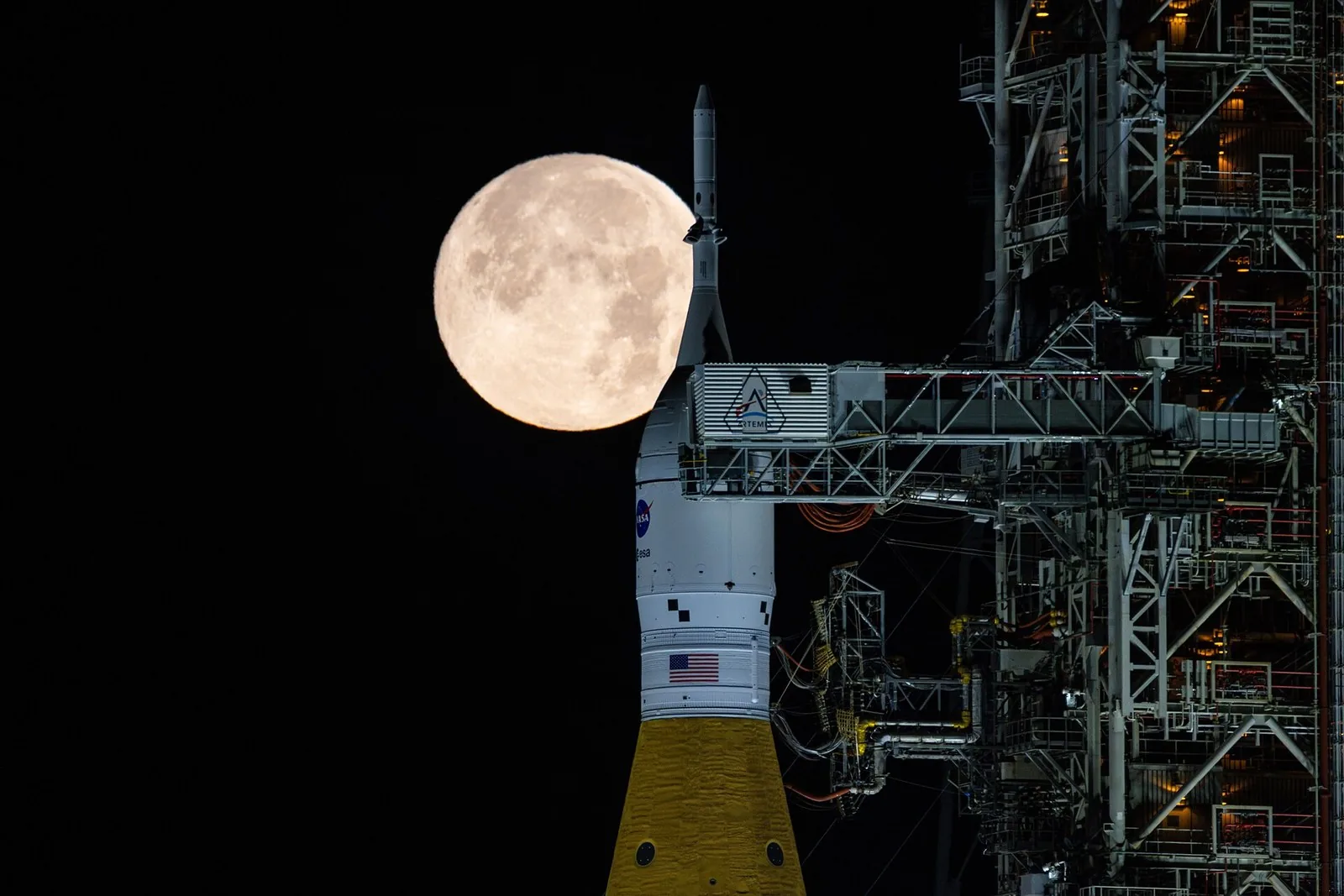
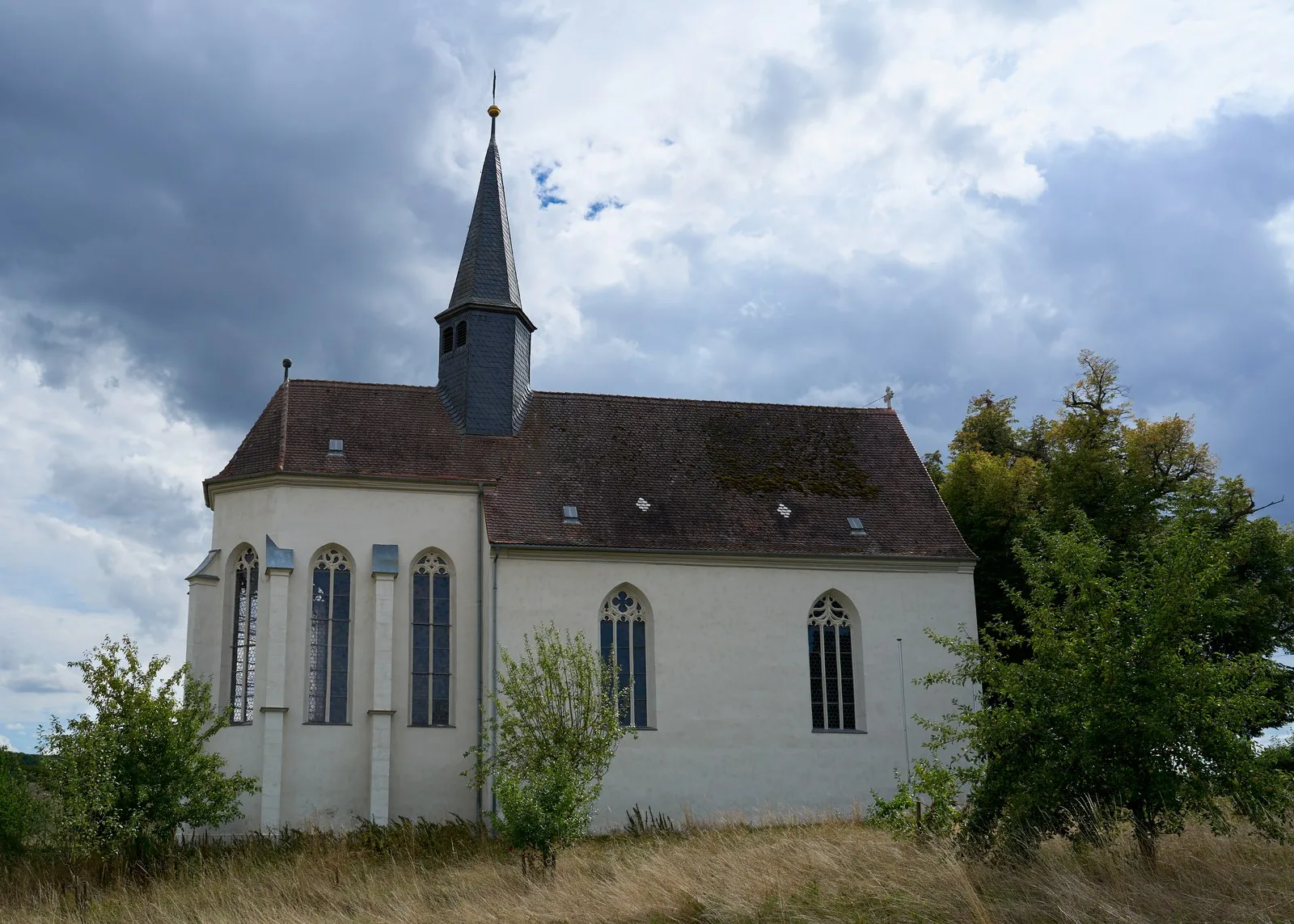
Six photos taken with the Canon EOS R6 Mark III and four with the Sony a7 V, shared on Wikimedia Commons under open licenses.
















Who should buy which
Buy the R6 Mark III if…
- You shoot video seriously: internal 7K raw, 7K open gate and 4K/120.
- You want the fastest bursts: 40 fps with 20 frames of pre-capture, plus 8.5-stop IBIS.
- You already own RF lenses or EF glass to adapt.
Buy the a7 V if…
- You shoot long 4K/60 takes: Sony rates about 90 minutes continuous, and PetaPixel saw the R6 III stop at 28.
- You want the 3.2-inch tilt-and-swing screen, Wi-Fi 6E and about 750 shots per charge.
- You already own Sony E-mount lenses.
Watch-outs from our guides: DPReview found the R6 Mark III's dynamic range behind the best rivals and its CFexpress Type B slot means new cards; the a7 V has a busy menu and no raw or open-gate video. Sticking with one brand? See R6 Mark II vs R6 Mark III or a7 V vs a7 IV.
Where to buy
Canon EOS R6 Mark III
Canon: Launched at $2,799 in 2025 (Canon U.S.A., November 6, 2025).
Check priceRead the full Canon EOS R6 Mark III guide
APERTURE NOTES is reader-supported. As an Amazon Associate we earn from qualifying purchases made through links on this page.