

Home / Compare / Sony a7 IV vs Canon R6 Mark II
Sony a7 IV vs Canon R6 Mark II: which to buy?
Two popular full-frame hybrids a year apart. The a7 IV has more resolution, a CFexpress Type A slot and a full-size HDMI port; the R6 Mark II answers with much faster bursts, stronger in-body stabilization and more shots per charge.
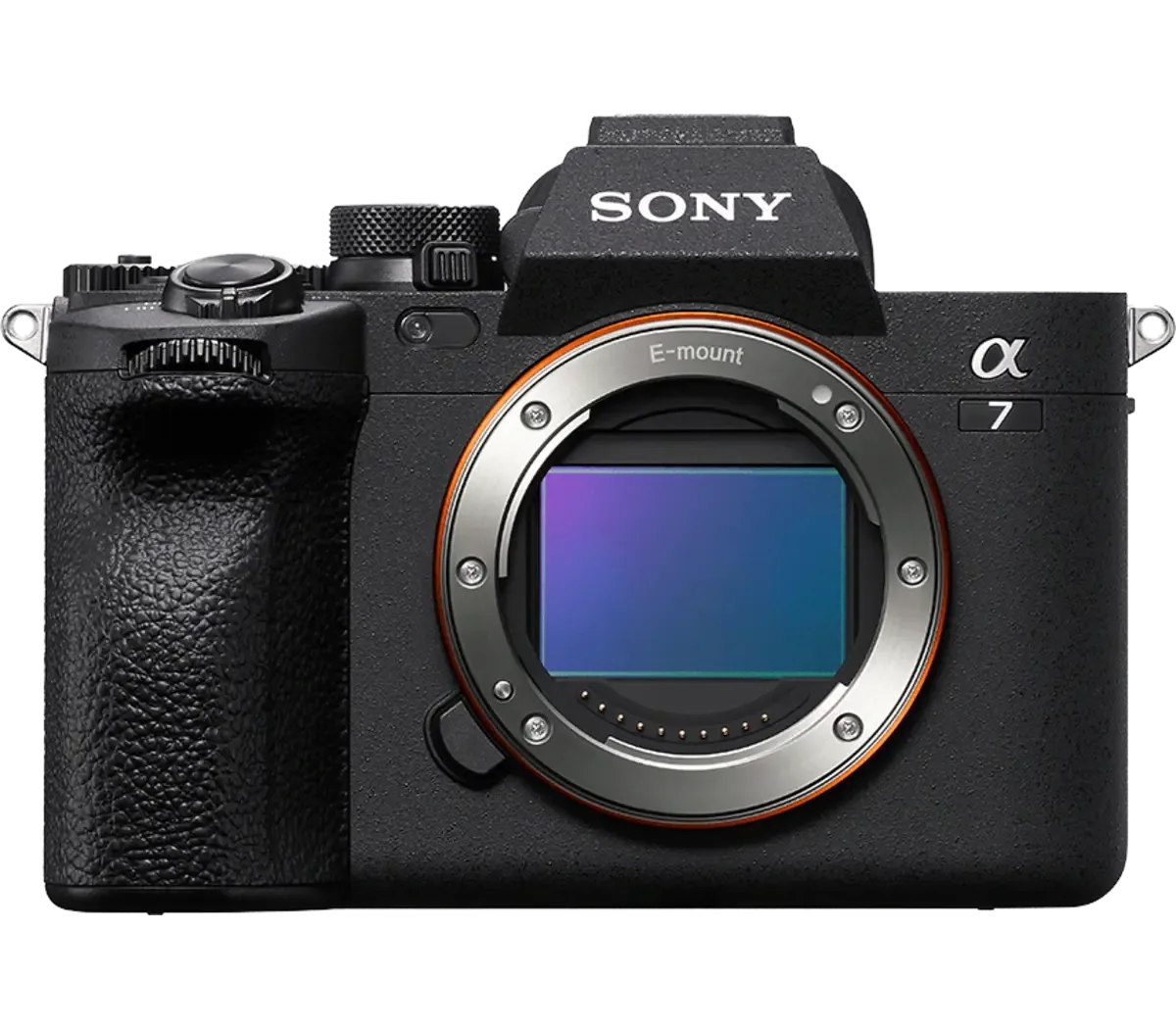
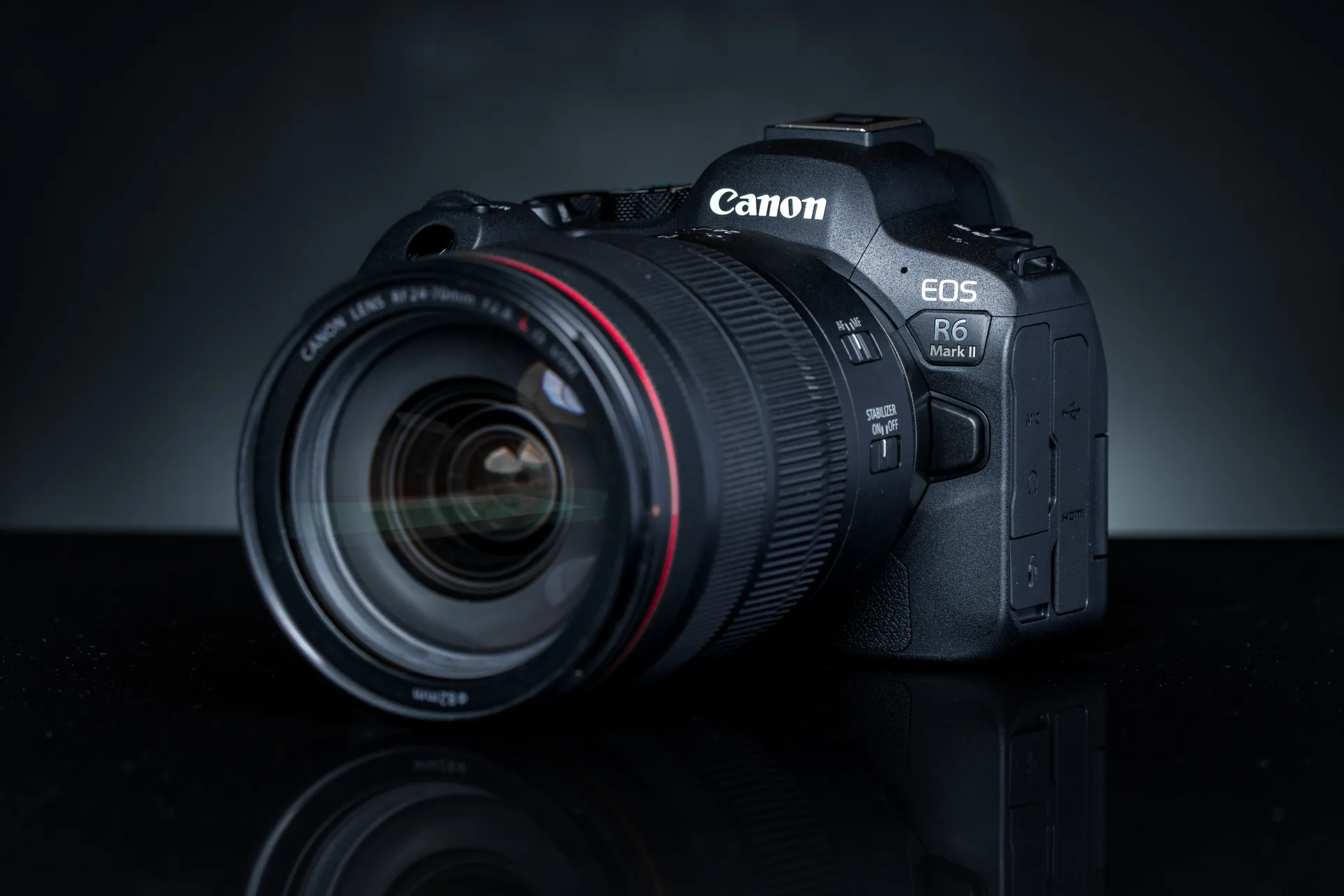
Side-by-side specs
| Sony a7 IV | Canon EOS R6 Mark II | |
|---|---|---|
| Sensor | 33MP full-frame back-illuminated Exmor R CMOS; 7008 × 4672 | 24.2MP full-frame CMOS; 6000 × 4000 |
| Processor | BIONZ XR | DIGIC X |
| Autofocus | 759 phase-detection points; Real-time Eye AF and Real-time Tracking for humans, animals and birds | Dual Pixel CMOS AF II; EV -6.5 to 21; people, animals, vehicles |
| ISO | 100–51200 (50–204800 expanded, stills) | 100–102400 (50–204800 expanded, stills) |
| Stabilization | 5-axis in-body, 5.5 stops (CIPA) | 5-axis in-body, up to 8 stops (CIPA) |
| Burst | Up to 10 fps (Hi+) | 12 fps mechanical, 40 fps electronic; raw burst 30 fps with up to 0.5 s pre-shooting |
| Video | 4K up to 30p full width, oversampled from 7K; 4K/60 in Super 35; 10-bit 4:2:2; S-Cinetone, S-Log3 | 4K up to 59.94p oversampled from 6K; Full HD 180p; Canon Log 3; 6K raw over HDMI only |
| Viewfinder | OLED, 3.69M dots, 0.78x | 0.5-inch OLED, 3.69M dots, about 0.76x |
| Screen | 3.0-inch, 1.04M-dot fully articulating touchscreen | 3.0-inch vari-angle touchscreen, about 1.62M dots |
| Card slots | CFexpress Type A / SD (UHS-II) + SD (UHS-II) | Two SD (UHS-II) |
| Ports | USB-C (10 Gbps, power delivery); full-size HDMI; mic and headphone jacks | USB-C (USB 3.2 Gen 2); micro HDMI; mic and headphone jacks |
| Wireless | Wi-Fi 802.11a/b/g/n/ac (2.4/5 GHz; some regional versions are 2.4 GHz only), Bluetooth 4.1 | Wi-Fi 2.4/5 GHz, Bluetooth 5.0 |
| Battery (CIPA) | NP-FZ100; 580 shots (LCD) | LP-E6NH; about 760 shots (LCD) / 450 (viewfinder) |
| Weight | About 658 g with battery and SD card | About 670 g with battery and card |
| Weather resistance | Magnesium alloy, weather-sealed (DPReview) | Magnesium alloy; dust- and water-resistant |
| Launch price | Oct 21, 2021; $2,500 body-only (US) | Nov 2, 2022; $2,499 body-only (US) |
Specs from Sony USA's ILCE-7M4 specifications page (a7 IV weight from Sony's ILCE-7M4 Help Guide specifications) and Canon Europe's EOS R6 Mark II specifications, cross-checked against our a7 IV and R6 Mark II guides; US launch prices from Sony and Canon U.S.A. ✓ = advantage; blank = tie or not directly comparable.
Sample photos
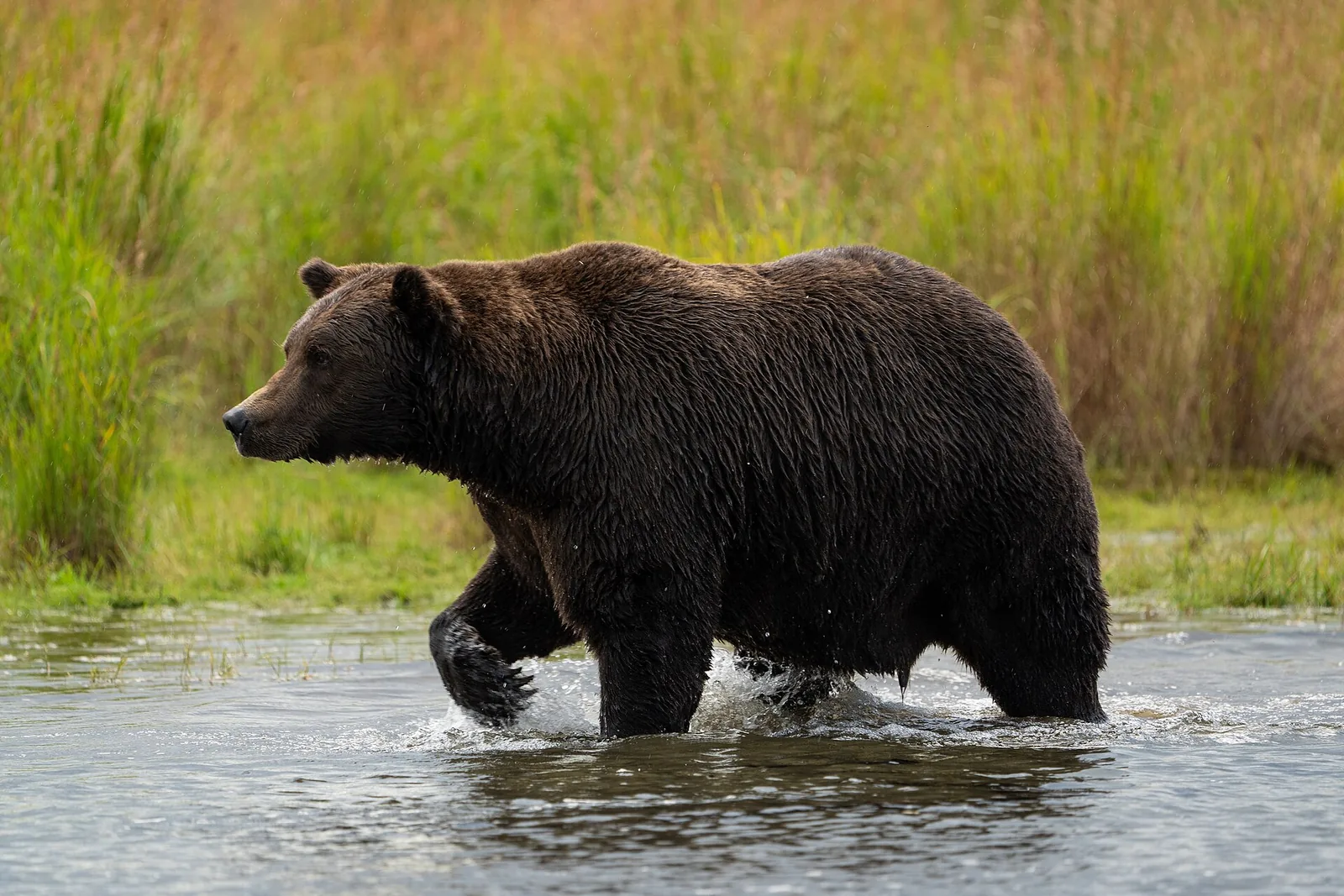
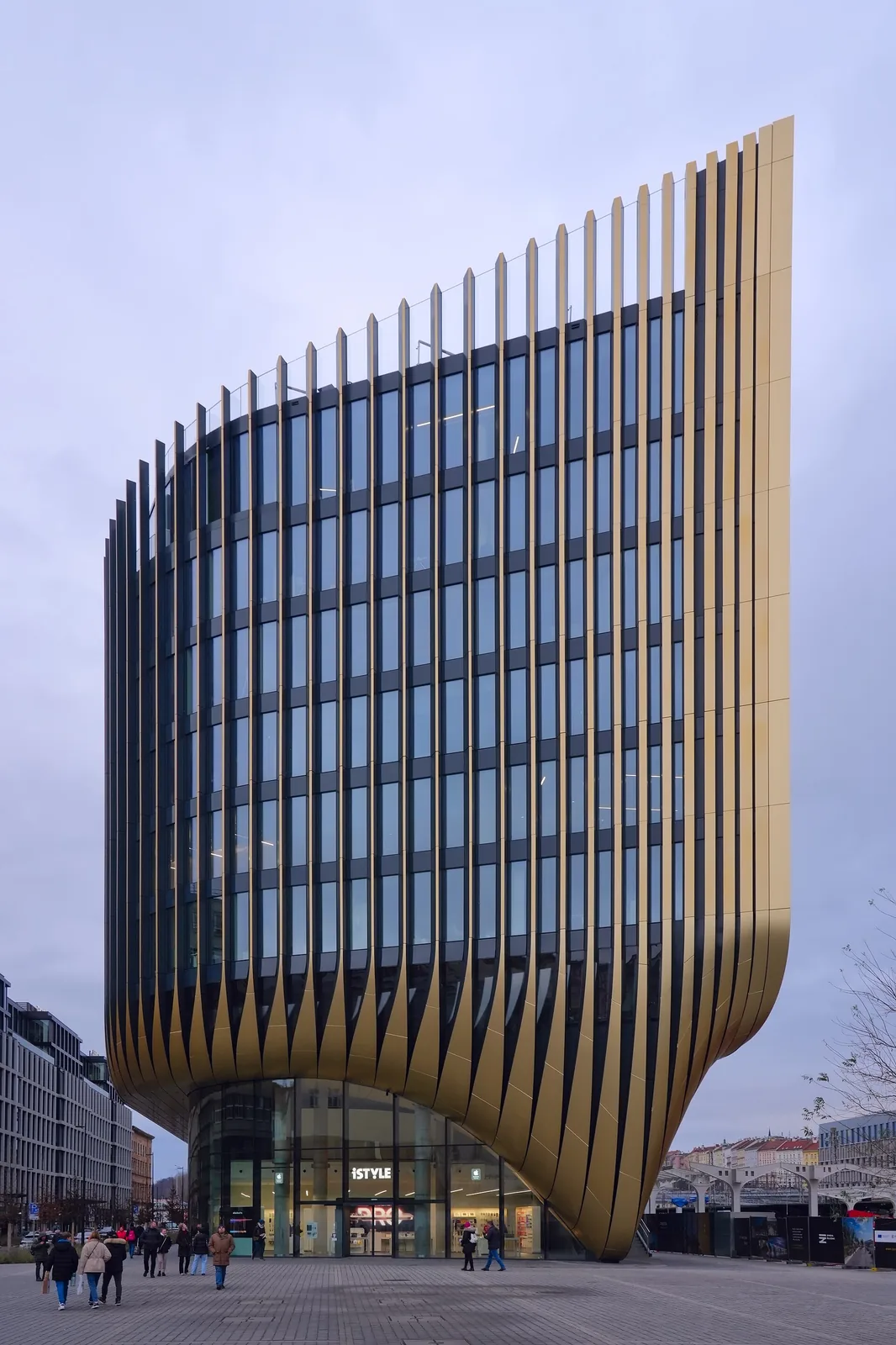
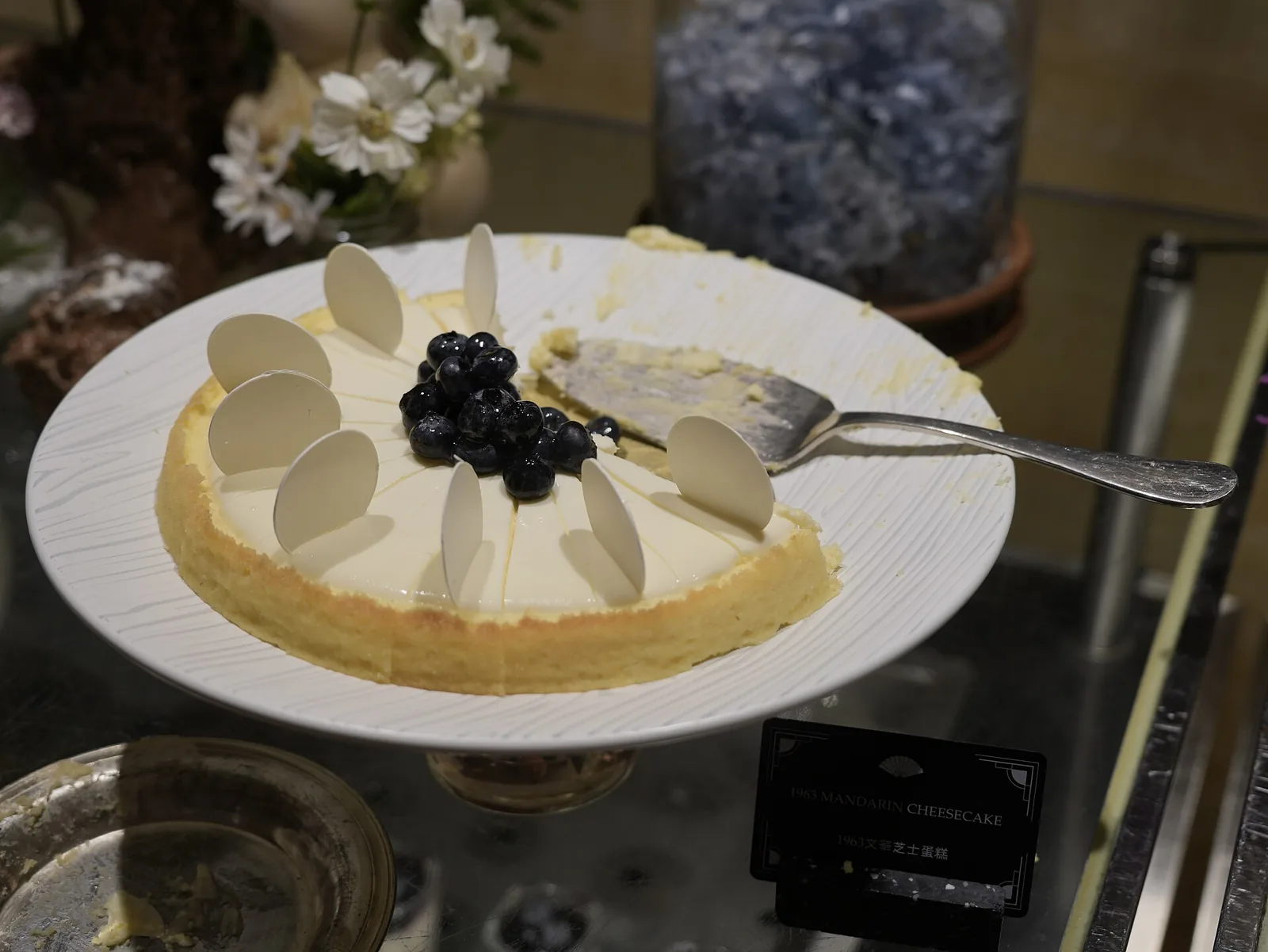
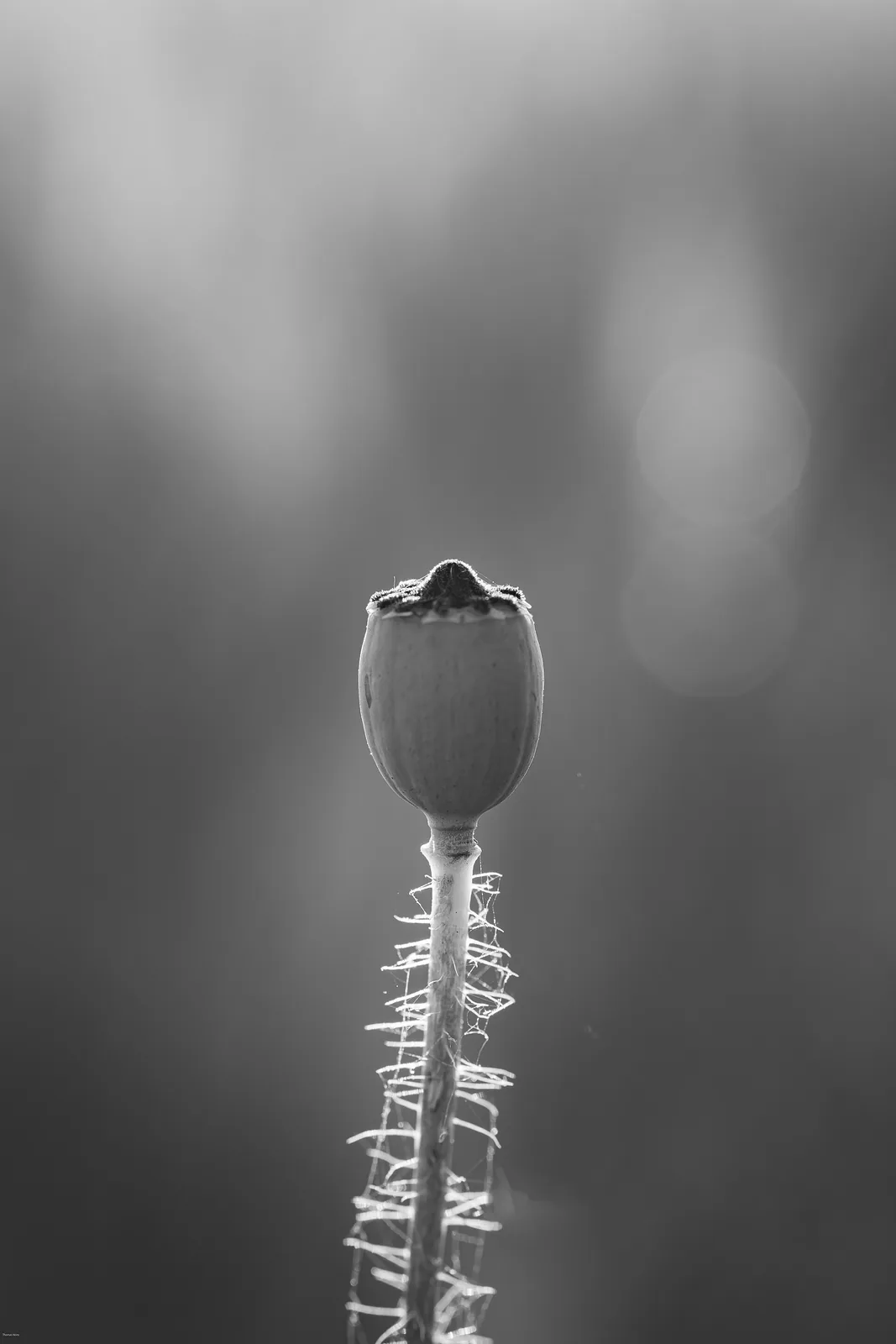
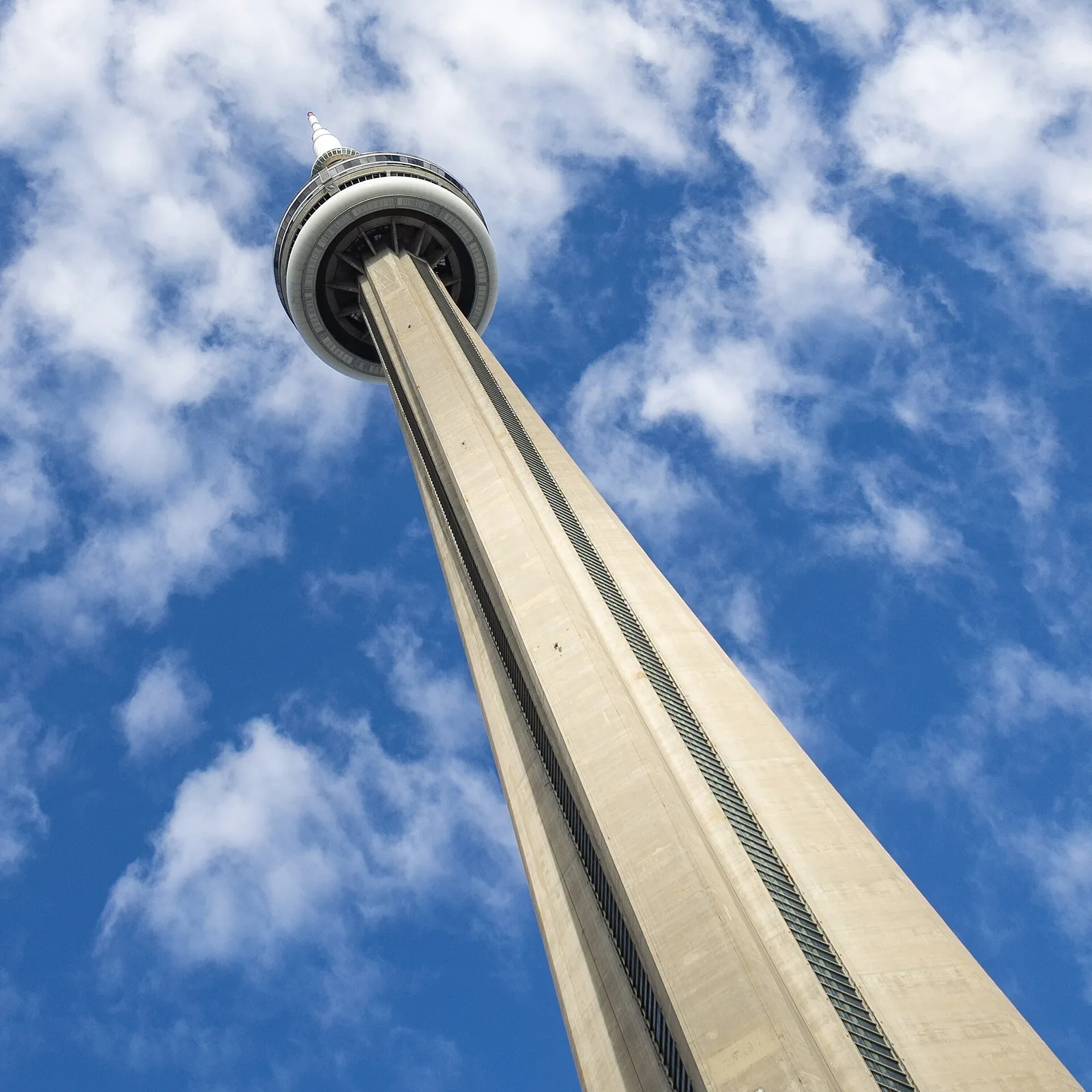
Four photos taken with the Sony a7 IV and four with the Canon EOS R6 Mark II, shared on Wikimedia Commons under open licenses.











Who should buy which
Buy the a7 IV if…
- You want 33MP for cropping and larger prints.
- You want a CFexpress Type A slot and a full-size HDMI port.
- You already own Sony E-mount lenses.
Buy the R6 Mark II if…
- You shoot sport, wildlife or kids: 40 fps electronic and 12 fps mechanical bursts vs 10 fps.
- Handheld low light matters: IBIS is rated up to 8 stops vs 5.5.
- Battery life matters: about 760 shots per charge (LCD) vs 580.
- You already own RF lenses or EF glass to adapt.
Watch-outs from our guides: the a7 IV's readout is slow enough to distort fast motion with the electronic shutter; the R6 Mark II's micro HDMI port is fragile (PCMag). Related: a7 V vs a7 IV, a7 III vs a7 IV, R6 Mark II vs R6 Mark III and R6 vs R6 Mark II.
Where to buy
Sony a7 IV
Sony a7 IV: Launched at $2,500 in 2021 (Sony Electronics release, October 21, 2021).
Check priceRead the full Sony a7 IV guide
Canon EOS R6 Mark II
Canon EOS R6 Mark II: Launched at $2,499 in 2022 (Canon U.S.A., November 2, 2022).
Check priceRead the full Canon EOS R6 Mark II guide
APERTURE NOTES is reader-supported. As an Amazon Associate we earn from qualifying purchases made through links on this page.