Nikon's first all-round full-frame mirrorless body, replaced by the Z6 II. Launched at $1,999.95 in 2018. Still worth it in 2026: yes, for full-frame stills and casual video.
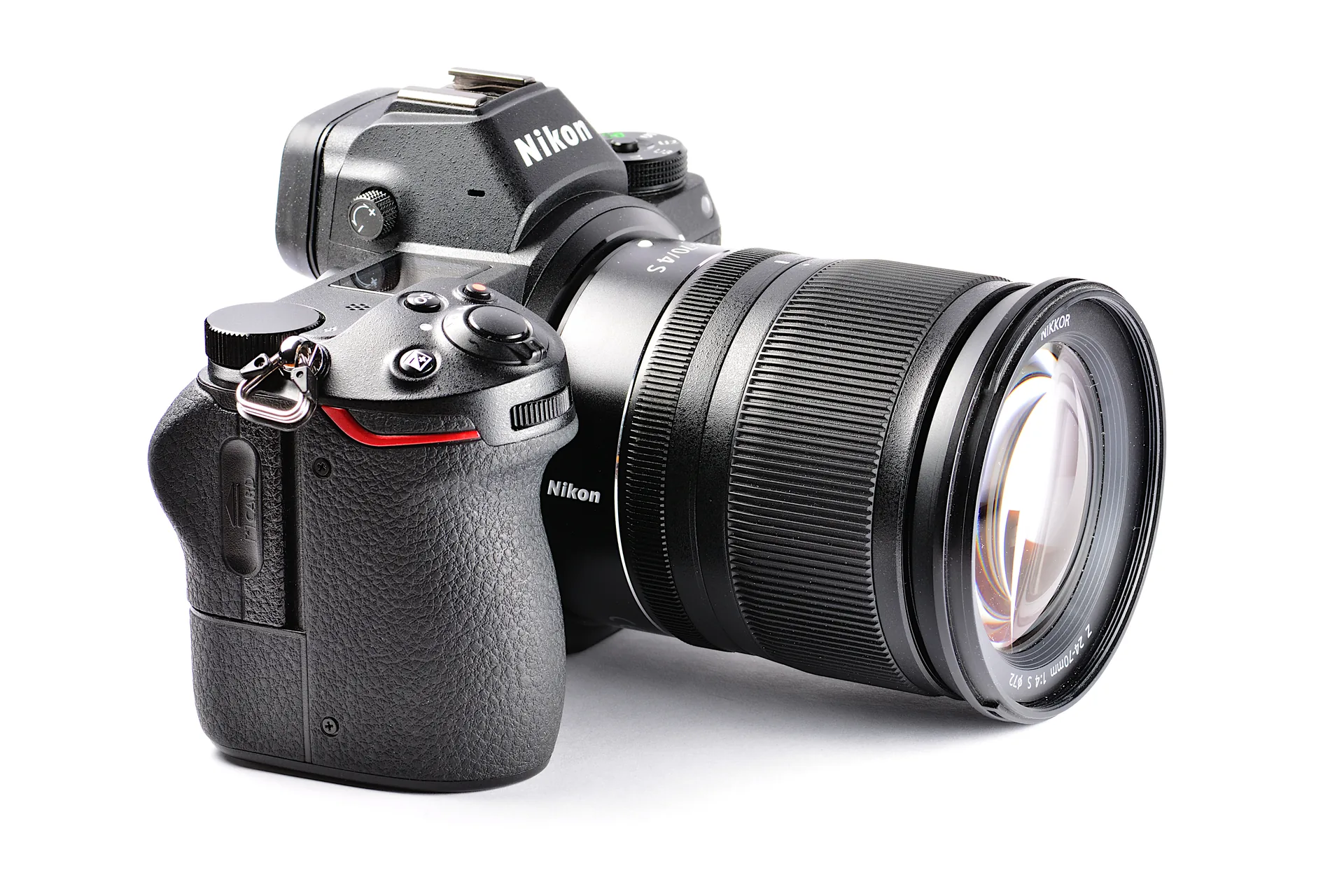
Nikon Z6, shown with the NIKKOR Z 24-70mm f/4 S (not included with the body). Photo: Phiarc via Wikimedia Commons, CC BY-SA 4.0 (resized)
HIGHLIGHTS
Nikon announced the Z6 on August 23, 2018 alongside the Z 7, as the all-rounder of its first full-frame mirrorless pair, and it went on sale in the US on November 16, 2018 at $1,999.95 for the body. It uses a 24.5-megapixel backside-illuminated full-frame sensor with the EXPEED 6 processor, ISO 100–51200 and a 273-point hybrid AF system that works down to -6 EV in low-light AF mode. It was also Nikon's first camera with in-body 5-axis VR, rated at about 5.0 stops.
It's still a capable hybrid. It records 4K UHD at up to 30p using the full sensor width without pixel binning, Full HD at up to 120p, and 10-bit N-Log over HDMI. Bursts reach 12 fps in Continuous H (extended), and the 3.69M-dot EVF and 3.2-inch tilting touchscreen are the same ones Nikon used on the Z6 II. The compromises are one XQD/CFexpress Type B card slot with no SD, and a CIPA rating of about 310 viewfinder shots per EN-EL15b. Eye-Detection AF came later, in Nikon's version 2.0 firmware.
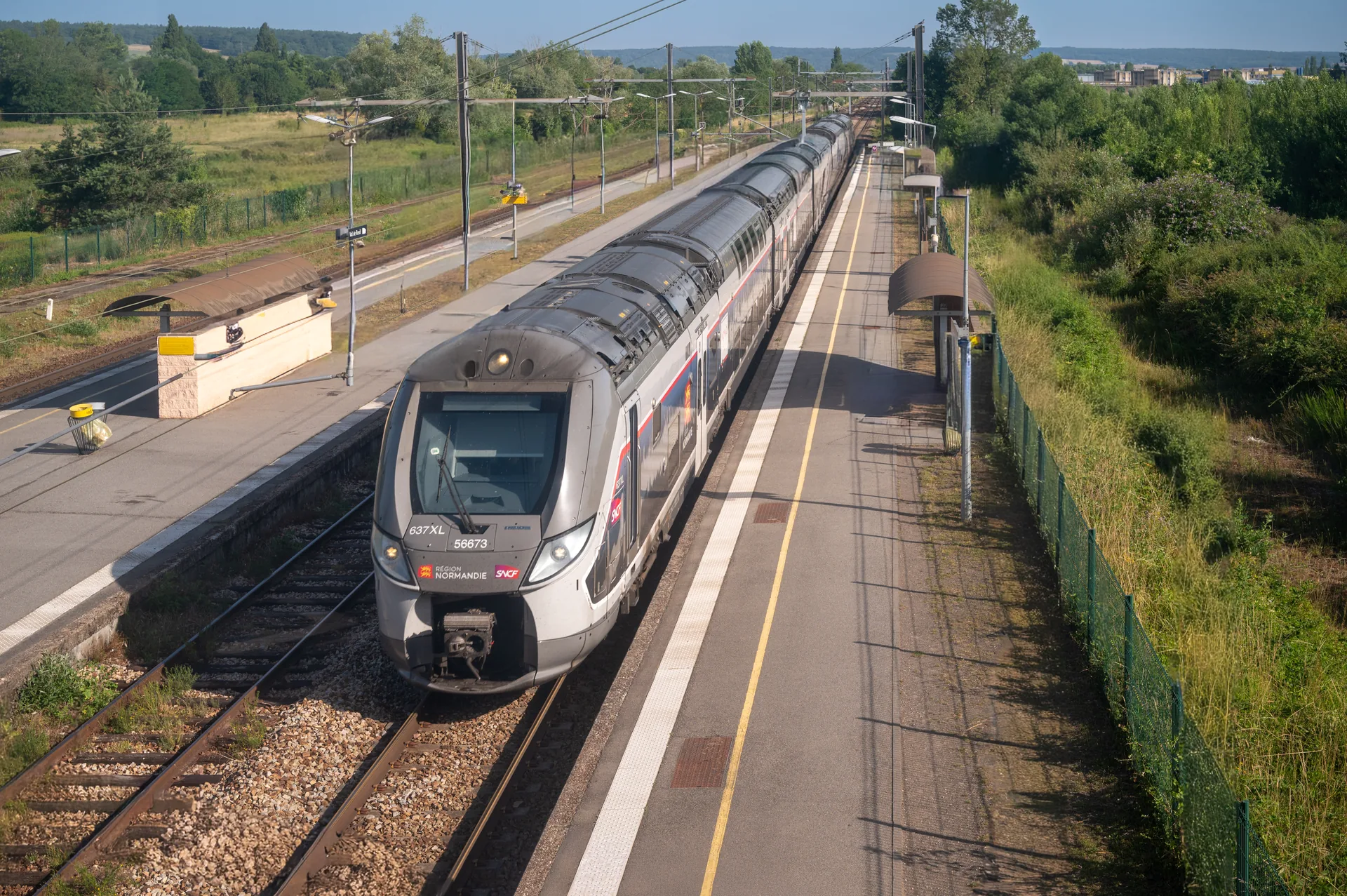
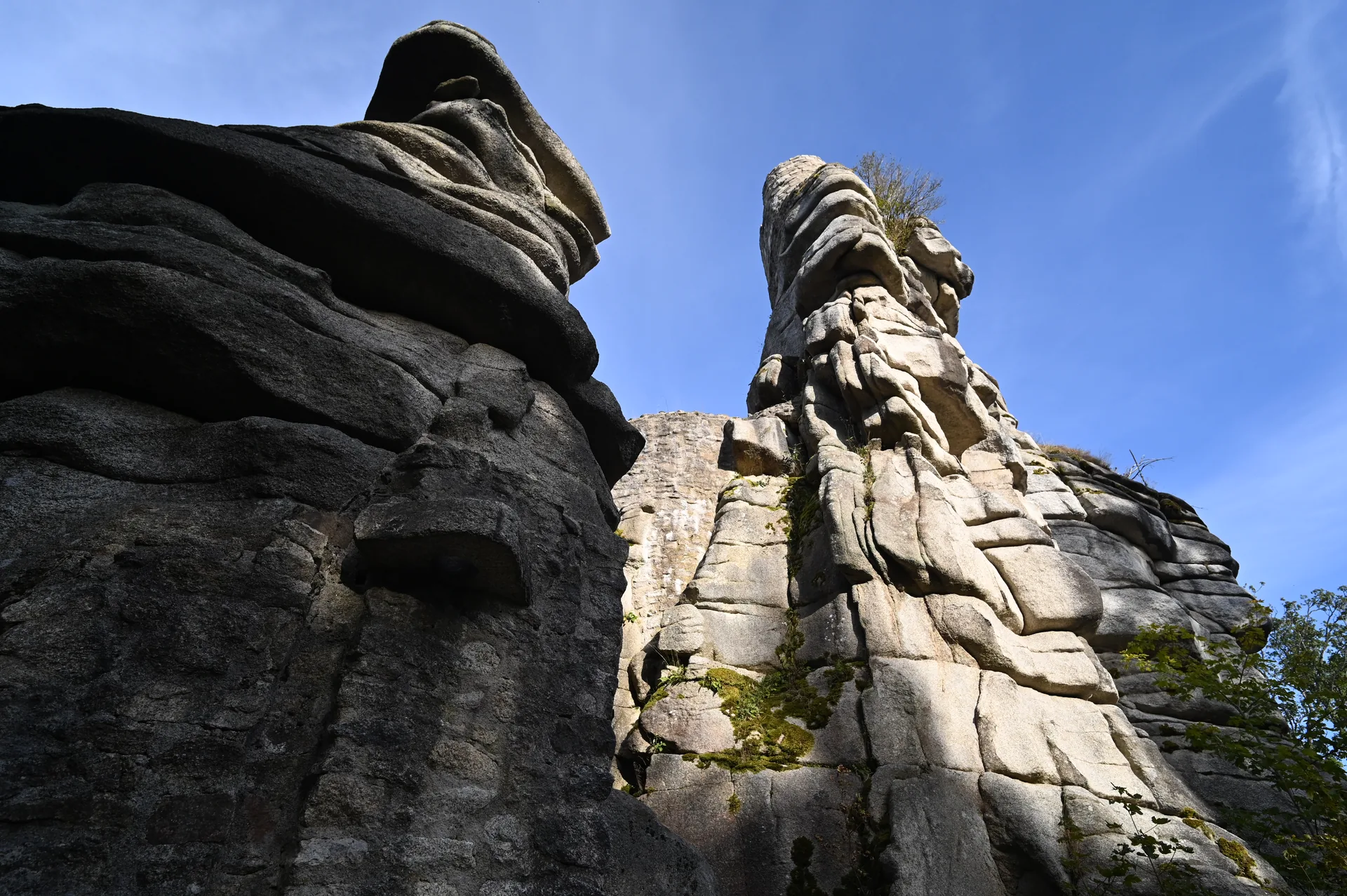
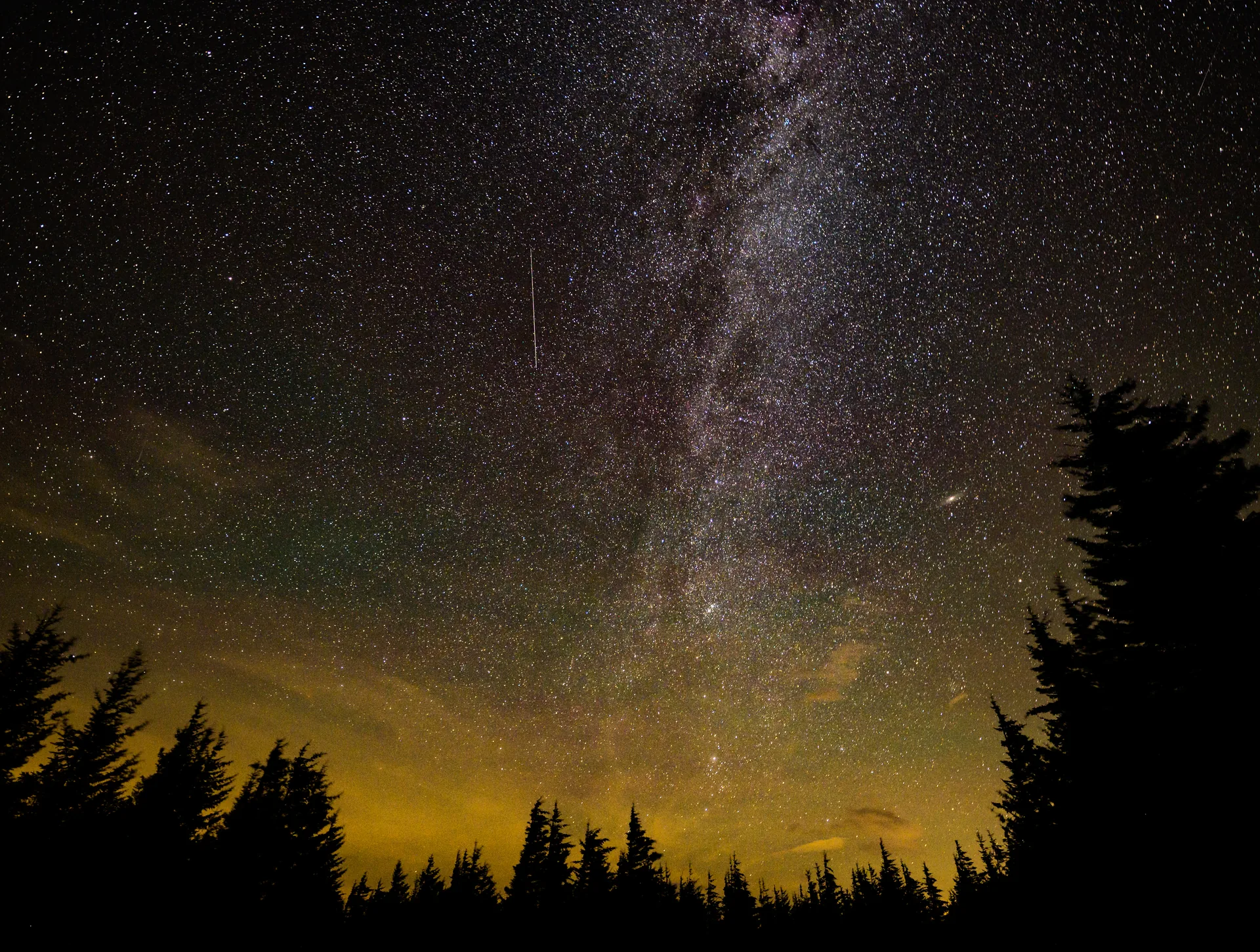
Our gallery comes from six photographers: the Cleveland skyline silhouetted from Chapin Forest, an iris garden at Aburagafuchi park, an SNCF Nomad train, sandstone rocks at Burgruine Weißenstein, a NASA Perseid night sky shot on the Z 14-24 and a bonnet macaque. Still worth it in 2026? Yes, for full-frame stills and casual video. If you want two card slots and faster bursts, look at the Z6 II.
The story
Nikon announced the Z6 and Z 7 on August 23, 2018 with its new Z mount (Nikon). In the US the Z6 went on sale on November 16, 2018 at an SRP of $1,999.95 body-only, or $2,599.95 with the NIKKOR Z 24-70mm f/4 S (Nikon Inc.).
In May 2019 Nikon's version 2.0 firmware added Eye-Detection AF for stills and improved low-light AF (Nikon Inc.). Nikon followed it with the Z6 II in October 2020.
Specifications
Key specs for the original Nikon Z6, from Nikon's Z 7/Z 6 online manual, Nikon's August 23, 2018 announcement and Nikon Inc.'s US release. Source for each row in brackets.
100–51200; Lo to ISO 50 and Hi to ISO 204800 equivalent [Nikon]
Autofocus
Hybrid phase/contrast AF, 273 points (about 90% coverage); -3.5 to +19 EV (-6 EV with low-light AF) [Nikon]
Stabilization
5-axis sensor-shift VR, about 5.0 stops (CIPA) [Nikon]
Bursts
Up to 12 fps (Continuous H extended, 12-bit raw); 5.5 fps Continuous H [Nikon]
Shutter
1/8000–30 s; flash sync 1/200 s [Nikon]
Video
4K UHD up to 30p with full-pixel readout; Full HD up to 120p; 10-bit N-Log over HDMI [Nikon]
Viewfinder
0.5-inch OLED, about 3.69 million dots, 0.8x, 100% [Nikon]
Screen
3.2-inch tilting touchscreen, about 2.1 million dots [Nikon]
Card slot
One XQD / CFexpress (Type B) [Nikon]
Battery
EN-EL15b; about 310 shots (viewfinder) / 380 (monitor), CIPA [Nikon]
Size / weight
134 × 100.5 × 67.5 mm; about 675 g with battery and card (585 g body only) [Nikon]
Announced / price
Aug 23, 2018; $1,999.95 SRP body-only (US, Nov 2018) [Nikon Inc.]
Sample photos
Six photos taken with the Nikon Z6 by six photographers, shared on Wikimedia Commons under Creative Commons licenses or in the public domain. Each caption names the lens where the file records it. Select a photo to enlarge it. More samples from Nikon
600mm, f/6.3, ISO 100, 1/250 s: the Cleveland skyline from Chapin Forest Reservation (150-600mm f/5-6.3 zoom). Photo: Erik Drost via Wikimedia Commons, CC BY 2.0 (resized)60mm, f/8, ISO 100, 1/250 s: the iris garden at Aburagafuchi park (NIKKOR Z 24-120mm f/4 S). Photo: Bariston via Wikimedia Commons, CC BY-SA 4.0 (resized)
43mm, f/6.3, ISO 250, 1/800 s: SNCF Nomad train 56673 at Val-de-Reuil (NIKKOR Z 24-70mm f/4 S). Photo: Rob Dammers via Wikimedia Commons, CC BY 4.0 (resized)16mm, f/5.6, ISO 400, 1/1000 s: rock towers at Burgruine Weißenstein (Viltrox AF 16mm F1.8 Z). Photo: Harald Schmidbauer via Wikimedia Commons, CC BY-SA 4.0 (resized)
14mm, f/2.8, ISO 1000, 30 s: the Perseid meteor shower over Spruce Knob, West Virginia (NIKKOR Z 14-24mm f/2.8 S). Photo: Bill Ingalls / NASA via Wikimedia Commons, public domain (resized)70mm, f/5, ISO 1000, 1/100 s: a bonnet macaque (NIKKOR Z 24-70mm f/4 S). Photo: Augustus Binu via Wikimedia Commons, CC BY-SA 3.0 (resized)
Nikon: Launched at $1,999.95 in 2018 (US SRP, body only). Replaced by the Z6 II (Oct 2020).
Verdict
Still worth it in 2026? Yes, for stills and casual video shooters who want full-frame Nikon Z, in-body VR and a big, sharp viewfinder.
Choose the Z6 II instead if you want a second (SD) card slot, about 14 fps bursts, longer battery life and Eye and Animal Detection AF in stills and video.
Pros
24.5MP backside-illuminated full-frame sensor
5-axis in-body VR, about 5.0 stops
4K/30p full-pixel readout; 10-bit N-Log over HDMI
3.69M-dot EVF and tilting touchscreen
Cons
One XQD/CFexpress slot, no SD
About 310 shots per charge (viewfinder, CIPA)
Eye AF only via firmware 2.0, stills only at first