Sony a1 II review: 50MP and 30 fps in one flagship body
Sony's second-generation Alpha 1, launched in 2024 at $6,499.99 (body only). Who it suits: wildlife and sports shooters who also want high resolution in one body.
October 23, 2026 · Camera · Review
Related on site: A full-frame Sony for most people: our Sony a7 V review. A high-resolution Sony for slower subjects: our Sony a7R V review. A Canon alternative built for speed: our Canon EOS R5 Mark II review.
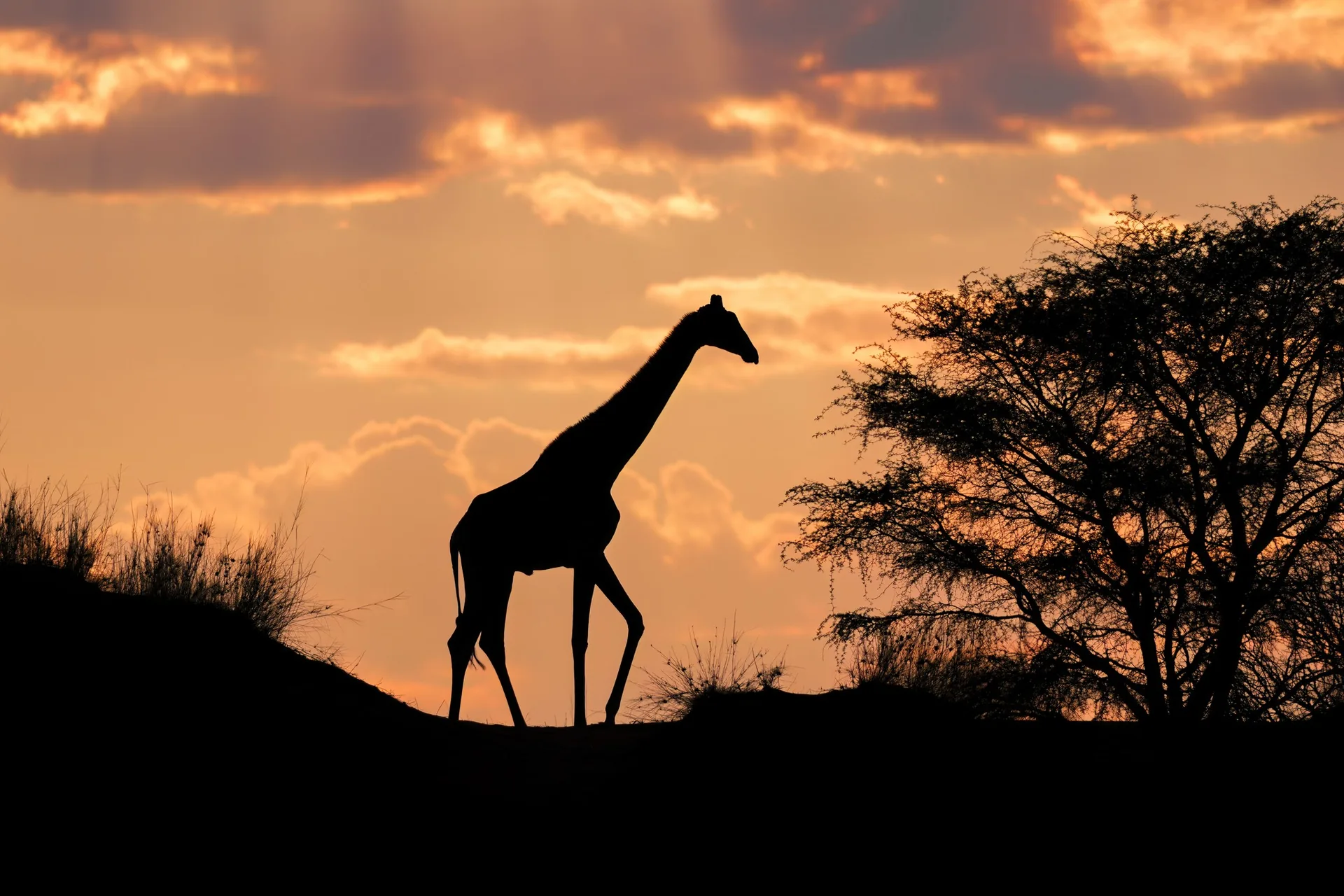
An Angolan giraffe silhouetted at sunrise in the Kalahari, Namibia. Photo: Giles Laurent via Wikimedia Commons, CC BY-SA 4.0 (resized)
HIGHLIGHTS
Why it exists. Sony built the second-generation flagship from what Alpha 1, Alpha 7R V and Alpha 9 III users told it. Yang Cheng, Vice President of Imaging Solutions at Sony Electronics, says: "When developing the successor to our esteemed flagship model, we made it our mission to incorporate feedback from the industry and the community of Alpha 1, Alpha 7R V and Alpha 9 III users. The result is a powerhouse of a camera - our highest-performing, most balanced, utilitarian tool on the market." He adds that it "stays true to the Alpha 1's foundational core of high resolution and speed but is amplified with a dedicated AI processing unit and enhanced ergonomics."
Sony launched the a1 II in December 2024 at $6,499.99 body-only. The idea is the same as the original Sony a1: you should not have to choose between a high-resolution body and a fast one. It pairs a 50.1MP stacked sensor with blackout-free bursts up to 30 fps, a Pre-Capture buffer of up to 1 second, in-body stabilization rated up to 8.5 stops at the center, and video up to 8K 30p or 4K 120p in 10-bit 4:2:2.
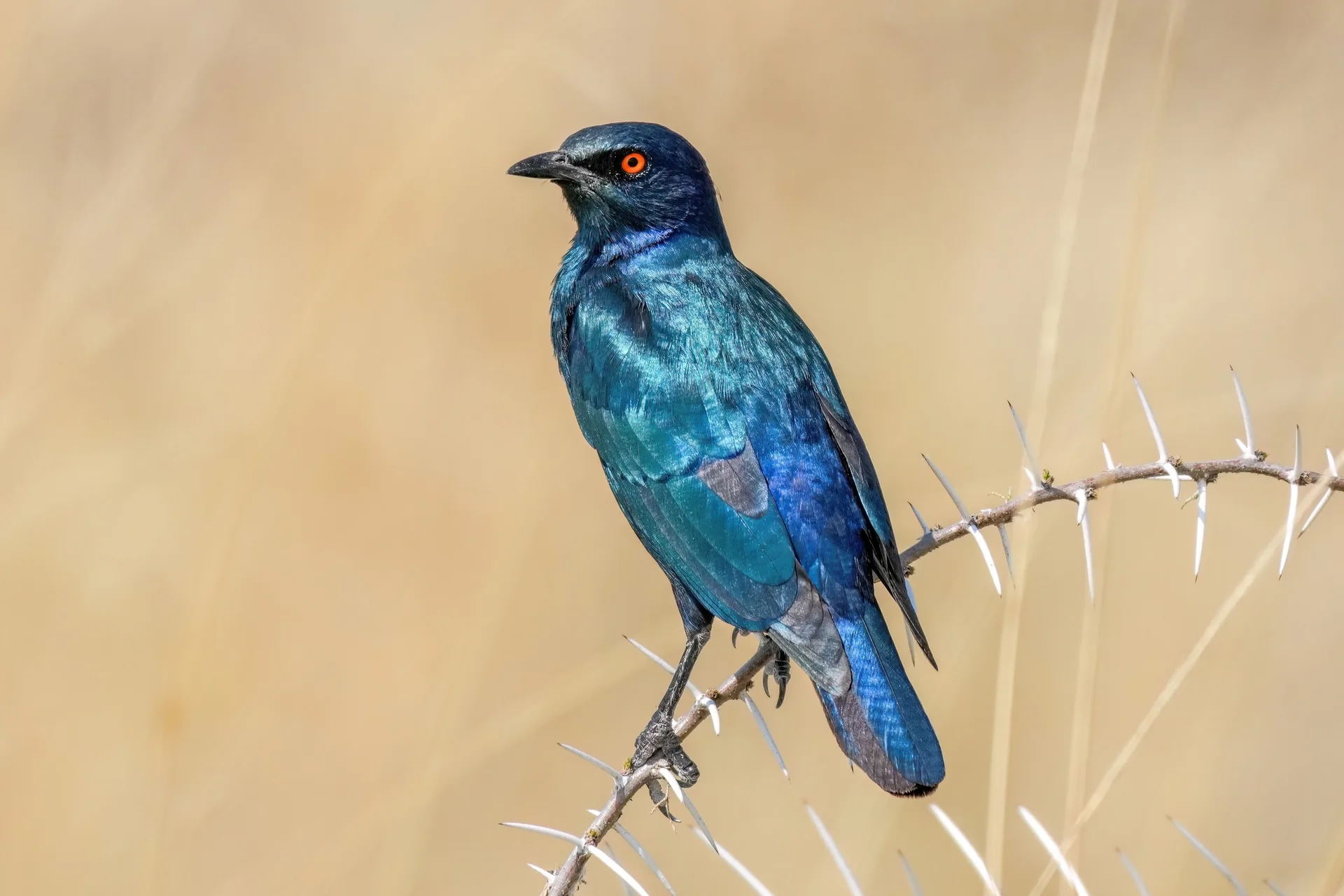
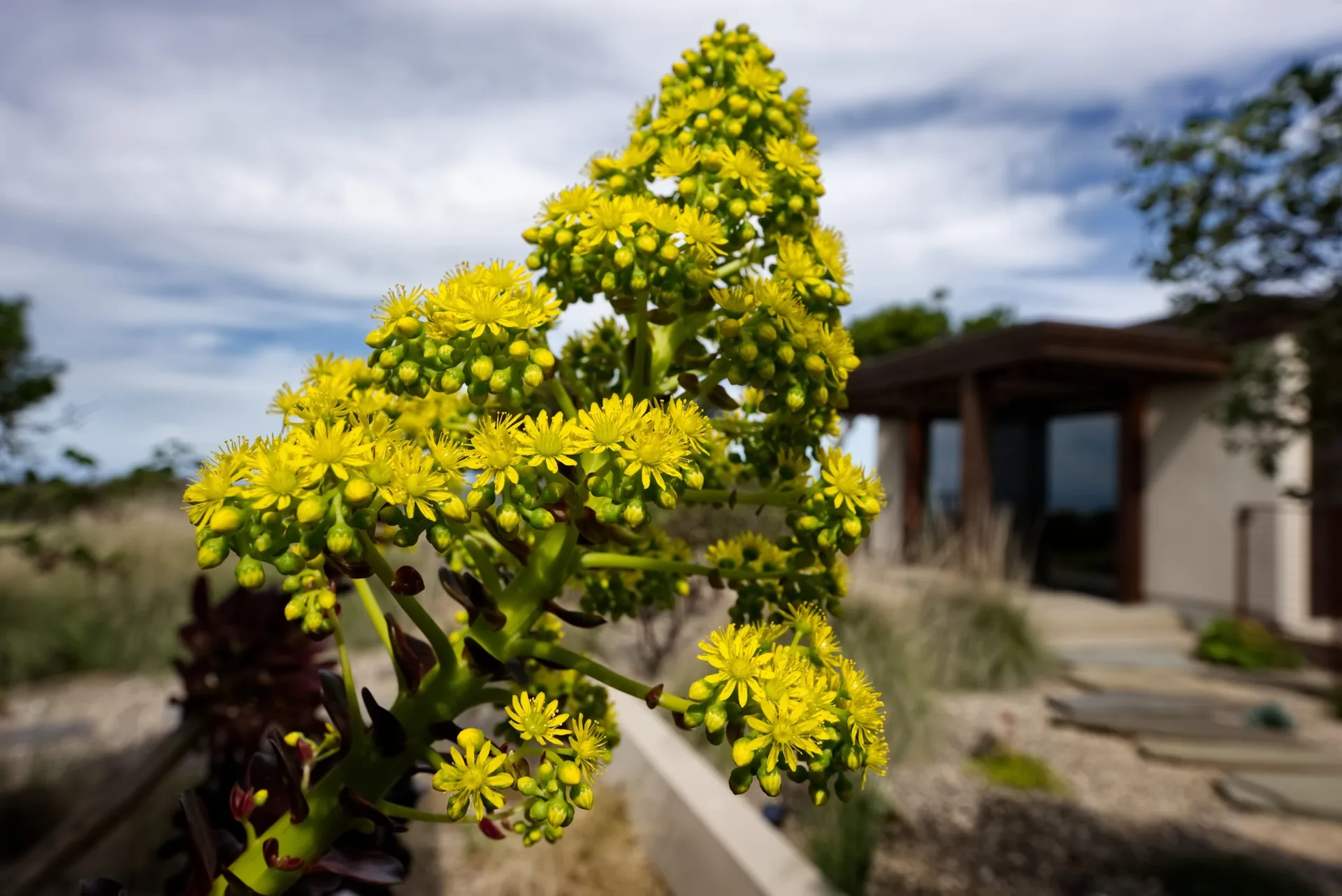
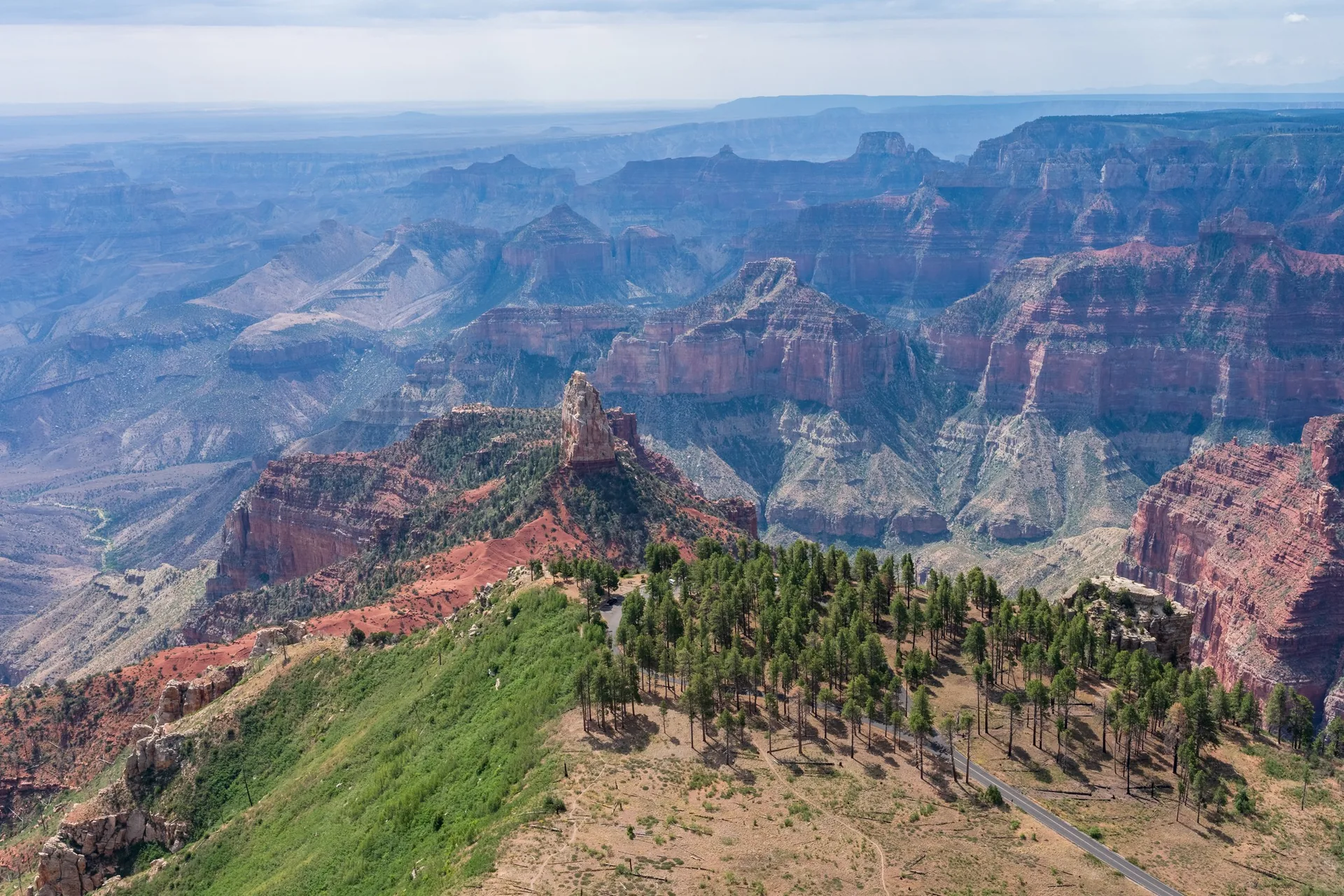
The caveats are the price, which puts it among the most expensive bodies on the market, and battery life of about 420 viewfinder shots per charge (CIPA). Who should buy it? Wildlife and sports shooters who also want 50MP files for cropping and large prints. Our gallery comes from three photographers: a giraffe at sunrise and a Cape starling in Namibia, an Aeonium and Point Lobos in California, and two views from Grand Canyon National Park.
The story
Sony Electronics announced the Alpha 1 II on November 19, 2024, at $6,499.99 for the body, with availability from December 2024 (Sony Electronics).
The release describes a dedicated AI processing unit for subject recognition, including a new "Auto" mode that picks the subject type for you, plus revised ergonomics. Sony's Help Guide lists the full figures, including the sensor size, ISO range, autofocus range, dual card slots and weight (Sony Help Guide).
Battery life comes from Sony's CIPA figures: about 420 shots with the viewfinder and 520 with the rear screen, and about 85 to 90 minutes of actual movie recording (Sony Help Guide: battery life). Sony's spec page lists up to 759 phase-detection points; we could only read that figure in a search snippet, so treat it as Sony's claim rather than a number we opened ourselves. We leave out the viewfinder figures because we did not verify them.
Specifications
Key specs for the Sony a1 II, from Sony's ILCE-1M2 Help Guide and Sony Electronics' November 19, 2024 release. Source for each row in brackets.
Sensor
35 mm full frame (35.9 × 24.0 mm) stacked Exmor RS CMOS; approx. 50.1MP effective (approx. 50.5MP total) [Sony Help Guide]
ISO (stills)
100–32000; expandable to 50–102400 [Sony Help Guide]
ISO (movies)
100–32000 equivalent [Sony Help Guide]
Autofocus
Fast Hybrid AF (phase and contrast detection); EV −4 to +20; AI processing unit with subject recognition, including "Auto" [Sony Help Guide, Sony release]
Bursts
Up to 30 fps blackout-free with AF/AE tracking; Pre-Capture up to 1 s [Sony release]
Stabilization
In-body, up to 8.5 stops (center), 7.0 stops (periphery) [Sony release]
Video
Up to 8K 30p and 4K 120p, 10-bit 4:2:2 [Sony release]
Cards
Dual slots; both take CFexpress Type A or SD (UHS-I/UHS-II) [Sony Help Guide]
Approx. 743 g with battery and SD card [Sony Help Guide]
Announced / price
Nov 19, 2024; $6,499.99 body only (US), available December 2024 [Sony release]
Sample photos
Six photos taken with the Sony a1 II by three photographers, shared on Wikimedia Commons under Creative Commons licenses. The first is at the top of this review; the other five are below. Select a photo to enlarge it. More samples from Wikimedia Commons
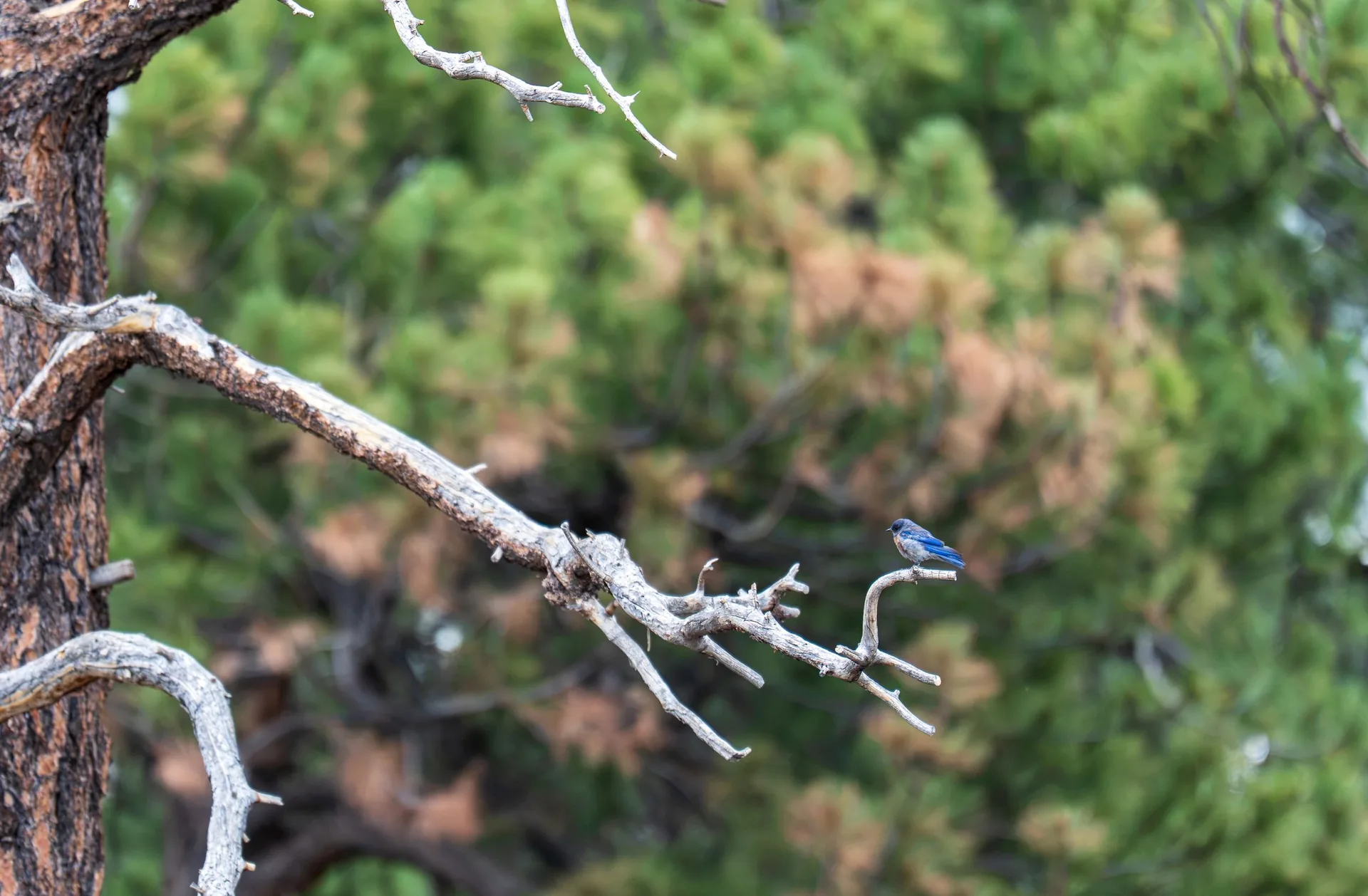
A Cape starling in Etosha National Park, Namibia. Photo: Giles Laurent via Wikimedia Commons, CC BY-SA 4.0 (resized)Aeonium arboreum in flower at Tehama, California. Photo: Guy Churchward via Wikimedia Commons, CC BY 2.0 (resized)The coast at Point Lobos, Carmel, California. Photo: Guy Churchward via Wikimedia Commons, CC BY 2.0 (resized)Point Imperial and Mt. Hayden, Grand Canyon. Photo: Grand Canyon National Park via Wikimedia Commons, CC BY 4.0 (resized)A western bluebird on a ponderosa pine branch. Photo: Grand Canyon National Park via Wikimedia Commons, CC BY 4.0 (resized)
Sony: Launched at $6,499.99 in 2024 (US, body only).
Verdict
Who it's for: wildlife, sports and event shooters who want 50MP files and 30 fps bursts in the same body, and who will use dual CFexpress Type A cards.
Want a lighter, cheaper Sony full-frame body? See our Sony a7 V review.
Strengths
50.1MP stacked sensor with blackout-free bursts up to 30 fps
Pre-Capture up to 1 second, so you keep the moment before you pressed the shutter
AI subject recognition, including an "Auto" subject mode
In-body stabilization up to 8.5 stops at the center
8K 30p and 4K 120p, 10-bit 4:2:2; dual CFexpress Type A/SD slots
Trade-offs
$6,499.99 at launch, body only
About 420 viewfinder shots per charge (CIPA), so carry a spare
The fastest modes need CFexpress Type A cards, which cost more than SD
At about 743 g it is heavier than Sony's smaller full-frame bodies