Sony's compact full-frame body from 2020, since followed by the a7C II. Launched at $1,799.99 body-only. Still worth it in 2026: yes, for travel and everyday full frame.
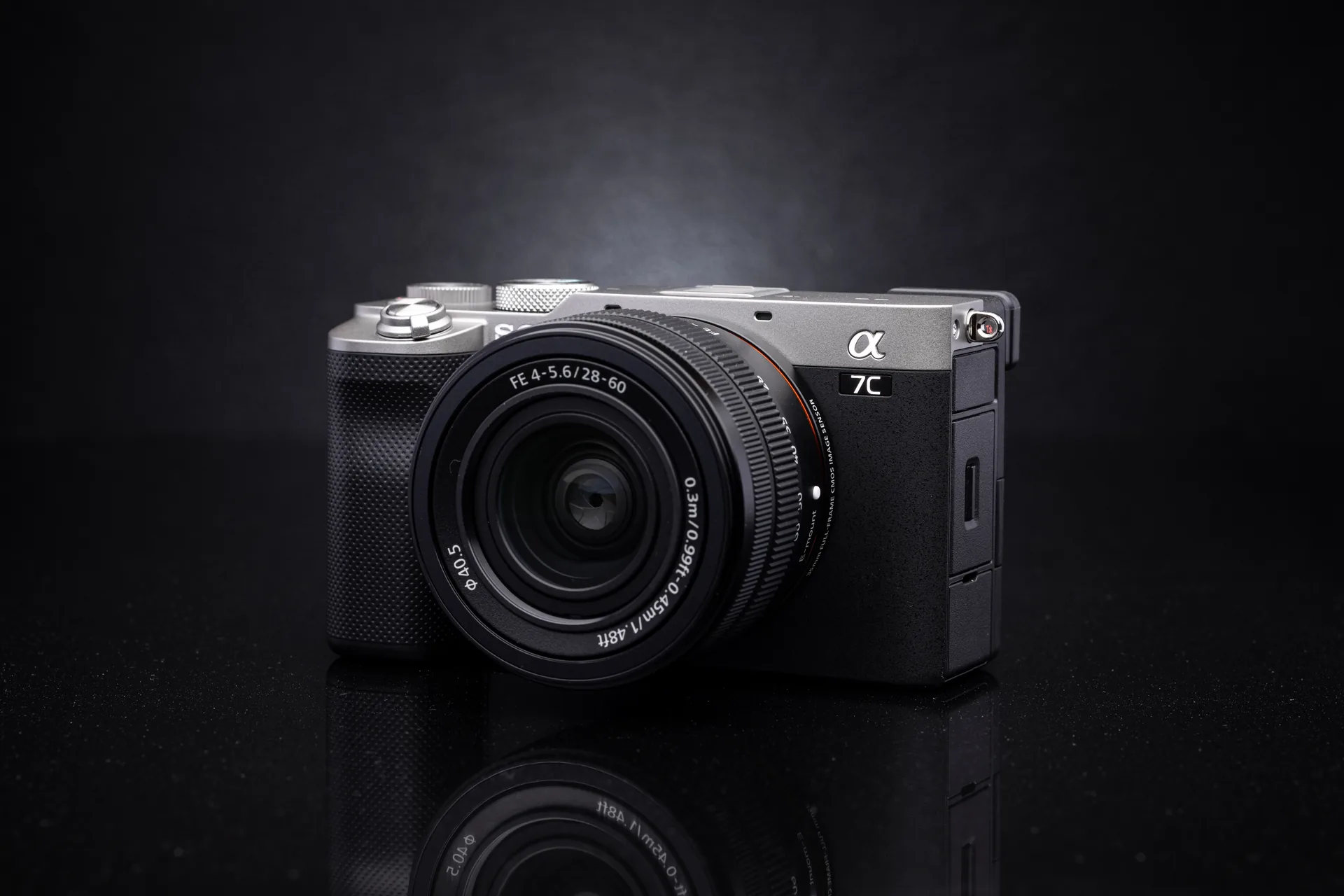
Sony a7C with the FE 28-60mm F4-5.6 (not included with the body). Photo: Henry Söderlund via Wikimedia Commons, CC BY 2.0 (resized)
HIGHLIGHTS
Sony announced the a7C on September 14, 2020 as the world's smallest and lightest full-frame camera system at the time, at $1,799.99 for the body. Sony's spec pages show the same headline numbers as the a7 III: a 24.2-megapixel back-illuminated Exmor R sensor, 693 phase-detection AF points, 5-axis in-body stabilization rated at five stops and 10 fps bursts. It fits them into a rangefinder-style body that weighs about 509 g with battery and card.
Sony added a fully articulating 3.0-inch touchscreen, Real-time Eye AF (humans and animals for stills, humans for video) and the big NP-FZ100 battery, rated for about 680 viewfinder shots (CIPA). The trade-offs come from its size: a small 0.39-inch XGA OLED viewfinder at about 0.59x, one SD card slot, a mechanical shutter that tops out at 1/4000 s (the electronic shutter reaches 1/8000 s) and 8-bit 4K video at up to 30p.
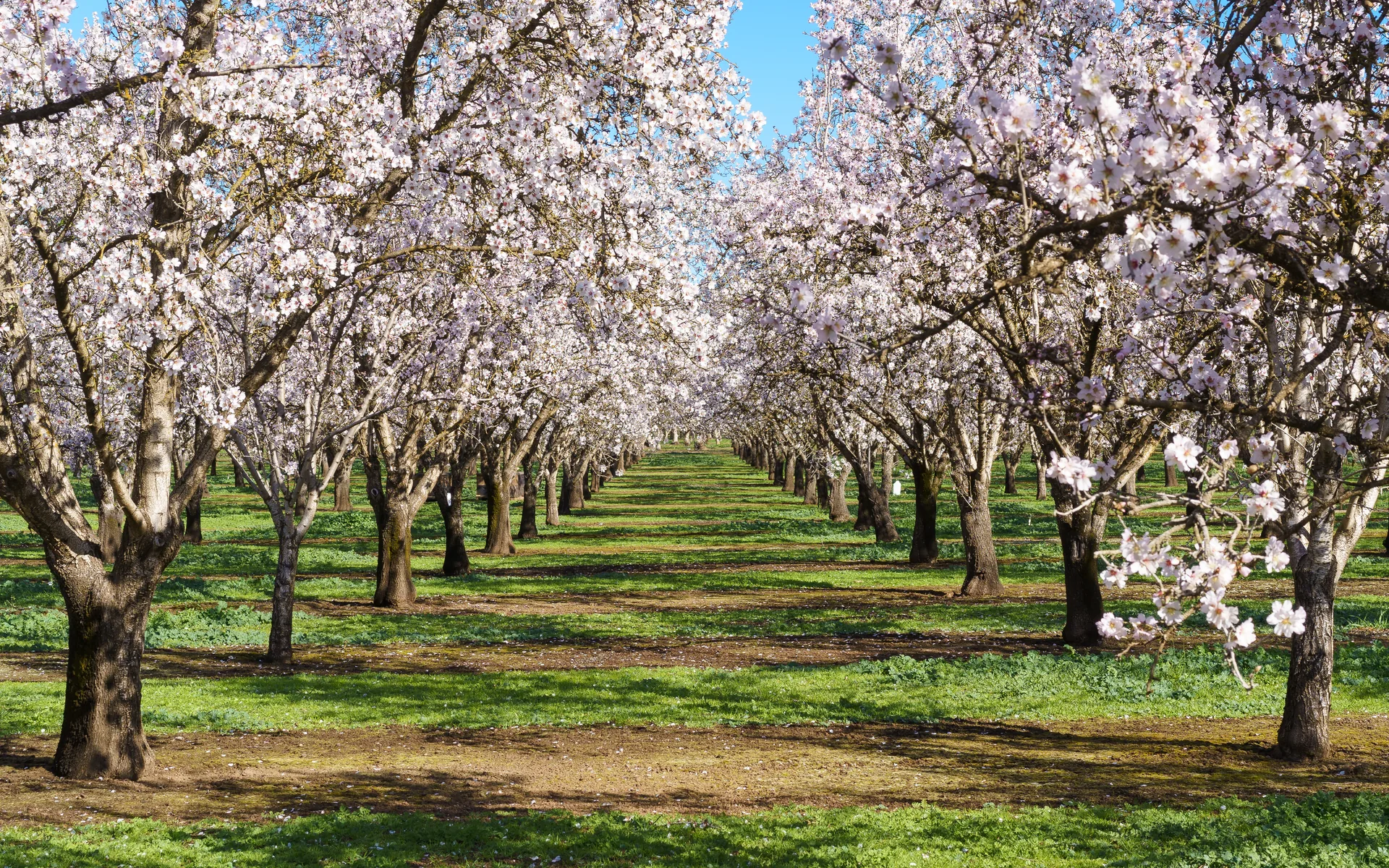
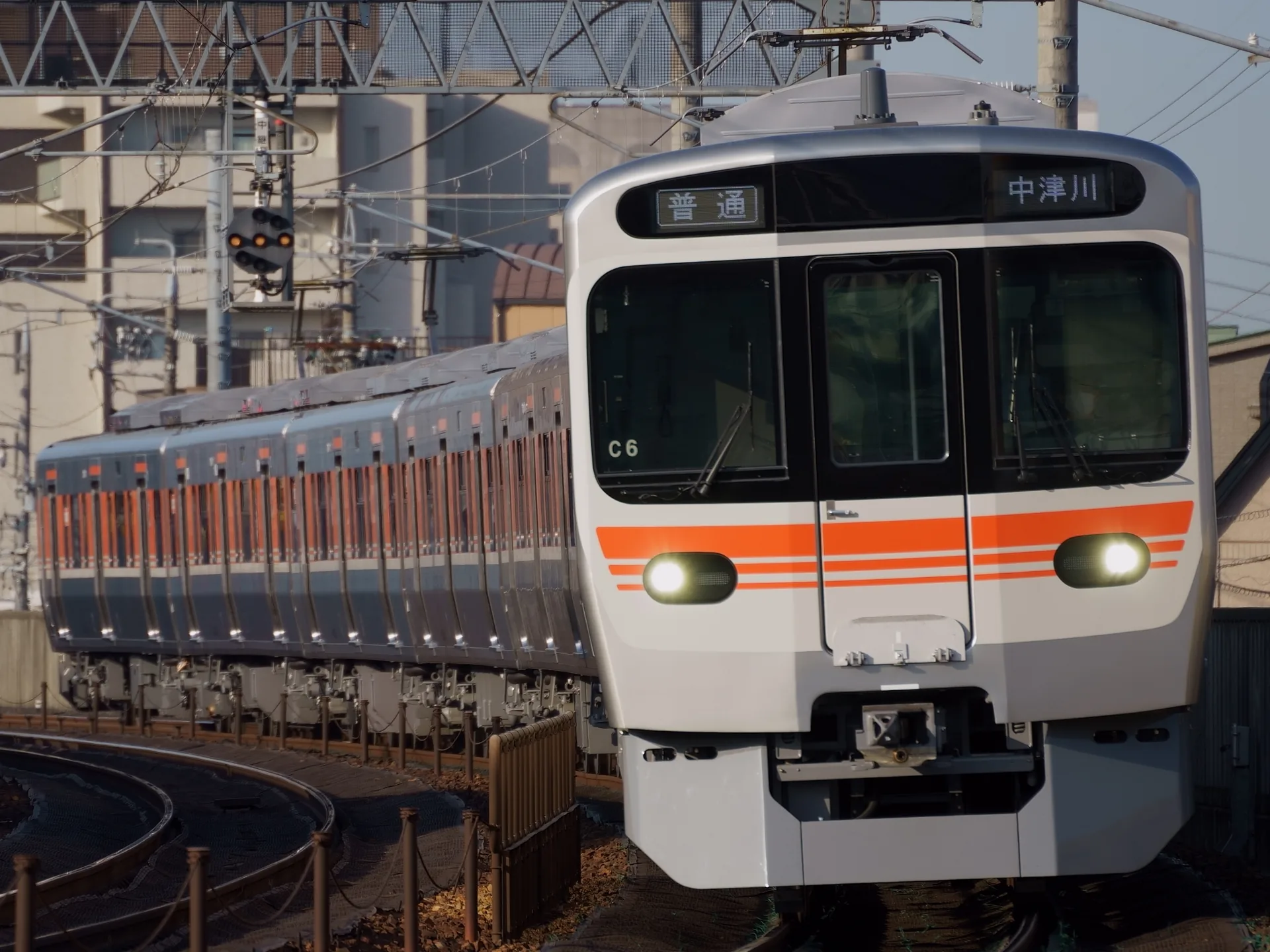
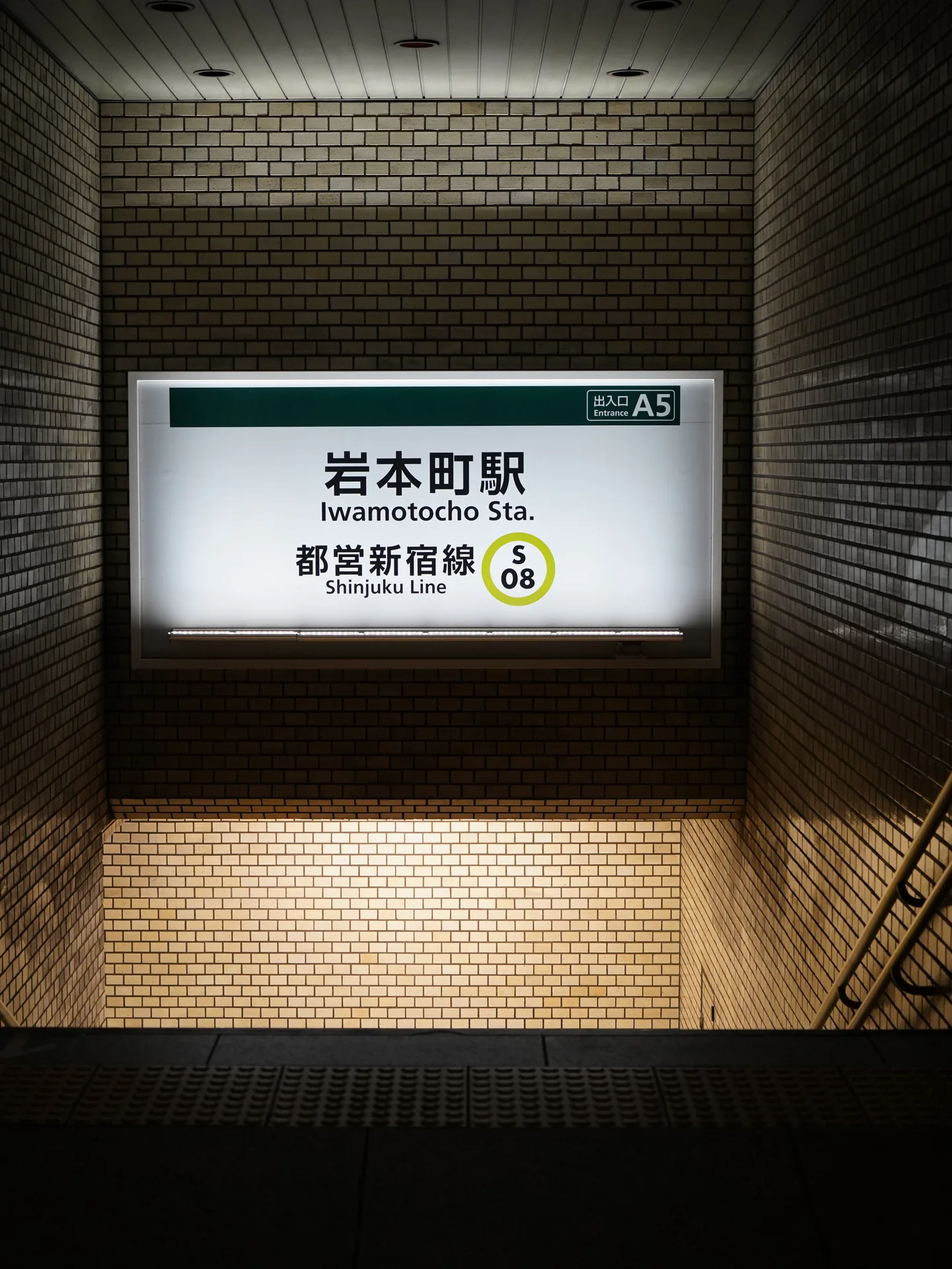
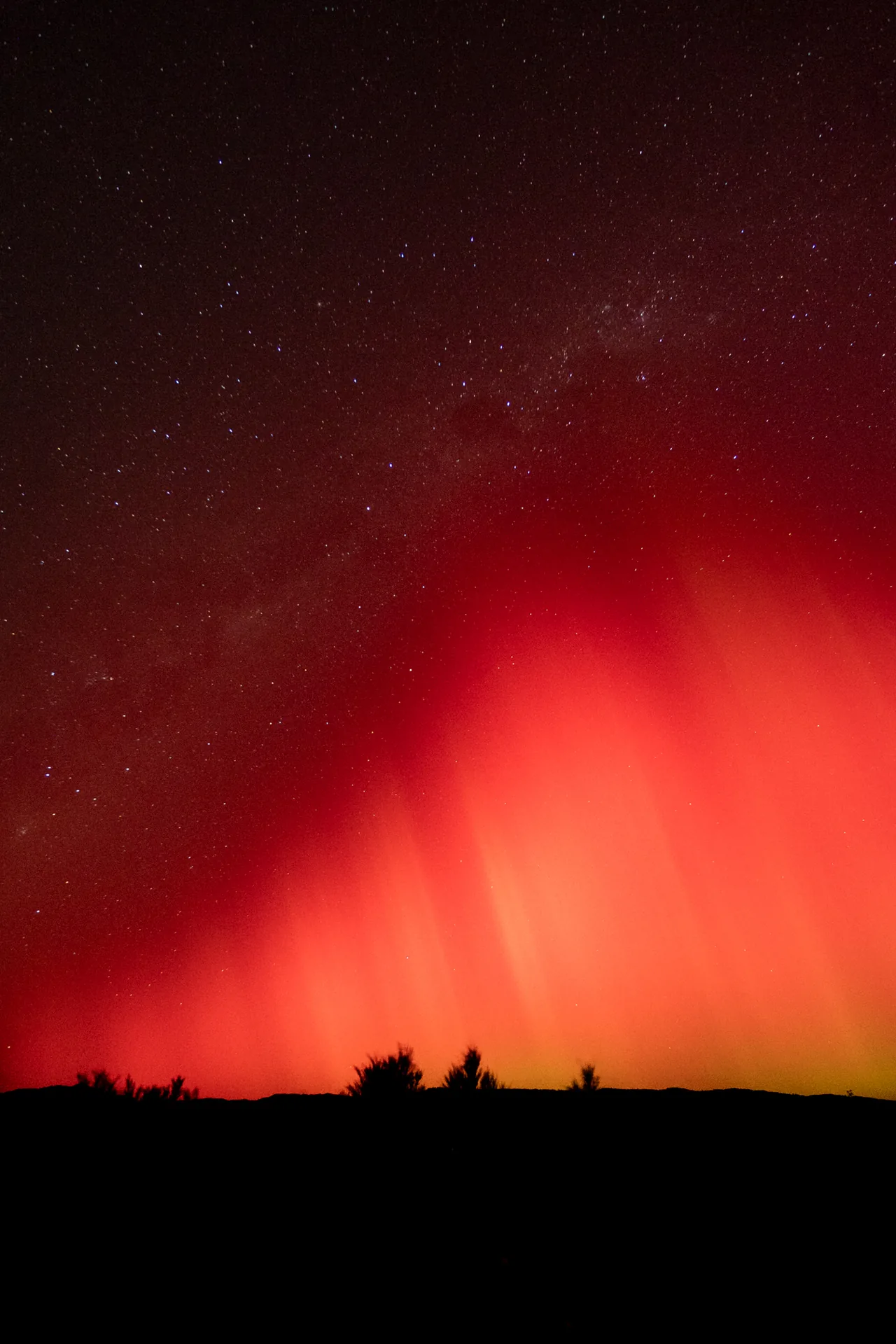
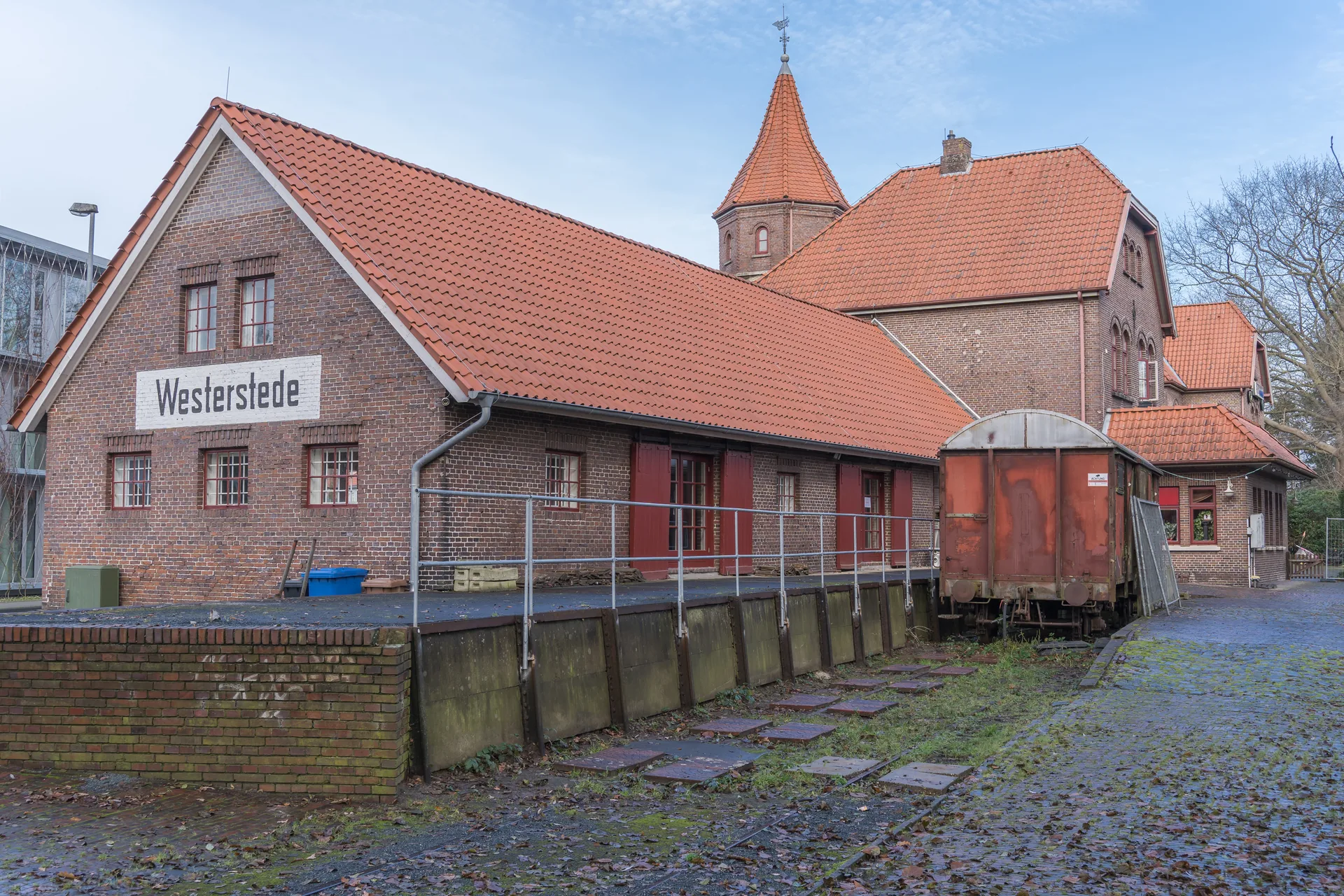
Our gallery comes from six photographers: an almond orchard in bloom near Chico, a JR Central 315 series train at 300mm, a Tokyo station exit at ISO 2000, the May 2024 aurora over Auckland, the brick station at Westerstede and a pasta dish shot at ISO 16000. Still worth it in 2026? Yes, for travel and everyday shooters who want full frame in a small body. If you want a bigger viewfinder and two card slots, look at the a7 III.
The story
Sony announced the a7C on September 14, 2020 for availability in late October at $1,799.99 body-only, or $2,099.99 with the new FE 28-60mm F4-5.6 (Sony Electronics).
Sony has since followed it with the a7C II.
Specifications
Key specs for the Sony a7C (ILCE-7C), from Sony's specifications page and Sony Electronics' September 14, 2020 announcement. Source for each row in brackets.
100–51200; expandable to 50–204800 for stills [Sony]
Autofocus
Fast Hybrid AF: 693 phase-detection points, 425 contrast-detection points; EV -4 to 20 [Sony]; Real-time Eye AF for humans and animals in stills, humans in movies [Sony Electronics]
Stabilization
5-axis sensor-shift; 5 stops (CIPA) [Sony]
Bursts
Up to 10 fps (Hi+) [Sony]
Shutter
Mechanical 1/4000–30 s; electronic 1/8000–30 s [Sony]
Viewfinder
0.39-inch XGA OLED, 2,359,296 dots, about 0.59x [Sony]
Screen
3.0-type vari-angle touchscreen, 921,600 dots (opens about 176°, rotates about 270°) [Sony]
Video
XAVC S 4K up to 30p (4:2:0 8-bit) [Sony]
Card slot
One SD (UHS-I/II) [Sony]
Battery
NP-FZ100; about 680 shots (viewfinder) / 740 (screen), CIPA [Sony]
Size / weight
124.0 × 71.1 × 59.7 mm; about 509 g with battery and card (424 g body only) [Sony]
Announced / price
Sep 14, 2020; $1,799.99 body-only, $2,099.99 with FE 28-60mm [Sony Electronics]
Sample photos
Six photos taken with the Sony a7C by six photographers, shared on Wikimedia Commons under Creative Commons licenses or in the public domain. Each caption names the lens where the file records it. Select a photo to enlarge it. More samples from Sony
55mm, f/10, ISO 100, 1/100 s: almond bloom near Chico, California (FE 55mm F1.8 ZA). Photo: Frank Schulenburg via Wikimedia Commons, CC BY-SA 4.0 (resized)300mm, f/6.3, ISO 100, 1/250 s: a JR Central 315 series train (Tamron 70-300mm F4.5-6.3 Di III RXD). Photo: ひろばのさるの via Wikimedia Commons, CC BY-SA 4.0 (resized)
51mm, f/4.5, ISO 2000, 1/125 s: Exit A5 of Iwamotocho station, Tokyo, at night (FE 24-70mm F4 ZA OSS). Photo: Eavesdropper6735 via Wikimedia Commons, CC0 (resized)10mm, f/4, ISO 2500, 5 s: the aurora over Auckland on May 11, 2024 (E 10-18mm F4 OSS, an APS-C lens). Photo: Aaron Cluka via Wikimedia Commons, CC BY-SA 2.0 (resized)
38mm, f/8, ISO 100, 1/60 s: Westerstede station, Germany (FE 28-60mm F4-5.6). Photo: Axel Krebs via Wikimedia Commons, CC BY-SA 4.0 (resized)34mm, f/14, ISO 16000, 1/500 s: a pasta dish (Tamron 28-200mm F2.8-5.6 Di III RXD). Photo: Miguel Discart via Wikimedia Commons, CC BY-SA 2.0 (resized)
Sony: Launched at $1,799.99 in 2020, body only. Since followed by the a7C II.
Verdict
Still worth it in 2026? Yes, for travel and everyday shooters who want a 24.2MP full-frame sensor, 5-stop IBIS and a vari-angle screen in a 509 g body.
Choose the a7 III instead if you want a bigger 0.78x viewfinder, a 1/8000 s mechanical shutter and two card slots.