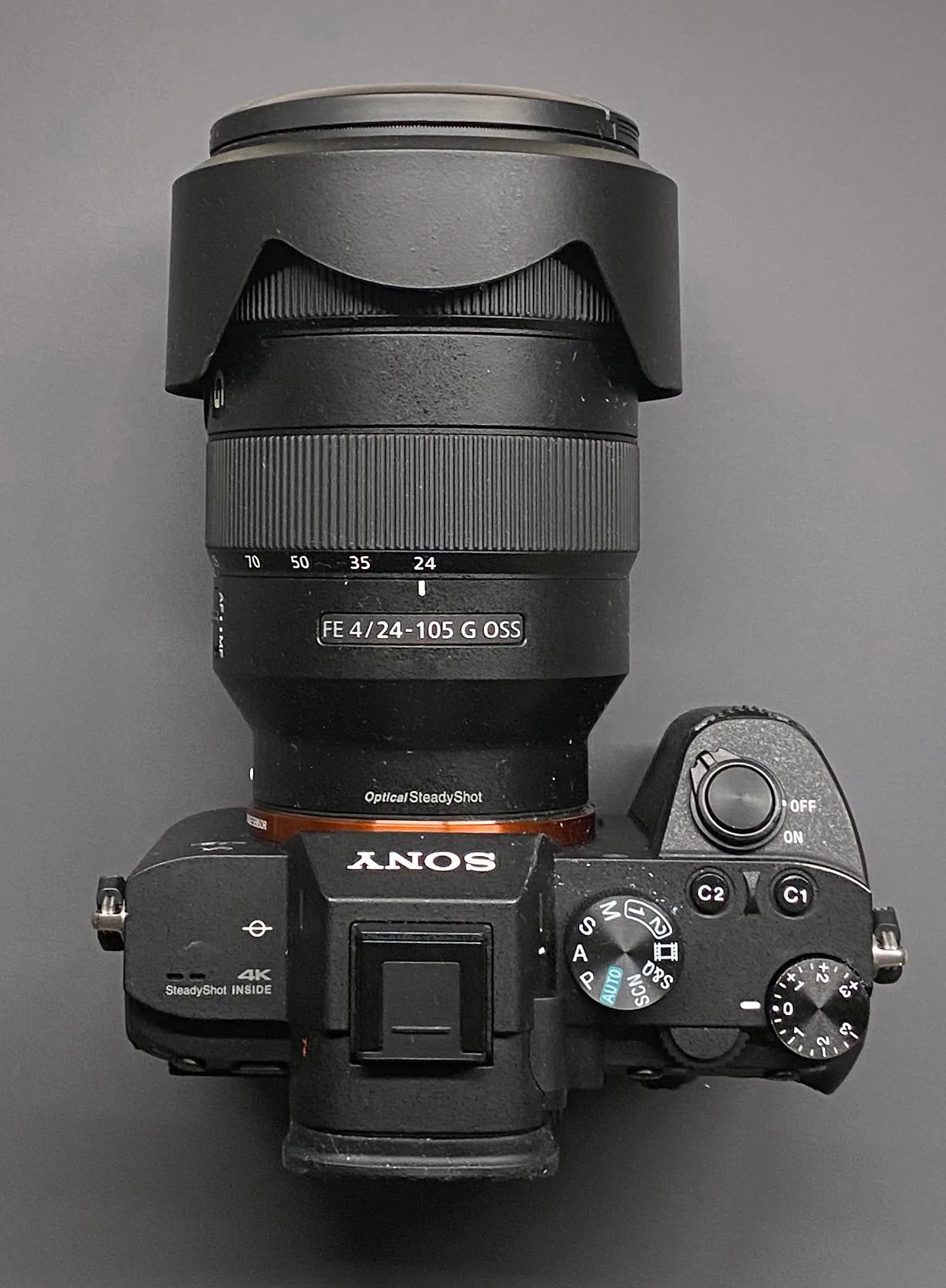
Sony a7 III, shown with the FE 24-105mm F4 G OSS (not included with the body). Photo: HellcatSRT via Wikimedia Commons, CC0
HIGHLIGHTS
The a7 III is the camera that made full-frame mirrorless feel normal, and it's still sold new in 2026. Its 24.2-megapixel back-illuminated sensor, 693-point phase-detect autofocus and 5-axis in-body stabilization (rated at 5 stops) cover almost everything a hobbyist or event shooter needs. The NP-FZ100 battery is rated for about 610 shots through the viewfinder and 710 on the screen, so one charge lasts a full day.
The catch is age. Next to the a7 IV and a7 V, it gives up resolution, newer subject-detection AF and modern video. Bursts top out at 10 fps, video at 4K/30p in 8-bit, and the 921,600-dot rear screen only tilts. For stills-first buyers, that may matter less.
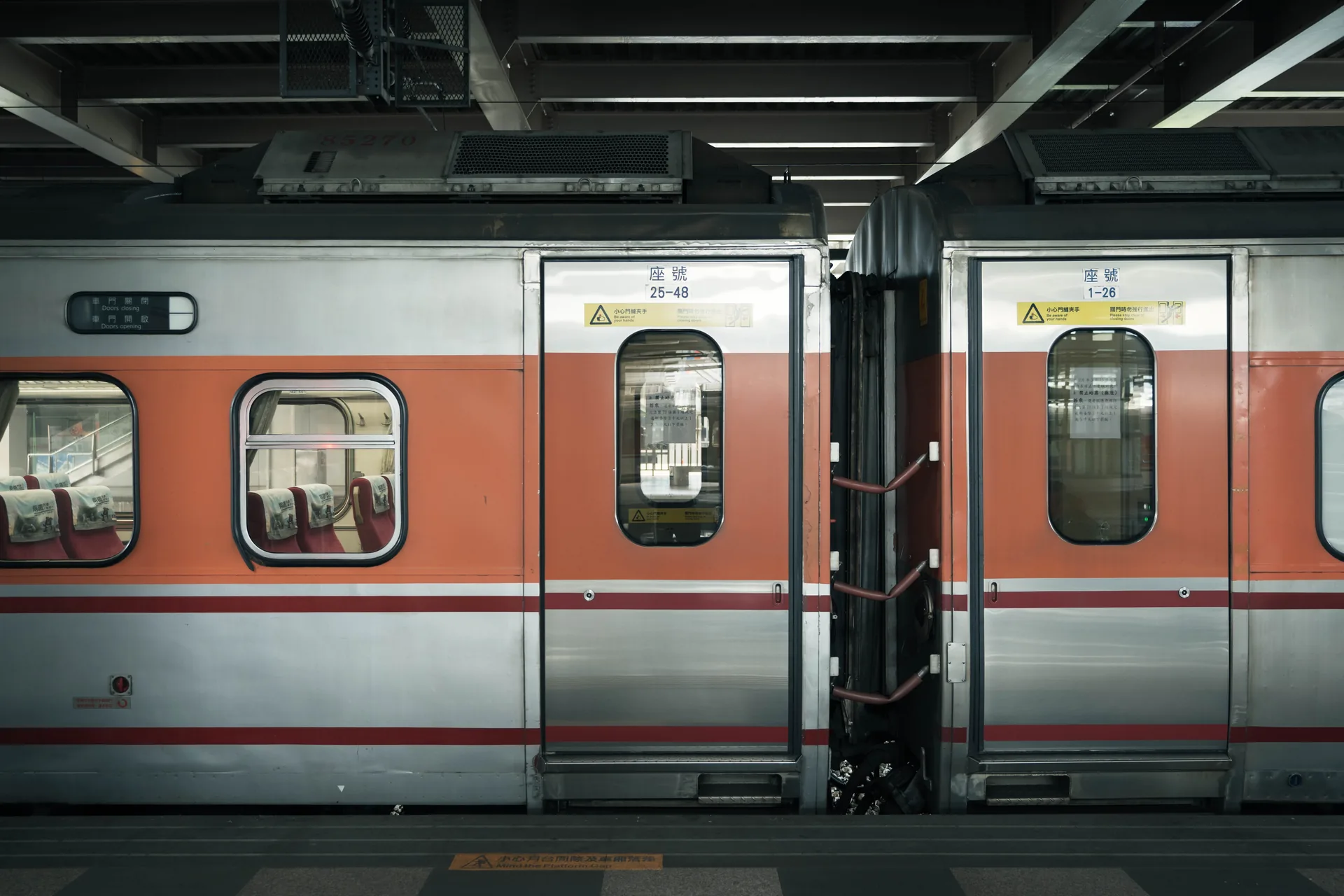
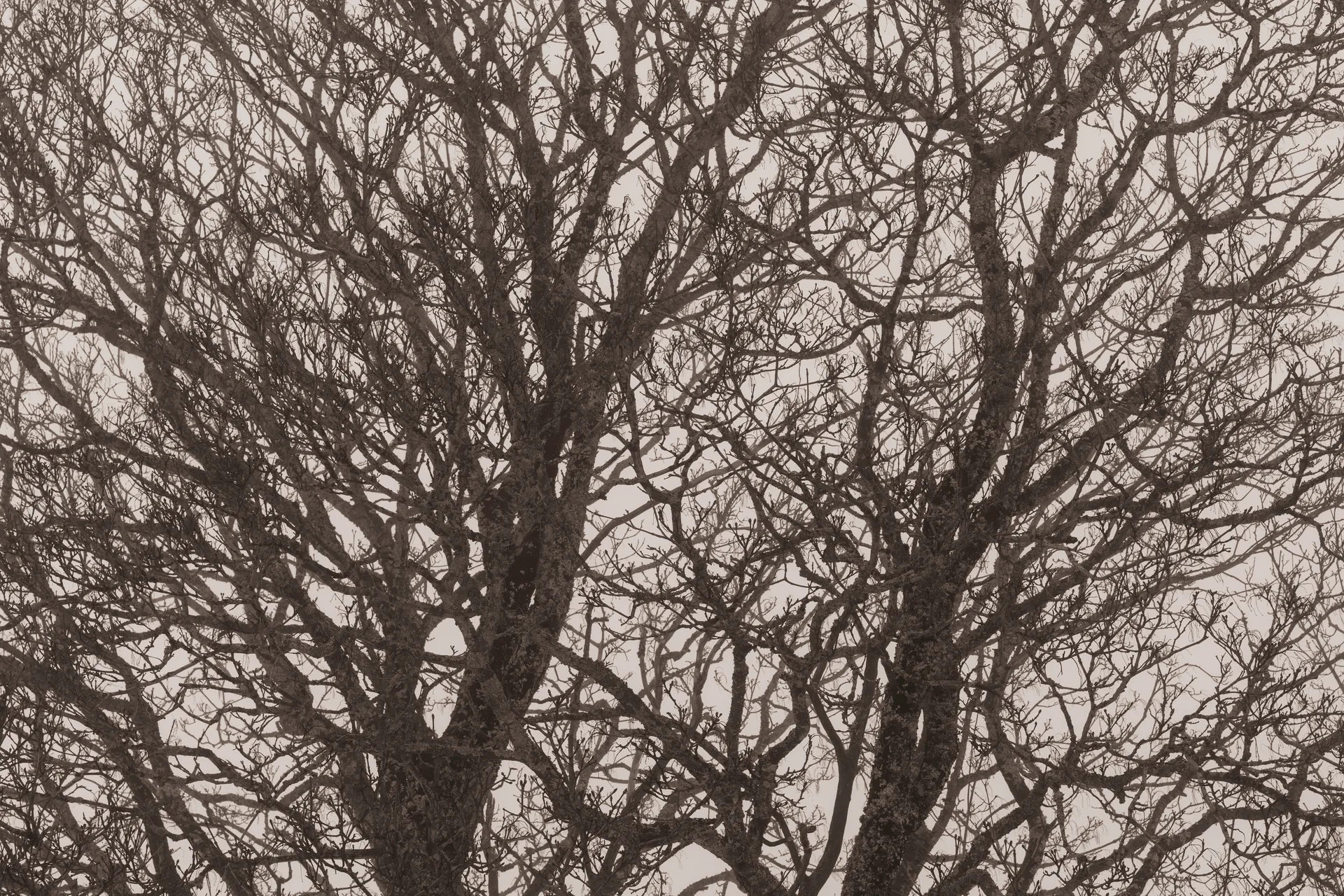
Our gallery comes from six photographers using six different lenses, from a Tamron 28-200 to the FE 16-35mm GM: a New Zealand robin at ISO 12800, a Hualien train at 1/30 s, Tokyo storefronts and a black-and-white study of Norwegian trees. Digital Camera World still recommends it eight years on.
The story
Sony announced the α7 III (ILCE-7M3) on February 26, 2018 as the "basic" model of its full-frame line, at $2,000 body-only or $2,200 with the FE 28-70mm kit lens (Sony release).
It has outlived two successors: the 33MP a7 IV arrived in 2021 and the a7 V in December 2025, but Sony still sells the a7 III.
Sony still sells the a7 III new.
Specifications
Key verified specs for the Sony a7 III (ILCE-7M3), from Sony USA's specifications page and Sony's February 26, 2018 release. Source for each row in brackets.
100–51200; expandable to 50–204800 for stills [Sony]
Autofocus
Fast Hybrid AF: 693 phase-detection points, 425 contrast-detection points; Eye AF; EV -3 to 20 [Sony]
Stabilization
5-axis sensor-shift; 5.0 stops (CIPA, with Planar T* FE 50mm F1.4 ZA) [Sony]
Bursts / shutter
Up to 10 fps (Hi+); 1/8000–30 s; flash sync 1/250 s [Sony]
Video
4K (3840 × 2160) up to 30p, Full HD up to 120p; XAVC S; S-Log2, S-Log3 and HLG picture profiles [Sony]
Viewfinder
0.5-inch OLED EVF, 2,359,296 dots, about 0.78x [Sony]
Screen
3.0-type tilting touchscreen, 921,600 dots (up about 107°, down about 41°) [Sony]
Card slots
Two: SD (UHS-I/II) and SD/Memory Stick (UHS-I) [Sony]
Ports / wireless
USB-C (USB 3.1 Gen 1) and micro USB, micro HDMI, 3.5mm mic and headphone; 2.4 GHz Wi-Fi, Bluetooth 4.1, NFC [Sony]
Battery
NP-FZ100; about 610 shots (viewfinder) / 710 (screen), CIPA [Sony]
Size / weight
126.9 × 95.6 × 73.7 mm; about 650 g with battery and card [Sony]
Announced / price
Feb 26, 2018; $2,000 body-only, $2,200 with FE 28-70mm [Sony]
Sample photos
Six photos taken with the Sony a7 III by six photographers, shared on Wikimedia Commons under Creative Commons licenses. Each caption names the lens. Select a photo to enlarge it.
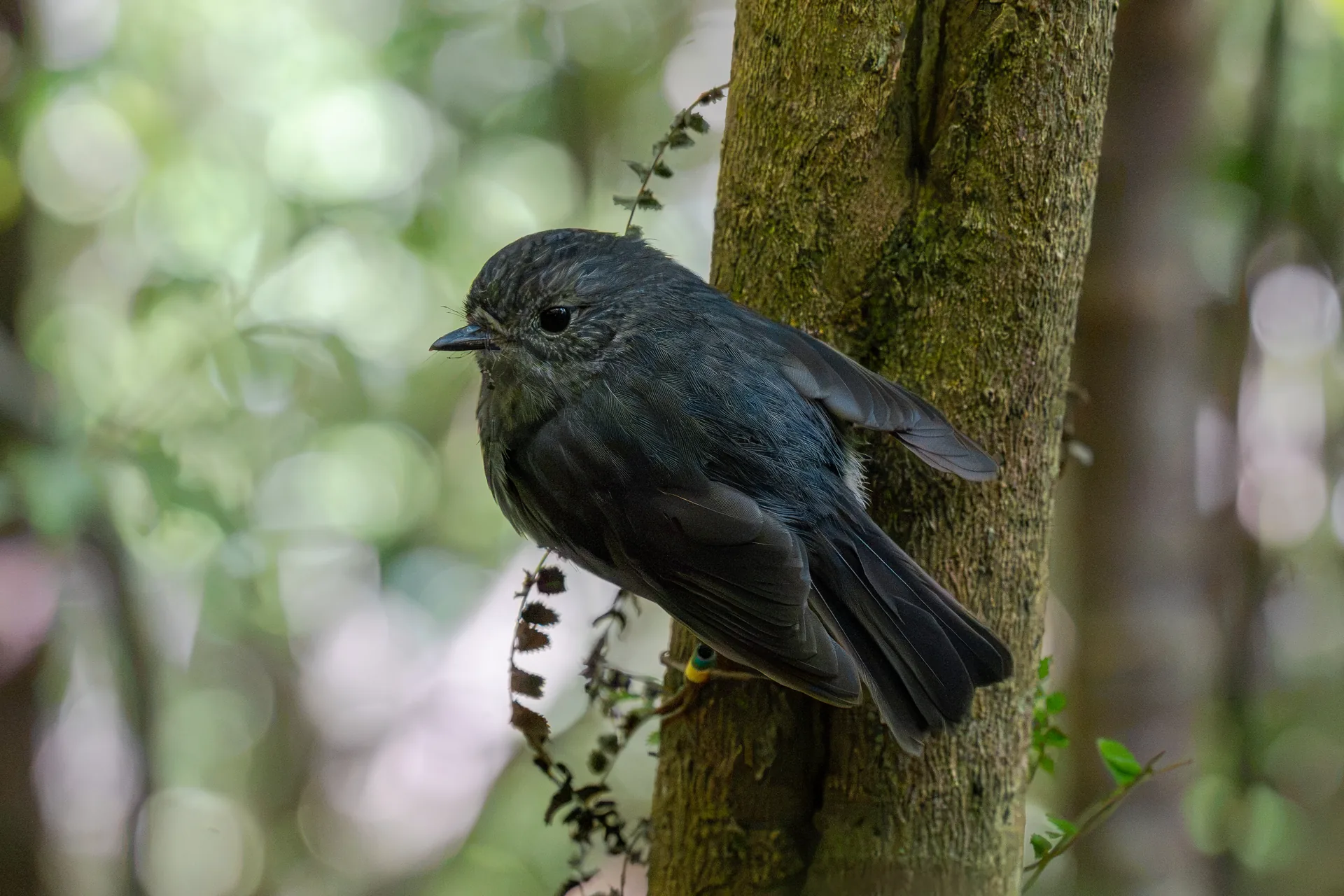
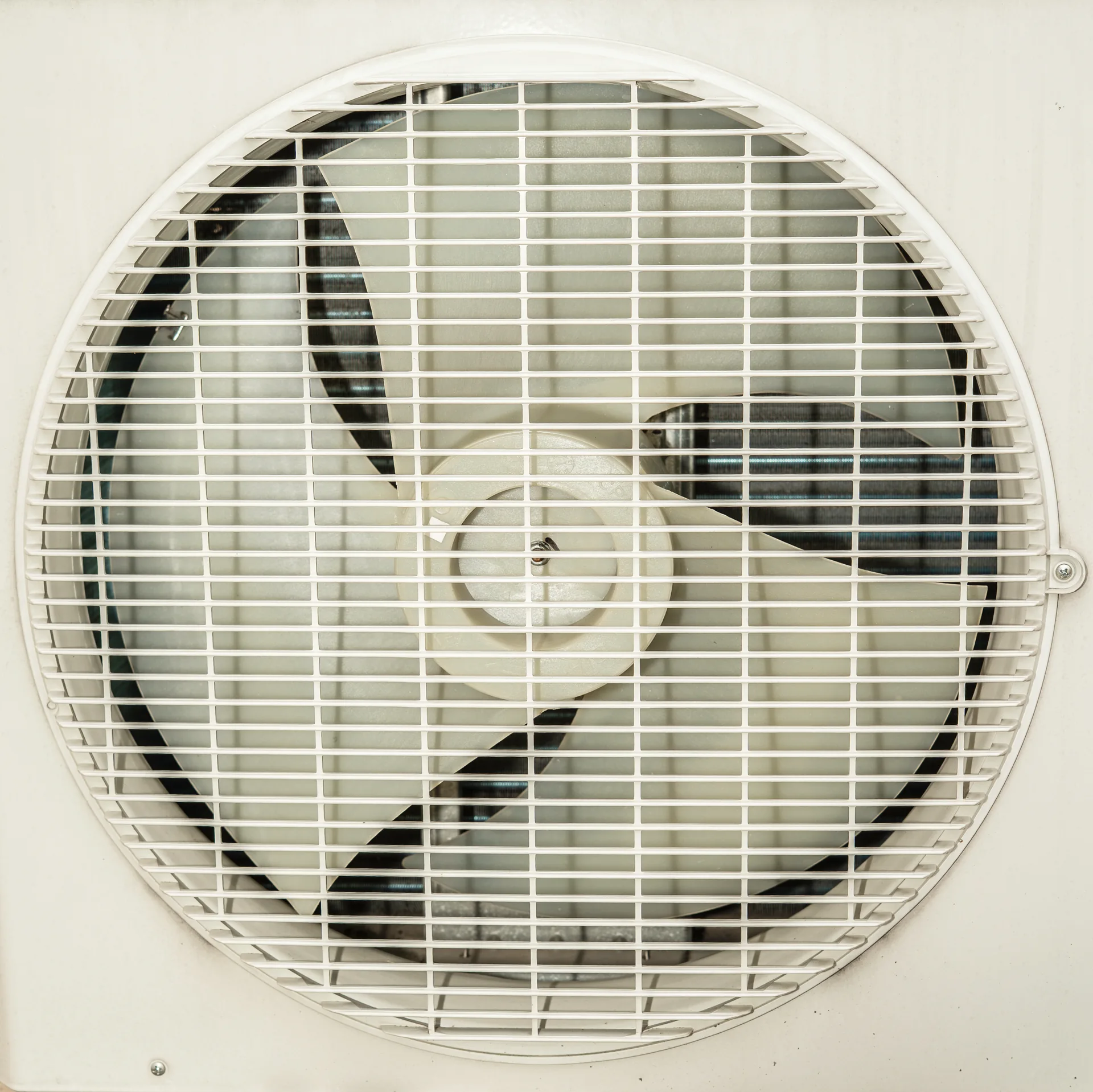
200mm, f/7.1, ISO 12800, 1/1600 s: a toutouwai (North Island robin) on a mossy trunk (Tamron 28-200mm F2.8-5.6 Di III RXD). Photo: Nil NZ via Wikimedia Commons, CC BY-SA 4.0 (resized)50mm, f/5.6, ISO 100, 1/250 s: the fan grille of an air-conditioner outdoor unit (Sony FE 50mm F1.8). Photo: Joydeep Chakraborty via Wikimedia Commons, CC BY-SA 4.0 (resized)
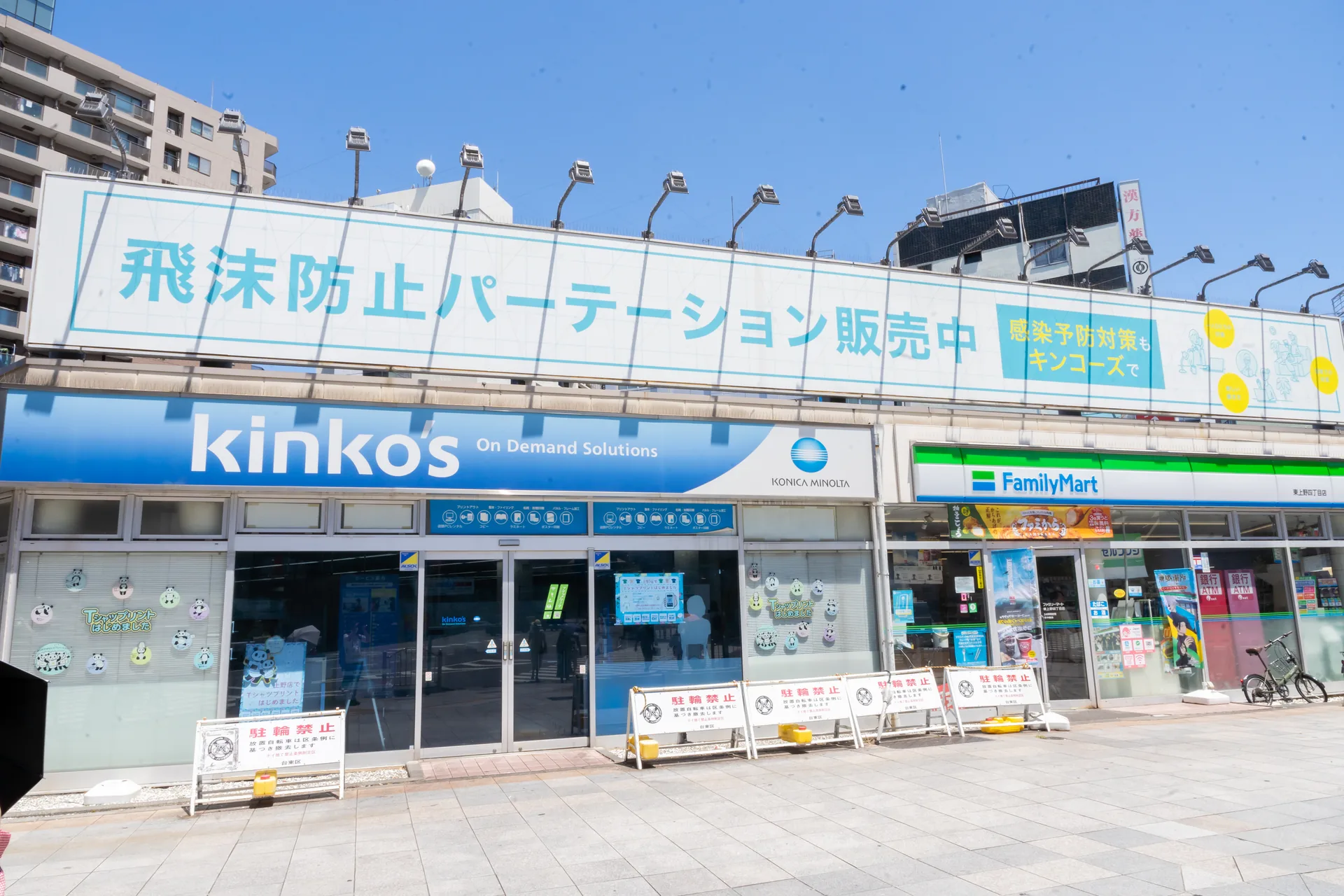
24mm, f/22, ISO 640, 1/250 s: Kinko's and FamilyMart storefronts in Ueno, Tokyo (Sigma 24-70mm F2.8 DG DN | Art). Photo: Dick Thomas Johnson via Wikimedia Commons, CC BY 2.0 (resized)27mm, f/2.8, ISO 320, 1/30 s: a push-pull train at Hualien Station, Taiwan (Sony FE 16-35mm F2.8 GM). Photo: Li Chen LIN via Wikimedia Commons, CC BY 2.0 (resized)
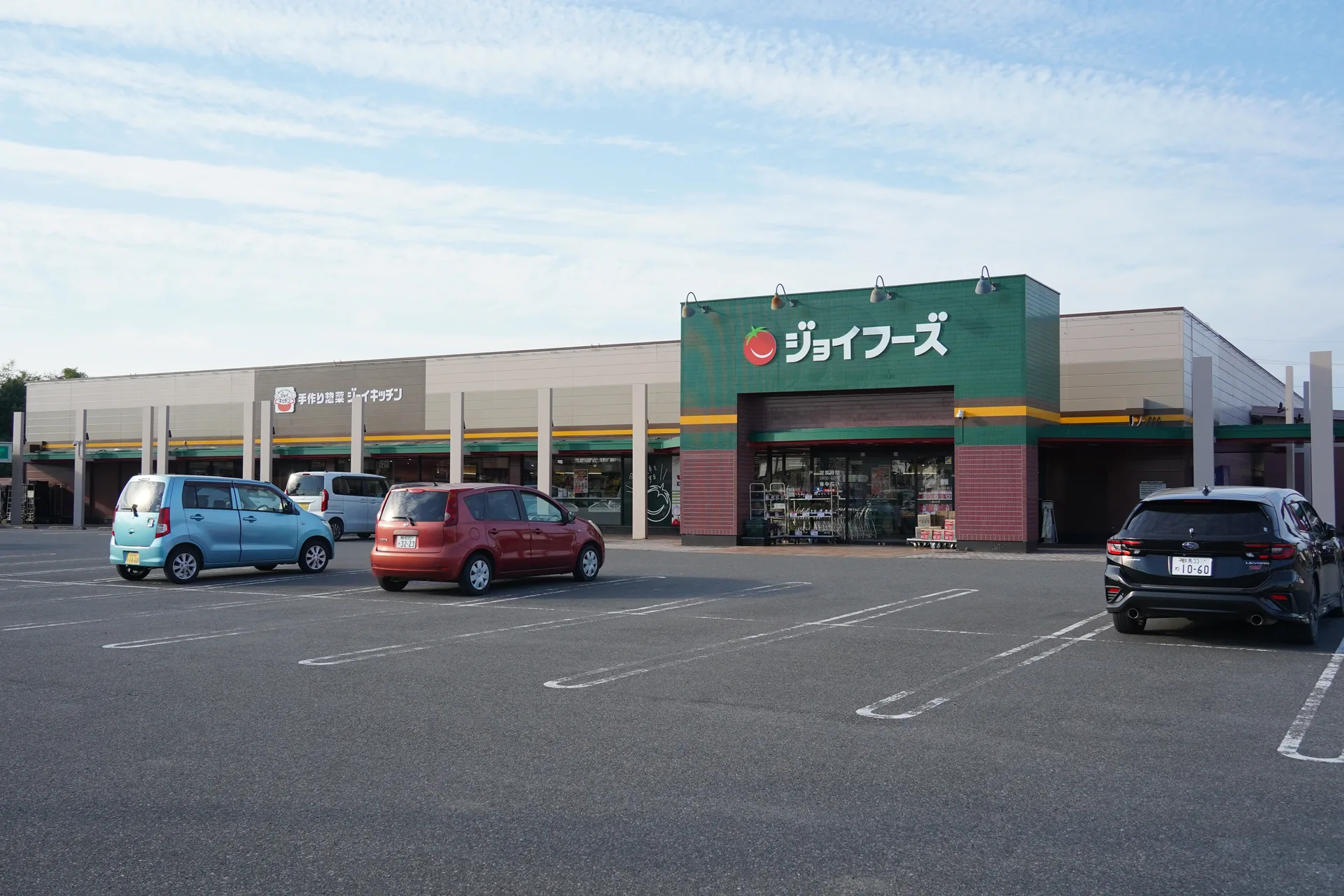
75mm, f/13, ISO 640, 1/80 s: bare trees at Grue farm, Hurdal, Norway, in black and white (Tamron 28-75mm F2.8). Photo: Øyvind Holmstad via Wikimedia Commons, CC BY-SA 4.0 (resized)34mm, f/8, ISO 1600, 1/2000 s: a Joy Foods supermarket in Shimohamada, Japan (Tamron 28-200mm F2.8-5.6 Di III RXD). Photo: IXTA9839 via Wikimedia Commons, CC BY-SA 4.0 (resized)
Sony: Launched at $2,000 in 2018 (body only; $2,200 with the FE 28-70mm).
Verdict
Buy it if you want full-frame stills with IBIS. The sensor, stabilization and battery life still hold up.
Step up to the a7 IV or a7 V if video, higher resolution or modern subject-detection AF matter to you.