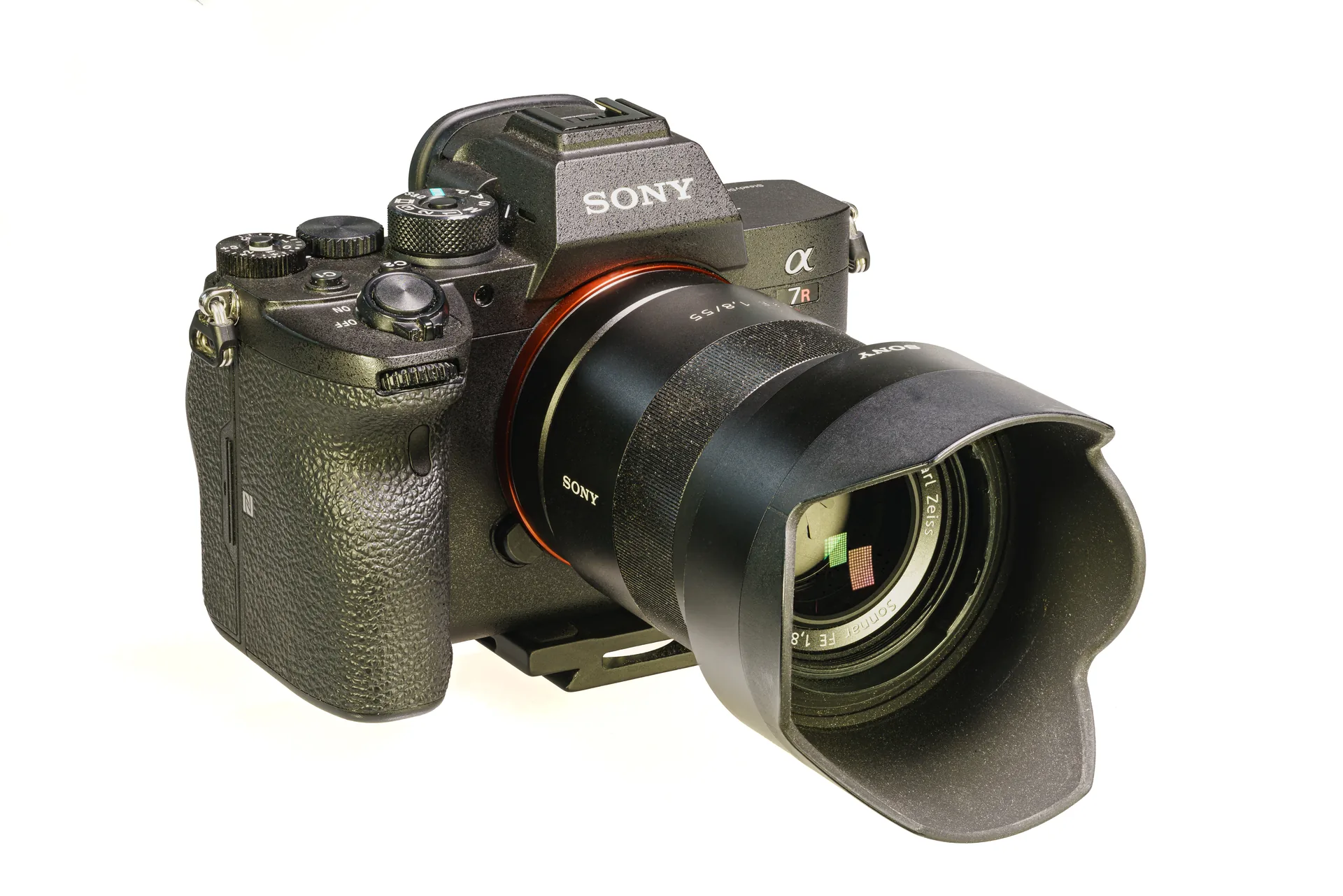
Sony a7R IV with a Zeiss Sonnar FE 55mm F1.8 ZA (lens not included with the body). Photo: Franz van Duns via Wikimedia Commons, CC BY-SA 4.0 (resized)
HIGHLIGHTS
Sony announced the a7R IV on July 16, 2019 with what it called the world's first 61-megapixel back-illuminated full-frame sensor, and claims 15 stops of dynamic range at low ISO. Cropping to APS-C still leaves a 26.2MP file, and Pixel Shift Multi Shooting combines 16 frames into a 240.8MP composite for still life and architecture. Despite the resolution, it shoots up to 10 fps with AF/AE tracking using 567 phase-detection points, and Real-time Eye AF works on people and animals.
Sony also reworked the handling. The a7R IV got a bigger grip, a 5.76M-dot viewfinder, better dust and moisture resistance and two UHS-II SD slots, plus 5 GHz Wi-Fi with wireless tethering and FTP transfer. The five-axis IBIS is rated at 5.5 stops. It records 4K across the full sensor width, or with full pixel readout in Super 35, with S-Log3 and HLG. The NP-FZ100 is rated for about 530 viewfinder shots. The 1.44M-dot touchscreen is the spec that has dated most.
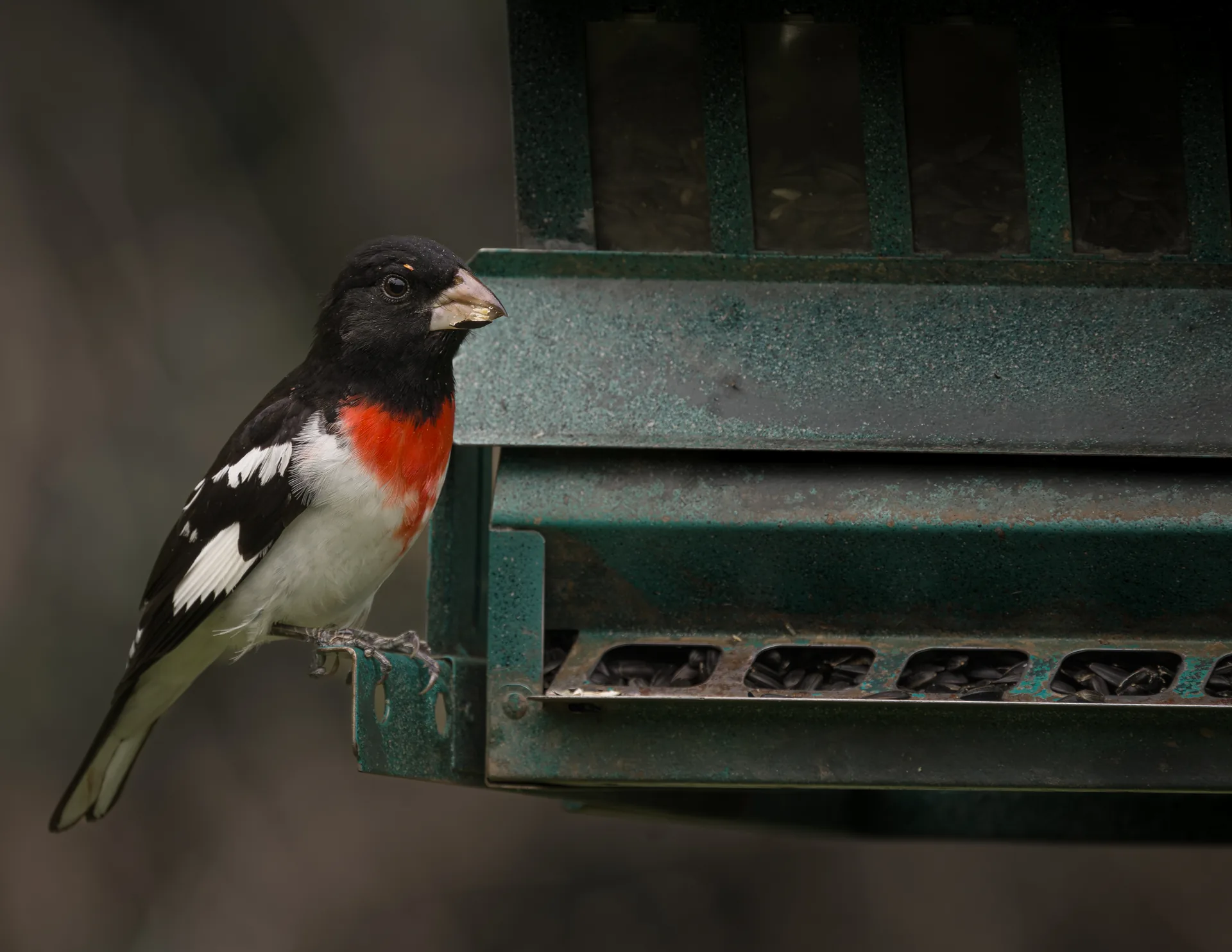
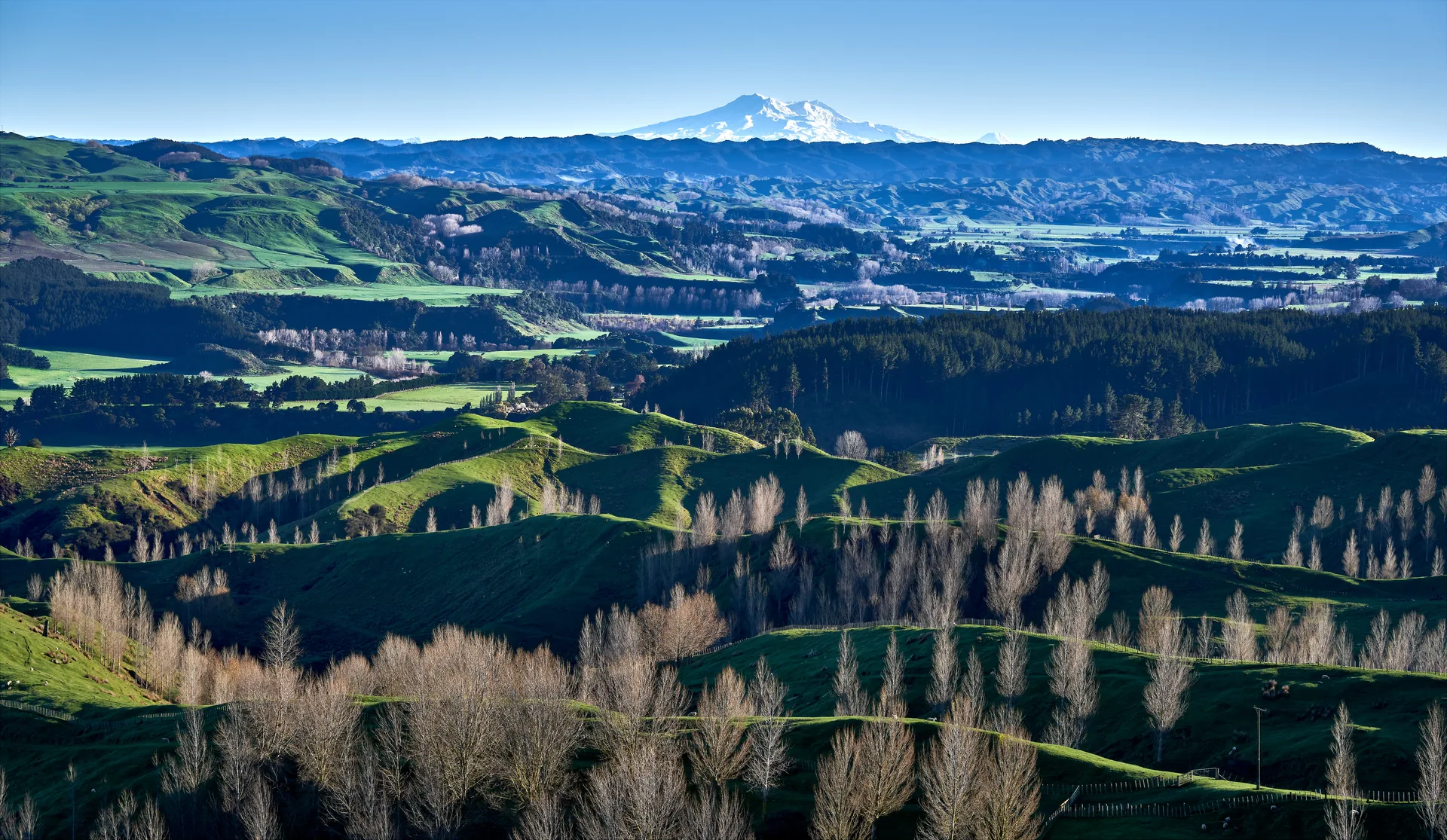
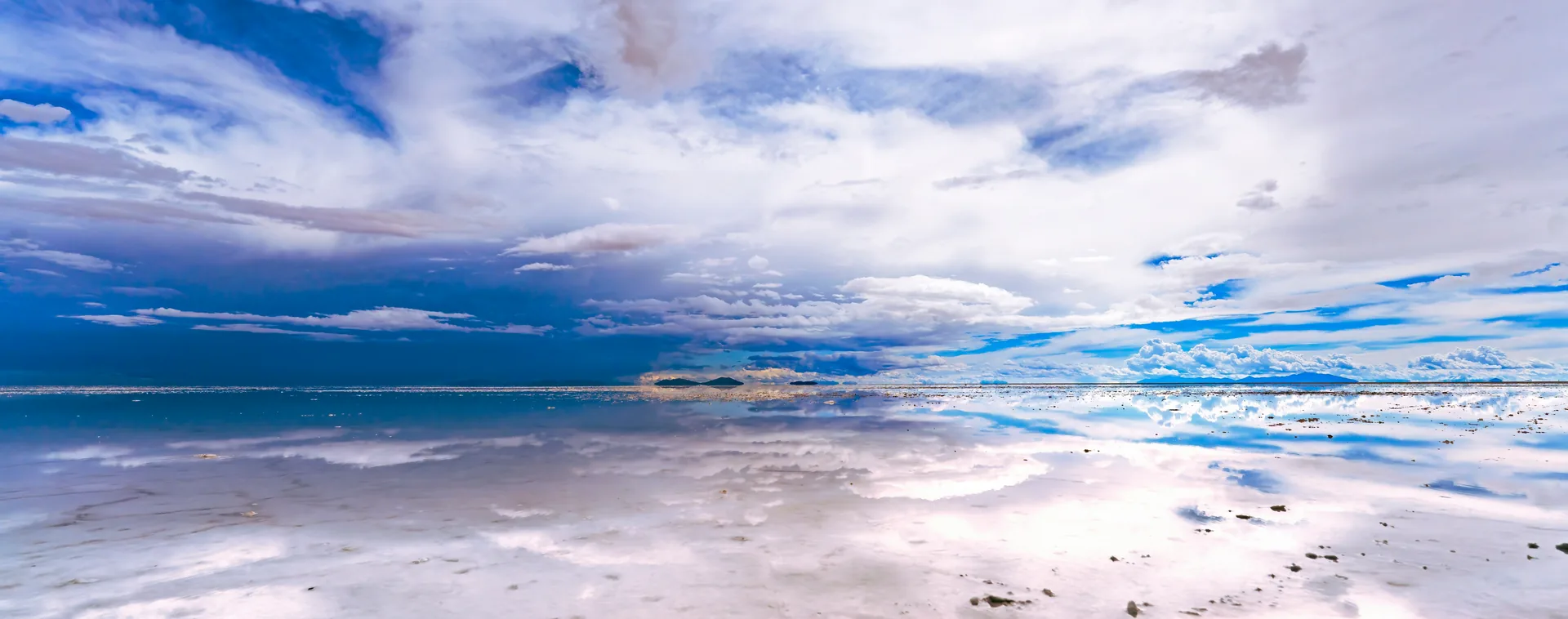
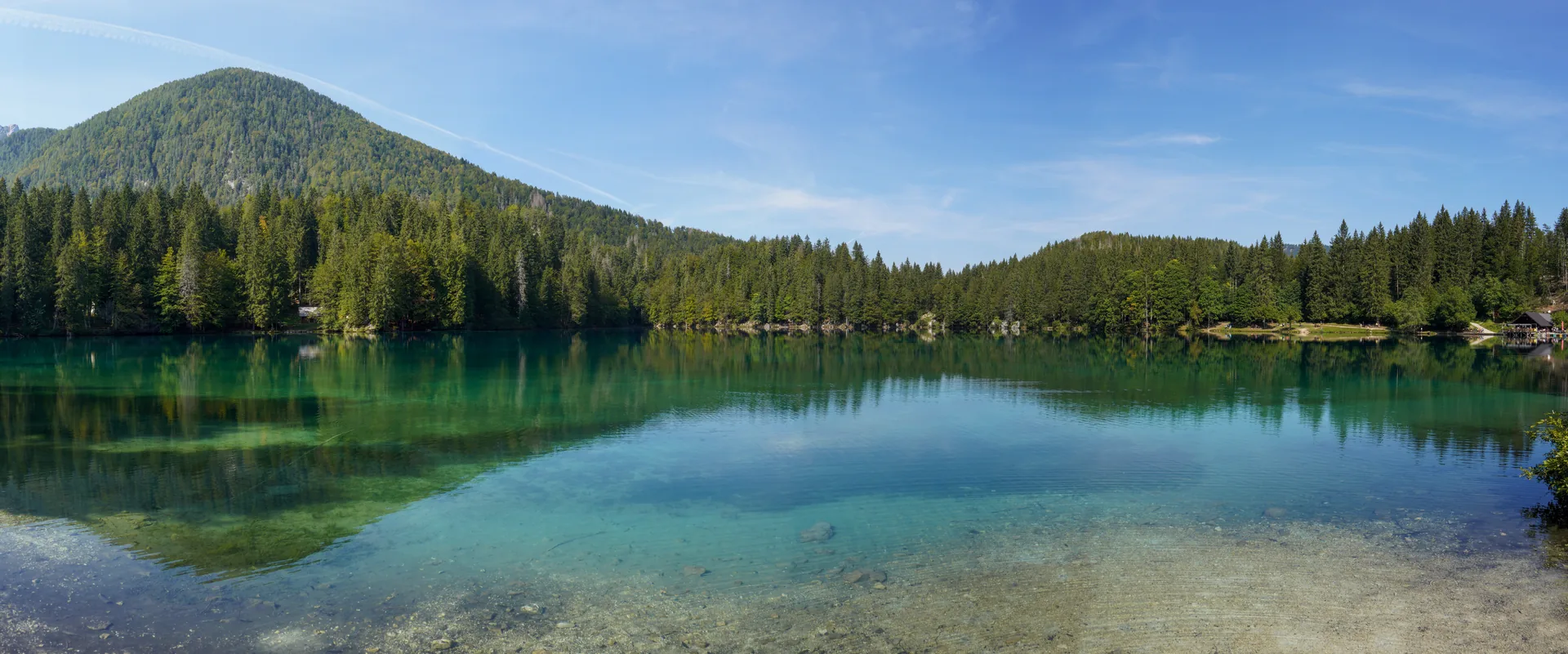
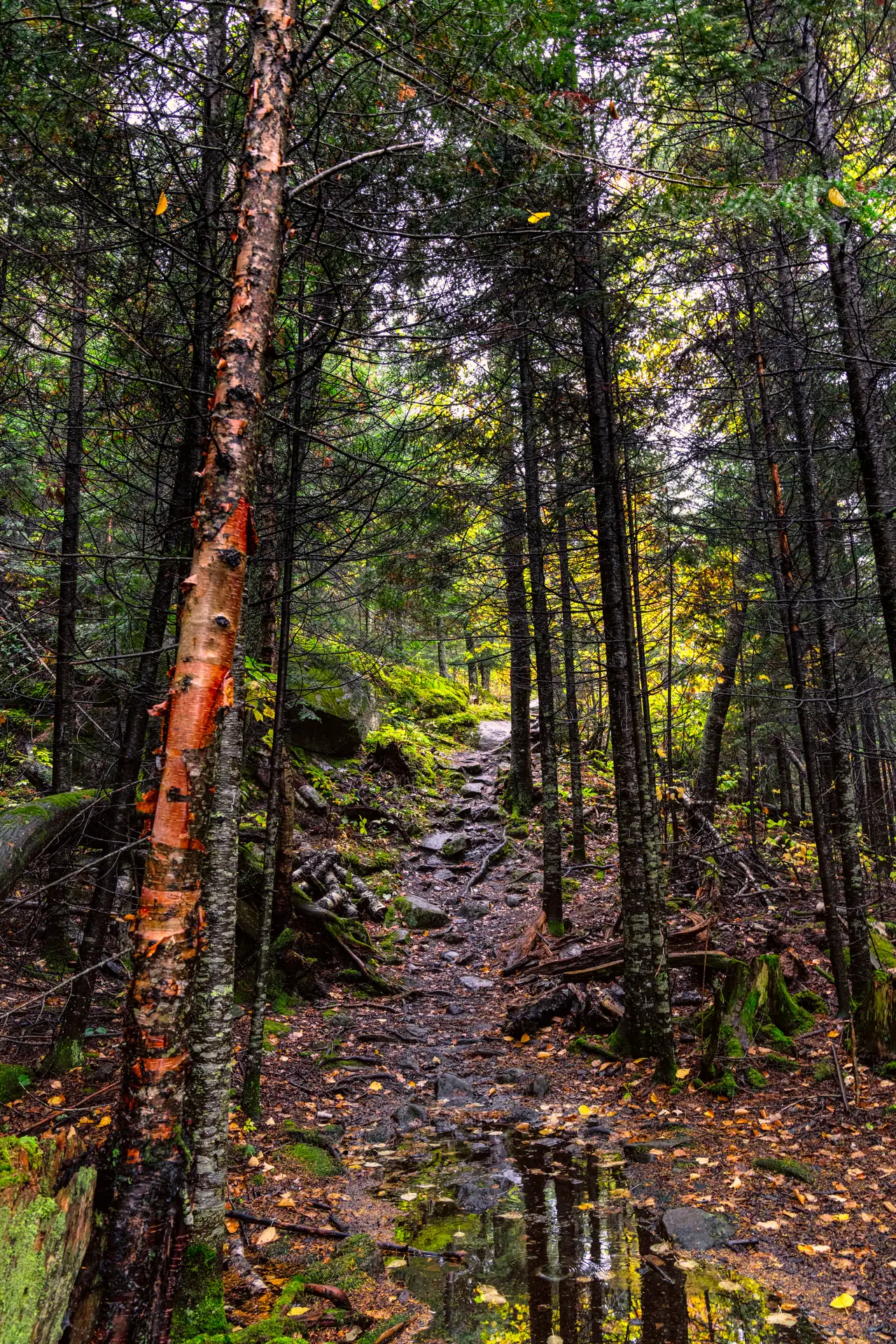
Our gallery comes from six photographers: a Howe Sound sunset, a rose-breasted grosbeak on the FE 200-600, Mount Ruapehu, Bolivia's Salar de Uyuni, Lake Fusine and Minnesota's Superior Hiking Trail. Still worth it in 2026? Yes, if you want 61MP files for landscape, studio or crop-heavy wildlife work. For an all-rounder with smaller files, look at the a7 IV.
The story
Sony announced the a7R IV (ILCE-7RM4) on July 16, 2019 at $3,500 body-only, shipping in September 2019 (Sony Electronics).
The later a7R IVA (ILCE-7RM4A) is a separate model and is not covered here.
Specifications
Key specs for the Sony a7R IV, from Sony Electronics' July 16, 2019 announcement and Sony's ILCE-7RM4 Help Guide. Source for each row in brackets.
Sensor
About 61.0MP full-frame (35.7 × 23.8 mm) back-illuminated Exmor R CMOS; 26.2MP in APS-C crop mode [Sony]
Processor
BIONZ X [Sony]
ISO
100–32000; expandable to 50–102400 [Sony]
Autofocus
567 phase-detection points (about 74% coverage) + 425 contrast points; Real-time Eye AF for people and animals (stills), people (movies) [Sony]
Stabilization
5-axis in-body; 5.5 stops (CIPA) [Sony]
Bursts
Up to 10 fps with AF/AE tracking [Sony]
Pixel Shift
16 frames composited into a 240.8MP image (Imaging Edge) [Sony]
Video
4K full-width, or Super 35 4K with full pixel readout (no binning); S-Log2/S-Log3, HLG; Full HD up to 120 fps [Sony]
Viewfinder
0.5-inch OLED, 5.76 million dots, 0.78x; 60/120 fps [Sony]
Screen
3.0-inch touchscreen, about 1.44 million dots [Sony]
Card slots
Two SD (both UHS-II) [Sony]
Ports / wireless
USB-C (USB 3.2 Gen 1), mic and headphone jacks, digital-audio Multi Interface Shoe; Wi-Fi 2.4/5 GHz [Sony]
Battery
NP-FZ100; about 530 shots (viewfinder) / 670 (LCD), CIPA [Sony]
Size / weight
128.9 × 96.4 × 77.5 mm; about 665 g with battery and SD card [Sony]
Announced / price
Jul 16, 2019; $3,500 body-only [Sony]
Sample photos
Six photos taken with the Sony a7R IV by six photographers, shared on Wikimedia Commons under Creative Commons licenses or in the public domain. Each caption names the lens where the file records it. Select a photo to enlarge it.
400mm, f/5.6, ISO 200, 1/320 s: sunset over Howe Sound, British Columbia (FE 100-400mm F4.5-5.6 GM OSS). Photo: David Zhang via Wikimedia Commons, CC BY-SA 2.0 (resized)600mm, f/8, ISO 1000, 1/250 s: a rose-breasted grosbeak at a feeder (FE 200-600mm F5.6-6.3 G OSS). Photo: John Brighenti via Wikimedia Commons, CC BY 2.0 (resized)
70mm, f/10, ISO 100, 1/160 s: Mount Ruapehu from Stormy Point Lookout, New Zealand (FE 70-300mm F4.5-5.6 G OSS). Photo: Geoff McKay via Wikimedia Commons, CC BY 2.0 (resized)14mm, f/5.6, ISO 50, 1/6400 s: the Salar de Uyuni, Bolivia (FE 14mm F1.8 GM). Photo: Abel Maestro Garcia via Wikimedia Commons, public domain (resized)
24mm, f/10, ISO 100, 1/125 s: a stitched panorama of Lake Fusine, Italy (FE 24-240mm F3.5-6.3 OSS). Photo: Commonists via Wikimedia Commons, CC BY-SA 4.0 (resized)24mm, f/8, ISO 1000, 1/30 s: the Superior Hiking Trail, Minnesota (FE 24-70mm F2.8 GM). Photo: Tony Webster via Wikimedia Commons, CC BY-SA 2.0 (resized)
Sony: Launched at $3,500 in 2019 (US, body only).
Verdict
Still worth it in 2026? Yes, for landscape, architecture, studio and crop-heavy wildlife shooters who want 61MP files, Pixel Shift and dual UHS-II slots.
Choose the a7 IV instead if you want an all-rounder with smaller files, a fully articulating screen and better video. Weighing it against its successor? See the a7R V vs a7R IV comparison.
Pros
61MP back-illuminated sensor; 26.2MP in APS-C crop