
Sony APS-C shooters can put the FE 200-600 on the Sony a6700 (approx. 493 g with battery and card, 409 g body only; IBIS 5.0 stops, CIPA, pitch/yaw, FE 50mm F1.2 GM; PhotographyTalk's entry point). We have no a6700 sample photos.
Wildlife Camera Guide: Which One Fits How You Shoot
Four camera and lens kits for four ways of shooting wildlife. Find your row in the table, then read the kit that fits you.
At a glance
| If you shoot like this | Pick | Lens | Buy |
|---|---|---|---|
| All-round birds and wildlife, full frame | Nikon Z8 | NIKKOR Z 180-600mm f/5.6-6.3 VR | Body Check price Lens Check price |
| Fast action, pro Sony kit | Sony a1 II | FE 200-600mm F5.6-6.3 G OSS | Body Check price Lens Check price |
| High resolution for cropping, Sony (previous generation) | Sony a7R V | FE 200-600mm F5.6-6.3 G OSS | Body Check price Lens Check price |
| Reach on a budget, light APS-C kit | Canon EOS R7 | RF 100-400mm F5.6-8 IS USM | Body Check price Lens Check price |
Body weights are maker figures in grams with battery and card. Each lens weight is labelled with its own basis and isn't meant for a like-for-like comparison: Nikon Z 180-600 is 1,955 g without tripod collar, and Canon RF 100-400 is Canon's stated 635 g. No Sony lens weight is given because Sony doesn't state whether its figure includes the tripod foot.
All-round birds and wildlife
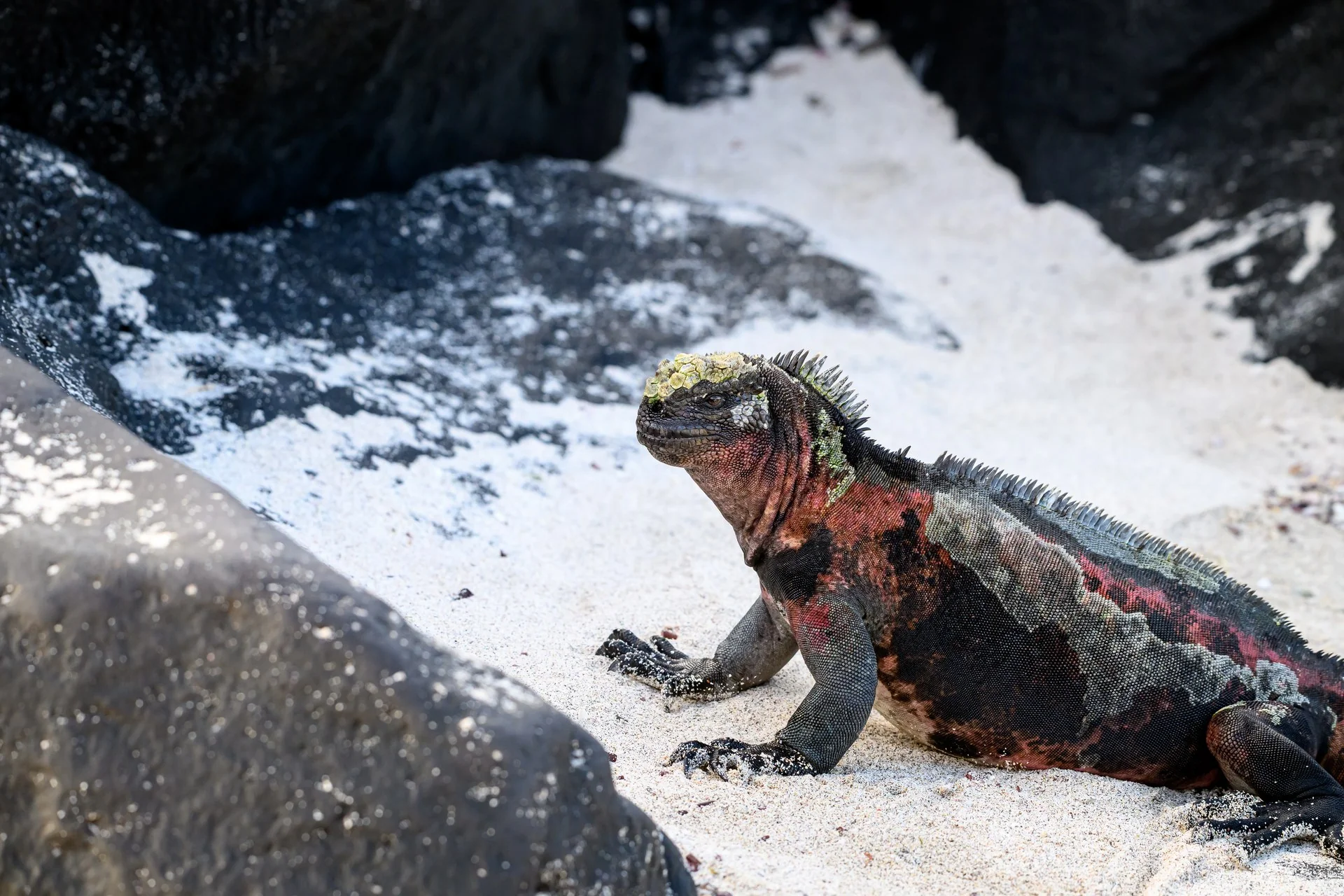
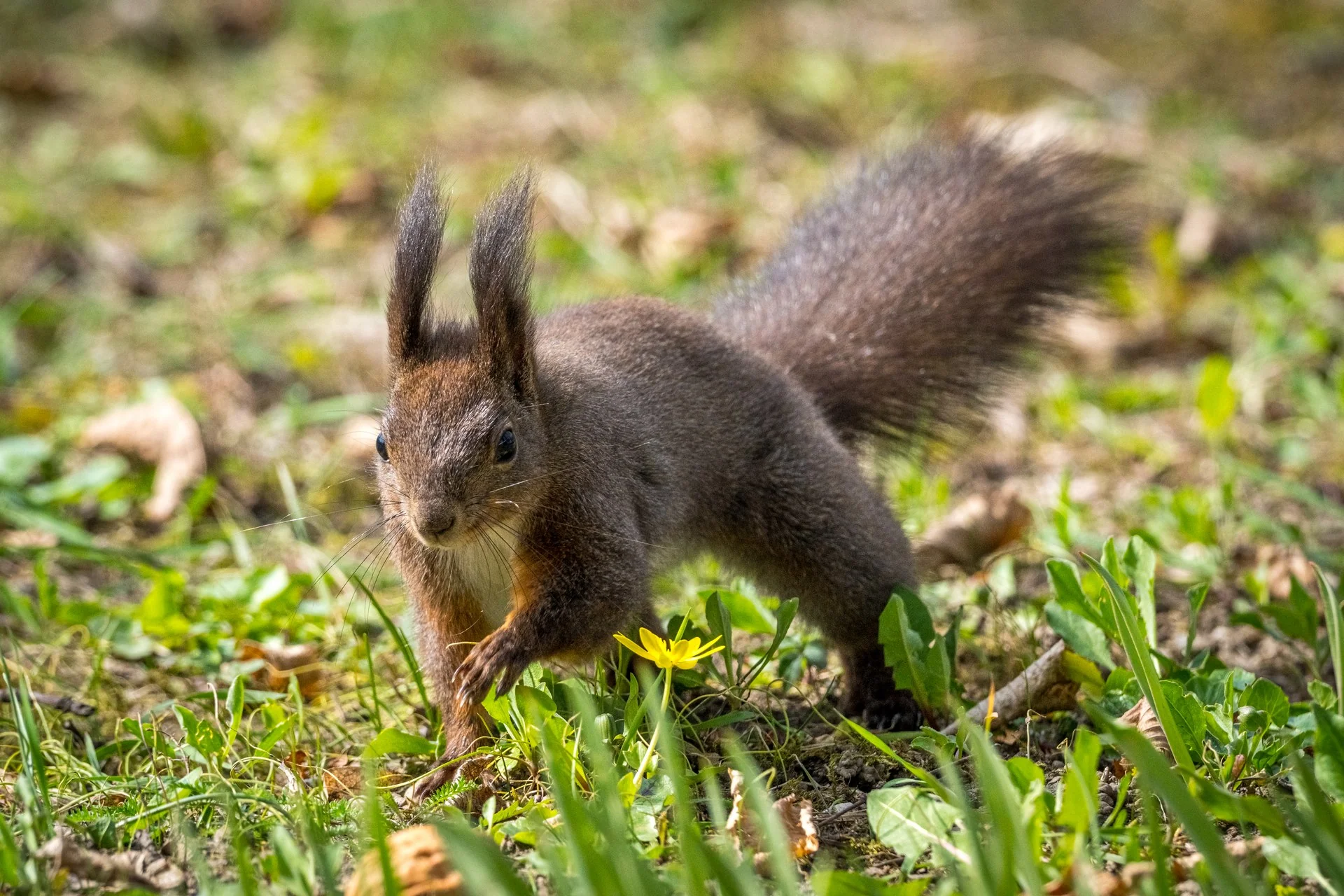
Nikon Z8 + NIKKOR Z 180-600mm f/5.6-6.3 VR
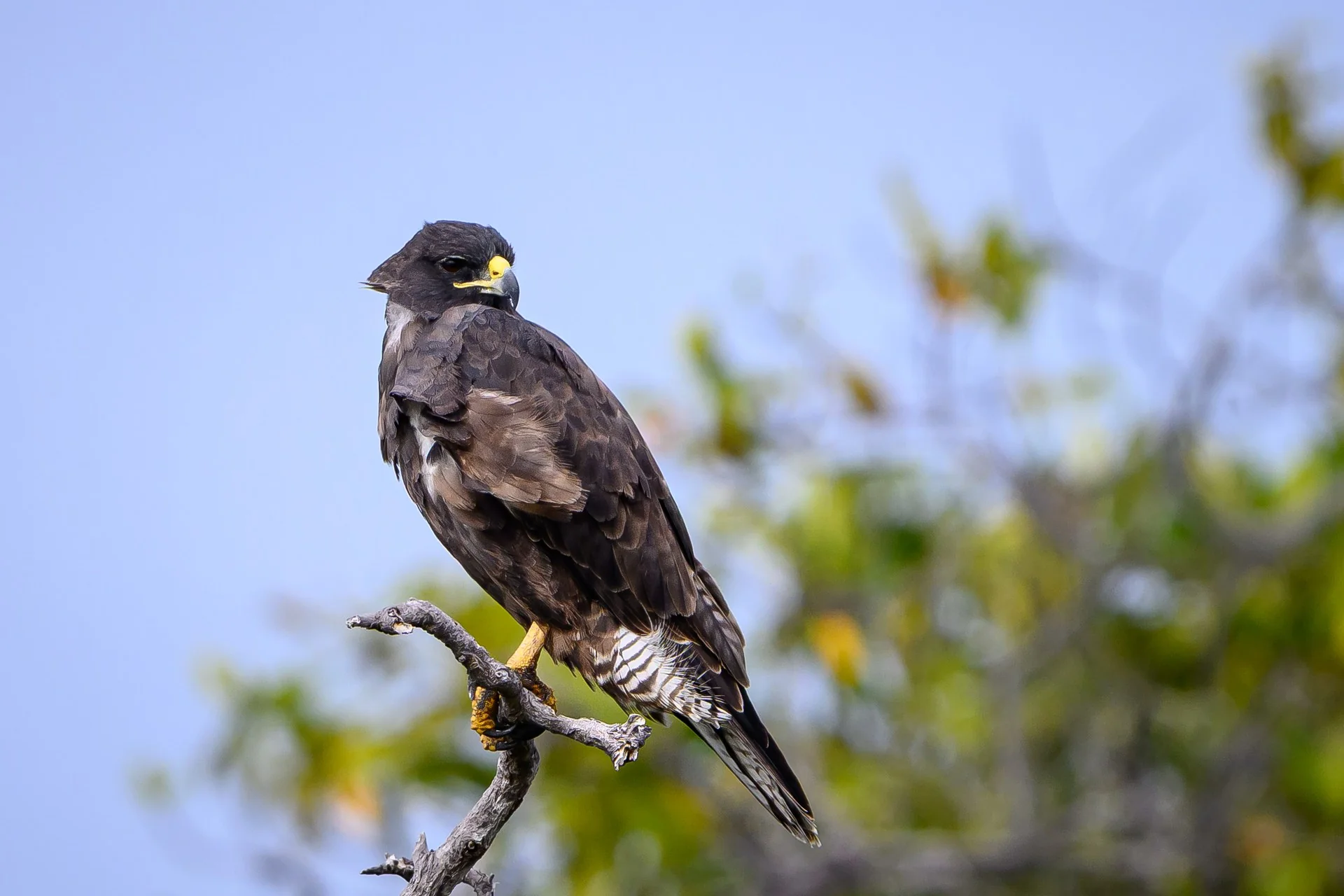
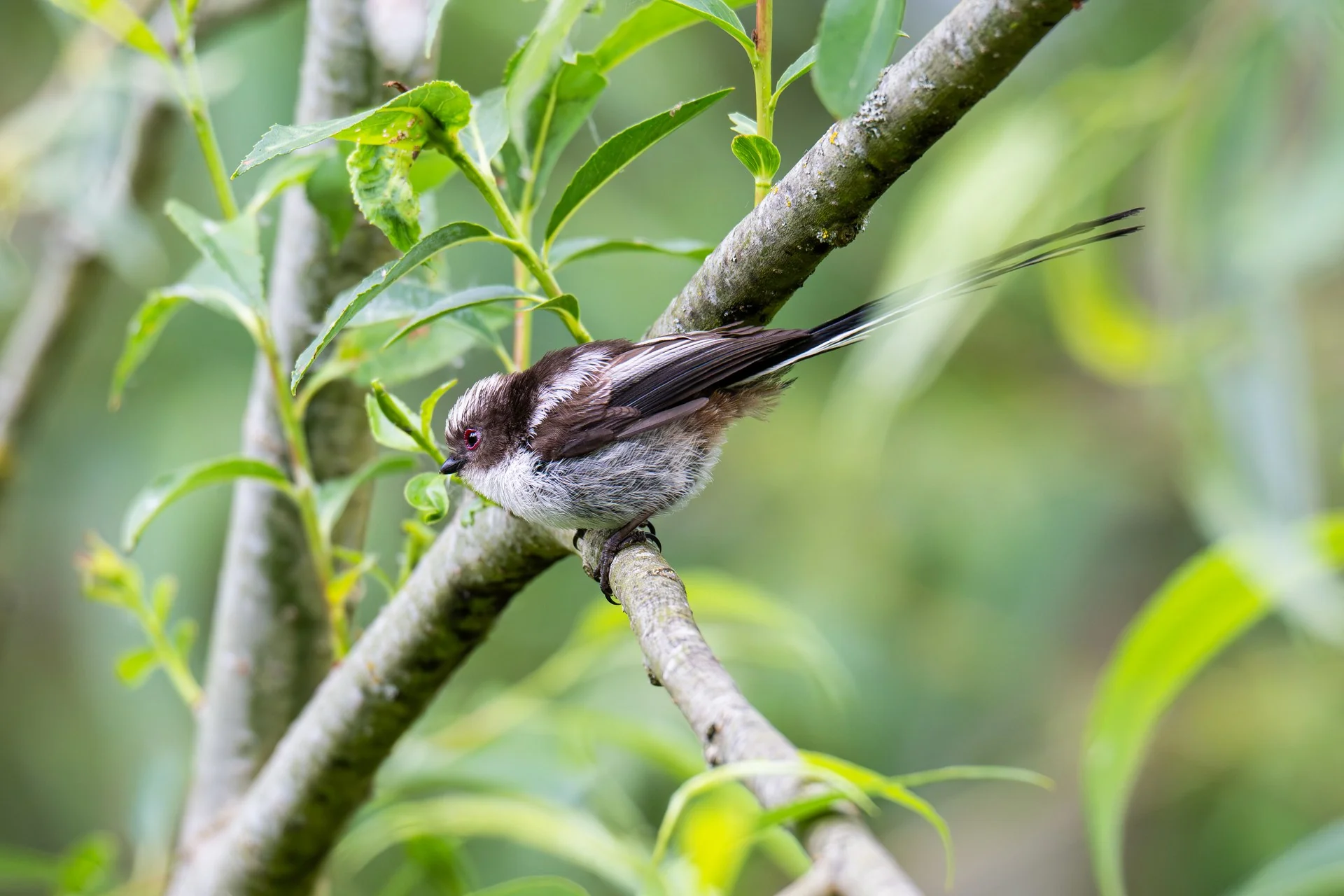
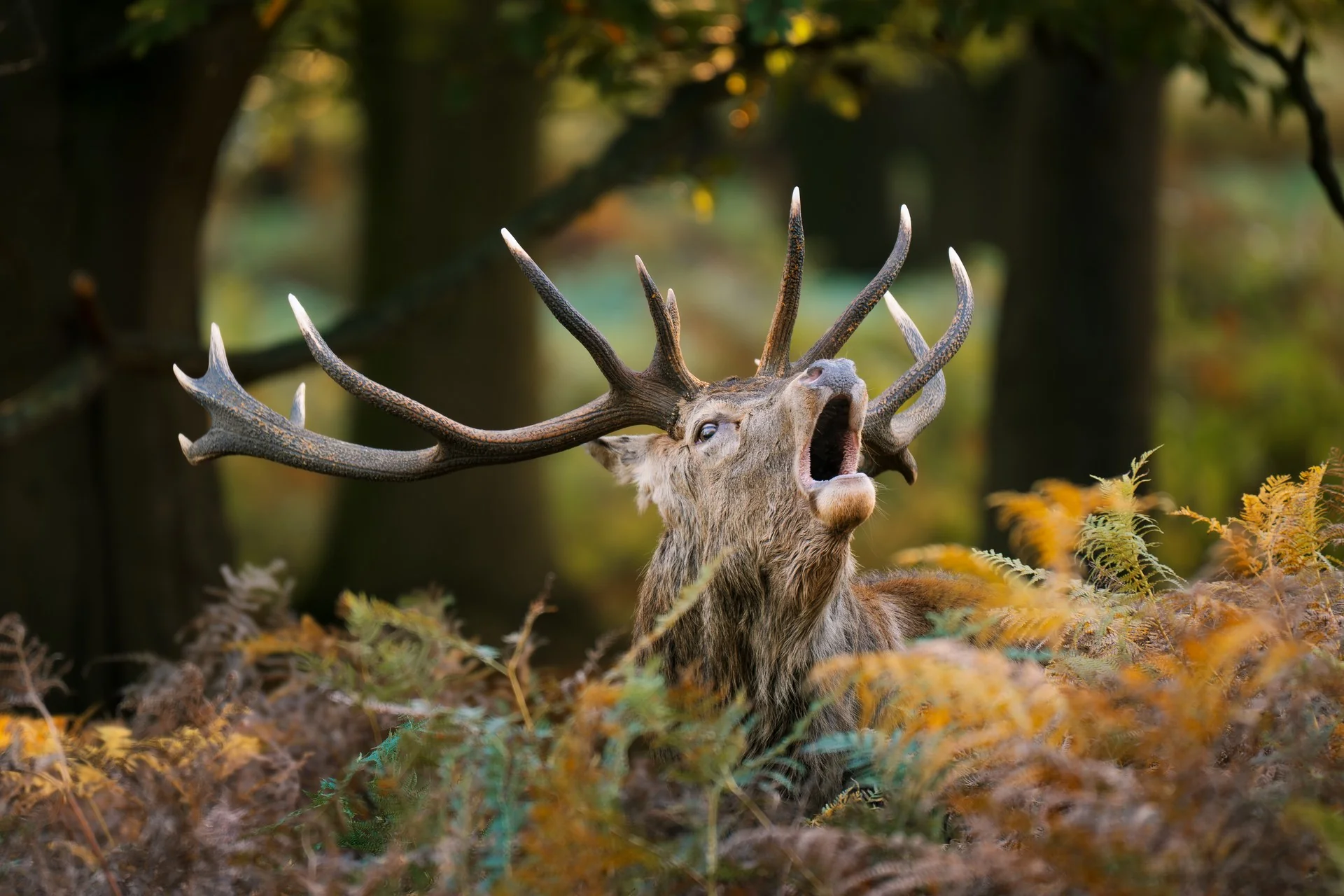
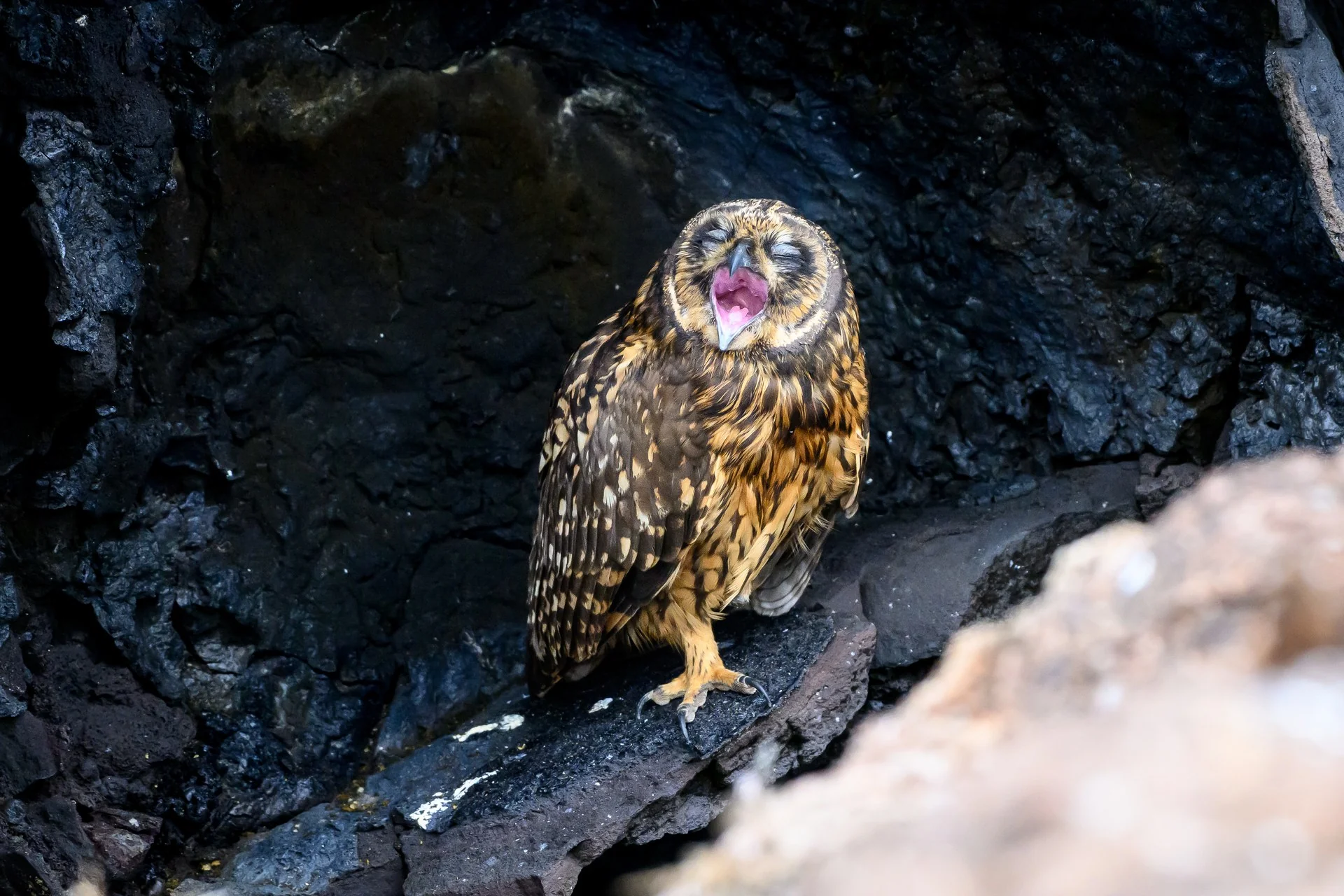
Body Check price Lens Check price
Why it fits
A 45.7 MP stacked full-frame body with bird detection, Pre-Release Capture and 10 to 20 fps continuous H (RAW and JPEG), paired with an internal-zoom 600 mm that takes Z teleconverters. Live Science calls the Z8 "The clear winner" in its Nikon section, and PhotographyTalk names the Z8 + 180-600 its best pro value kit.
- Body: approx. 910 g with battery and card (820 g body only). IBIS up to 5.5 stops. The Z 180-600 is not on Nikon's Synchro VR list as of May 10, 2023, so we don't claim 6.0 stops for this kit.
- Lens: 1,955 g (without tripod collar). VR 5.5 stops (Nikon doesn't state the test body). Minimum focus 2.4 m at 600 mm.
Buy if: you want one full-frame kit for birds in flight and mammals, and can carry about 2.9 kg (910 g + 1,955 g without tripod collar).
Skip if: weight is your main limit, or you already own Canon or Sony lenses.
Fast action, pro Sony kit
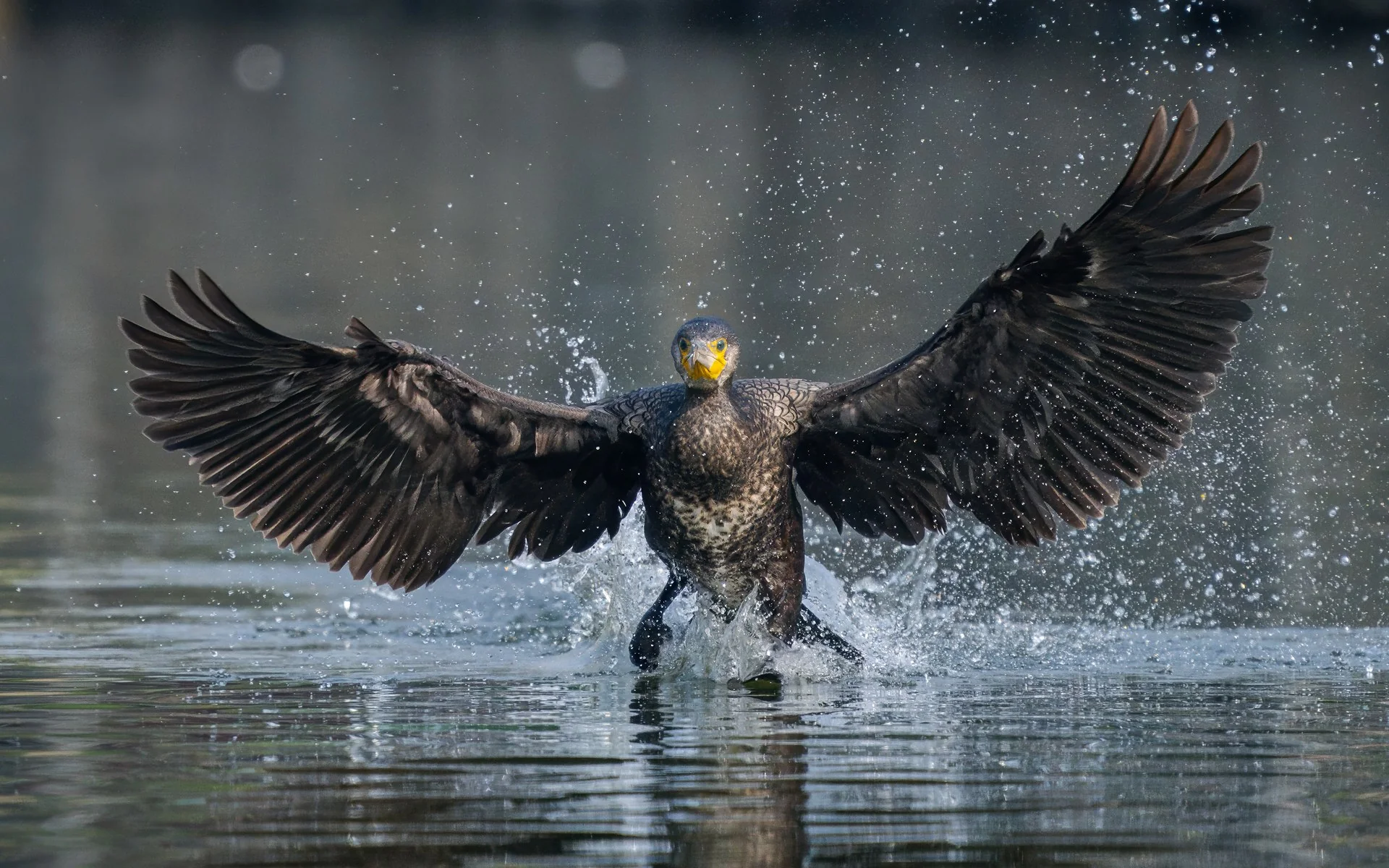
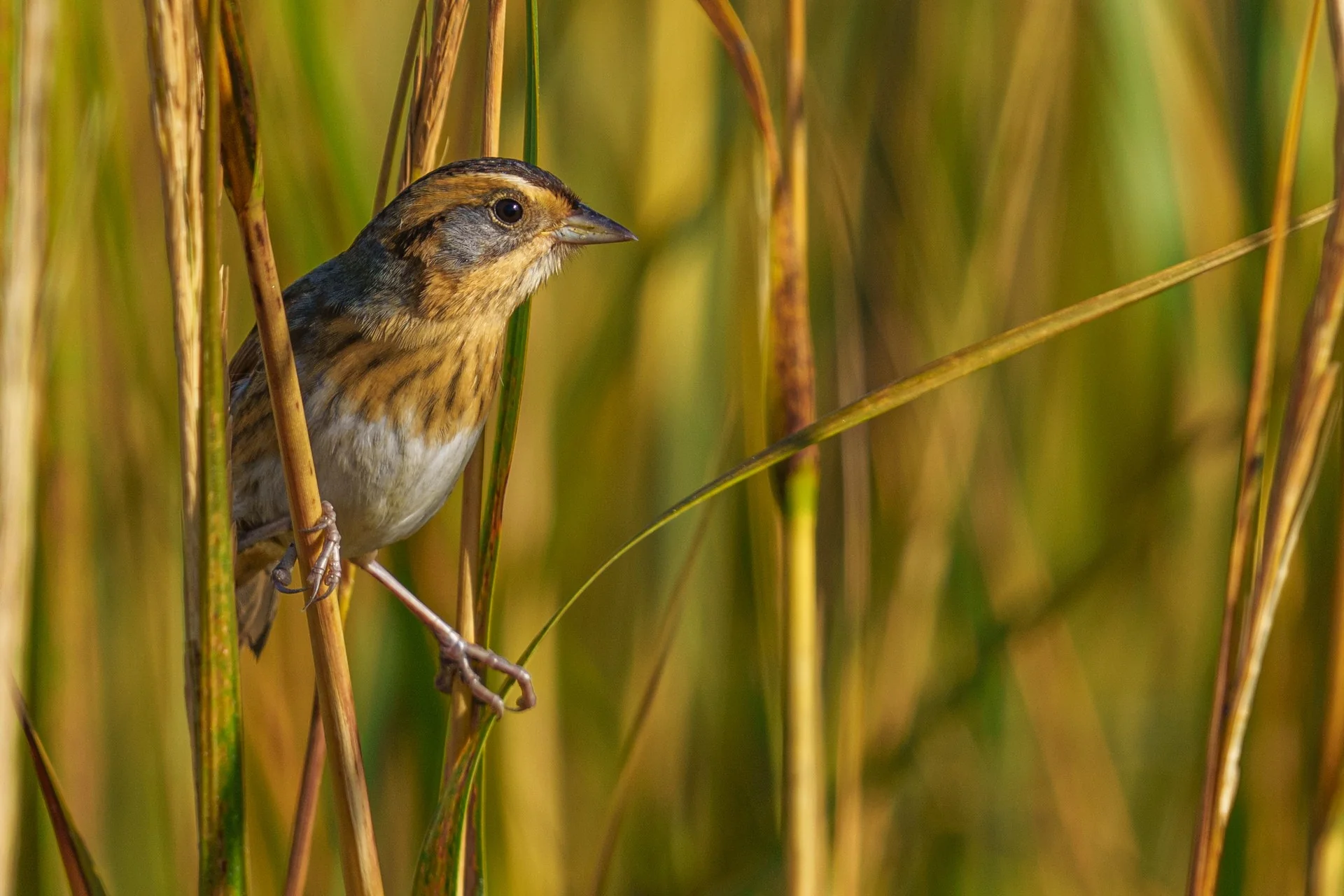
Sony a1 II + FE 200-600mm F5.6-6.3 G OSS
Body Check price Lens Check price
Why it fits
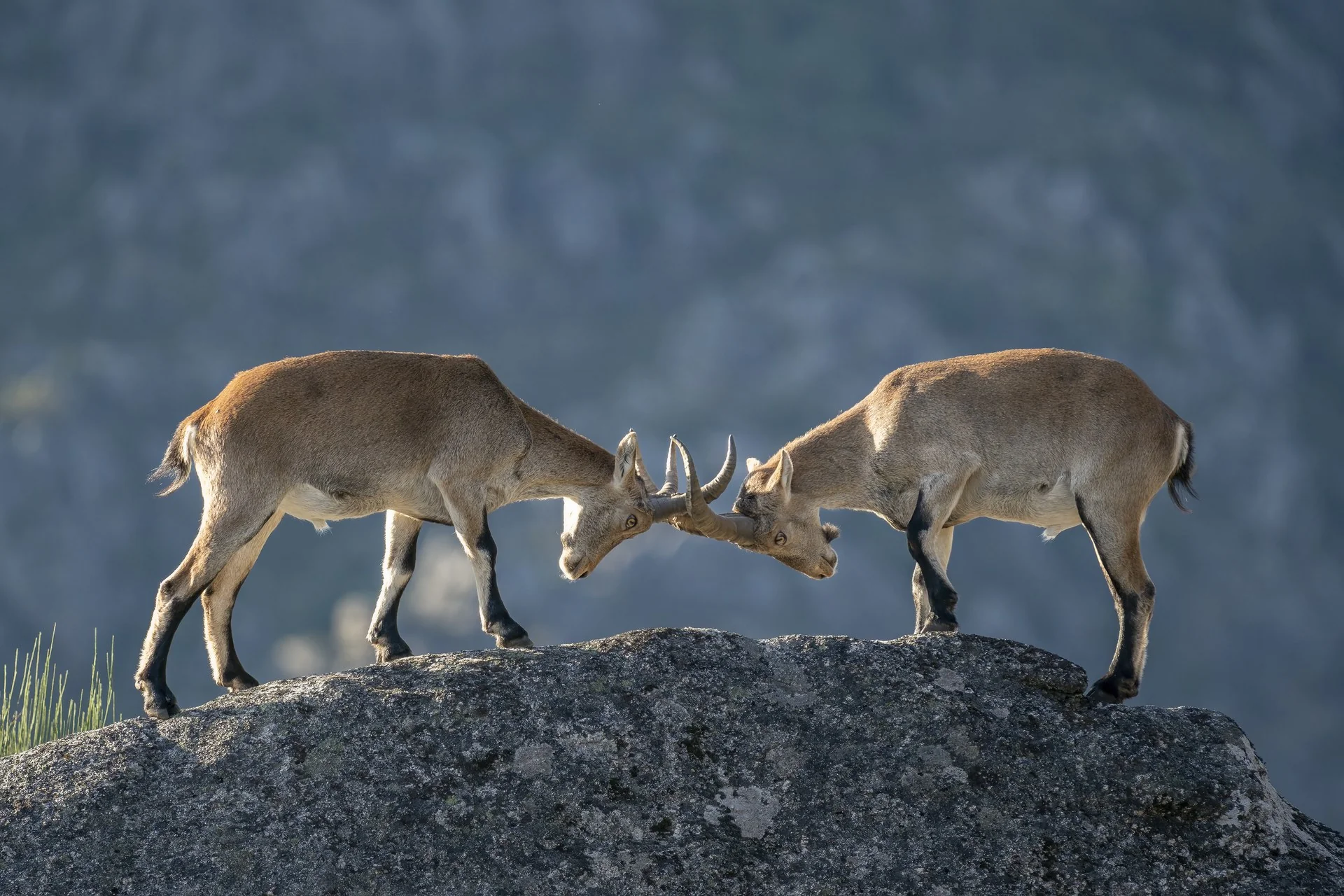
50.1 MP full frame, up to 30 fps with the electronic shutter, Pre-Capture, and bird and animal subject recognition. Live Science labels the a1 II "Ultimate choice for pros" in its Sony section, and PhotographyTalk names it best flagship and pairs it with the FE 200-600.
- Body: approx. 743 g with battery and card (658 g body only). IBIS centre 8.5 stops (CIPA 2024, pitch/yaw/roll, FE 50mm F1.2 GM).
- Lens: internal zoom; works with the 1.4x and 2x teleconverters. No weight shown, because Sony's spec page doesn't say whether its figure includes the tripod foot.
Buy if: you shoot birds in flight or fast mammals and want the most speed and resolution together in a Sony body.
Skip if: you don't need 30 fps. The a7R V below gives more pixels in a slightly lighter body (723 g vs 743 g with battery and card).
High resolution for cropping, Sony (previous generation)
Sony a7R V + FE 200-600mm F5.6-6.3 G OSS
Body Check price Lens Check price
Why it fits
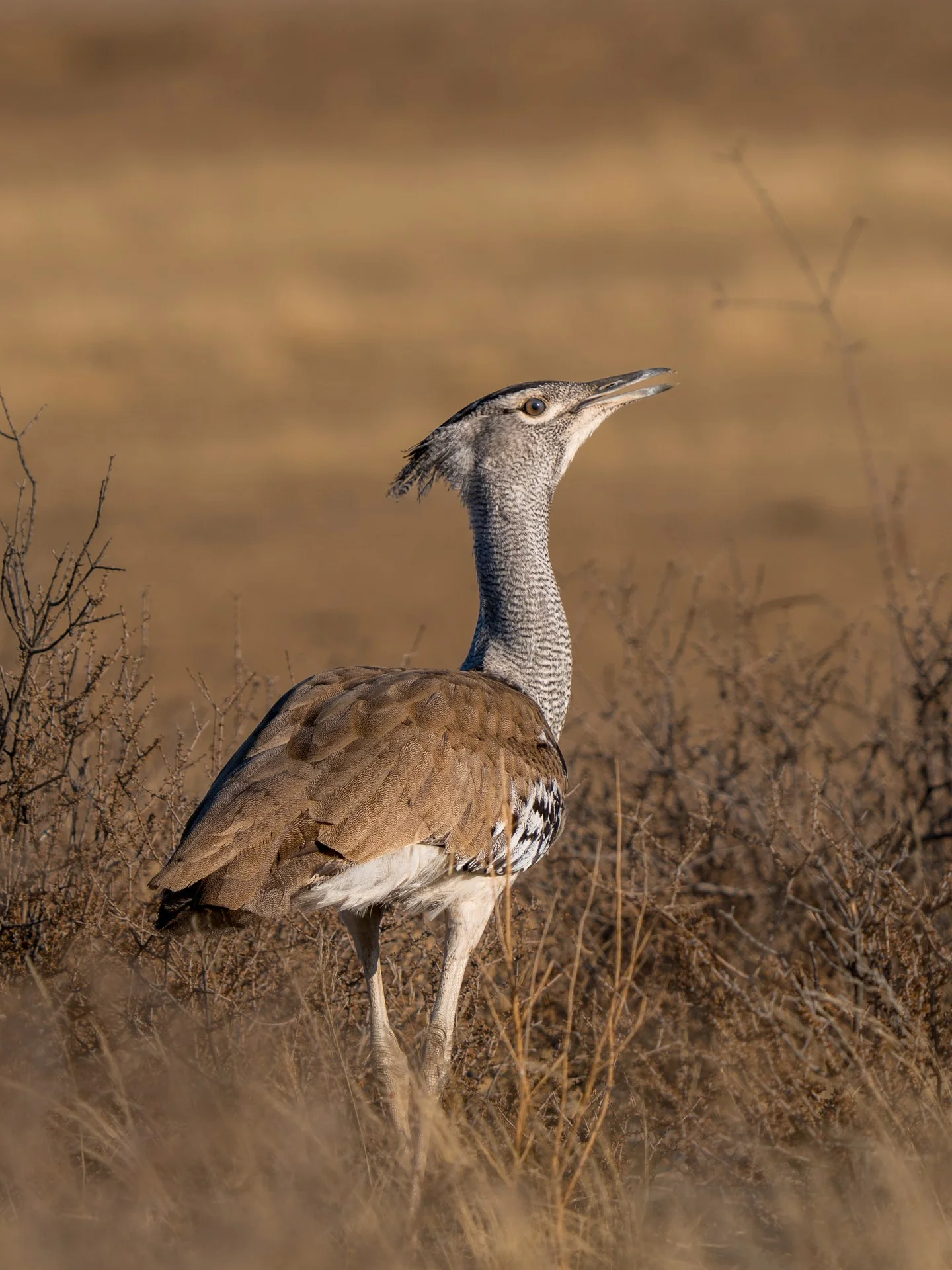
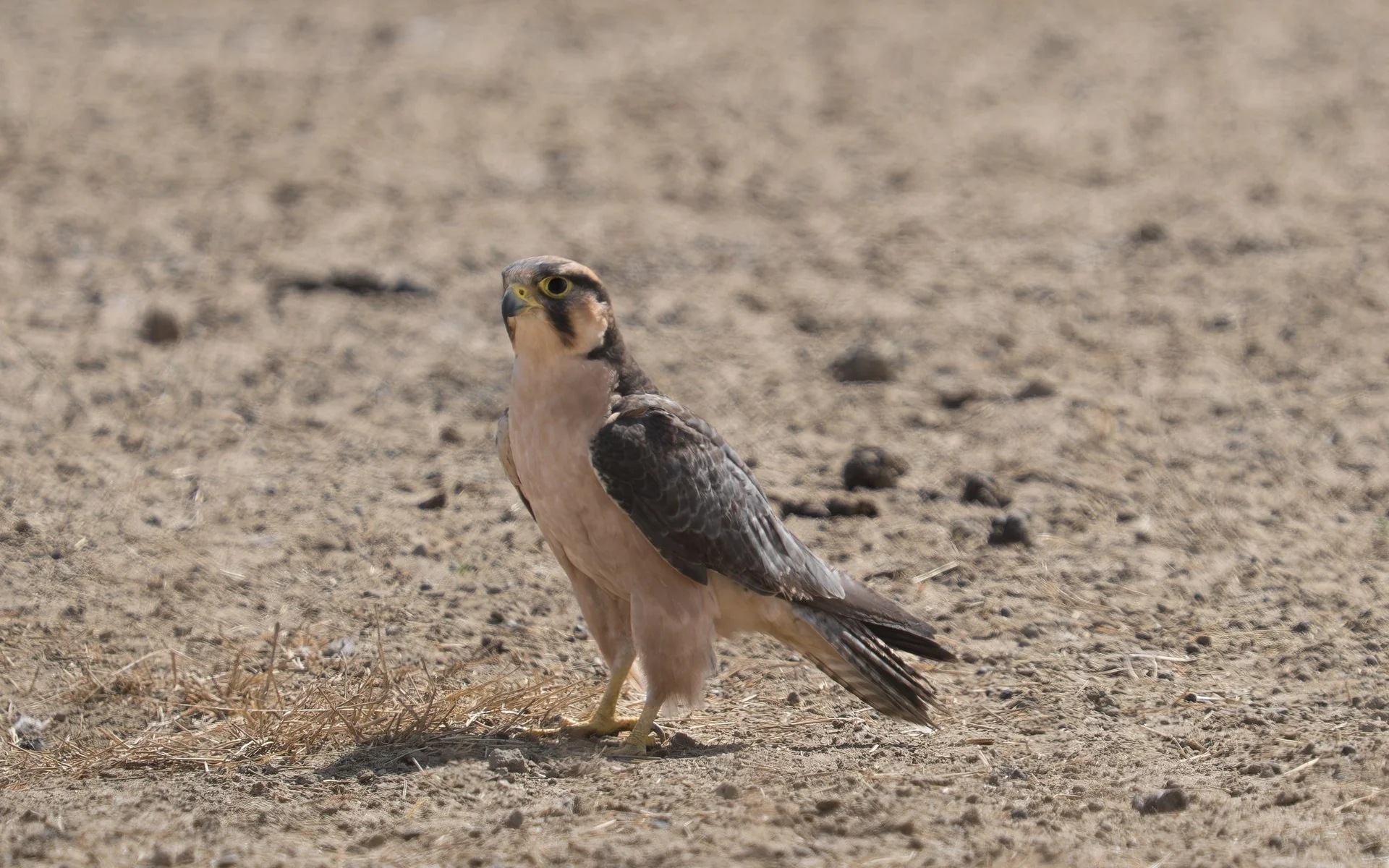
61.0 MP lets you crop small or distant subjects hard. It has bird, animal and insect recognition. Camera Lookout names it its best high-resolution wildlife camera. Live Science now lists the a7R V as an honorable mention ("Stunning 61MP images, but with a much slower burst rate of 10FPS"), and its pick "If you need heavy cropping power" is the newer a7R VI. Newer model: Sony announced the a7R VI (ILCE-7RM6) on May 13, 2026, as the sixth generation of the Alpha 7R series. It has approx. 66.8 MP, shoots up to approx. 30 fps, and was due for release in June 2026. We have no a7R VI photos or verified listing, so it is under Also considered.
- Body: approx. 723 g with battery and card. IBIS 8.0 stops (CIPA, pitch/yaw, FE 50mm F1.2 GM). Continuous Hi+ is 10 fps.
- Lens: the same FE 200-600 as above (no weight shown, for the same reason).
Buy if: you shoot perched birds and wildlife and value detail over burst speed.
Skip if: you mostly shoot birds in flight. Its 10 fps (Hi+) is a third of the a1 II's 30 fps. Sony says the newer a7R VI reaches up to approx. 30 fps.
Reach on a budget, light APS-C kit
Canon EOS R7 + RF 100-400mm F5.6-8 IS USM
Canon EOS R7 samples
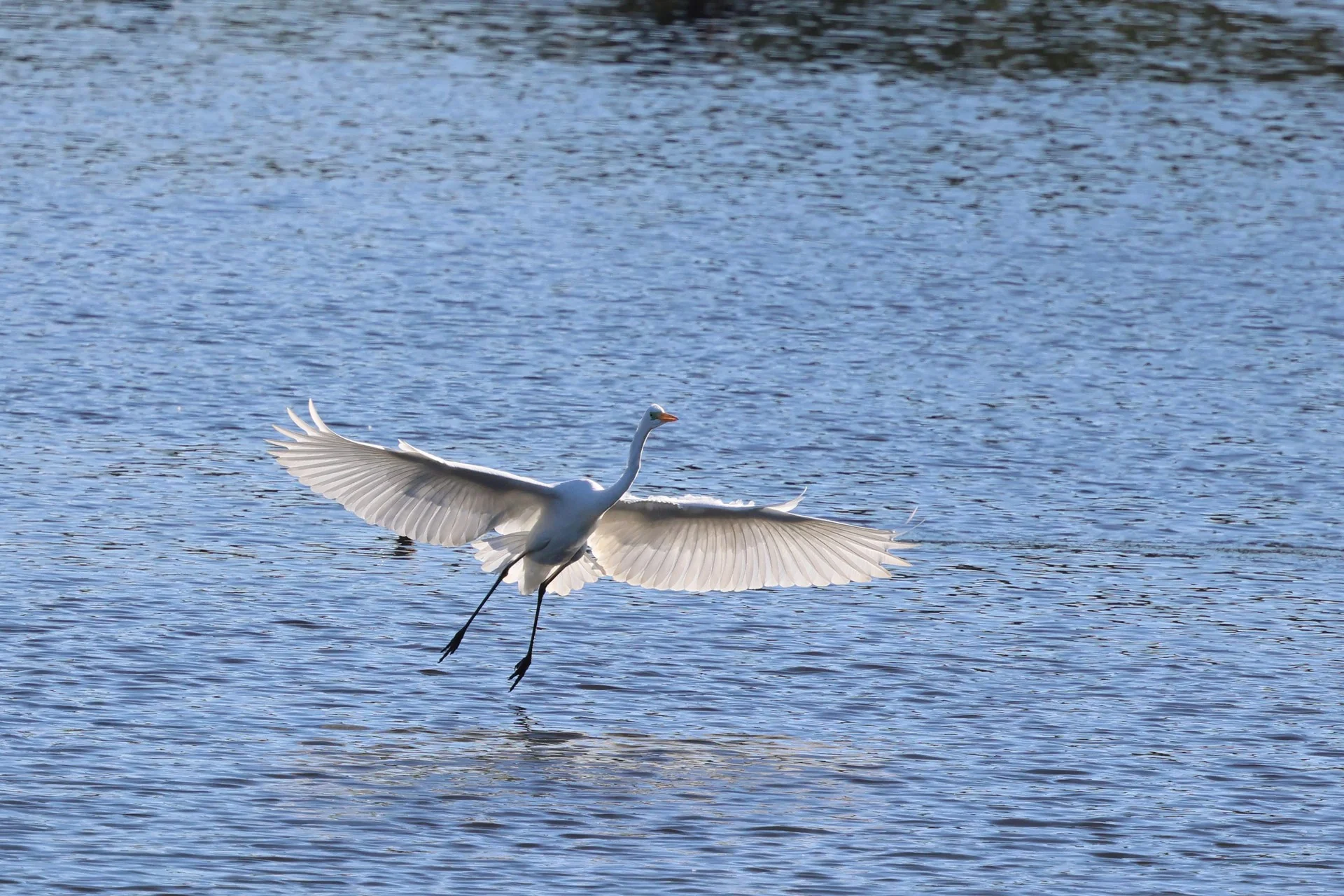
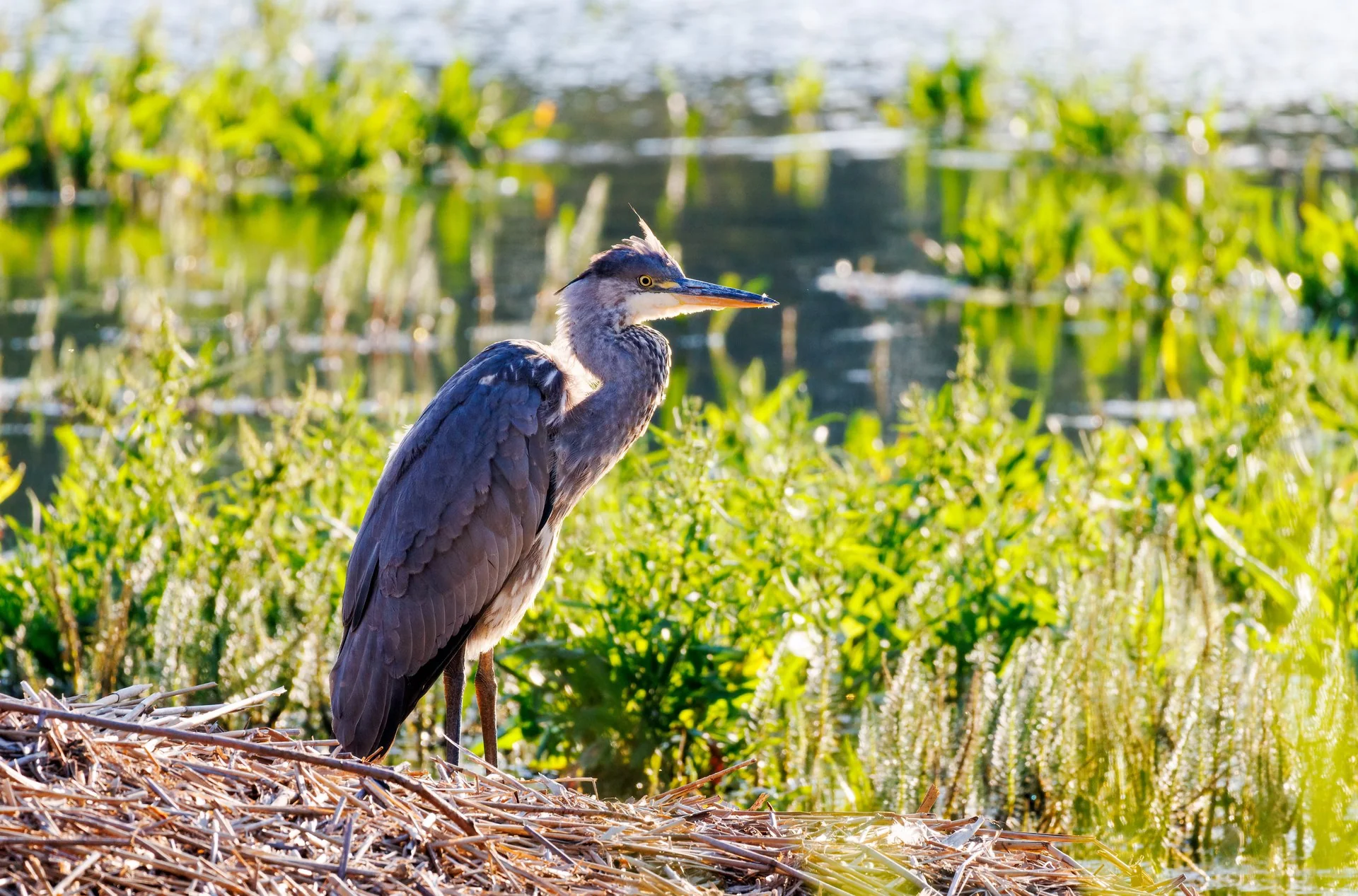
Body Check price Lens Check price
Why it fits
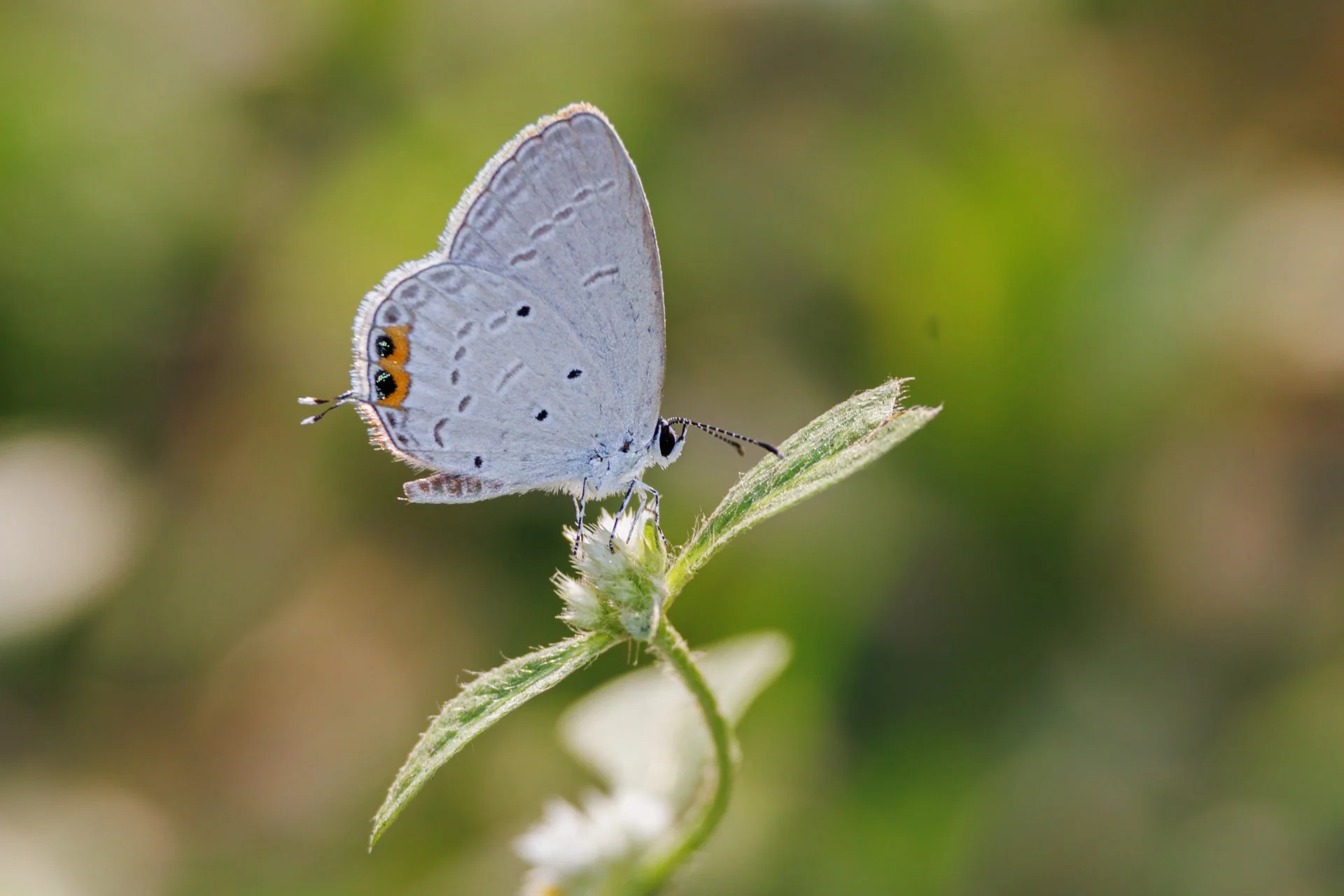
The APS-C crop gives the 100-400 the field of view of a longer lens, in a kit less than half the weight of the Z8 kit above. Camera Lookout names the R7 its "Best Affordable Wildlife Camera", and PhotographyTalk names it "Best Reach on a Budget". Live Science mentions it only in passing, as an honorable mention ("A beginner-friendly wildlife option") and in its FAQ, not as a pick.
- Body: approx. 612 g with battery and card (530 g body only), converted from Canon USA's "Approx. 1.3 lbs (21.59 oz) With battery and memory card" and "18.70 oz Body Only". This is the same basis as the other bodies. Up to 15 fps mechanical / 30 fps electronic. IBIS up to 7 stops with coordinated control IS (Canon's test lens not shown).
- Lens: approx. 635 g (Canon USA's figure). IS 5.5 stops (CIPA, 400 mm, on EOS R). f/8 at 400 mm. No weather sealing listed.
Buy if: you want a light kit (about 1.25 kg: 612 g + 635 g) and shoot mostly in good light.
Skip if: you shoot at dawn or dusk a lot, since f/8 and APS-C both cost low-light headroom.
Already in a system?
Also considered
- Canon EOS R5 Mark II: picked by all three guides we could open: Camera Lookout (best Canon), PhotographyTalk (best overall), and Live Science ("Best for detail" in its Canon section). (Camera Lookout, PhotographyTalk, Live Science)
- OM System OM-1 Mark II: picked by all three guides we could open: Camera Lookout (best Micro Four Thirds), PhotographyTalk (best compact kit, 599 g with battery and card), and Live Science ("Best overall" in its OM System section). (Camera Lookout, PhotographyTalk, Live Science)
- Fujifilm X-H2S: Camera Lookout (best Fujifilm) and Live Science ("The action specialist"). (Camera Lookout, Live Science)
- Sony a9 III: Camera Lookout's best Sony. PhotographyTalk left it out because its 24.6 MP sensor limits cropping. (Camera Lookout, PhotographyTalk)
- Nikon Z9: Camera Lookout's best Nikon. Live Science lists it "If you need extra grip". (Camera Lookout, Live Science)
- Nikon Z6 III: Camera Lookout (best versatile) and Live Science ("Best mid-range"). (Camera Lookout, Live Science)
- Canon EOS R6 Mark III: PhotographyTalk's best value full frame and Live Science's "Best intermediate" Canon. (PhotographyTalk, Live Science)
- Panasonic G9 II: Live Science ("Best for fast-moving wildlife" in its Panasonic section). (Live Science)
- Nikon 800mm f/6.3 PF and Sony FE 400-800: not a camera pick in any of the three guides we could open.
- Sony a7R VI: the newer successor to our a7R V pick. Sony: approx. 66.8 MP, up to approx. 30 fps, release June 2026. Live Science's Sony pick "If you need heavy cropping power". We have no photos or verified listing yet. (Sony, Live Science)
Related Articles
Sources
Picks as of Nov 2, 2026