Full-Frame Camera Guide: Which One Fits How You Shoot
Five full-frame cameras for five different kinds of photographer. Find your row in the table, then read the one pick that fits you.
October 23, 2026 · Guide
If you have decided full frame is for you, the hard part is no longer the sensor. It is picking a body you will still be happy with in five years. Below are five cameras, each the clearest choice for a different kind of photographer. Start with the table to find yours, or jump straight to the picks. Want a straight ranking instead? Our 5 best full-frame cameras list puts the Sony a7 V first as the best all-rounder; it doesn't appear here because it doesn't beat a specialist in any one role. Shopping for something smaller? See APS-C Camera Guide: Which One Fits How You Shoot
Weights are with battery and card, from the manufacturer or our review. Launch prices are US body-only; use each pick's Check price button for today's price.
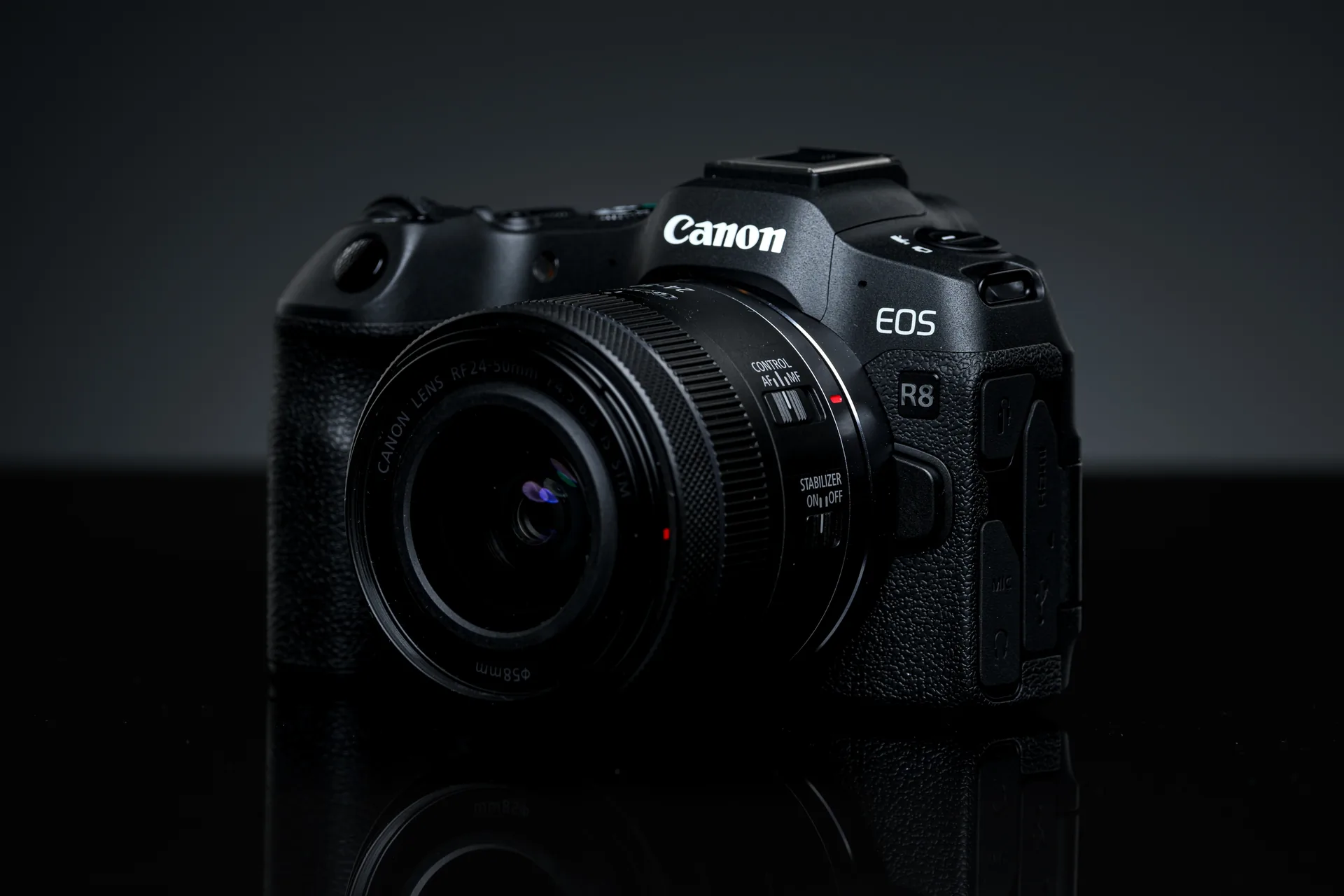
It is easy to carry. About 461 g with battery and card, per Canon Europe, it was Canon's lightest full-frame EOS R body at launch, so it comes along more often than a heavier camera would.
Its autofocus finds the subject for you. Dual Pixel CMOS AF II detects people, animals (dogs, cats, birds and horses) and vehicles, which is what keeps a moving kid or pet sharp. It shares its sensor and processor with the pricier R6 Mark II.
It handles video properly too. 4K up to 59.94p is uncropped and oversampled from 6K, with Canon Log 3 and 10-bit 4:2:2. Digital Camera World says it "kind of does it all", with some ergonomic compromises.
✅ Buy it if
You want your first full frame. It is the cheapest new body here at launch and the lightest.
You will use stabilized RF lenses. Most of Canon's affordable RF zooms have IS built in, which covers the missing in-body stabilization.
❌ Skip it if
You want in-body stabilization. Look at the Sony a7C II, or Canon's newer EOS R8 Mark II, which adds it.
You shoot fast action. Its electronic-first-curtain bursts top out at about 6 fps; the EOS R5 Mark II is built for that.
Flaws but not dealbreakers
There is no in-body stabilization and no AF joystick. Canon rates about 220 viewfinder shots per charge (CIPA), so carry a spare LP-E17 battery for a full day.
Most people looking at the R8 also look at the Nikon Z5II. The Z5II adds in-body stabilization and two card slots, but it launched about $200 higher. If you want the lightest way into full frame on Canon's mount, the R8 wins; if you want stabilization in the body, the Z5II does.
The bottom line: The easiest full-frame camera to carry and to afford, as long as you pair it with stabilized lenses.
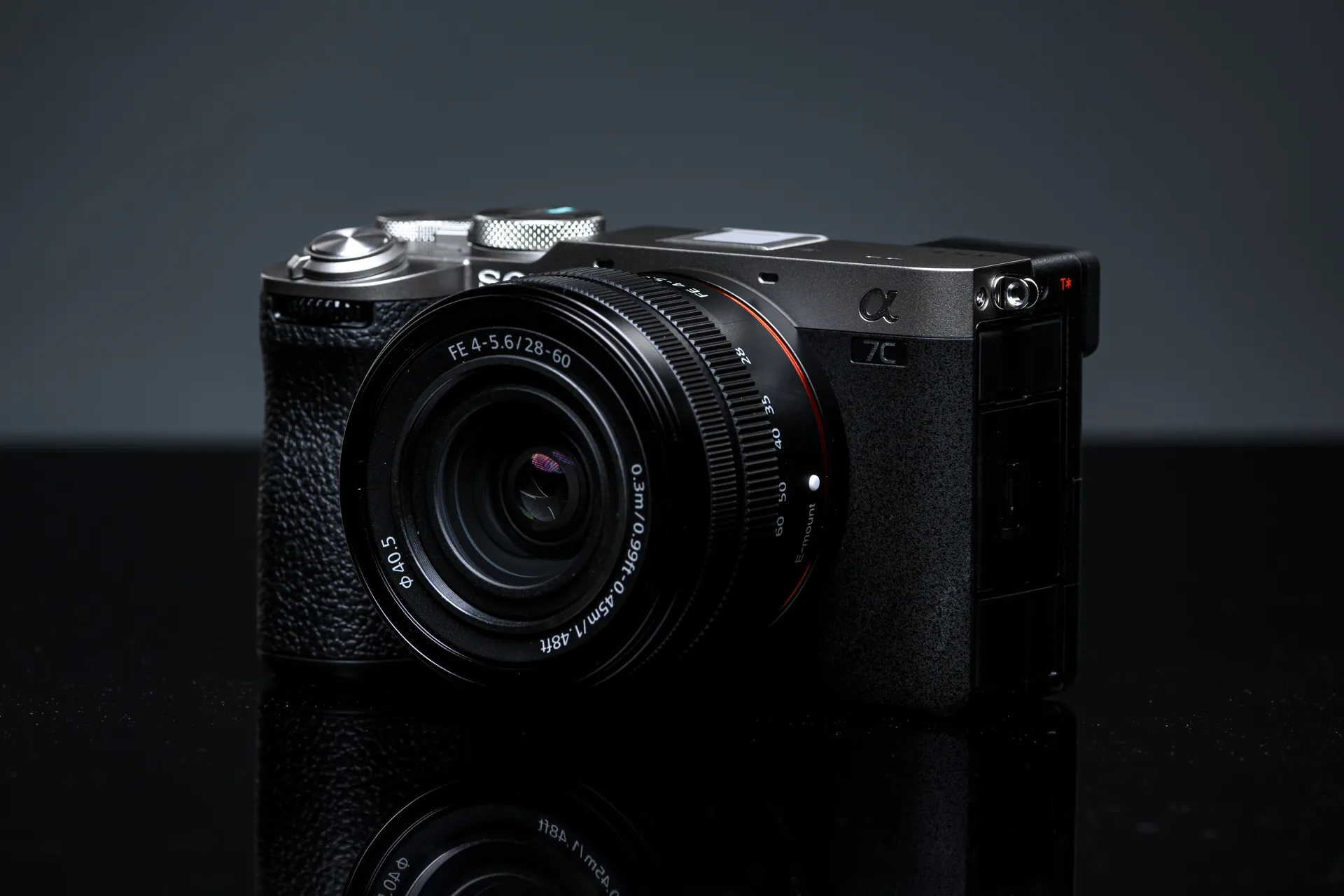
It is small for full frame. Sony says it is about 22% lighter than the a7 IV, and it weighs about 514 g with battery and card. Digital Camera World calls it one of the best options for anyone who wants the smallest camera with pro-level features.
It recognizes almost anything. Its AI processing unit, shared with the a7R V and a6700, recognizes people, animals, birds, insects, cars, trains and airplanes.
It steadies handheld shots. Five-axis stabilization is rated at 7.0 steps, and 4K is oversampled from 7K with 10-bit 4:2:2 and S-Log3.
✅ Buy it if
You travel or shoot street. The small body and current autofocus suit both.
You want Sony's E-mount lens choice. The same lenses work on every Sony body, APS-C or full frame.
❌ Skip it if
You need two card slots. It has one. The EOS R5 Mark II has two.
Budget comes first. The Canon EOS R8 launched $700 lower.
Flaws but not dealbreakers
The 2.36M-dot finder is small, the mechanical shutter stops at 1/4000 s, and 4K/60p is only available in Super 35 mode. Sony rates about 530 viewfinder shots per charge (CIPA), which is fine for a day out.
Step up: the Sony a7CR, the same small body with 61MP. Step down: the Canon EOS R8, lighter and cheaper but without in-body stabilization.
How it compares
Its closest rival in spirit is the Nikon Z f, which has retro dials. For carrying all day with the widest lens choice, the a7C II wins; if you want a camera you enjoy handling as much as using, look at the Z f.
The bottom line: The full-frame camera you are most likely to actually take with you.
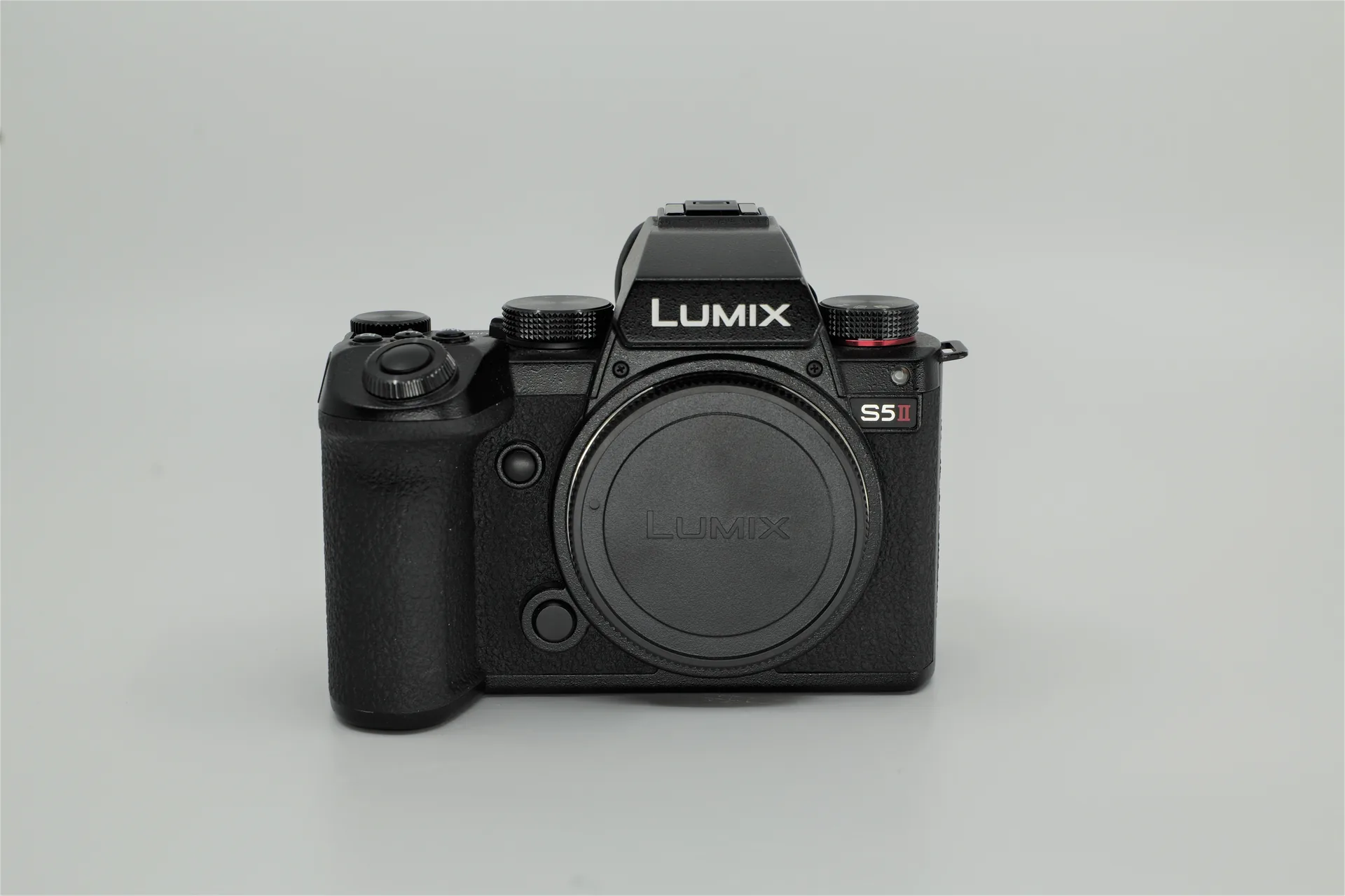
It keeps recording. Panasonic built in a heat-dispersion mechanism, and it lists C4K and 4K 4:2:2 10-bit recording with no time limit.
Its autofocus finally keeps up. It was the first Lumix full-frame body with phase-detect AF (779 points). CineD said Panasonic did it "extremely well".
It steadies walking shots. Body stabilization is rated at 5 stops, or 6.5 with Dual I.S. 2 lenses, plus an Active I.S. mode for video.
✅ Buy it if
You film interviews, events or weddings. Unlimited 10-bit takes matter more there than burst speed.
You want L-Mount lens choice. Panasonic, Sigma and Leica all make L-Mount lenses.
❌ Skip it if
You mostly shoot stills of moving subjects. The EOS R5 Mark II is faster.
You want internal ProRes or raw. It records LongGOP only internally, per CineD.
Flaws but not dealbreakers
The 3.68M-dot finder and 1.84M-dot screen are modest, and Panasonic rates about 370 shots per charge (CIPA), so carry spares. At about 740 g with battery and card, it is one of the heavier bodies here.
Step up: the S5IIX (Panasonic: launched at $2,199.99 in 2023), with extra video codecs. Step down: the Canon EOS R8, which also shoots uncropped 4K/60 in a much lighter body.
How it compares
Video shoppers also look at the Nikon Z6III, which records internal 6K N-RAW but launched about $500 higher. For long 10-bit takes on a budget, the S5II wins; for internal raw, the Z6III does.
The bottom line: The best-value full-frame video camera here.
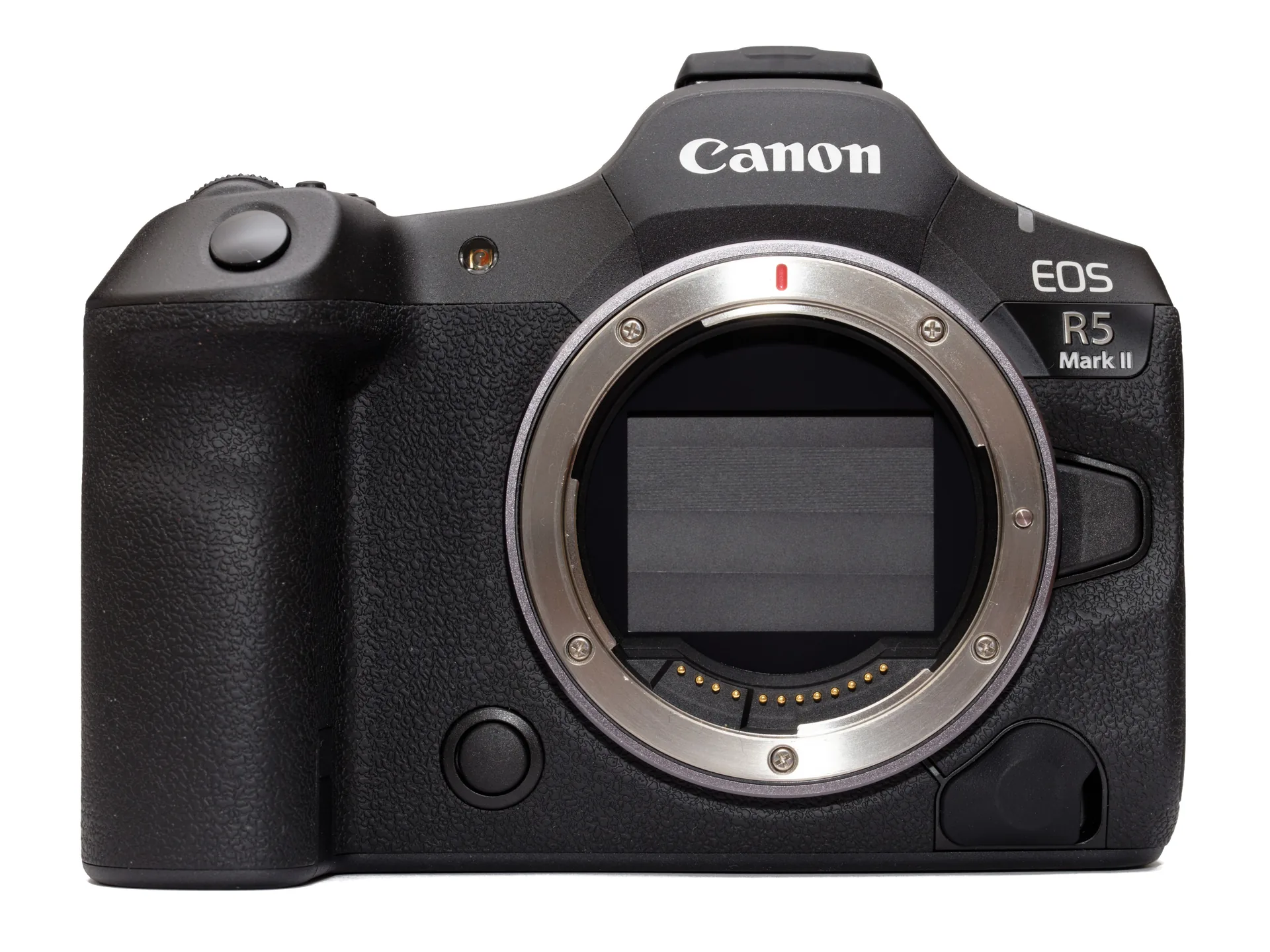
It catches the moment before you press. The stacked 45MP sensor shoots 30 fps electronic bursts, with pre-continuous shooting that keeps up to 15 frames from before the full press.
It tracks what moves. Dual Pixel Intelligent AF detects people, animals and vehicles, with Action Priority for sport and the return of Eye Control AF. PetaPixel calls it Canon's most capable all-round camera to date.
It is a serious video camera too. It records internal 8K RAW at 60p and 4K at 120p, with stabilization rated up to 8.5 stops at the center.
✅ Buy it if
You shoot sport, wildlife or events. Speed and 45MP mean you can crop and still print.
You already own RF or EF lenses. Lenses outlast bodies, and this is Canon's top all-rounder.
❌ Skip it if
You are on a budget. The Canon EOS R8 costs about a third as much.
You mostly shoot landscapes. The Sony a7R V gives you more resolution for less.
Flaws but not dealbreakers
It weighs about 746 g with card and battery and needs the new LP-E6P battery for every feature. Canon rates about 340 viewfinder shots per charge (CIPA, power-saving mode), so plan on spares.
Step up: none here; this is the top of the page. Step down: the Canon EOS R6 Mark III (Canon: launched at $2,799 in 2025), with 32.5MP and 40 fps electronic bursts.
How it compares
The R6 Mark III is the camera most people cross-shop. It is $1,500 cheaper at launch and fast enough for most sport, but it has less resolution to crop. If you need 45MP for wildlife or large prints, the R5 Mark II wins; for events and video on a tighter budget, the R6 Mark III does.
The bottom line: The camera that does everything here, if the price fits.
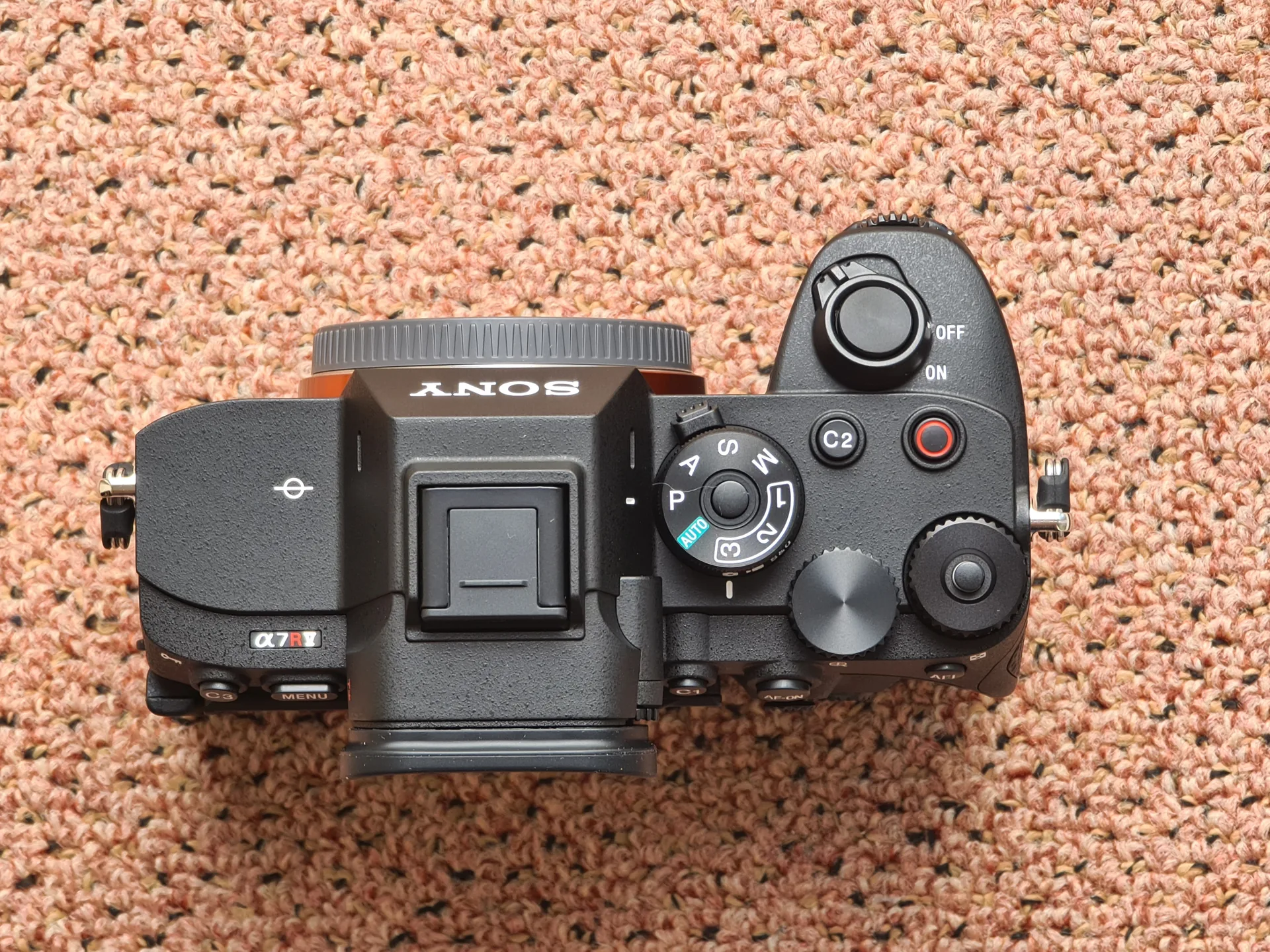
It gives you the most detail. Its 61MP sensor resolves more than anything else here. Digital Camera World notes that Sony pitches it as the resolution specialist.
Its AI autofocus helps with wildlife too. The AI processing unit recognizes people, animals, birds, insects, cars, trains and airplanes.
It makes careful work easier. Stabilization is rated at 8 steps, the 9.44M-dot 0.90x finder is the best here, and the screen both tilts and swings out.
✅ Buy it if
You shoot landscapes or studio work. 61MP leaves room for big prints and crops.
You want Sony's lens choice. E-mount has the widest range of any full-frame mount.
❌ Skip it if
You shoot fast action. It tops out at 10 fps; the EOS R5 Mark II shoots 30.
You want the newest model. Sony announced the a7R VI in May 2026 (Sony: launched at $4,499.99 in 2026); we have no a7R VI review yet.
Flaws but not dealbreakers
Files are large, so budget for storage. 8K has about a 1.2x crop, the body weighs about 723 g with battery and card, and Sony rates about 440 viewfinder shots per charge (CIPA).
Step up: the Sony a7R VI, announced in May 2026. Step down: the Sony a7CR, 61MP in a smaller body.
How it compares
Shoppers also look at the EOS R5 Mark II, which has 45MP and far more speed. For landscapes and studio work, the a7R V wins on detail and finder; for anything that moves, the R5 Mark II does.
The bottom line: Still the resolution pick, though its successor is now out.
Nikon Z5II. Our pick for budget full frame on Nikon. It narrowly loses the beginner slot to the lighter EOS R8, but it adds in-body stabilization.
Nikon Z f. A travel alternative with retro dials; the a7C II is our pick for its small body.
Nikon Z6III. A video runner-up with internal 6K N-RAW, but it launched about $500 higher than the S5II.
Canon EOS R6 Mark III. A cheaper sports pick; it has less resolution for cropping than the R5 Mark II.
Sony a7R VI. Sony announced it in May 2026 at $4,499.99. We haven't covered it yet, so the a7R V stays for now.
How we chose
We started from the cameras that established reviewers recommend most often for each kind of photographer, then checked every spec and launch price against the manufacturer. Each pick had to be the clearest fit for one role, not just a good camera overall. We haven't tested these cameras ourselves; the photos are manufacturer or press images, credited under each one.
Prices are launch prices from each manufacturer, in US dollars for the body only. They aren't today's prices, so check before you buy.