Five APS-C cameras for five different kinds of photographer. Find your row in the table, then read the one pick that fits you.
October 23, 2026 · Guide
APS-C cameras are lighter, cheaper and give you extra reach, and for most people they are all the camera they will ever need. Below are five, each the clearest choice for a different kind of photographer. Start with the table to find yours, or jump straight to the picks. Want a straight ranking instead? See our 5 best APS-C cameras list. Thinking bigger? See Full-Frame Camera Guide: Which One Fits How You Shoot
Not sure whether APS-C or full frame suits you? Read Full Frame vs APS-C first.
Weights are with battery and card, from the manufacturer or our review. Launch prices are US body-only; use each pick's Check price button for today's price.
EOS R7 availability: Canon has not announced a discontinuation, but stock is limited (Canon US backorder as of Oct 23, 2026). If it stays out of stock, the Fujifilm X-H2S is our ready alternative. We will recheck at the next update.
Best for beginners on a budget
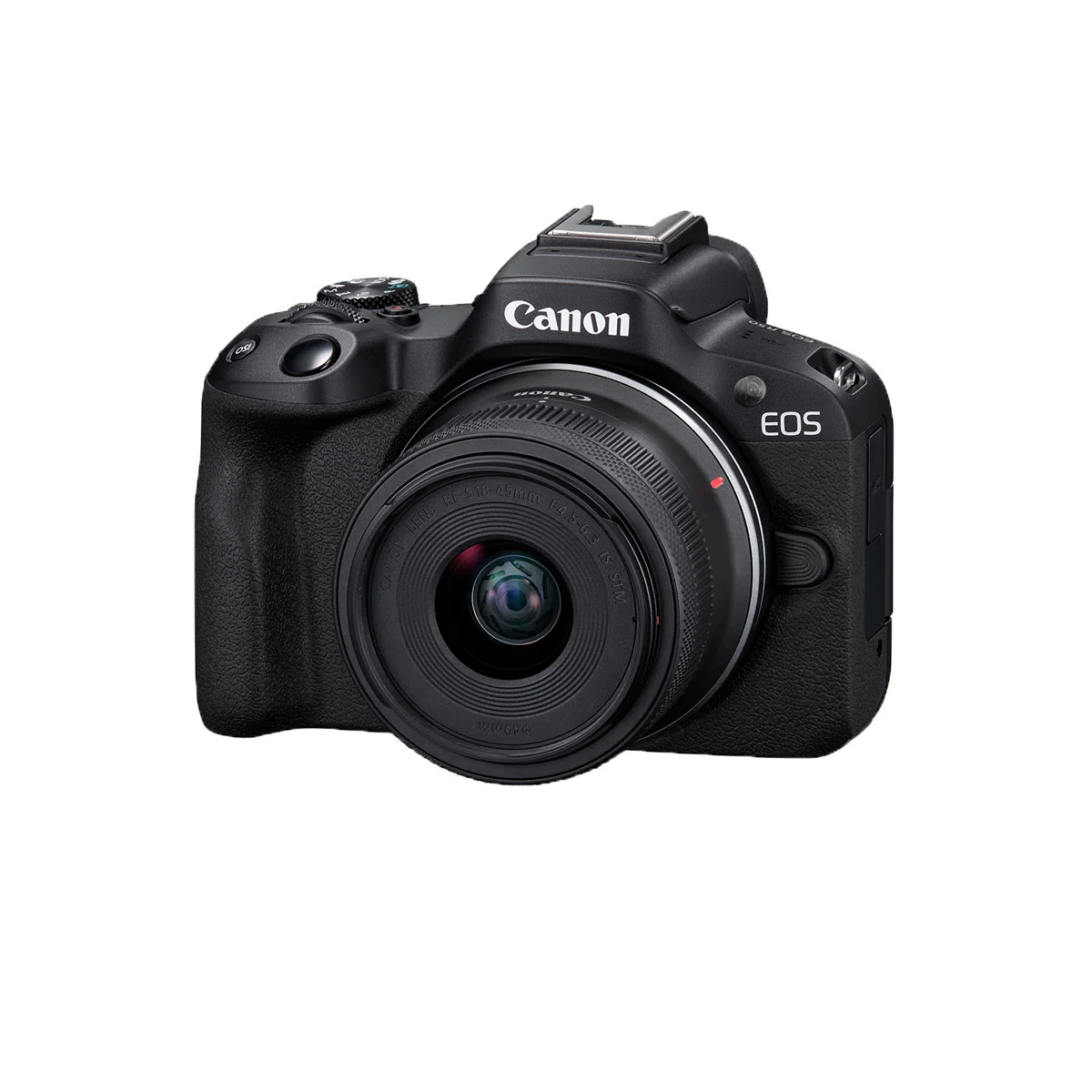
Canon EOS R50
The one to get if this is your first real camera and you want photos your phone can't take, without a learning curve.
Image: Canon Australia / Canon Inc.
Canon: Launched at $679.99 in 2023 (US, body only)
It finds the subject for you. It recognizes people, animals and vehicles and follows them around the frame, so a kid's birthday or a dog in the park comes back sharp. Digital Camera World calls it one of the best pocket-friendly cameras.
It is small and light. It weighs 375 g with the battery and still has an eye-level viewfinder.
It grows into video. 4K is uncropped and oversampled from 6K, and the touchscreen flips all the way out for filming yourself.
✅ Buy it if
This is your first camera. The controls are made for beginners.
You want stills first, with room for video. It does both well for the money.
❌ Skip it if
You want in-body stabilization. It has none; the Sony a6700 does.
You plan to shoot fast action. The Canon EOS R7 shoots 15 fps mechanical.
Flaws but not dealbreakers
There is no in-body stabilization, 4K shows some rolling-shutter wobble, and there are only a few dedicated RF-S lenses. Canon rates about 230 viewfinder shots per charge in Smooth display mode (CIPA-based), so a spare battery helps.
The R10 is the one most people cross-shop. It adds faster bursts and a pop-up flash for about $300 more at launch. For a first camera, the R50 wins; for kids' sports and pets, the R10 does. See Canon EOS R10 vs R50.
The bottom line: The easiest camera to recommend to a beginner.
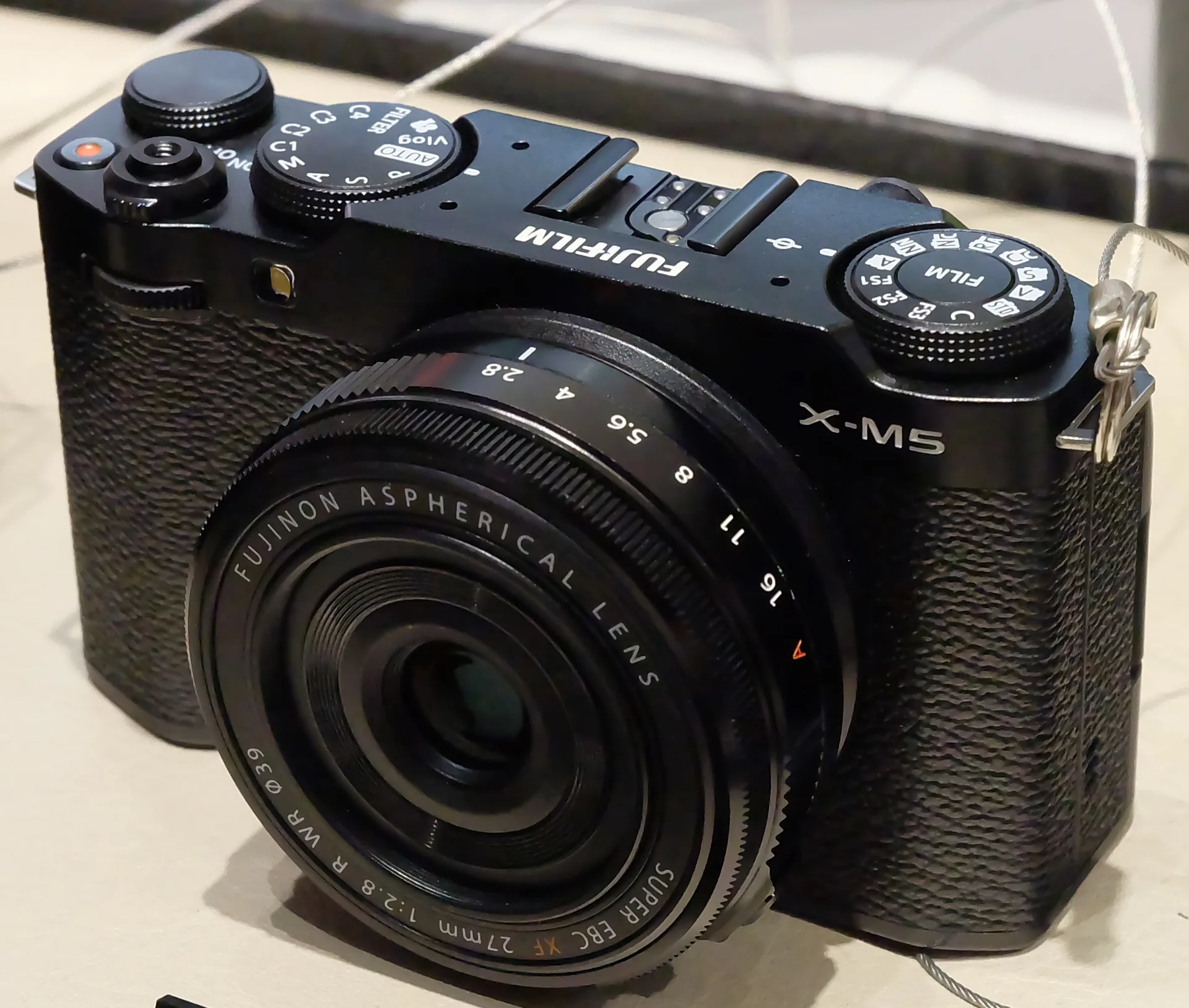
It fits in a jacket pocket. At about 355 g ready to shoot, it is the lightest body in the current X Series. With a pancake lens it goes everywhere.
It is built for video. It records 6.2K open-gate 3:2 and 4K up to 59.94p in 10-bit 4:2:2, with mic and headphone jacks. Digital Camera World calls it powerful, stylish and incredibly compact for content creators.
It makes nice JPEGs without editing. The Film Simulation dial on top puts Fujifilm's looks one turn away.
✅ Buy it if
You vlog or travel light. Small size and good video are the whole point.
You don't want to edit. Film Simulations make finished JPEGs.
You shoot handheld in dim light. There is no in-body stabilization; the Sony a6700 has it.
Flaws but not dealbreakers
No in-body stabilization (digital IS in movie mode only) and no viewfinder. PetaPixel saw it overheat within about 40 minutes at 4K/60p; Fujifilm sells an optional cooling fan.
Travel shoppers also look at the Nikon Z50 II, which has a viewfinder. For the smallest kit and vlogging, the X-M5 wins; for eye-level stills, the Z50 II does.
The bottom line: The smallest camera here that still does serious video.
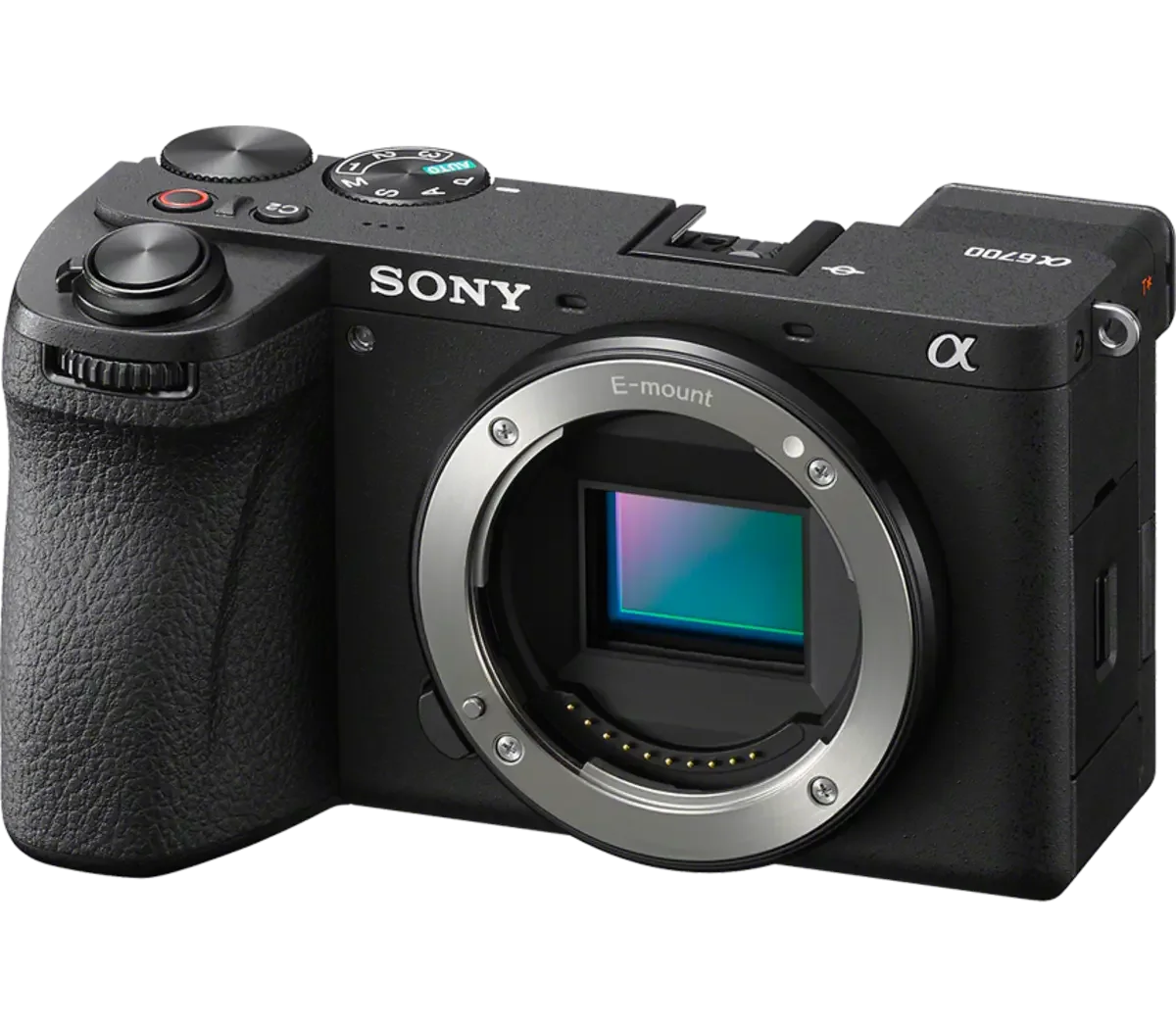
It records video properly. Digital Camera World singles out 4K 120p, IBIS and AI autofocus as its big selling points for hybrid shooters, making it a compelling alternative to Sony's ZV line.
Its autofocus recognizes almost anything. Sony's AI processing unit recognizes people, animals, birds, insects and vehicles.
It is small and sealed. The weather-sealed magnesium body weighs about 493 g with battery and card, with in-body stabilization.
✅ Buy it if
You make photos and videos. It balances both better than anything else here.
You want Sony's lens choice. The same E-mount lenses work on Sony's full-frame bodies.
❌ Skip it if
You shoot mostly stills and love dials. The Fujifilm X-T5 has 40MP and dials.
You are on a tight budget. The Canon EOS R50 launched at half the price.
Flaws but not dealbreakers
The 2.36M-dot finder looks dated, there is one card slot and no AF joystick, 4K/120 is cropped, and long 4K/60 clips can overheat. Sony rates 550 viewfinder shots per charge (CIPA), which is good.
Step up: full frame on the same mount; see the full-frame guide. Step down: the Sony a6400, an older body without in-body stabilization.
How it compares
Hybrid shoppers also look at the Fujifilm X-S20. For autofocus and lens choice, the a6700 wins; for Fujifilm colors and a big grip, the X-S20 does. See X-S20 vs a6700.
The bottom line: The APS-C camera that does the most things well.
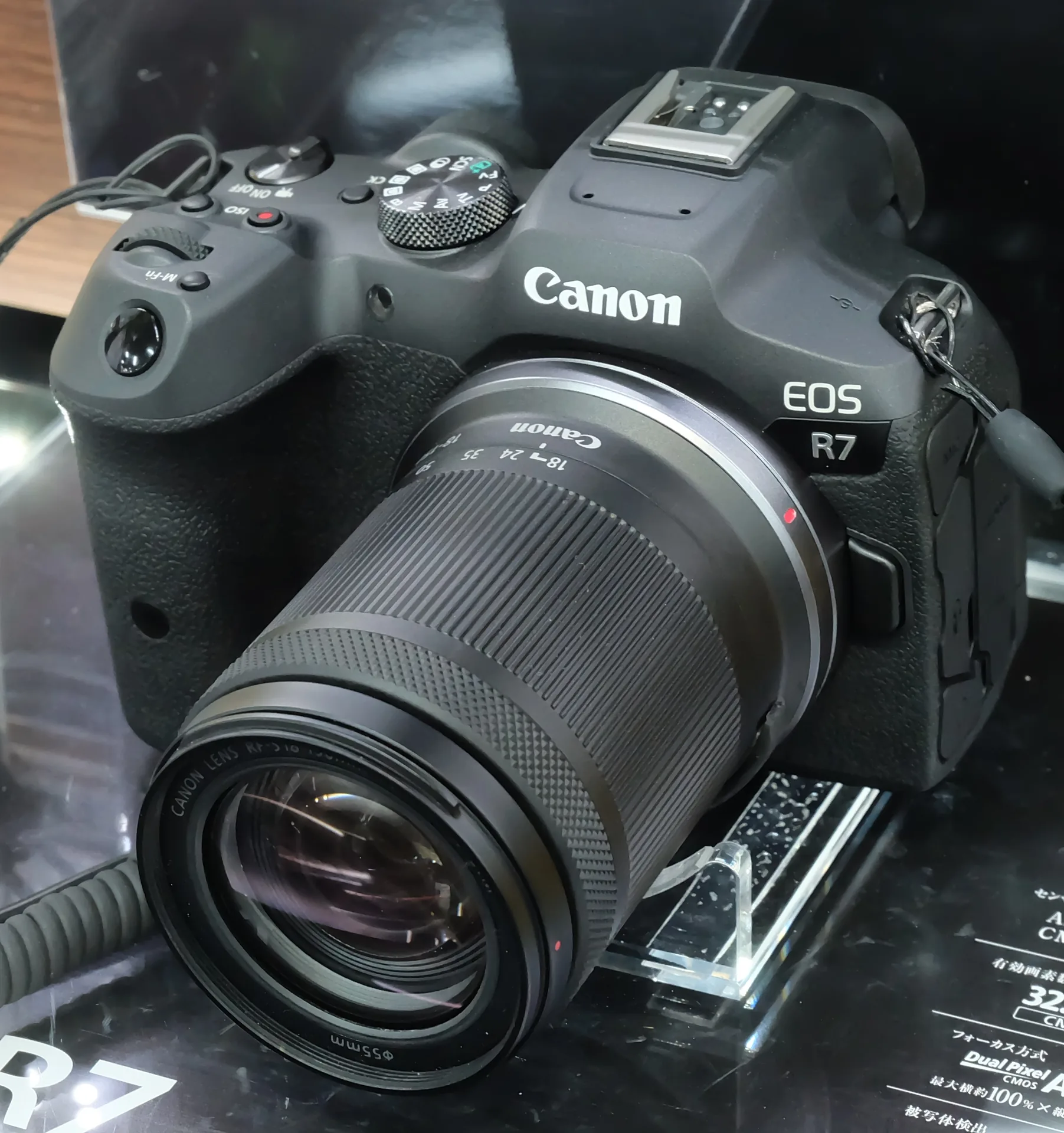
It is fast. It shoots 15 fps with the mechanical shutter and 30 fps electronic, with Dual Pixel CMOS AF II that detects people, animals and vehicles. Digital Camera World calls it a great proposition for wildlife enthusiasts.
Its crop adds reach. The 1.6x crop makes an RF 100-400mm frame like a 640mm lens, which is long enough for birds.
It is built for outdoors. It has a weather-sealed body, in-body stabilization up to 7 stops and two UHS-II card slots. Canon rates about 500 viewfinder shots per charge (CIPA).
✅ Buy it if
You shoot birds or wildlife. Reach and speed are what matter there.
You shoot kids' sports. Bursts and tracking keep up.
❌ Skip it if
You want a video all-rounder. The Sony a6700 is better balanced.
You need it today. Availability is limited (Canon US backorder as of Oct 23, 2026); see the note below.
Flaws but not dealbreakers
Digital Camera World finds high-ISO detail weaker than rivals. It weighs about 612 g with battery and card.
Step up: full frame; see the full-frame guide. Step down: the Canon EOS R10, with 15 fps bursts but no in-body stabilization or weather sealing.
How it compares
Wildlife shoppers also look at the Fujifilm X-H2S, a stacked-sensor action body. For reach on Canon's RF mount at its launch price, the R7 wins; if the R7 is out of stock, the X-H2S is our ready alternative.
The bottom line: Canon's action APS-C body, if you can get one.
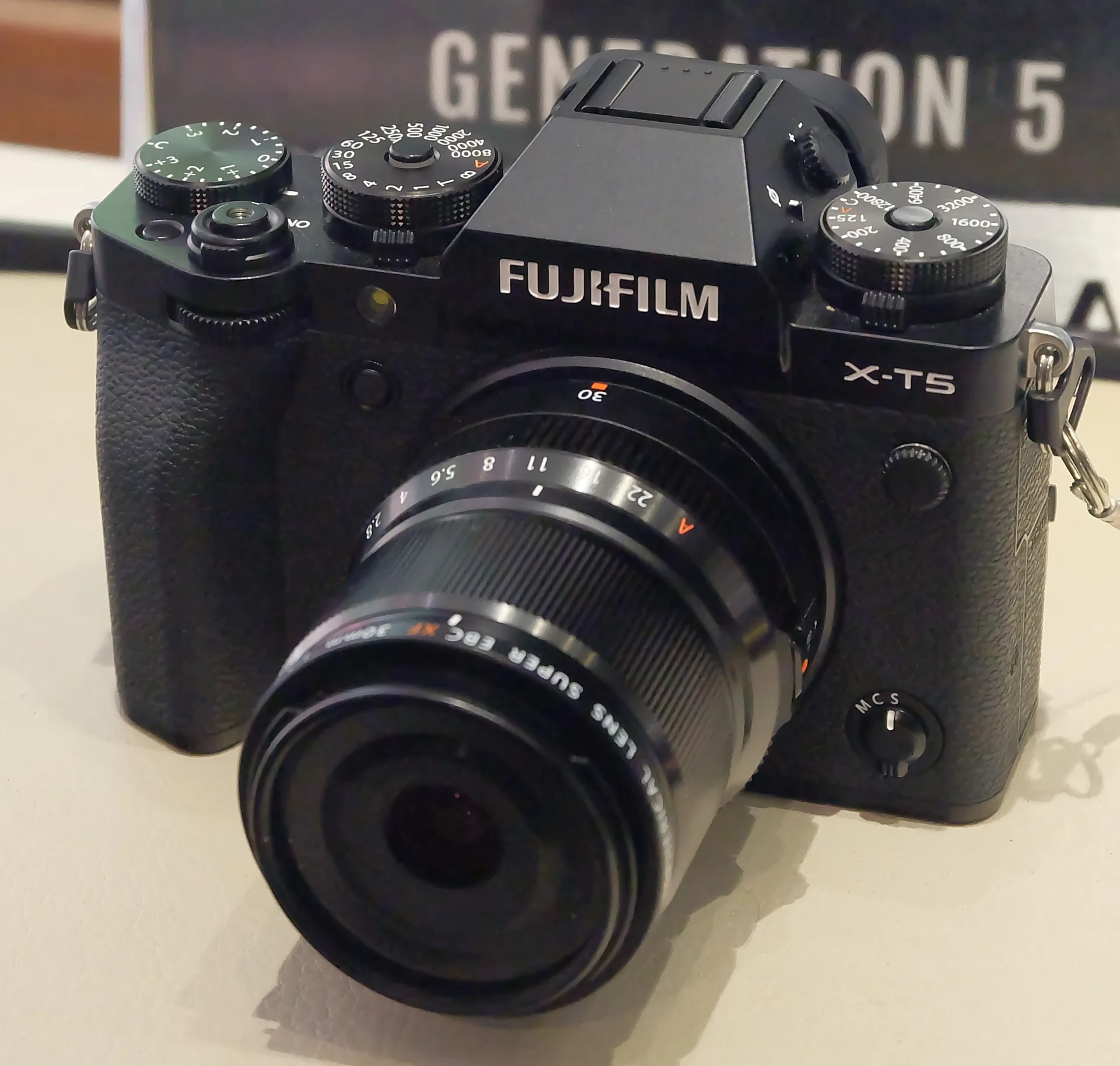
It gives you detail. Its 40.2MP X-Trans CMOS 5 HR sensor leaves room to crop and print. Digital Camera World says it puts photography first for serious enthusiasts.
It is a pleasure to use. ISO, shutter speed and exposure compensation dials sit on top, so you can set a shot without menus.
It steadies slow shutter speeds. Five-axis stabilization is rated up to 7 stops, and it weighs about 557 g with battery and card.
✅ Buy it if
You shoot landscapes, travel or street. Detail and dials suit slow, careful work.
You want dual card slots. It has two UHS-II SD slots.
❌ Skip it if
You vlog. The tilting screen doesn't face forward; the Fujifilm X-M5 or Sony a6700 suit video better.
You shoot fast action. The Canon EOS R7 is faster.
Flaws but not dealbreakers
40MP files need storage and processing power, and its 20 fps electronic bursts use a 1.29x crop. Fujifilm rates about 580 frames per charge (Normal, CIPA).
Step up: the Fujifilm X-H2, the same 40MP sensor in a bigger body. Step down: the Fujifilm X-T50, the same sensor in a smaller body.
How it compares
Stills shoppers also look at the X-T50. The X-T5 wins on dials, two card slots and battery life; the X-T50 wins on size. See X-T50 vs X-T5.
The bottom line: The best APS-C camera for photographers.
Canon EOS R10. A step up from the R50 for action, but the R50 is simpler for a first camera.
Nikon Z50 II. A travel alternative with a viewfinder; the X-M5 is smaller.
Fujifilm X-S20. A video runner-up with a big grip; the a6700 has the stronger autofocus.
Fujifilm X-H2S. Our ready swap for the R7 if Canon's stock doesn't return.
Fujifilm X-H2. The X-T5's 40MP sensor in a bigger, more video-friendly body.
How we chose
We started from the cameras that established reviewers recommend most often for each kind of photographer, then checked every spec and launch price against the manufacturer. Each pick had to be the clearest fit for one role, not just a good camera overall. We haven't tested these cameras ourselves; the photos are manufacturer or press images, credited under each one.
Prices are launch prices from each manufacturer, in US dollars for the body only. They aren't today's prices, so check before you buy.