
Our #1 is the Sony a7 V. It is the newest camera here, both of TechRadar's current lists put it first, and Sony's E-mount gives it the widest lens choice of any full-frame system. The Canon EOS R5 Mark II (#2) appears on more of the lists we read than any other camera, but it costs far more. The Nikon Z5II (#3) is the value pick, and the Canon R6 Mark III (#4) and Nikon Z6III (#5) round out the top five.
The 5 Best Full-Frame Cameras Right Now
Ranked from best overall down, from published reviews and manufacturer specs. Updated October 23, 2026.
Ranking table
| Rank | Camera | Best for | Pros | Launch price | Biggest trade-off | Price |
|---|---|---|---|---|---|---|
| #1 | Sony a7 V | Best overall | The newest all-rounder, ranked first by both current TechRadar lists. | Sony: $2,899 in 2025 | Busy menus; no raw video | Check price |
| #2 | Canon EOS R5 Mark II | Best high-resolution hybrid | 45MP and 30 fps with internal 8K RAW; on more of the lists we read than any other camera. | Canon: $4,299 in 2024 | Price; about 746 g | Check price |
| #3 | Nikon Z5II | Best value | Nikon's EXPEED 7 autofocus in an entry full-frame body. | Nikon: $1,699.95 in 2025 | Slower mechanical bursts | Check price |
| #4 | Canon EOS R6 Mark III | Best for video and events | 40 fps, 7K open gate and 7K raw video from Canon's newest mid-range body. | Canon: $2,799 in 2025 | No fan; new CFexpress cards | Check price |
| #5 | Nikon Z6III | Best for low light | A partially stacked sensor, AF to −10 EV and internal 6K RAW. | Nikon: $2,499.95 in 2024 | Still 24.5MP; about 760 g | Check price |
#1. Sony a7 V (Best overall)
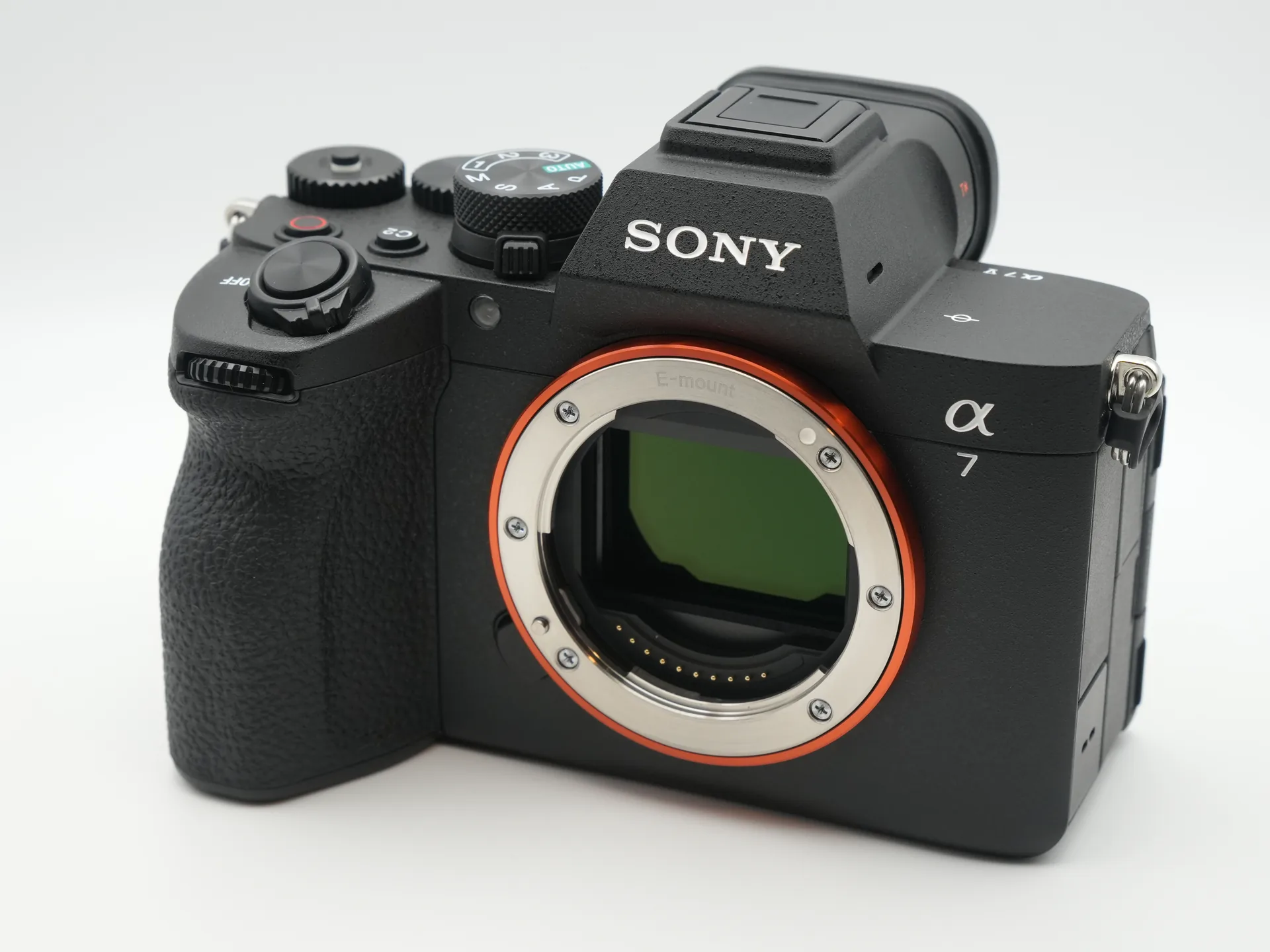
Sony: Launched at $2,899 in 2025 (US, body only)
Check priceWhy it's #1: It is #1 in both of TechRadar's current lists and the newest camera here. Sony lists 30 fps blackout-free shooting with AF/AE tracking and Pre-Capture, 759-point AI autofocus and up to 7.5 stops of IBIS.
What would knock it off #1: A clearly better stills-and-video body at the same price.
What it does well: Its 33MP sensor, 30 fps bursts and AI subject recognition cover most subjects. It records 4K/60 oversampled from 7K, and it has dual UHS-II-capable slots.
The trade-off: DPReview finds the menu busy and notes that the viewfinder defaults to its lower-resolution mode. Engadget points out there is no raw video or open gate.
✅ Buy it if you want one body for everything and the widest lens choice.
❌ Skip it if you mostly shoot video and want raw or open gate. Look at the Canon R6 Mark III (#4).
Bottom line: the safest full-frame buy right now.
#2. Canon EOS R5 Mark II (Best high-resolution hybrid)
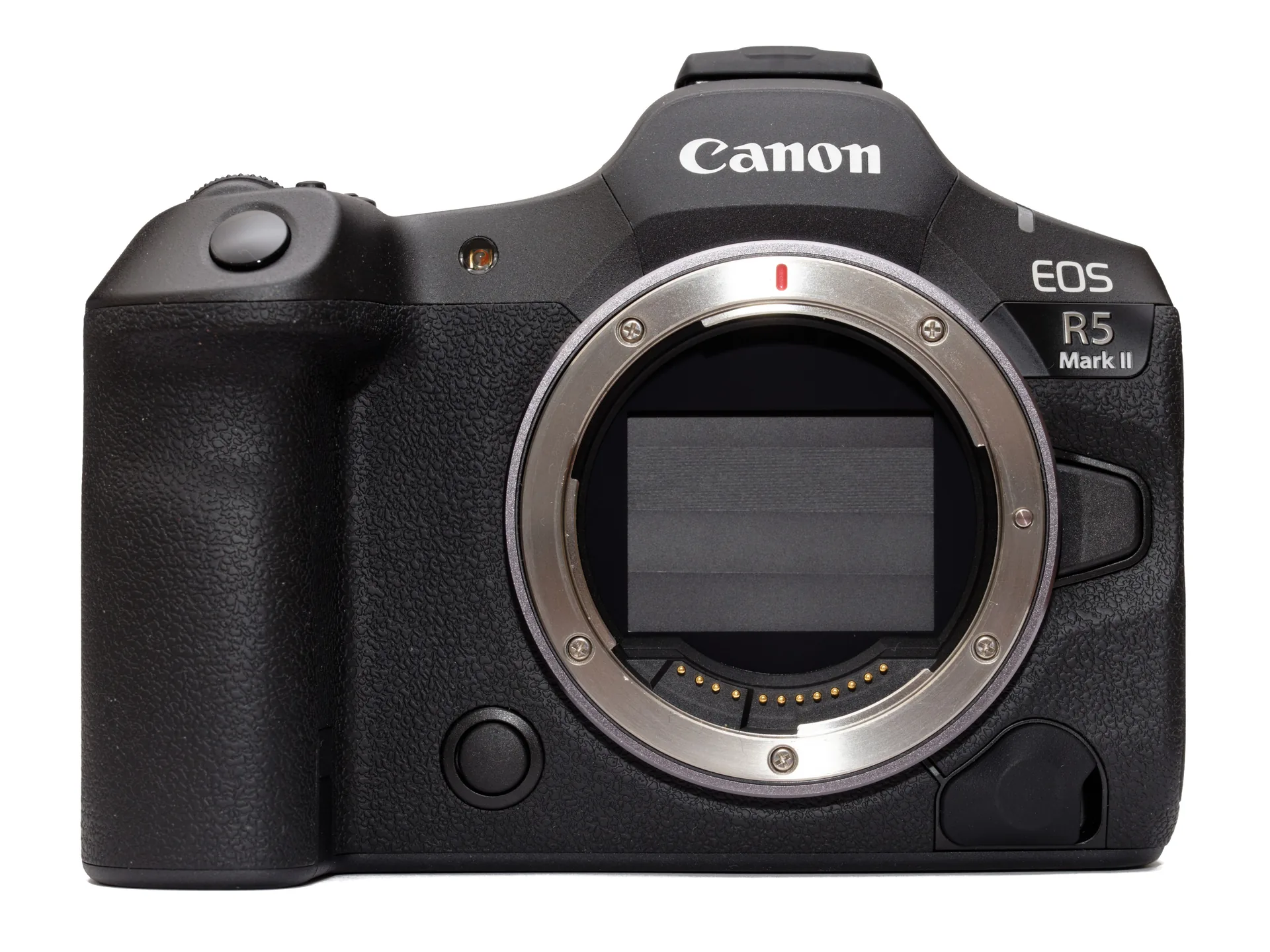
Canon: Launched at $4,299 in 2024 (US, body only)
Check priceWhy it's #2: It appears on five of the six full-frame-relevant lists we read, and Tom's Guide names it the best full-frame camera. Canon pairs a 45MP stacked sensor with 30 fps bursts, pre-continuous shooting and internal 8K RAW.
Why it isn't higher: At $4,299 it costs $1,400 more than the a7 V at launch, and most stills shooters won't need its resolution.
What it does well: Eye Control AF and Action Priority help with sport. IBIS is rated up to 8.5 stops at the center, and video goes to 8K RAW at 60p and 4K at 120p internally.
The trade-off: It weighs about 746 g with card and battery and needs the new LP-E6P battery for every feature. Canon rates about 340 viewfinder shots per charge (CIPA, power-saving mode).
✅ Buy it if you shoot wildlife, sport or weddings and want 45MP plus speed in one body.
❌ Skip it if you are on a budget. The Nikon Z5II (#3) costs well under half as much.
Bottom line: the best camera here if you can afford it, and the one most reviewers agree on.
#3. Nikon Z5II (Best value)
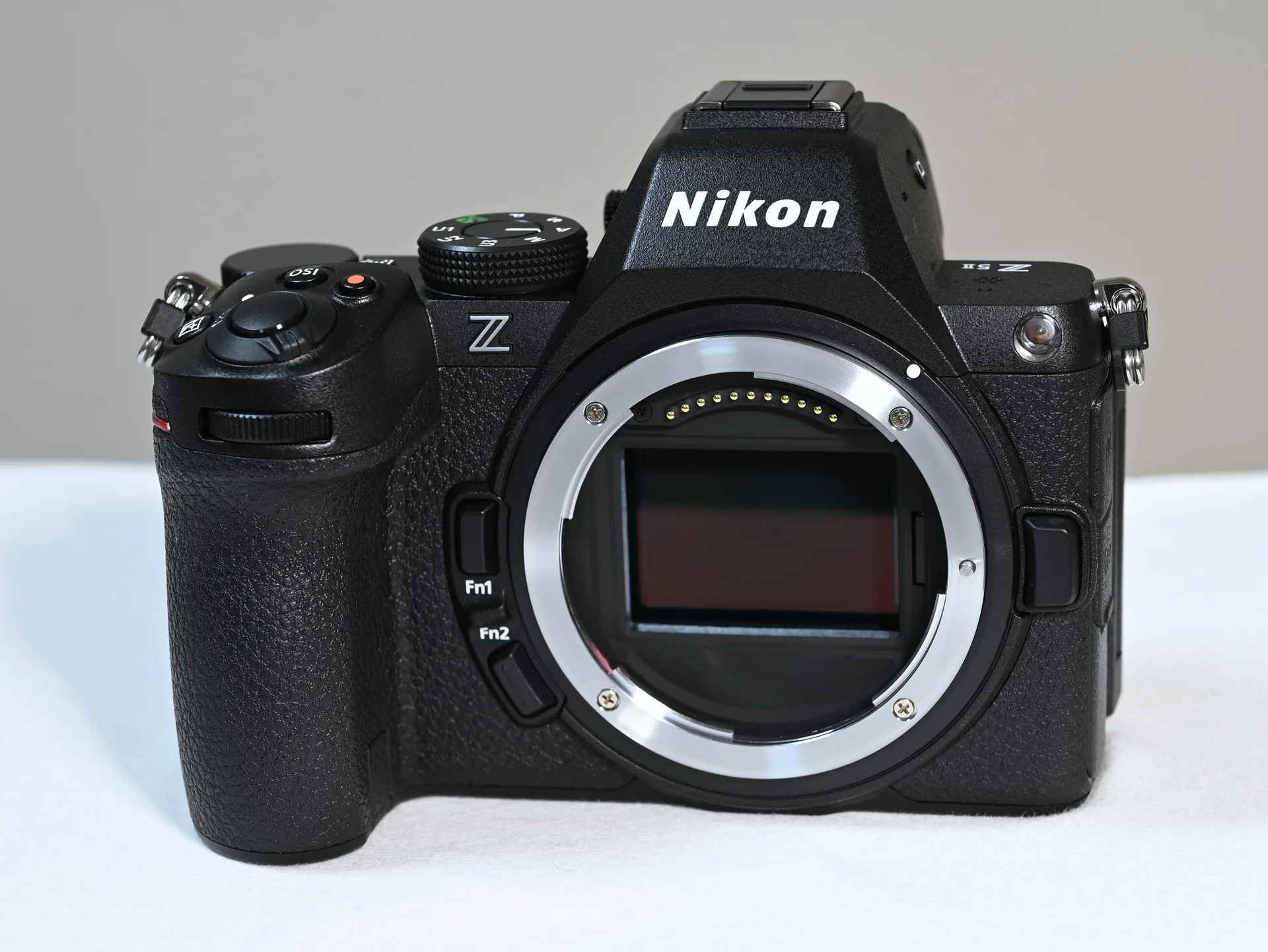
Nikon: Launched at $1,699.95 in 2025 (US, body only)
Check priceWhy it's #3: Amateur Photographer ranks it #1, and TechRadar and Tom's Guide both put it third. It brings the Z8/Z9's EXPEED 7 engine, nine-type subject detection and 7.5-stop VR to a $1,699.95 body.
Why it isn't higher: Its mechanical bursts top out at about 7.8 fps, and its 30 fps mode is JPEG-only, so it can't match the R5 Mark II for action.
What it does well: Nikon specs AF down to −10 EV, a 3,690k-dot OLED finder up to 3000 cd/m², dual UHS-II SD slots and internal 12-bit N-RAW video.
The trade-off: N-RAW is limited to 30p, and the camera weighs about 700 g with battery and card.
✅ Buy it if you are moving up from APS-C or a DSLR and want current autofocus without paying flagship money.
❌ Skip it if you shoot fast action. The a7 V (#1) shoots 30 fps with tracking.
Bottom line: the full-frame camera most people should start with.
#4. Canon EOS R6 Mark III (Best for video and events)
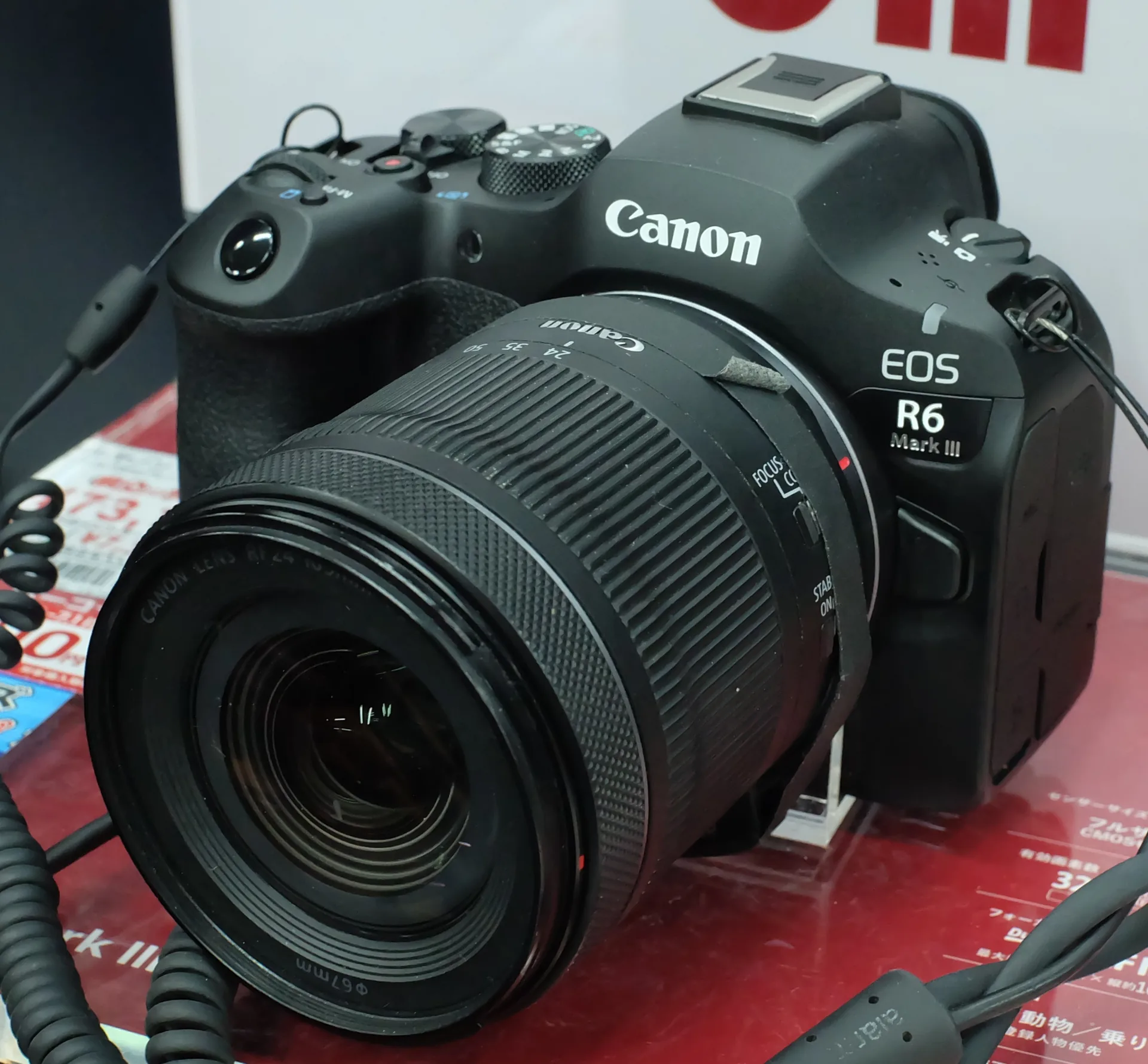
Canon: Launched at $2,799 in 2025 (US, body only)
Check priceWhy it's #4: It is #2 on Amateur Photographer's current list and Canon's newest mid-range body. Canon lists 32.5MP, 40 fps electronic bursts with 20-frame pre-capture, and 7K raw, 7K open gate and 4K/120 video.
Why it isn't higher: Only one list we read ranks it so far, and PetaPixel reports overheating in long 4K/60 and open-gate takes. The Z5II covers most stills needs for about $1,100 less.
What it does well: It has up to 8.5 stops of IBIS, a sealed body and 12 fps mechanical bursts, with room to crop at 32.5MP.
The trade-off: DPReview finds its dynamic range behind the best rivals, and lower with the electronic shutter. The CFexpress Type B slot means buying new cards.
✅ Buy it if you already own RF lenses or shoot weddings, events and video.
❌ Skip it if you shoot long continuous video takes. Look at the Nikon Z6III (#5) and its internal 6K N-RAW.
Bottom line: the hybrid shooter's pick for Canon users.
#5. Nikon Z6III (Best for low light)
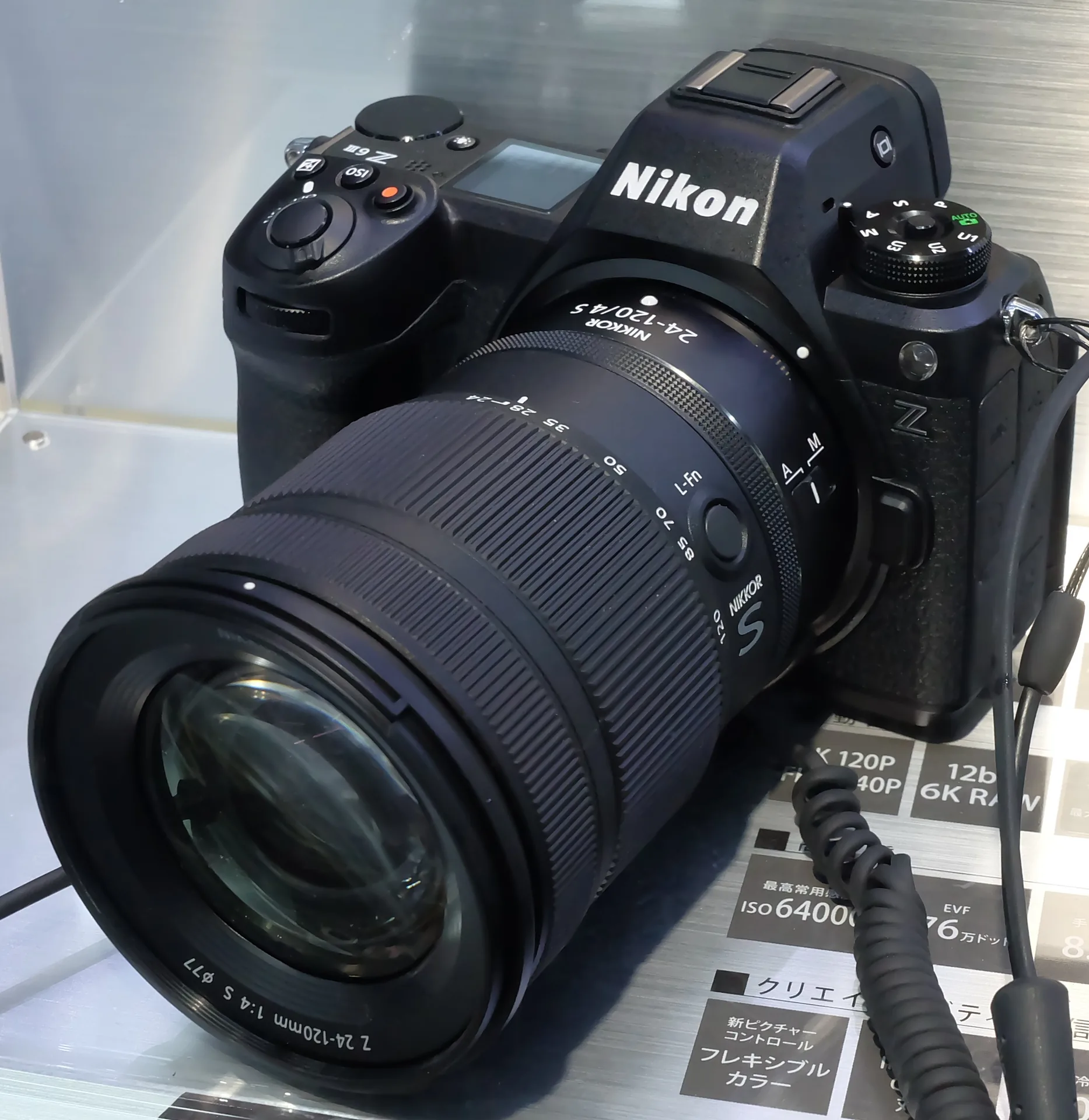
Nikon: Launched at $2,499.95 in 2024 (US, body only)
Check priceWhy it's #5: TechRadar's full-frame list ranks it #1. Nikon pairs a partially stacked sensor with 20 fps bursts, Pre-Release Capture and AF down to −10 EV.
Why it isn't higher: TechRadar's list predates the a7 V and R6 Mark III, and the Z5II now offers much of the same autofocus for $800 less.
What it does well: It has 8-stop VR, a 5.76M-dot, 4,000 cd/m² finder and internal 6K/60p N-RAW and ProRes RAW.
The trade-off: It is still 24.5MP and weighs about 760 g with battery and card. Nikon rates about 380 shots per charge (viewfinder, CIPA).
✅ Buy it if you are a Nikon shooter who wants a faster sensor and a better finder than the Z5II.
❌ Skip it if you need resolution. The R5 Mark II (#2) has 45MP.
Bottom line: the faster Nikon, if the Z5II isn't quite enough.
Also considered
- Panasonic S1 II: on three of the lists we read, but we haven't covered it on the site yet.
- Sony a7R VI: Amateur Photographer's #4; a high-resolution niche camera we haven't covered yet.
- Canon EOS R8 Mark II: too new to rank. It isn't on any of the lists we read yet.
How we ranked them
We weighed five things: all-round image and video capability (35%), autofocus and speed (20%), lens system and upgrade path (20%), value at launch price (15%), and newness and support (10%). We don't print a score for each camera; the weights explain the order.
A camera ranks high only if at least two of the published lists we read put it near the top, or if the manufacturer's specs clearly support it. Sources disagree in places. TechRadar's full-frame list puts the Nikon Z6III first, but it was last updated in October 2025, before the a7 V and R6 Mark III arrived, so we rank the Z6III #5. Amateur Photographer's current list puts the Z5II first; we rank it #3 because it gives up speed and video to the two cameras above it.
Lists we read: Amateur Photographer, best full-frame cameras; TechRadar, best full-frame camera (last updated Oct 2025); TechRadar, best mirrorless camera; TechRadar, best camera for photography; Tom's Guide, best mirrorless cameras; PetaPixel, best camera for photography.
Prices are launch prices from each manufacturer, in US dollars for the body only. Use the Check price buttons for today's price.
Not sure which one fits you?
Pick by what you shoot
Five picks by role, with a table that matches you to one camera.
Still deciding on sensor size?
Our plain-English guide explains what the crop does to your lenses, low light and background blur.
The 5 best APS-C cameras
Smaller, lighter and cheaper bodies, ranked the same way.
Prefer the other sensor size? See APS-C Camera Guide: Which One Fits How You Shoot.
Rankings as of October 23, 2026
APERTURE NOTES is reader-supported. We may earn a commission when you buy through links on this page.