

Filters the cards below as you type; matches from older pages are listed too.
Matches on other pages
Wednesday, October 21, 2026
- Photo: Casey Helton, CC BY-SA 4.0
Canon EOS R5 Mark II review: Canon's 45MP stacked-sensor hybrid
Review. Canon's 2024 high-speed 45MP body: a back-illuminated stacked full-frame sensor with DIGIC X and DIGIC Accelerator, Dual Pixel Intelligent AF with Eye Control AF and Action Priority, IBIS rated up to 8.5 stops at the center, 30 fps electronic bursts with pre-continuous shooting, 8K RAW to 60p and 4K to 120p. The trade-offs: 746 g ready to shoot and about 340 viewfinder shots per charge (CIPA, power-saving mode). Launched at $4,299 in 2024.
- Photo: Eric Kilby, CC BY-SA 2.0
Nikon Z 9 review: Nikon's 45.7MP flagship with no mechanical shutter
Review. Nikon's 2021 flagship: a 45.7MP stacked full-frame sensor and EXPEED 7 with no mechanical shutter, 493-point AF down to −7 EV, 20 fps continuous and up to 120 fps in high-speed frame capture with pre-release, 8K video and internal N-RAW and ProRes RAW, two CFexpress Type B slots and a built-in vertical grip. The trade-offs: 1,340 g ready to shoot and the size of a pro body. Launched at $5,499.95 in 2021.
- Photo: Henry Söderlund, CC BY 2.0
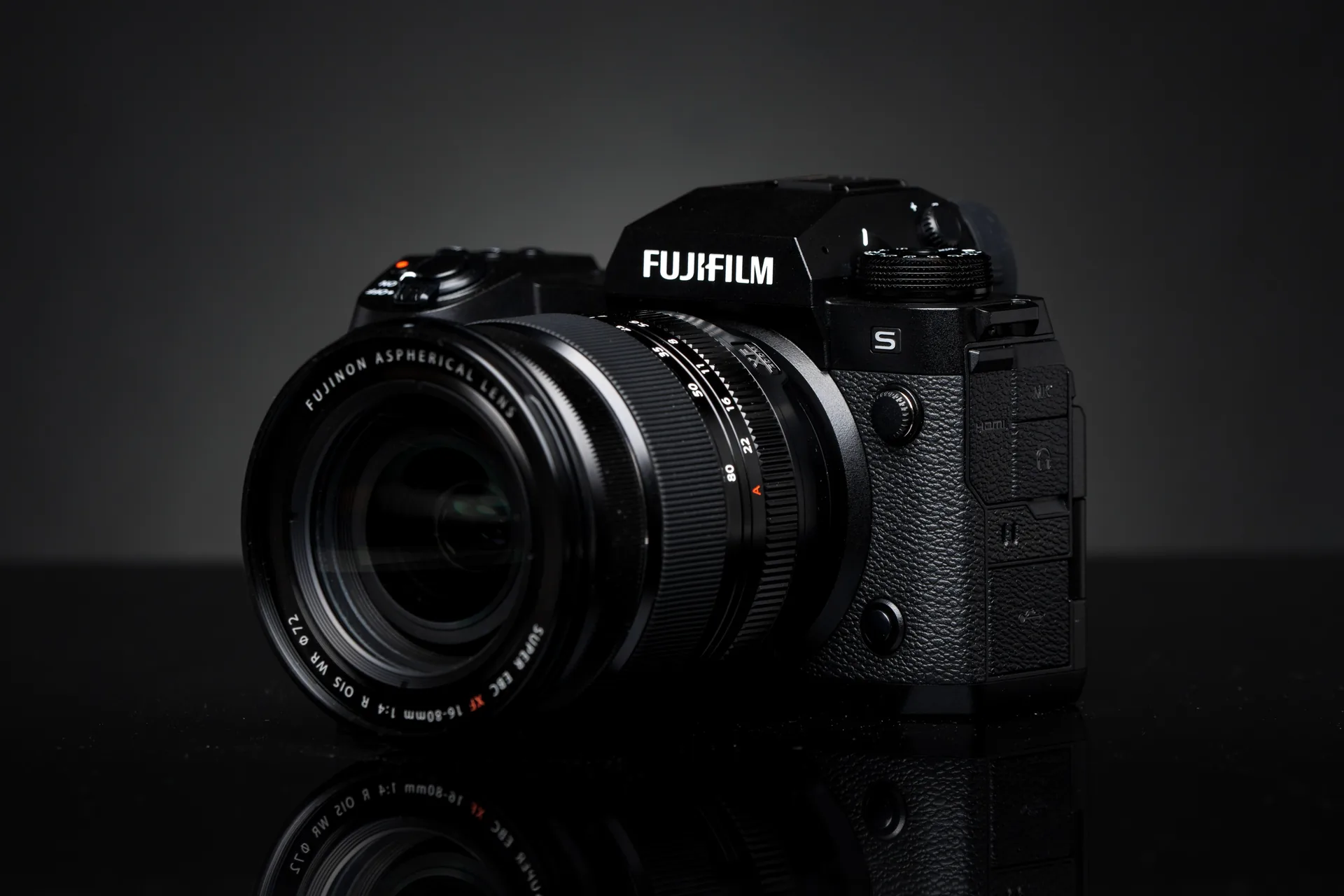
Fujifilm X-H2S review: Fujifilm's 40 fps stacked APS-C body
Review. Fujifilm's 2022 speed flagship: a 26.16MP stacked X-Trans CMOS 5 HS sensor and X-Processor 5, 40 fps blackout-free electronic bursts, subject detection for animals, birds, cars, bikes, planes and trains, 7-stop IBIS, 6.2K/30p and 4K/120p video with internal Apple ProRes, and CFexpress Type B plus SD slots. The trade-offs: 26MP against the 40MP X-H2, and 660 g ready to shoot. Launched at $2,499.95 in 2022.
- Photo: Henry Söderlund, CC BY 2.0
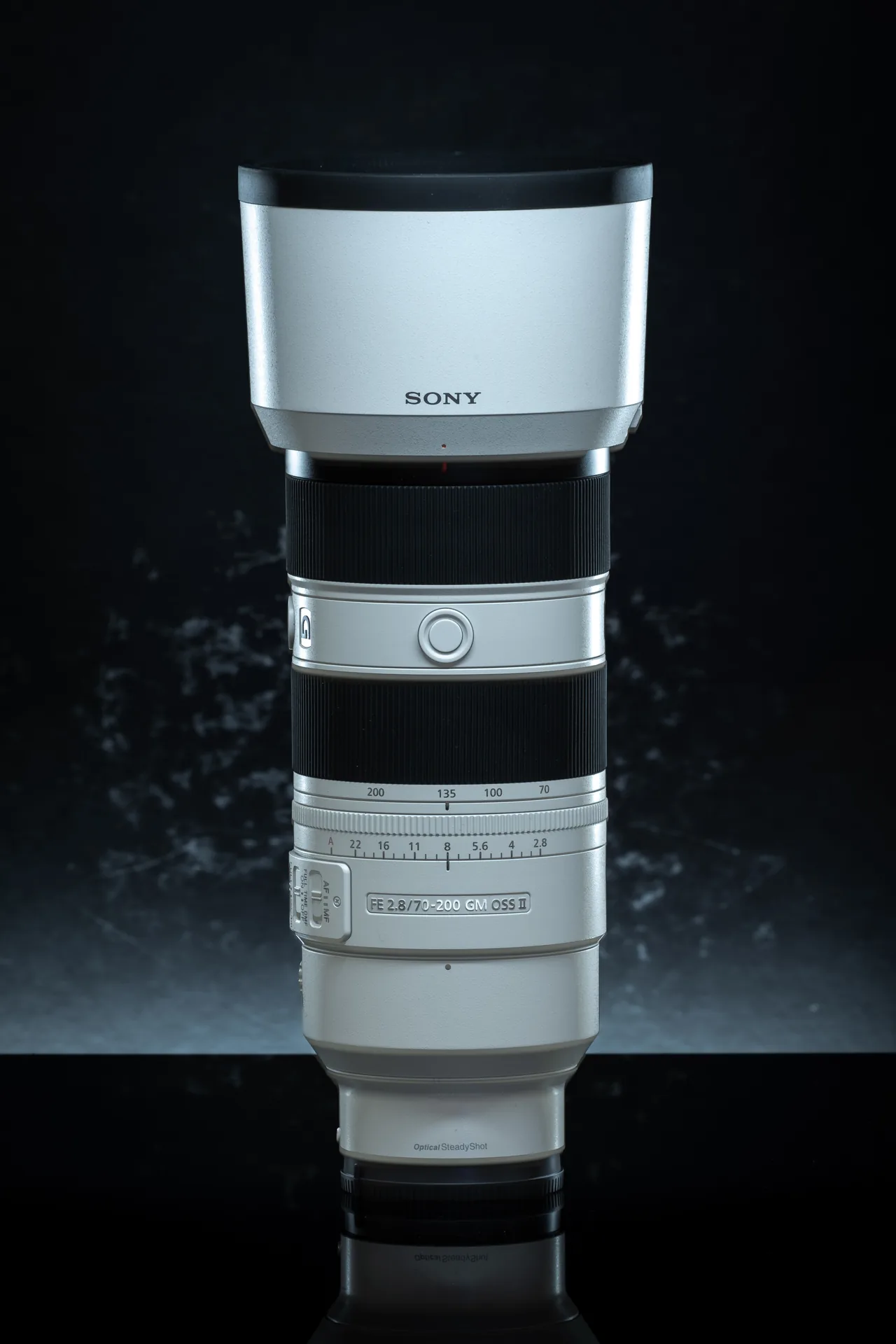
Sony FE 70-200mm F2.8 GM OSS II review: Sony's lighter internal-zoom G Master
Review. Sony's 2021 second-generation G Master telephoto zoom: a ground-up redesign that Sony says is about 29% lighter at 1,045 g, with internal zooming, four XD Linear Motors that Sony rates at up to about four times faster AF than the first GM, reduced focus breathing, an 11-blade aperture with a de-click switch, 0.3x close-up magnification and support for Sony's 1.4x and 2x teleconverters. The trade-off is the launch price. Launched at $2,800 in 2021.
- Photos: PantheraLeo1359531, CC BY 4.0 · Franz van Duns, CC BY-SA 4.0
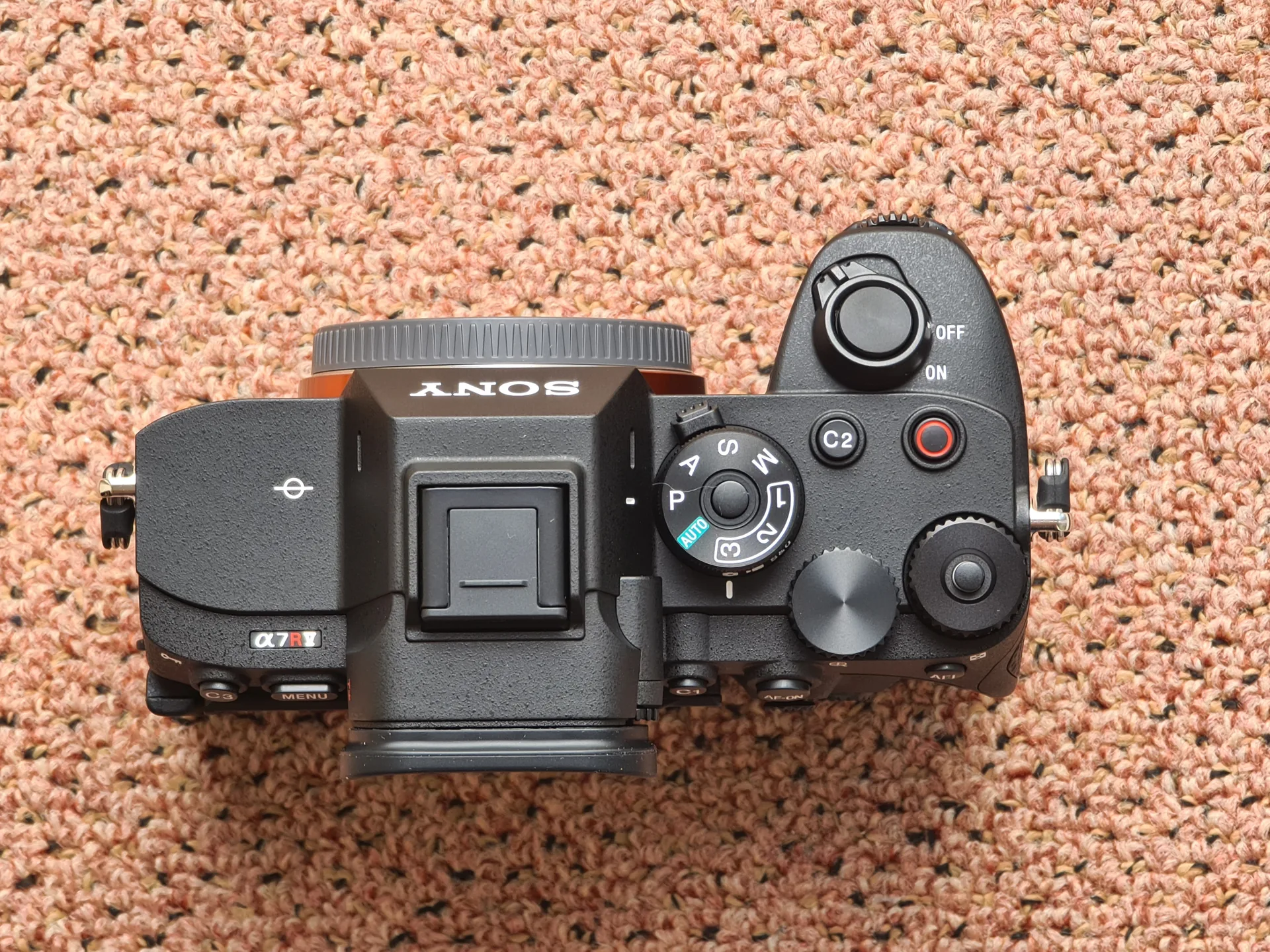
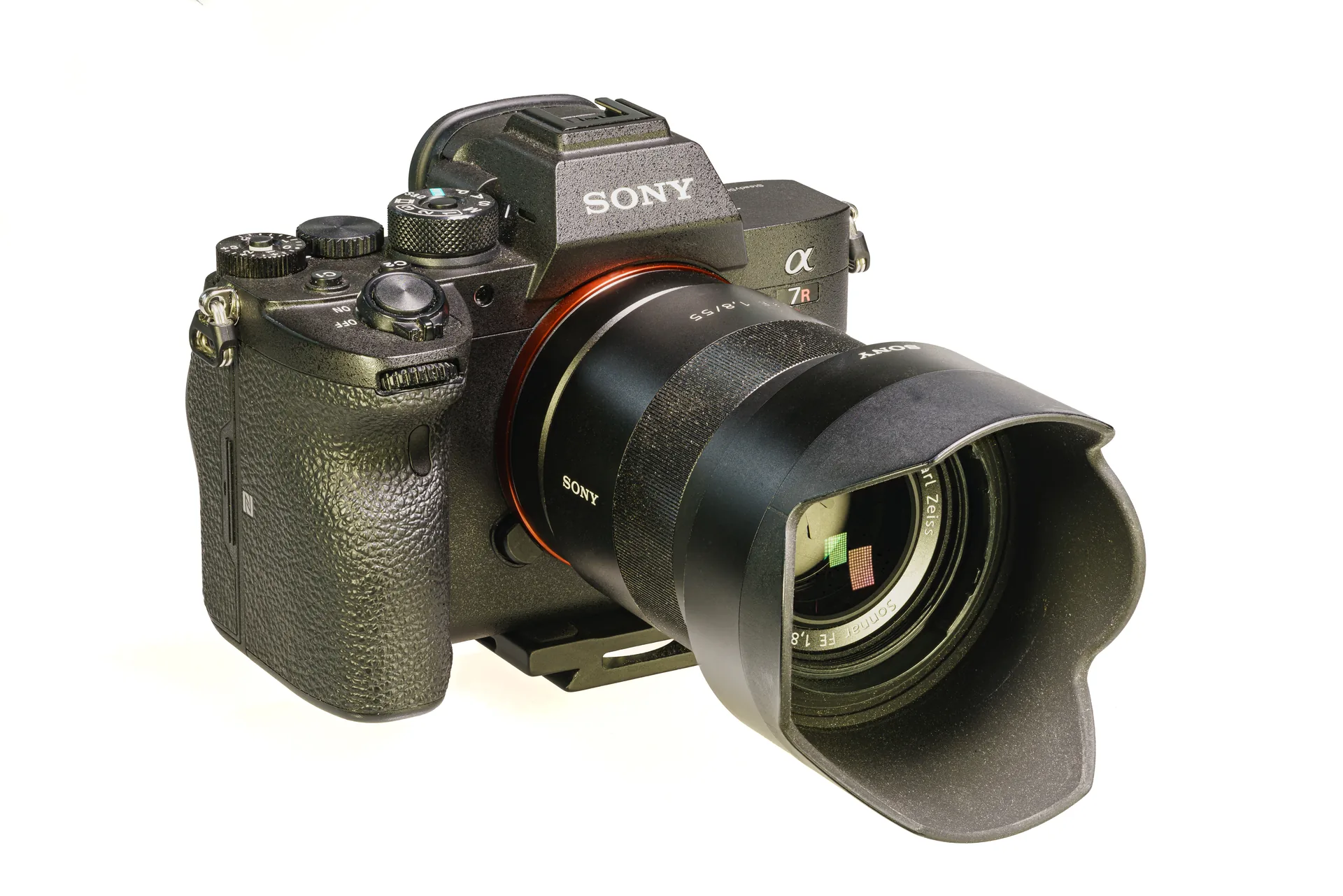
Sony a7R V vs a7R IV: AI autofocus and 8K, or lighter with more shots per charge
Comparison. Same 61MP full frame, ISO range and 10 fps. The a7R V adds AI subject recognition, 8-step IBIS, a 9.44M-dot finder and 8K; the a7R IV is 665 g and gets more shots per charge.
- Photos: Enoch Leung, CC BY-SA 4.0 · 昼落ち, CC0
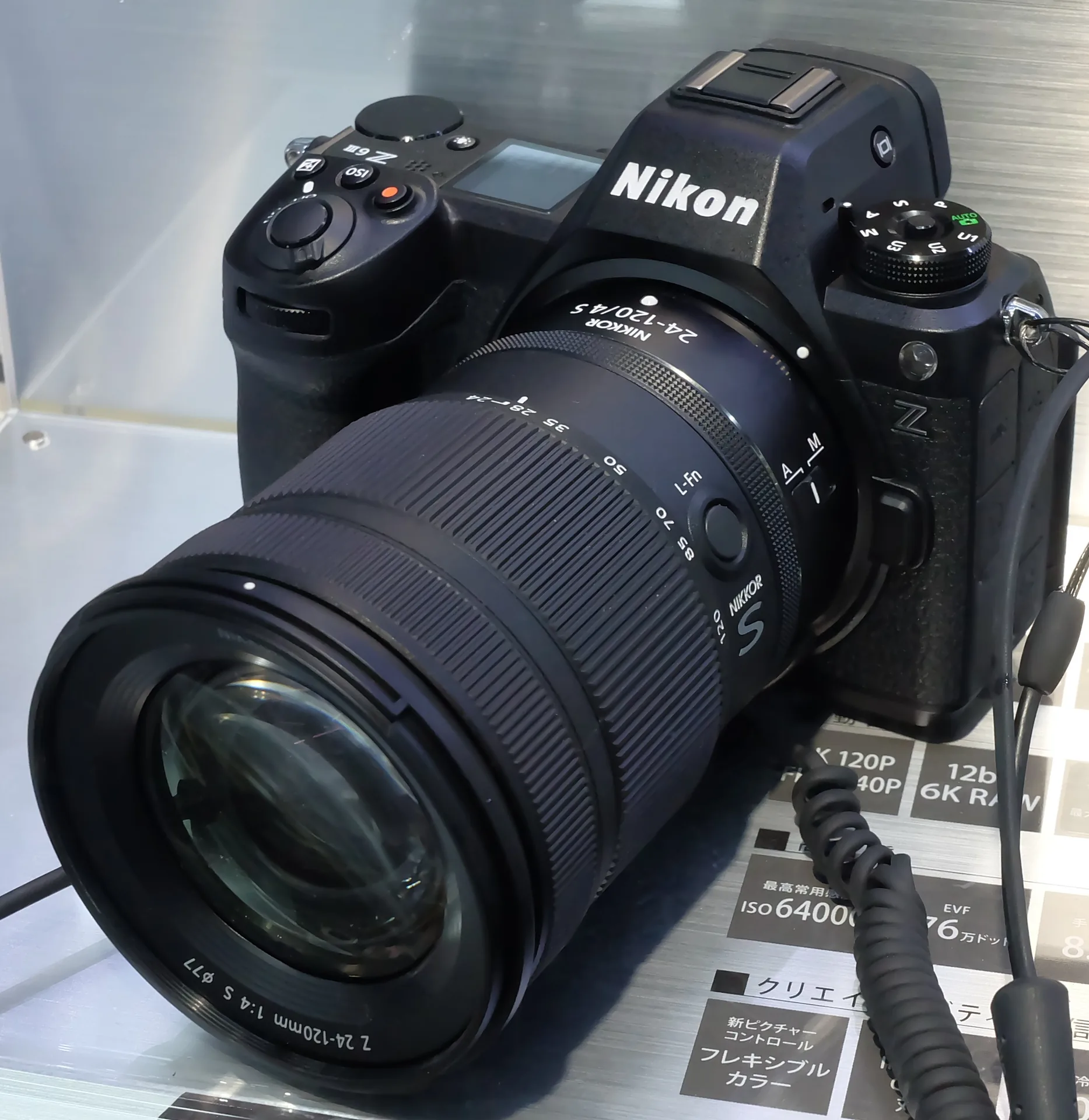
Nikon Z 8 vs Z6III: 45.7MP and 8K, or 24.5MP and lighter
Comparison. Both EXPEED 7 with 20 fps and C120 capture. The Z 8 has 45.7MP stacked, 8K and no mechanical shutter; the Z6III has a 5.76M-dot finder, a vari-angle screen, AF to −10 EV and 760 g.
- Photos: Henry Söderlund, CC BY 2.0 · Henry Söderlund, CC BY 2.0
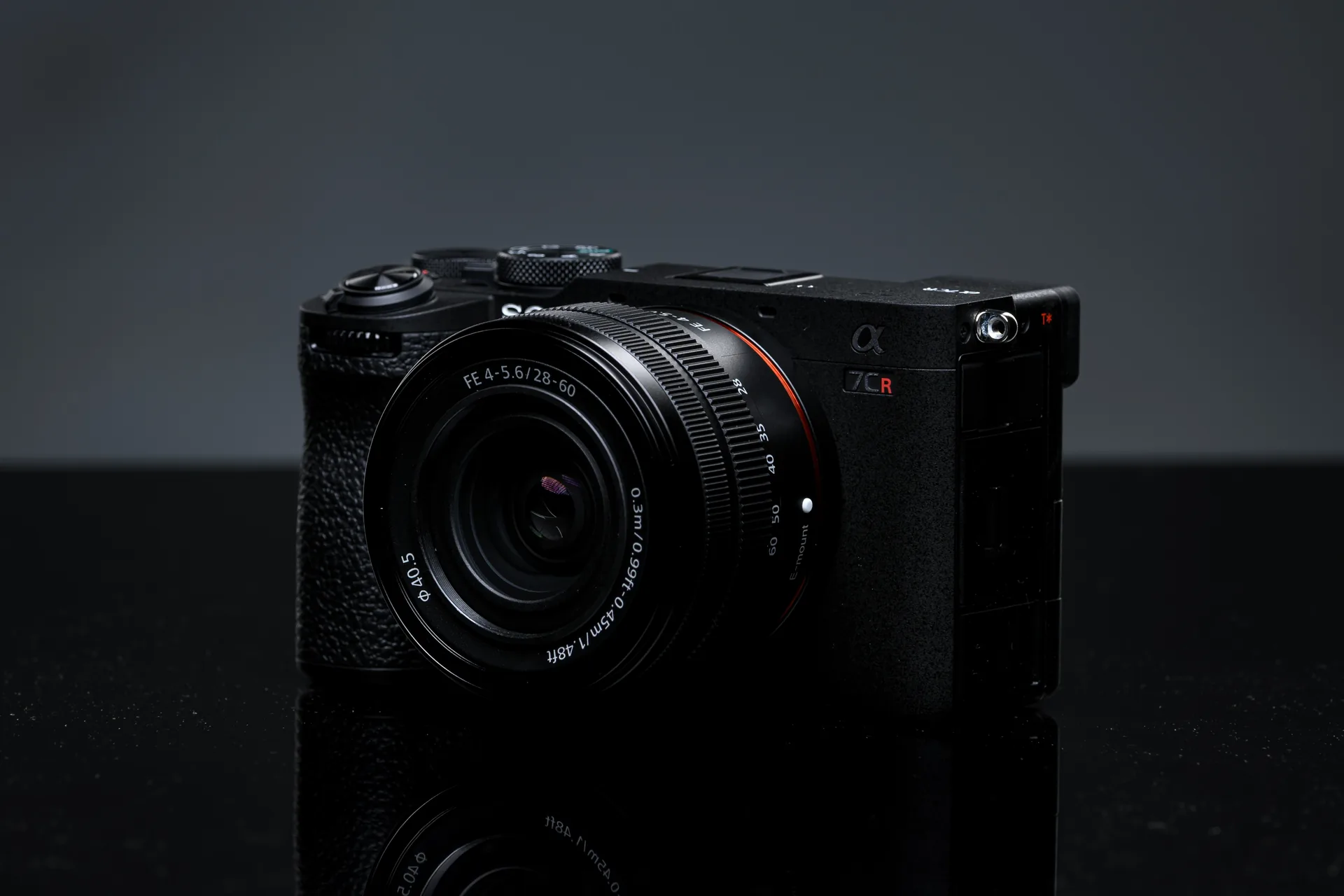
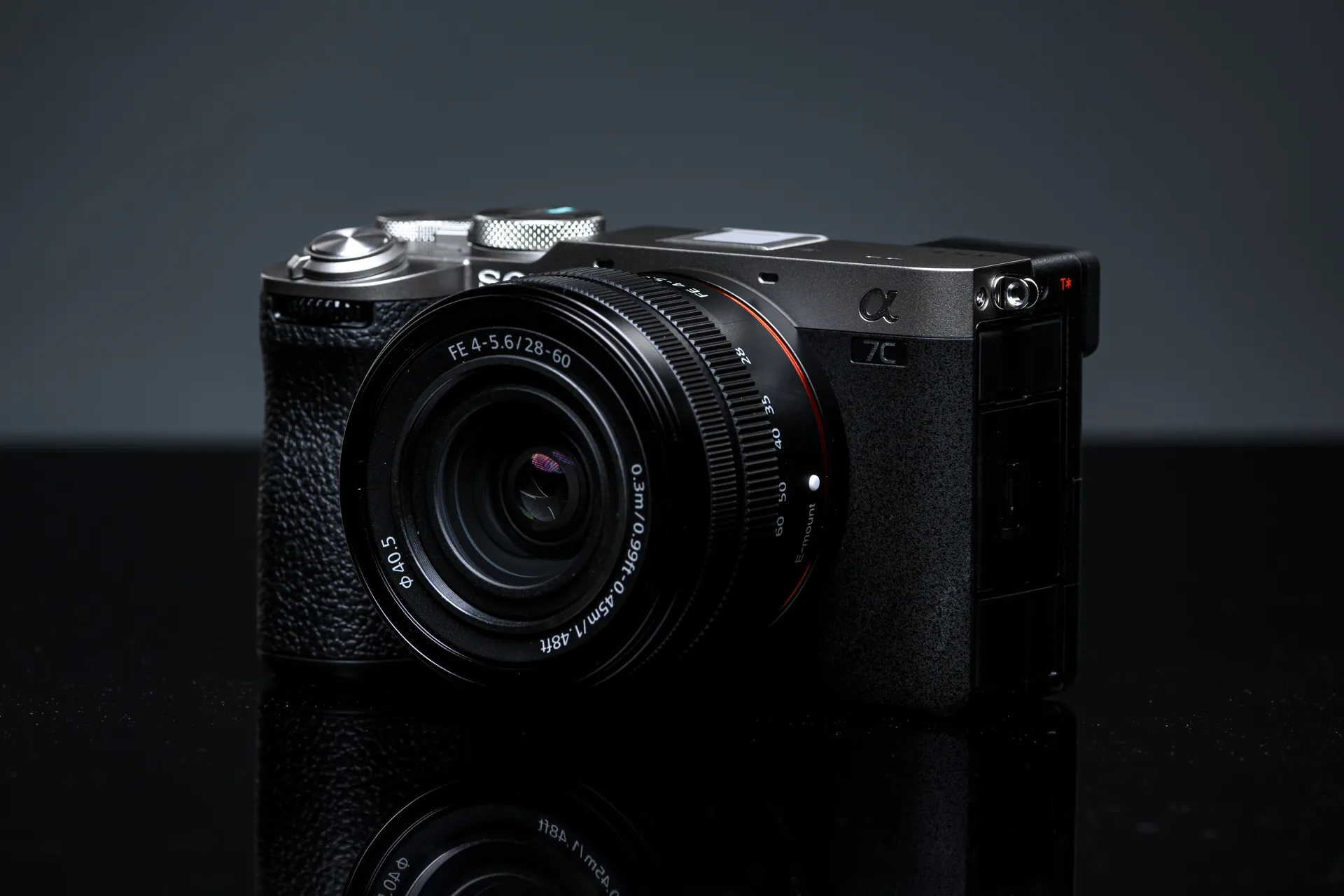
Sony a7CR vs a7C II: 61MP and Pixel Shift, or faster and longer-lasting
Comparison. Same compact body, finder, screen, 7-step IBIS and AI unit, within 1 g. The a7CR adds 61MP, Pixel Shift and a grip extension; the a7C II has 10 fps, ISO to 51200 and 7K-oversampled 4K.



Tuesday, October 20, 2026
- Photo: Jules Verne Times Two, CC BY-SA 4.0
Sony a7R V: Sony's 61MP body with AI autofocus, explained
Review. Sony's 2022 high-resolution body: a 61MP full-frame sensor with BIONZ XR and Sony's first AI processing unit for subject recognition, stabilization Sony rates at 8 steps, a 9.44M-dot 0.90x finder, a 4-axis multi-angle screen, two CFexpress Type A/SD slots and 8K video. The trade-offs: 10 fps top bursts, 8K with about a 1.2x crop and 723 g. Its successor, the a7R VI, was announced in May 2026. Launched at $3,900 in 2022.
- Photo: Enoch Leung, CC BY-SA 4.0
Nikon Z 8: Nikon's Z 9 in a smaller body, explained
Review. Nikon's 2023 Z 9 follow-up: the 45.7MP stacked sensor and EXPEED 7 in a body Nikon says is about 30% smaller, with no mechanical shutter, 493-point subject-detection AF, 20 fps (up to 120 fps in high-speed frame capture), 8K/30p and internal N-RAW and ProRes RAW, and CFexpress Type B plus SD slots. The trade-offs: 910 g and about 330 viewfinder shots per charge (CIPA). Launched at $3,999.95 in 2023.
- Photo: Strubbl, CC BY-SA 4.0
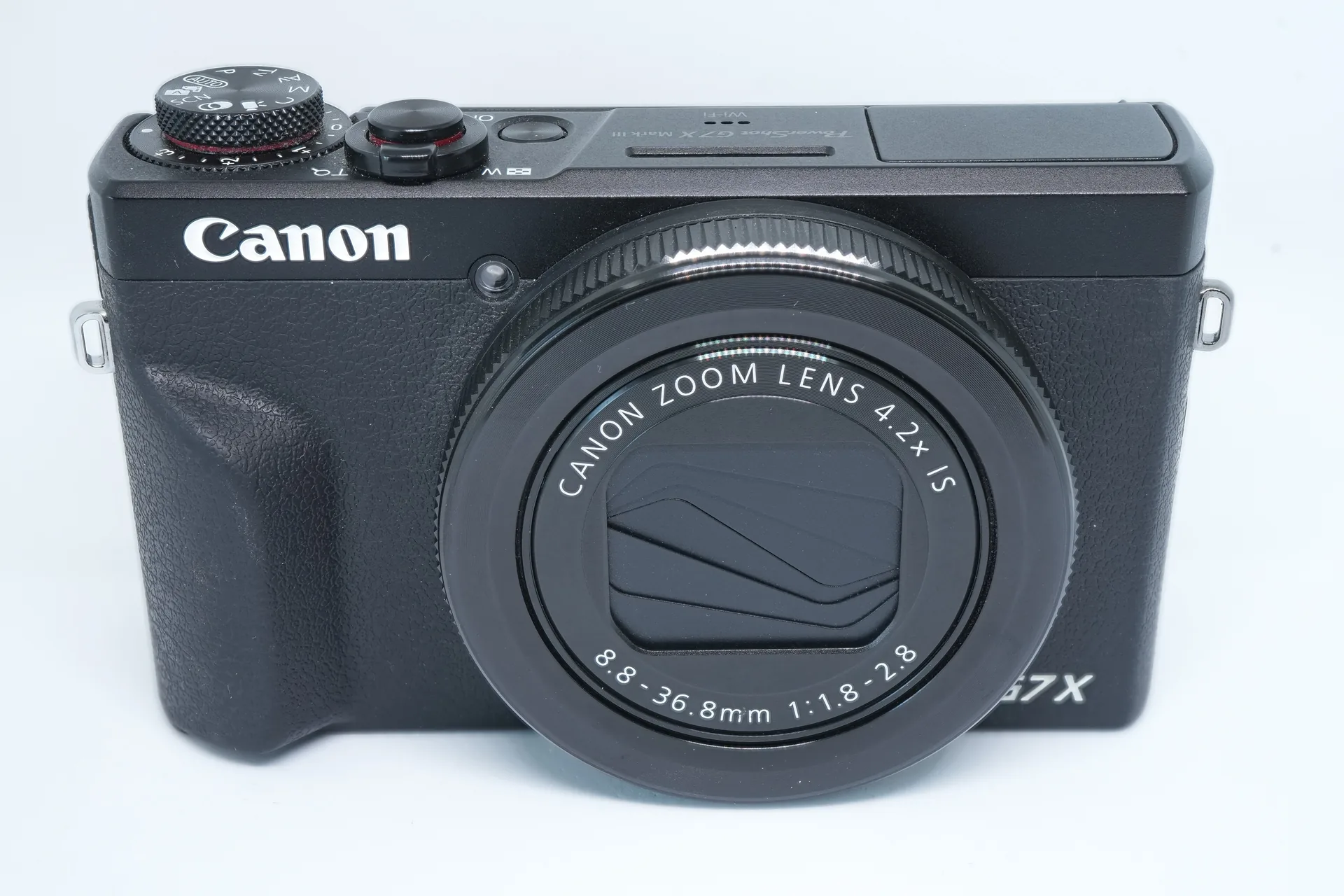
Canon PowerShot G7 X Mark III: Canon's 1-inch vlogging compact, explained
Evergreen guide. Canon's 2019 pocket camera for video creators: a 20.1MP 1-inch stacked sensor and DIGIC 8 behind a 24–100mm-equivalent f/1.8–2.8 zoom with a built-in ND filter, uncropped 4K/30p, a flip-up touchscreen, a mic jack and live streaming, at about 304 g. The trade-offs: no viewfinder, a 9 min 59 s 4K clip limit and about 235 shots per charge (CIPA). Launched at $749.99 in 2019.
- Photo: Bibekkunwar7, CC BY-SA 4.0
Sony a7CR: Sony's 61MP compact full-frame body, explained
Review. Sony's 2023 compact high-resolution body: the a7R V's 61MP sensor and AI processing unit in the a7C II's rangefinder-style body, with 7-step stabilization, Pixel Shift Multi Shooting, a front dial and a GP-X2 grip in the box, at about 515 g. The trade-offs: a 2.36M-dot finder, one SD slot, a 1/4000 s mechanical shutter and 8 fps top bursts. Launched at $2,999.99 in 2023.
- Photos: Henry Söderlund, CC BY 2.0 · Canon Australia / Canon Inc.
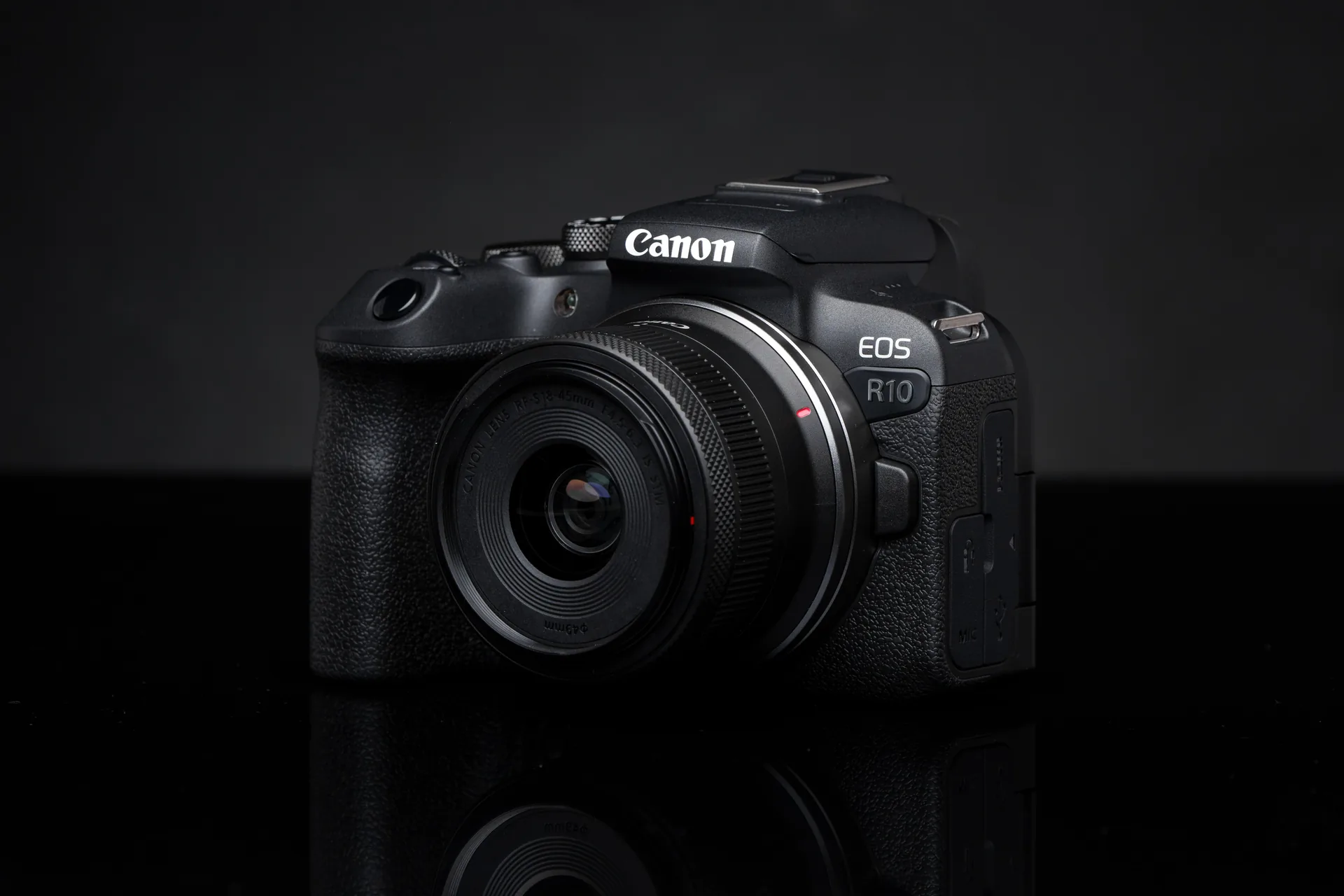
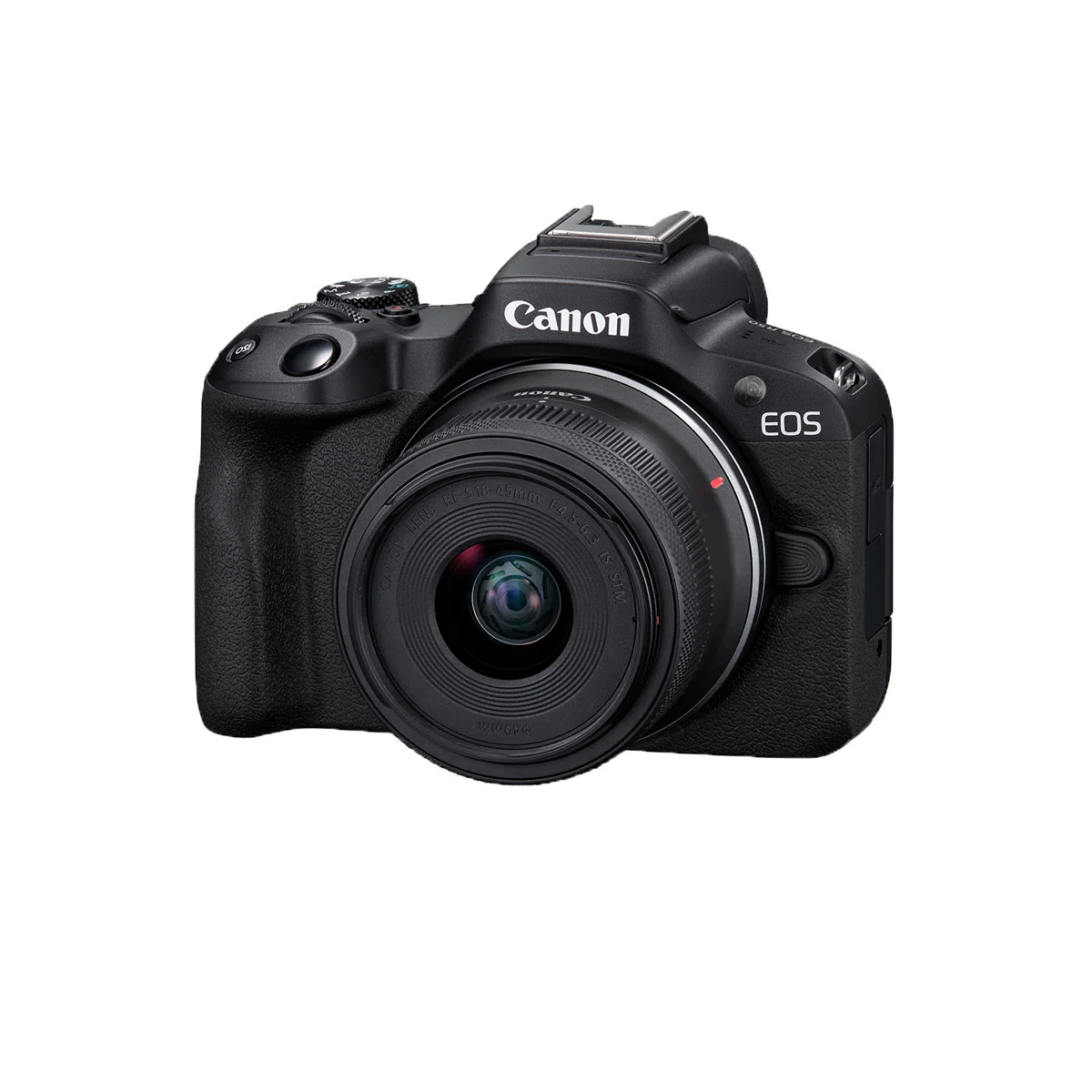
Canon EOS R10 vs R50: faster APS-C body or lighter first camera
Comparison. Same 24.2MP APS-C sensor, DIGIC X and subject AF, and neither has IBIS. The R10 adds 15/23 fps bursts, cropped 4K/60p and UHS-II; the R50 is 375 g with a 1.62M-dot screen.
- Photos: Henry Söderlund, CC BY 2.0 · Canon Malaysia
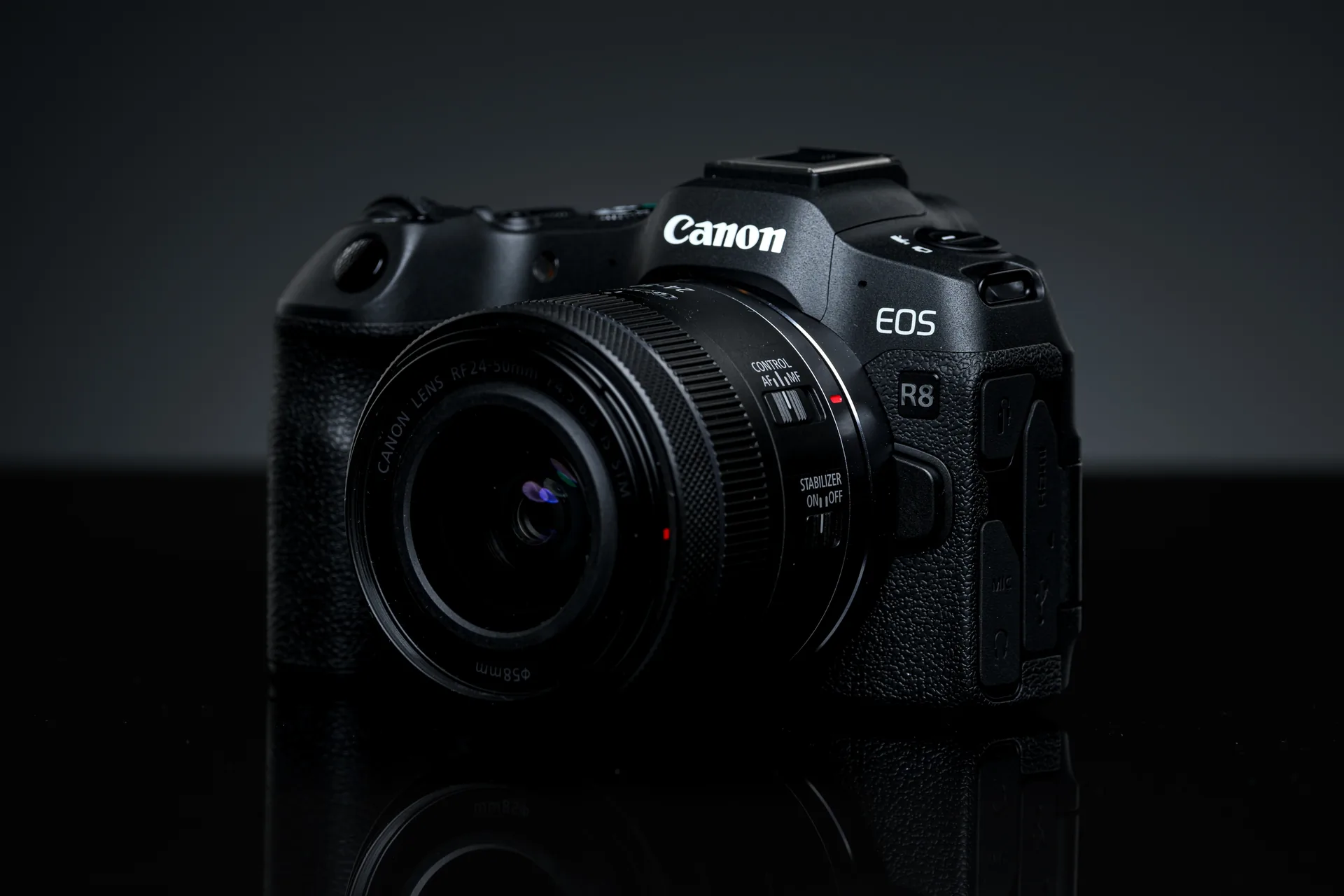
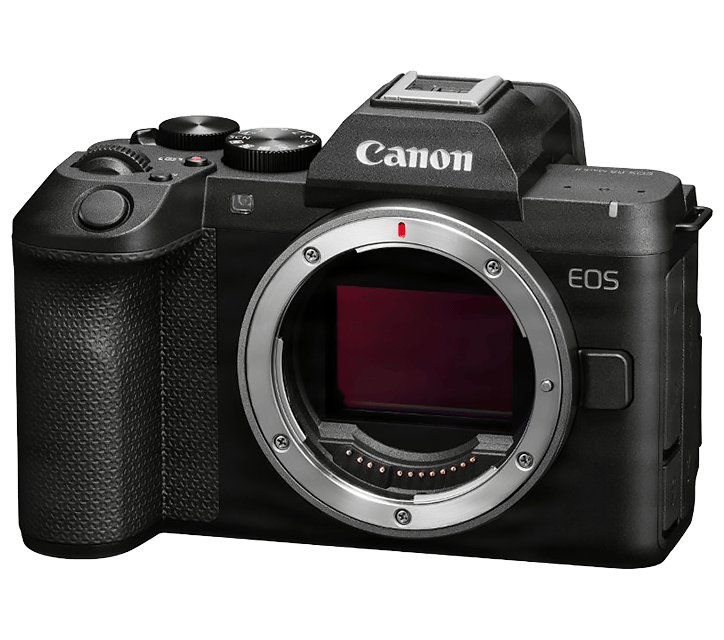
Canon EOS R8 vs R8 Mark II: what in-body stabilization adds
Comparison. Same 24.2MP full-frame sensor, DIGIC X, 4K/60p and LP-E17. The Mark II adds sensor-shift IS up to 7.5 stops, 5 GHz Wi-Fi and 6-hour clips; the R8 is 461 g against 546 g.
- Photos: 昼落ち, CC0 · 昼落ち, CC BY-SA 4.0
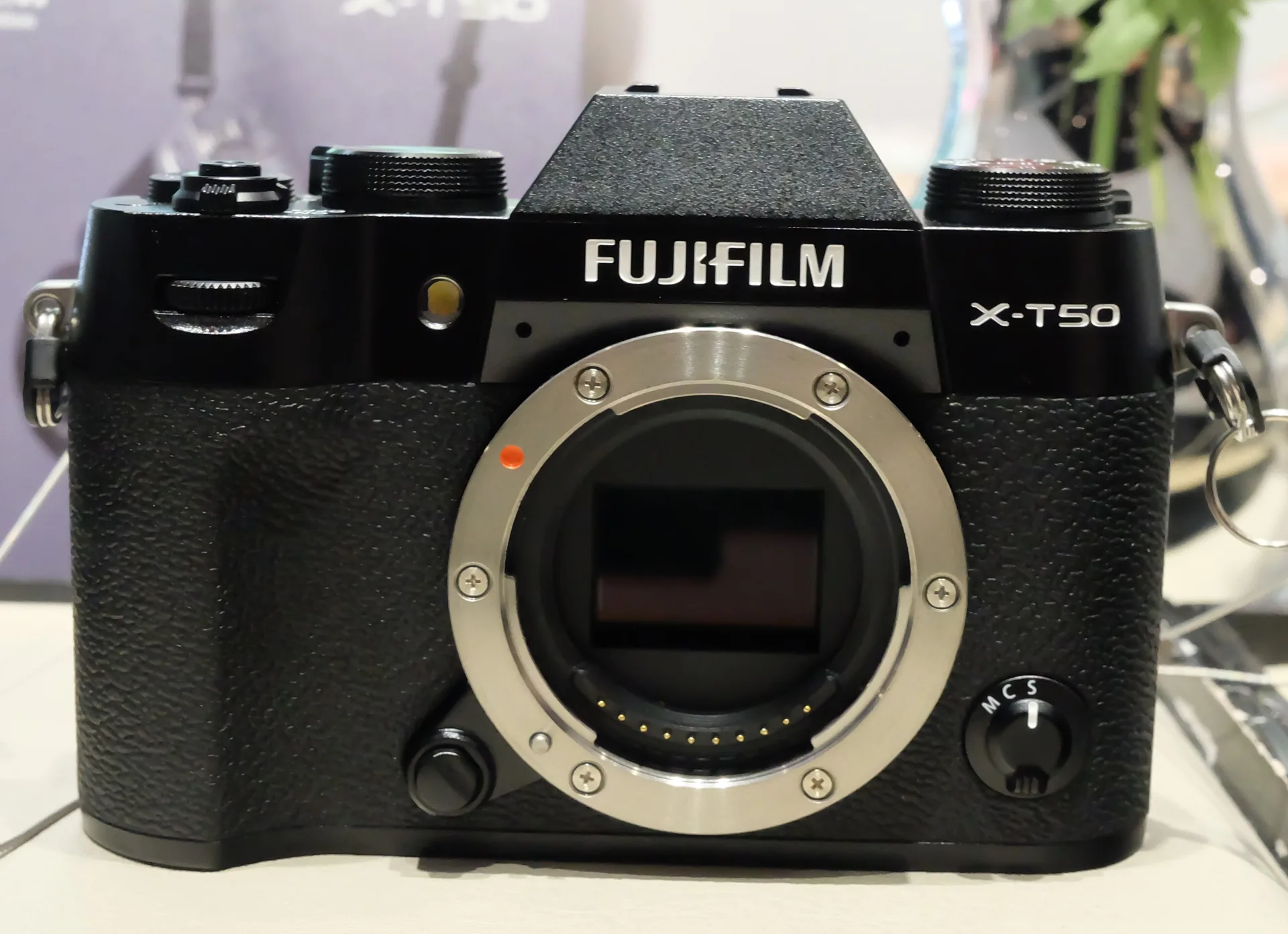
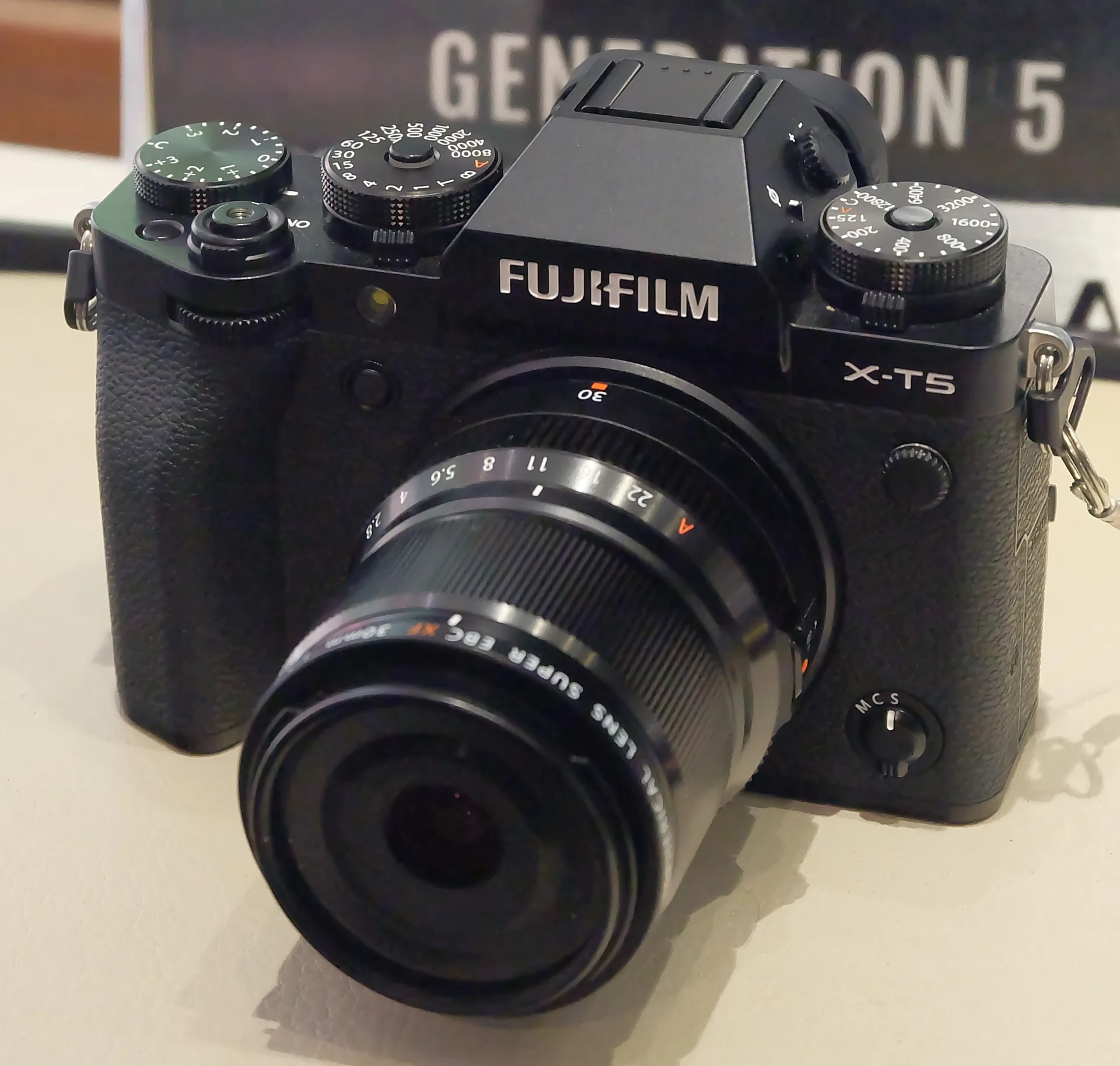
Fujifilm X-T50 vs X-T5: everyday body or field body
Comparison. Same 40.2MP X-Trans 5 HR sensor, 7-stop IBIS and 6.2K video. The X-T50 is 438 g with a Film Simulation dial and flash; the X-T5 adds two SD slots, sealing, a 3.69M-dot finder and 580 shots per charge.
- Photos: 迷惘的人生, CC BY-SA 4.0 · GodeNehler, CC BY-SA 4.0
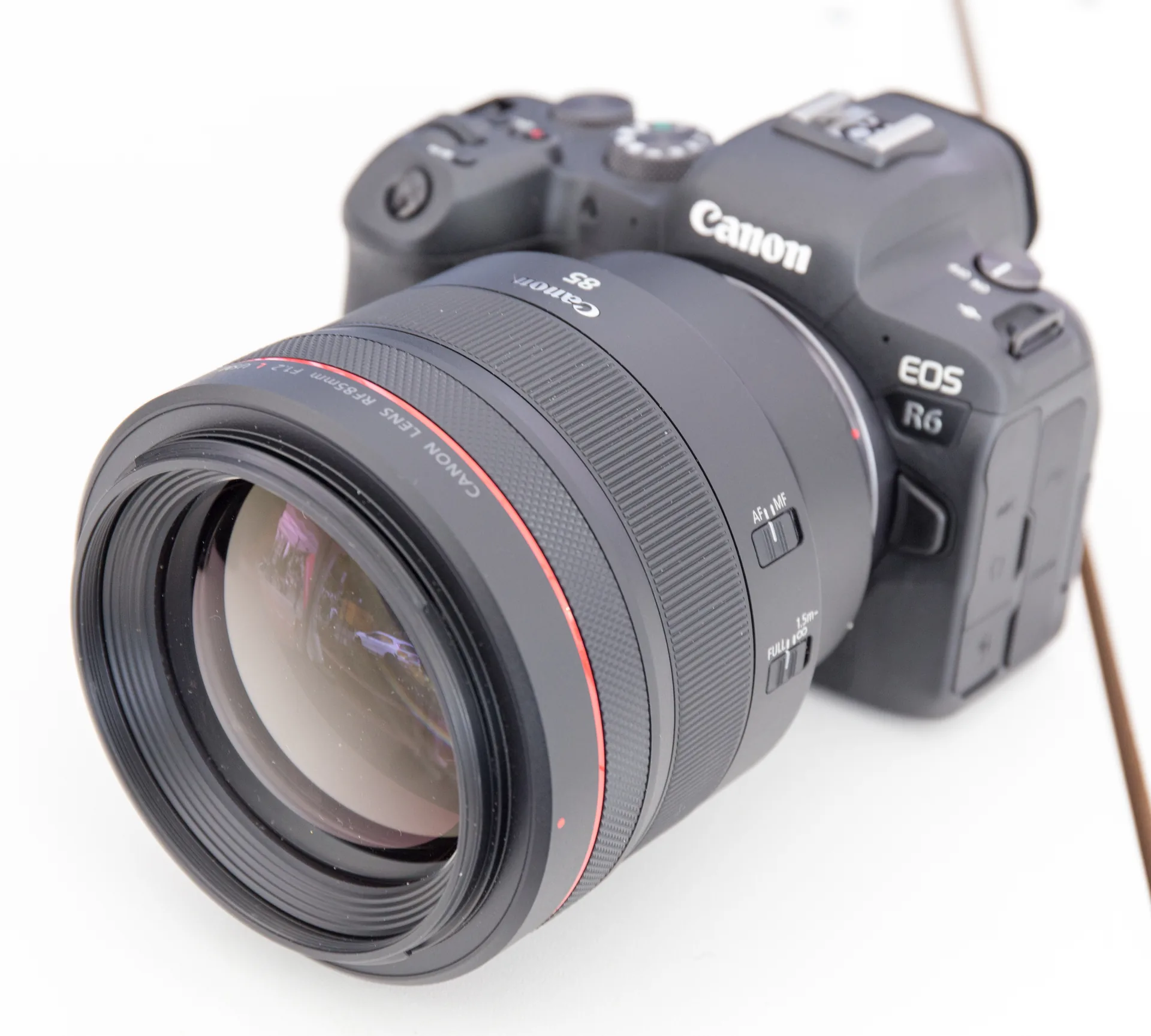
Canon EOS R5 vs R6: 45MP and 8K, or 20MP and lighter
Comparison. Canon's 2020 pair share DIGIC X, 8-stop IBIS, 12/20 fps and LP-E6NH. The R5 has 45MP, 8K, 4K/120p and a 5.76M-dot finder; the R6 has 20.1MP, ISO to 102400, two SD slots and 680 g.
- Photos: Akairom, CC0 · David (Brokentaco), CC BY 2.0
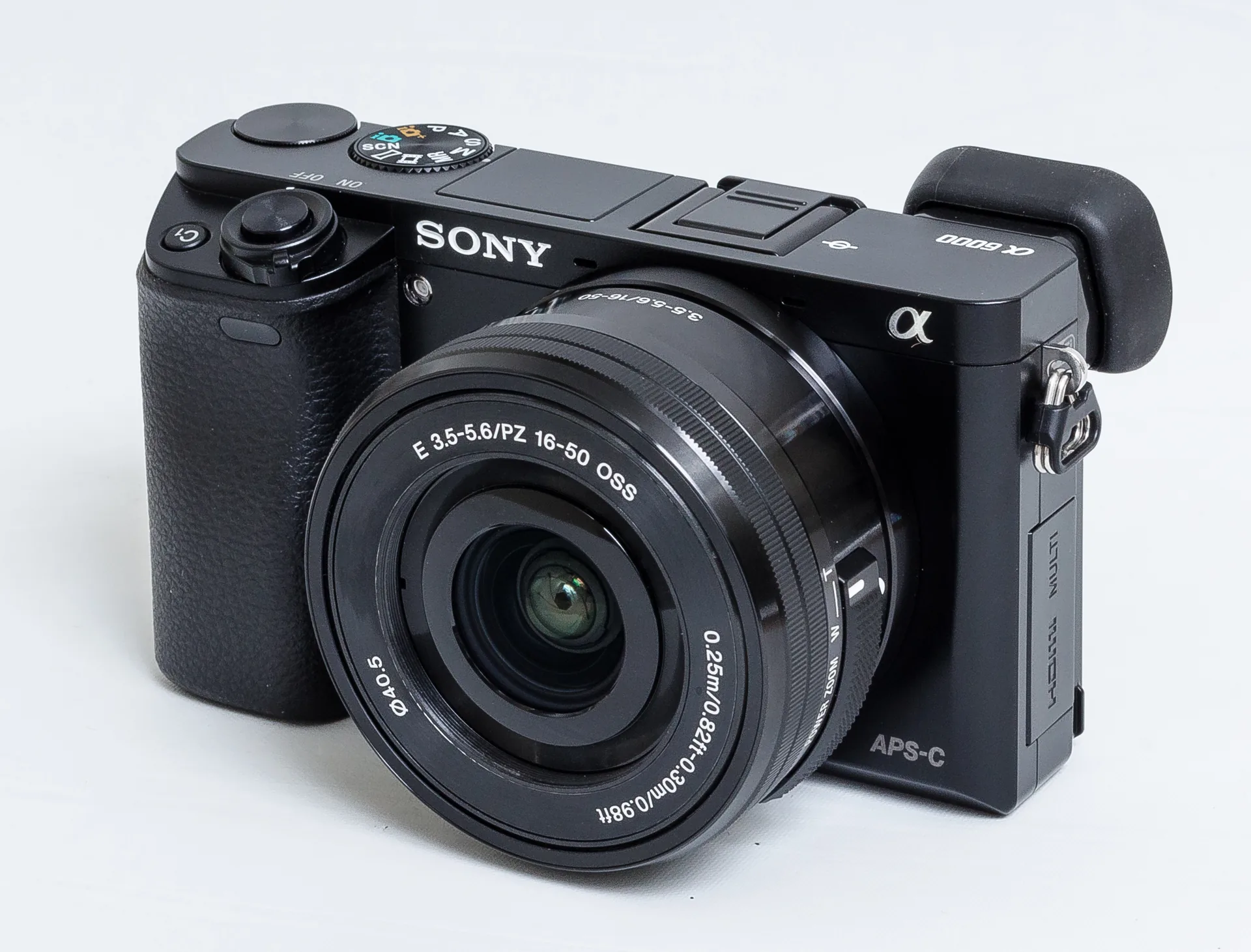
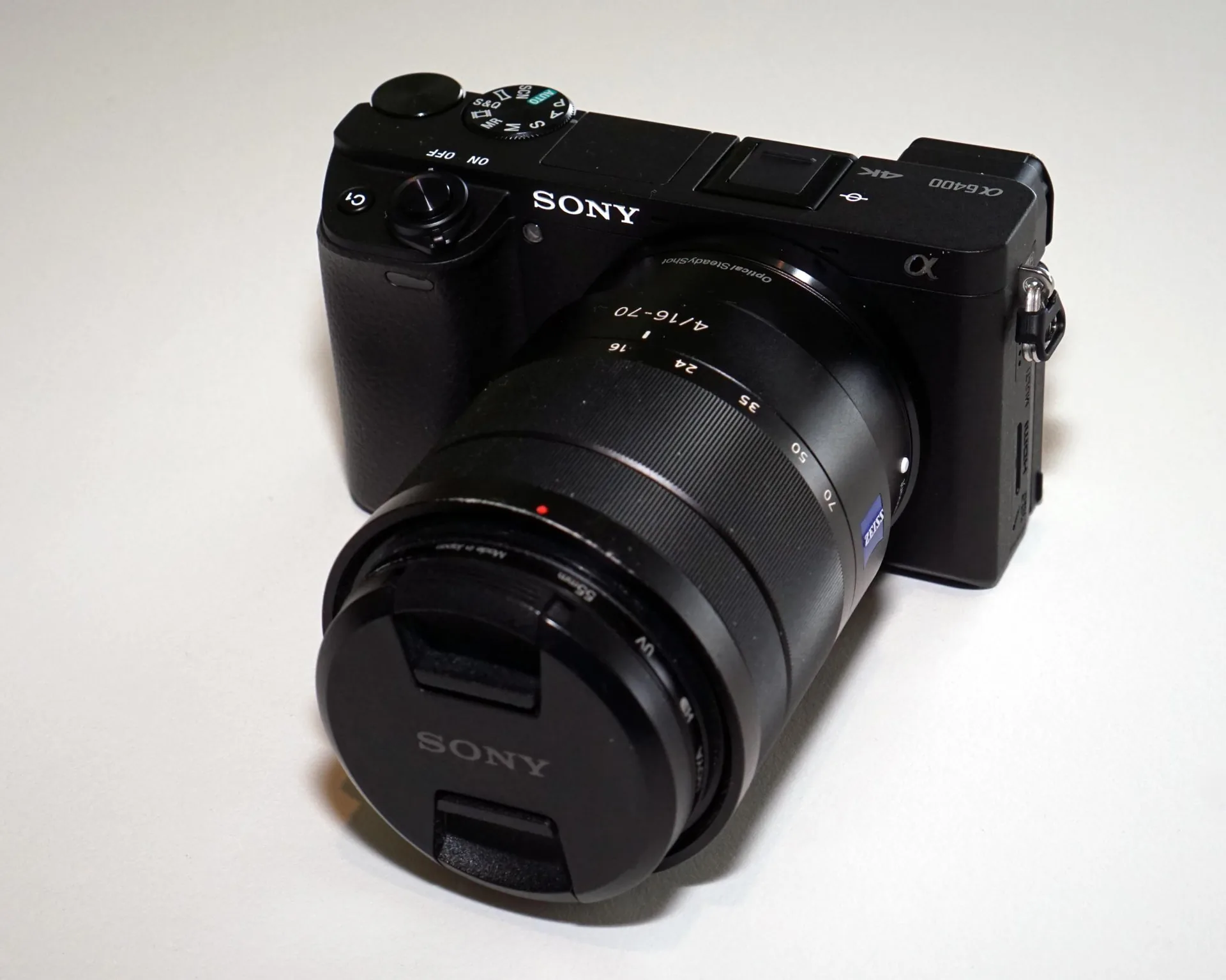
Sony a6000 vs a6400: lighter classic or current autofocus and 4K
Comparison. Two 24MP APS-C E-mount bodies on the NP-FW50, with 11 fps and no IBIS. The a6000 is 344 g with Full HD; the a6400 adds 425-point Real-time Eye AF, 4K/30p, a flip-up touchscreen and a mic input.




No articles match your search.