

Filters the cards below as you type; matches from older pages are listed too.
Matches on other pages
Thursday, October 15, 2026
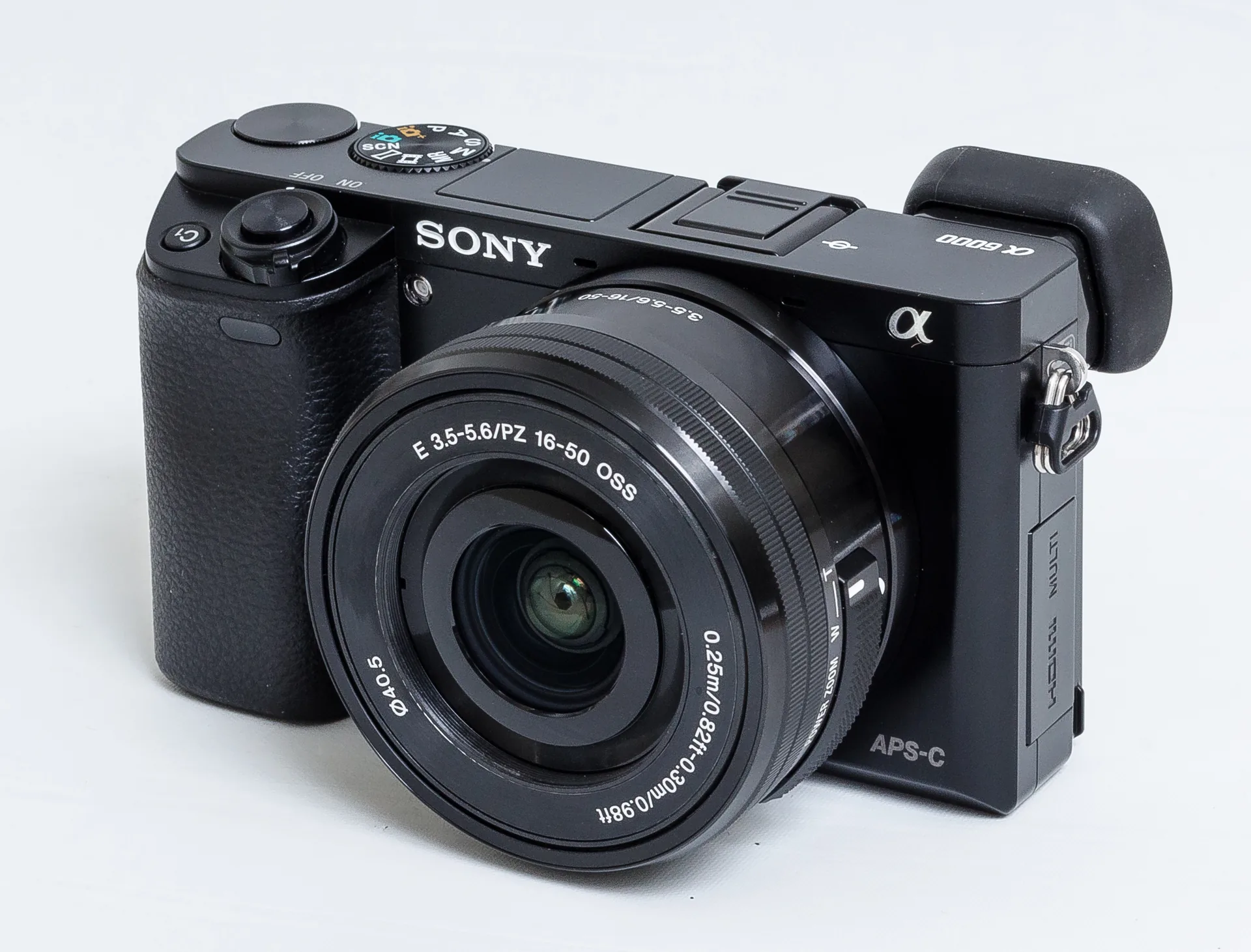
- Photo: Akairom, CC0
Sony a6000: still worth it in 2026?
Classic. Sony's 2014 a6000 paired a 24.3MP APS-C sensor and BIONZ X with Fast Hybrid AF (179 phase-detection points) and 11 fps bursts, plus a 1.44M-dot OLED viewfinder, a built-in flash and Wi-Fi/NFC in a 344 g body. No in-body stabilization and a 360-shot battery. Still worth it in 2026 for stills in a small, light body.
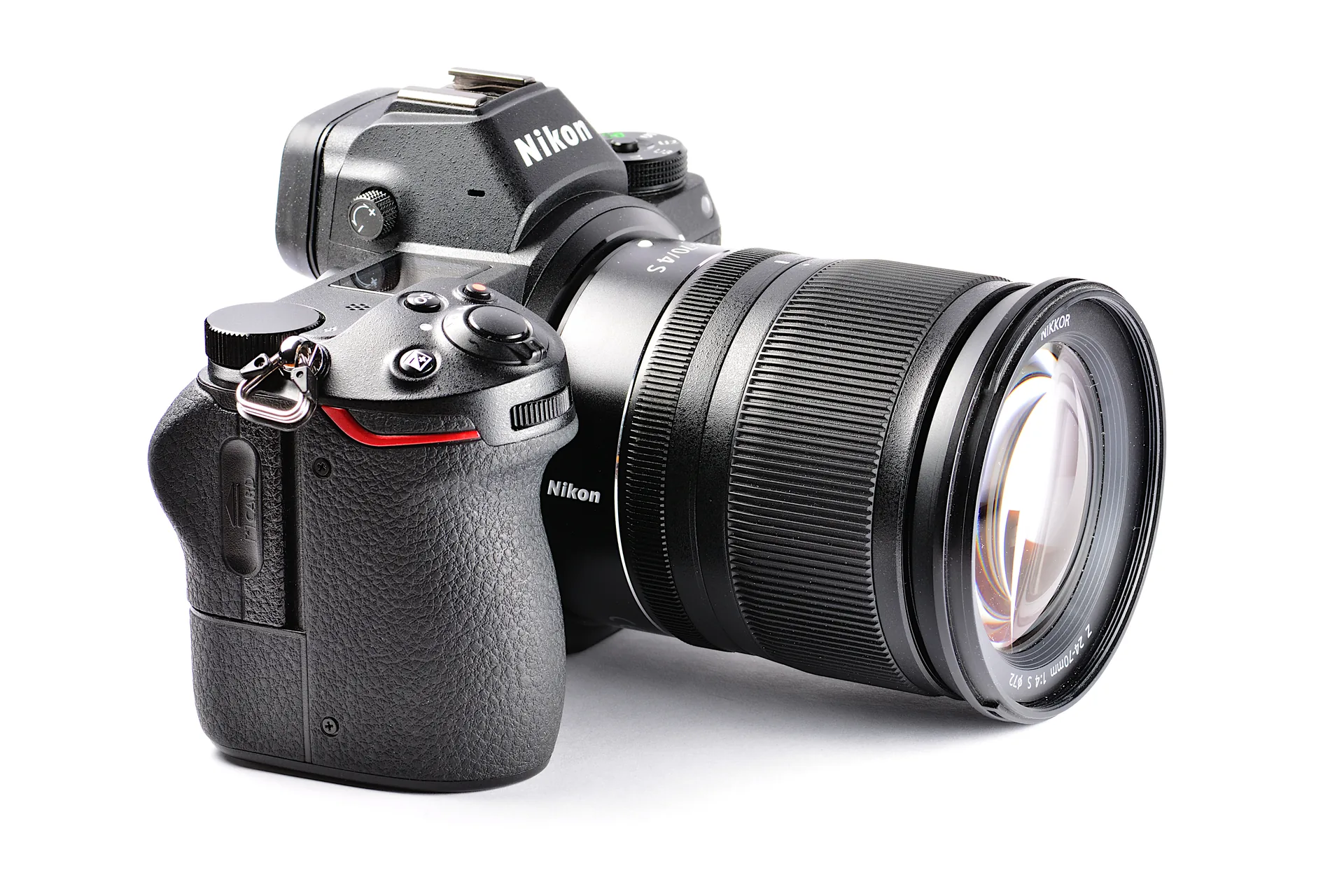
- Photo: Phiarc, CC BY-SA 4.0
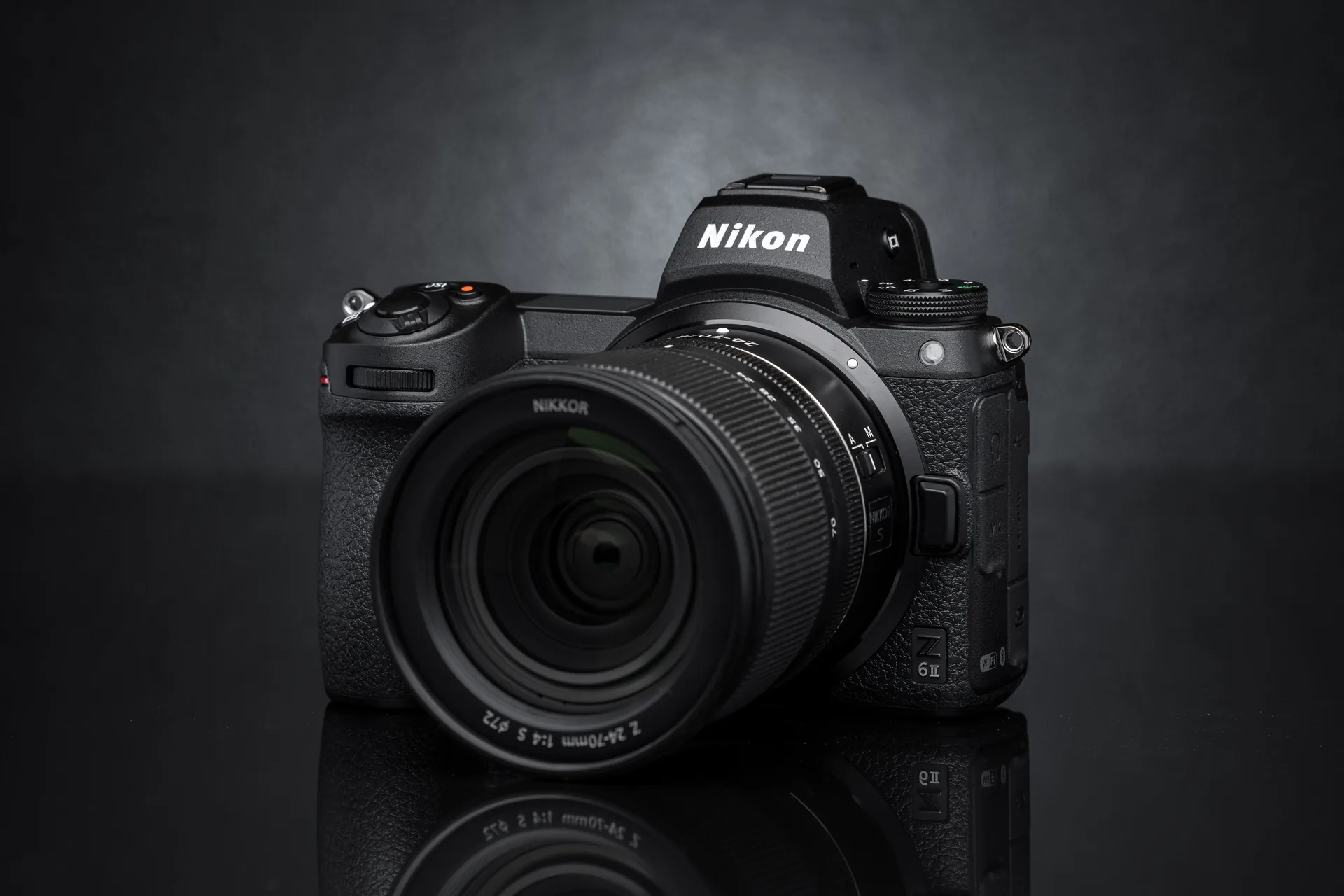
Nikon Z6: still worth it in 2026?
Classic. Nikon's original 2018 Z6 put a 24.5MP backside-illuminated full-frame sensor, EXPEED 6, 273-point hybrid AF and Nikon's first in-body 5-axis VR into a 675 g body, with 12 fps bursts, 4K/30p video and a 3.69M-dot EVF. One XQD/CFexpress slot and about 310 viewfinder shots per charge. Still worth it in 2026 for full-frame stills and casual video.
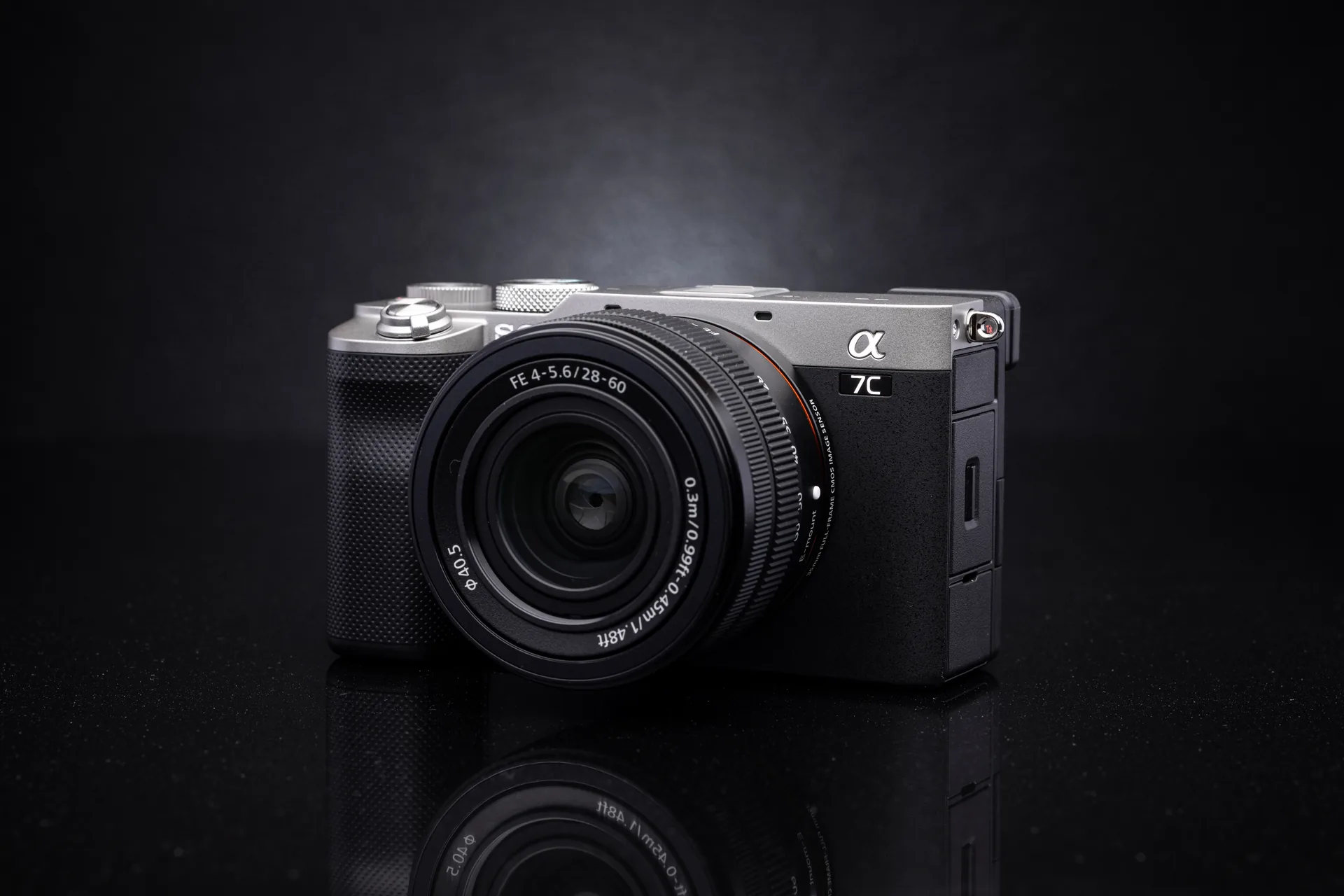
- Photo: Henry Söderlund, CC BY 2.0
Sony a7C: still worth it in 2026?
Classic. Sony's 2020 a7C put a 24.2MP back-illuminated full-frame sensor, 693-point phase-detect AF, 5-stop IBIS and 10 fps into a 509 g rangefinder-style body with a vari-angle touchscreen and a battery rated for about 680 viewfinder shots. Small 0.59x EVF, one SD slot, 1/4000 s mechanical shutter. Still worth it in 2026 for travel and everyday full frame.
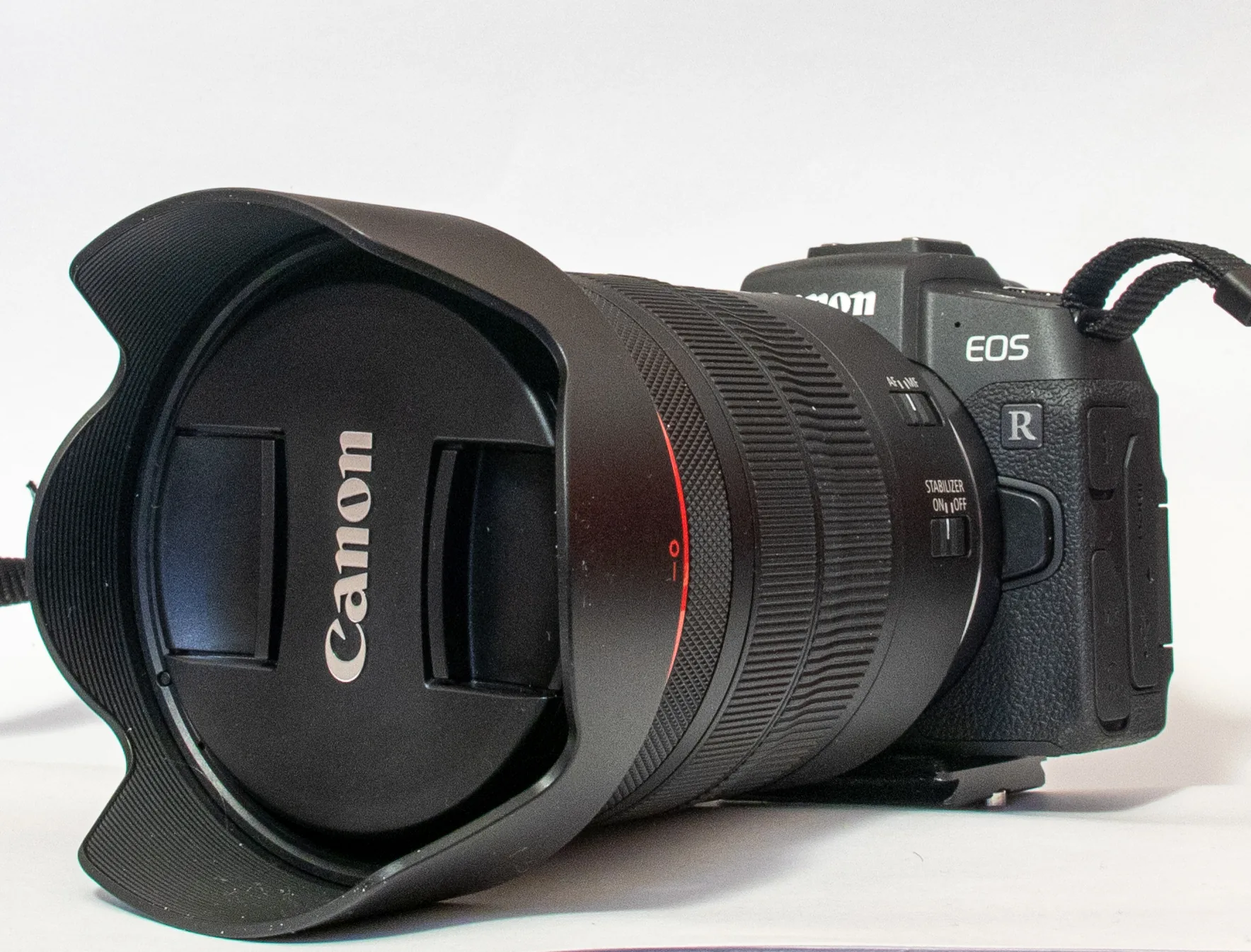
- Photo: Matthias Süßen, CC BY-SA 4.0
Canon EOS RP: still worth it in 2026?
Classic. Canon's 2019 EOS RP was its entry-level full-frame mirrorless body: a 26.2MP sensor with DIGIC 8, Dual Pixel CMOS AF with Eye Detection down to EV -5, a vari-angle touchscreen and a 2.36M-dot EVF in a 440 g body. About 250 shots per charge, 5 fps bursts, 4K up to 25p. Still worth it in 2026 as a small, light way into full-frame RF.
- Photo: 昼落ち, CC BY-SA 4.0
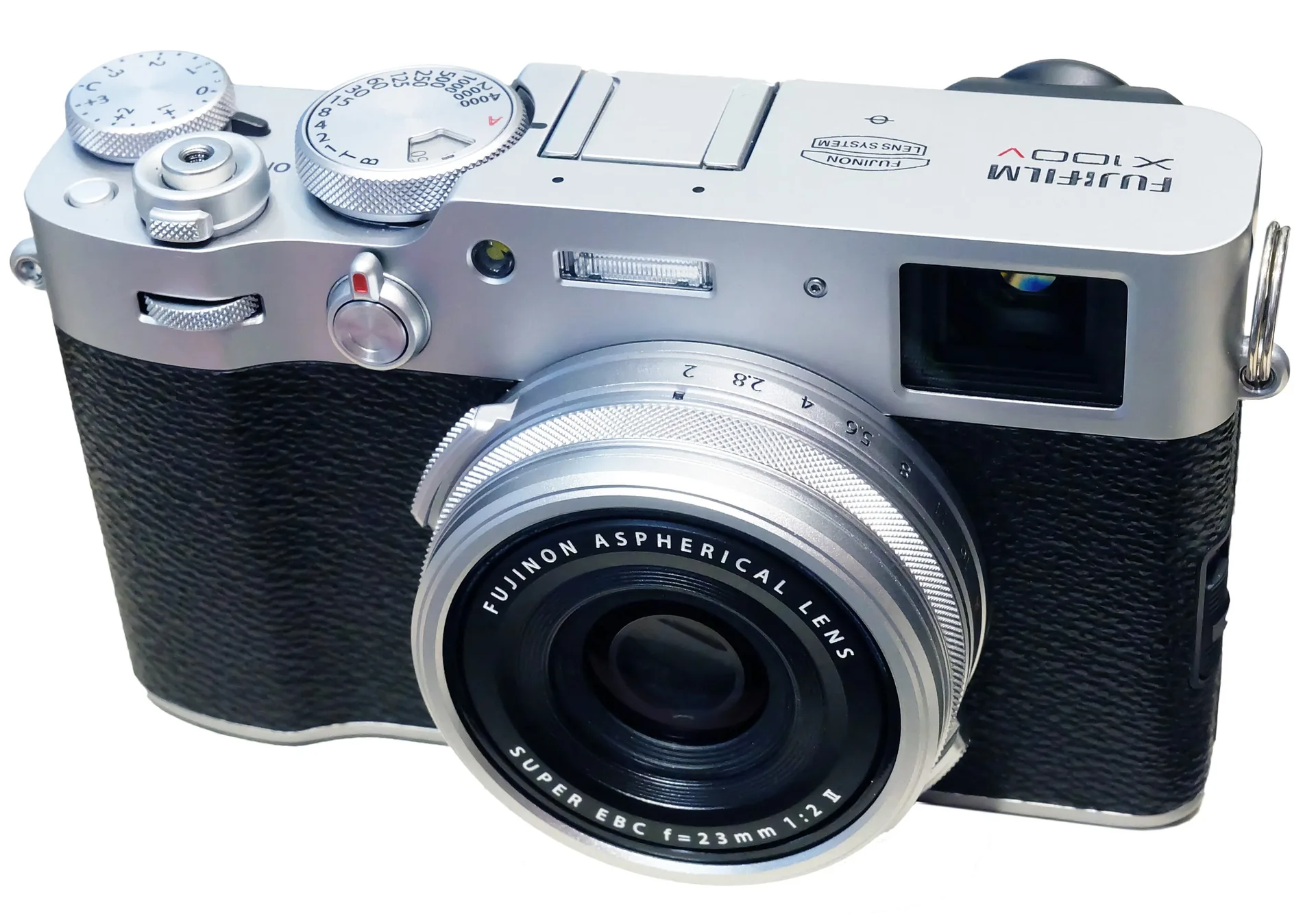
Fujifilm X100V: still worth it in 2026?
Classic. Fujifilm's fifth X100, from 2020, paired a 26.1MP X-Trans CMOS 4 sensor and X-Processor 4 with a newly designed 23mm F2 lens (35mm equivalent), a built-in 4-stop ND, a hybrid optical/electronic viewfinder and the series' first tilting touchscreen, in a 478 g body. No in-body stabilization; about 420 OVF / 350 EVF shots per charge. Still worth it in 2026 for everyday and street photography.
- Photo: 昼落ち, CC0
Fujifilm X100VI: the first X100 with in-body stabilization
Evergreen guide. Fujifilm's current X100 keeps the 23mm F2 lens, hybrid viewfinder and tilting screen and adds a 40.2MP X-Trans CMOS 5 HR sensor, X-Processor 5 subject-detection AF, the series' first 5-axis IBIS (6.0 stops), 20 Film Simulations and 6.2K/30p 10-bit video, in a 521 g body. About 450 OVF / 310 EVF shots per charge. Launched at $1,599.95 in 2024.
- Photo: Gene Wang, CC BY 2.0
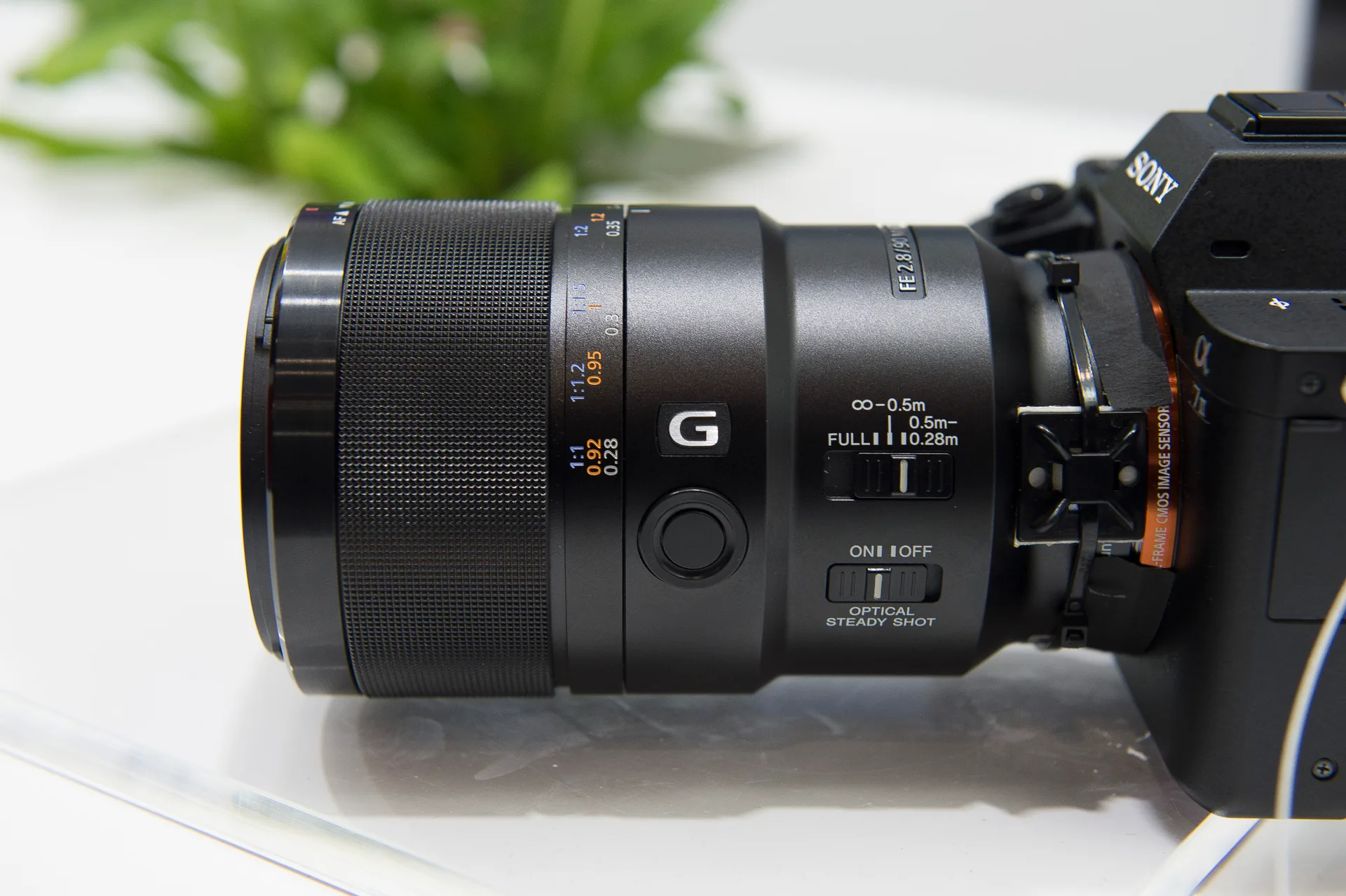
Sony FE 90mm F2.8 Macro G OSS: Sony's stabilized 1:1 macro for full frame
Evergreen guide. Sony's mid-telephoto macro for full-frame E-mount: 90mm f/2.8, true 1:1 at 0.28 m, Optical SteadyShot, a Direct Drive SSM motor with a three-position focus limiter, dust- and moisture-resistant design, 9 rounded blades and 62 mm filters; 602 g. About 135mm equivalent on APS-C. Launched at $1,100 in 2015.
- Photo: Henry Söderlund, CC BY 2.0
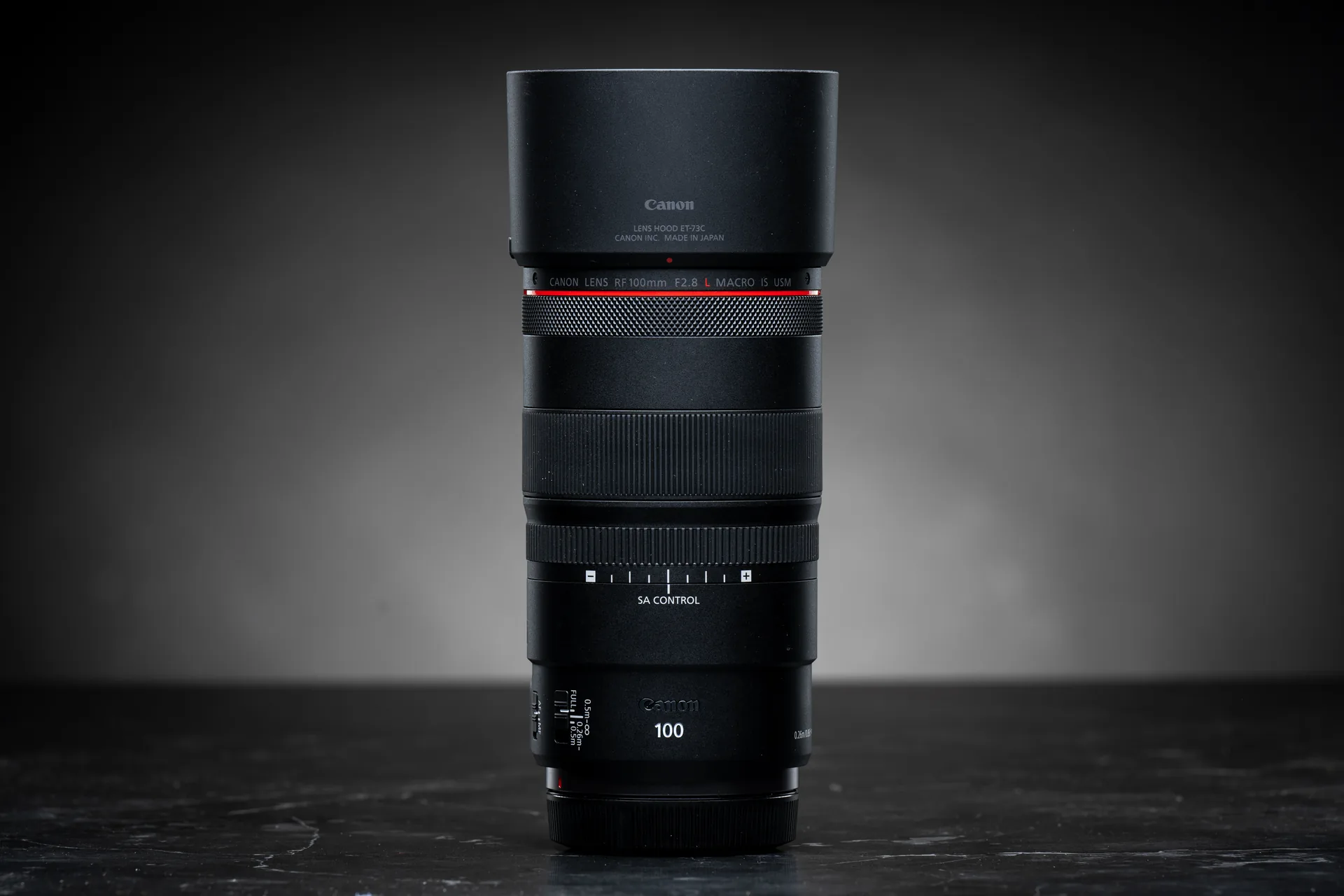
Canon RF 100mm F2.8 L Macro IS USM: Canon's 1.4x macro with an SA control ring
Evergreen guide. Canon's first RF lens designed for macro: 100mm f/2.8, 1.4x magnification at 0.26 m, an SA (spherical aberration) control ring to change the bokeh, 5-stop optical IS (8 stops with an EOS R5) with Hybrid IS, Dual Nano USM AF, L-series dust and water resistance and 67 mm filters. Not compatible with extenders. Launched at $1,399 in 2021.
- Photo: Tycho, CC0
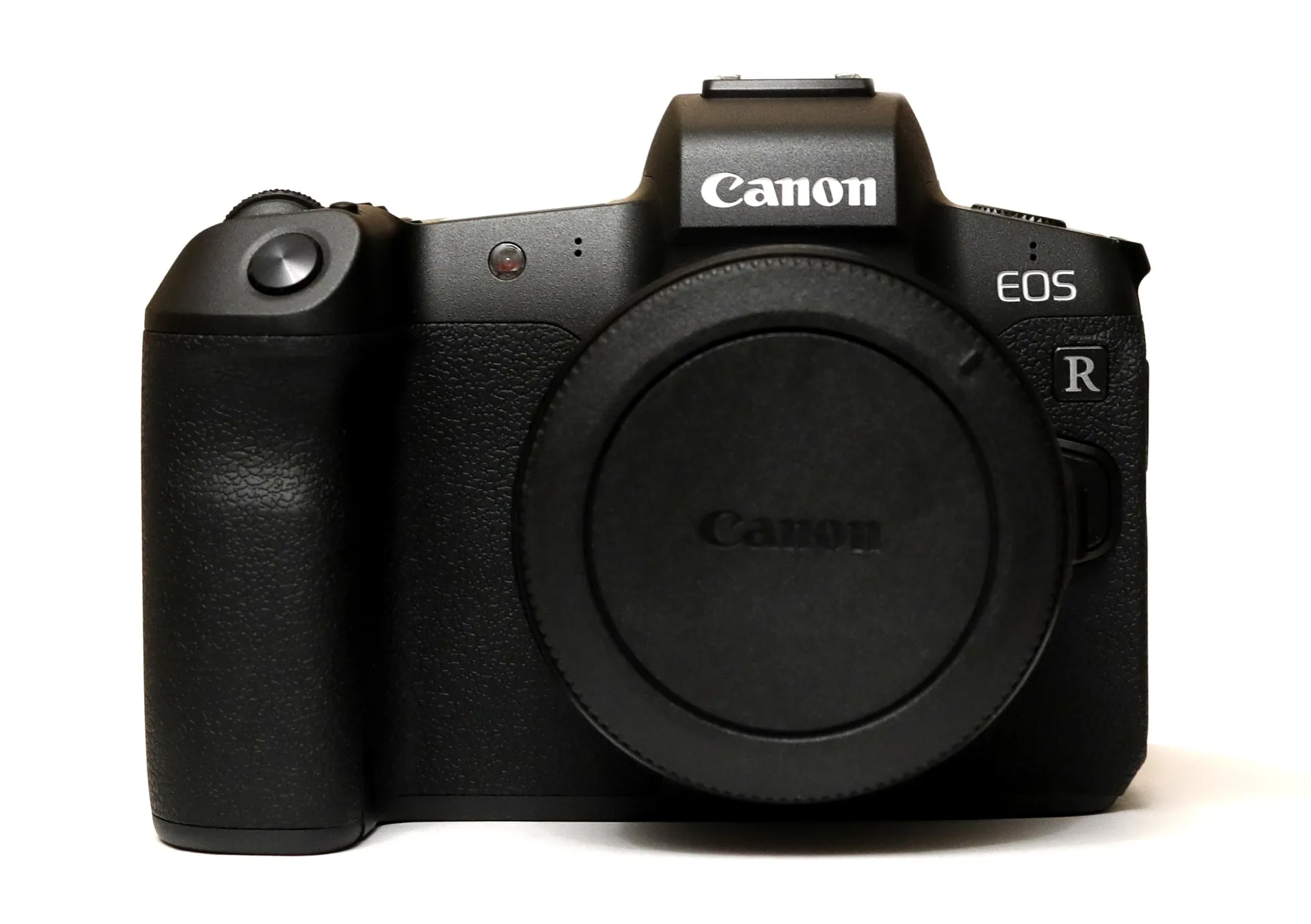
Canon EOS R: still worth it in 2026?
Classic. Canon's first full-frame RF-mount body, from 2018: a 30.3MP sensor with DIGIC 8, Dual Pixel CMOS AF with 5,655 selectable points down to EV -6, a 3.69M-dot OLED finder, a vari-angle touchscreen, a top LCD and 4K up to 30p with Canon Log, in a 660 g body (with card and battery). No in-body stabilization; about 370 shots per charge (CIPA). Still worth it in 2026 for stills shooters who want the RF mount.
- Photo: Antonio Soler, CC BY 2.0
Sony a6100: still worth it in 2026?
Classic. Sony's 2019 entry APS-C body: a 24.2MP Exmor CMOS sensor, 425-point phase-detection AF with Real-time Tracking and Real-time Eye AF for people and animals, 11 fps, a touchscreen that tilts up 180°, 4K/30p and a mic input, in a 396 g body. No in-body stabilization; about 380 viewfinder / 420 LCD shots per charge (CIPA). Still worth it in 2026 as a light first camera for stills.
- Photo: CEphoto, Uwe Aranas, CC BY-SA 3.0
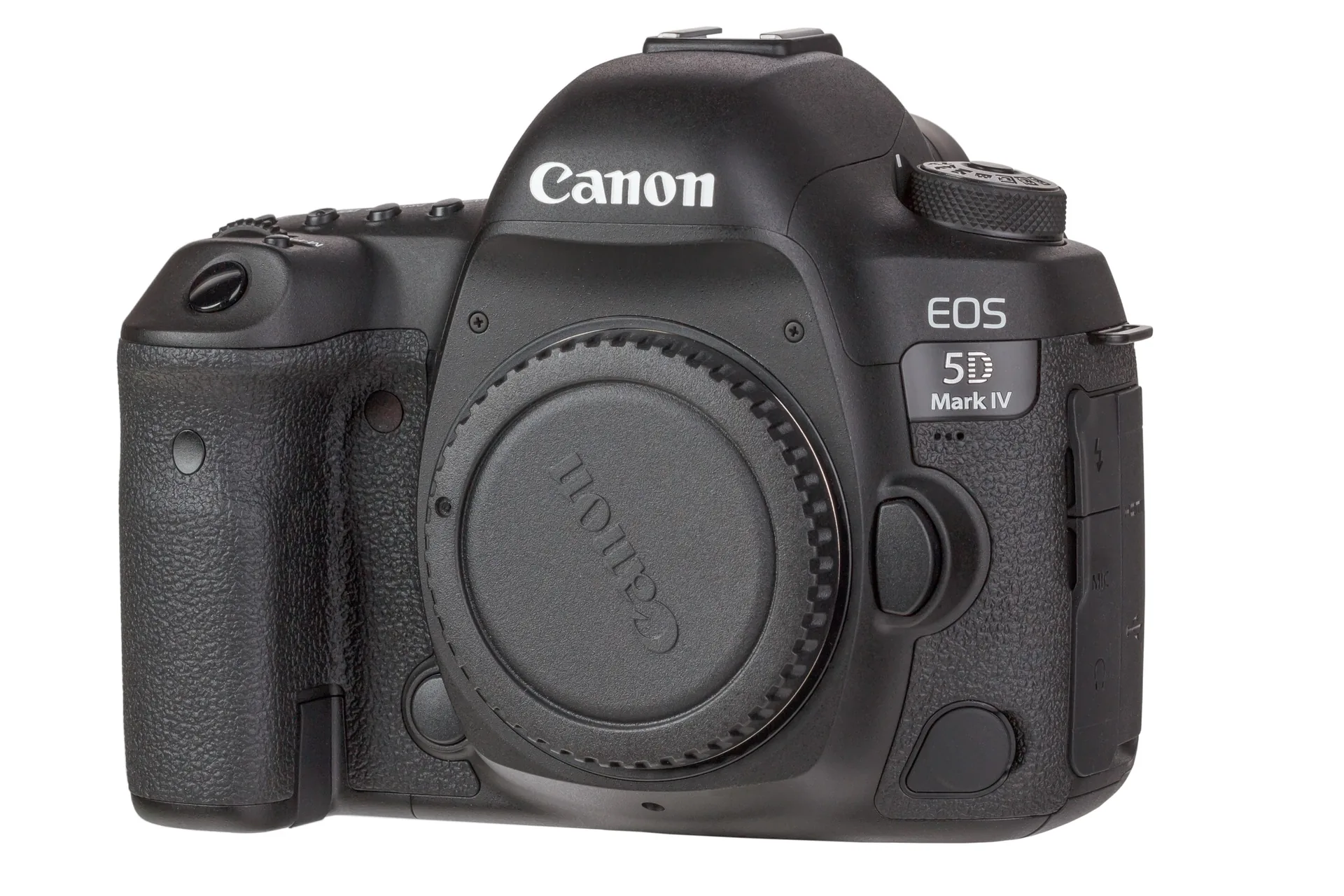
Canon EOS 5D Mark IV: still worth it in 2026?
Classic. Canon's 2016 full-frame DSLR: a 30.4MP sensor with DIGIC 6+, 61-point viewfinder AF (all points at f/8), Dual Pixel CMOS AF in Live View, 7 fps, an optical 0.71x pentaprism finder, CF + SD slots, 4K Motion JPEG, Wi-Fi, NFC and GPS, in an 800 g body. No in-body stabilization; about 900 shots per charge (CIPA). Still worth it in 2026 for EF-lens owners who want an optical finder.
- Photo: Henry Söderlund, CC BY 2.0
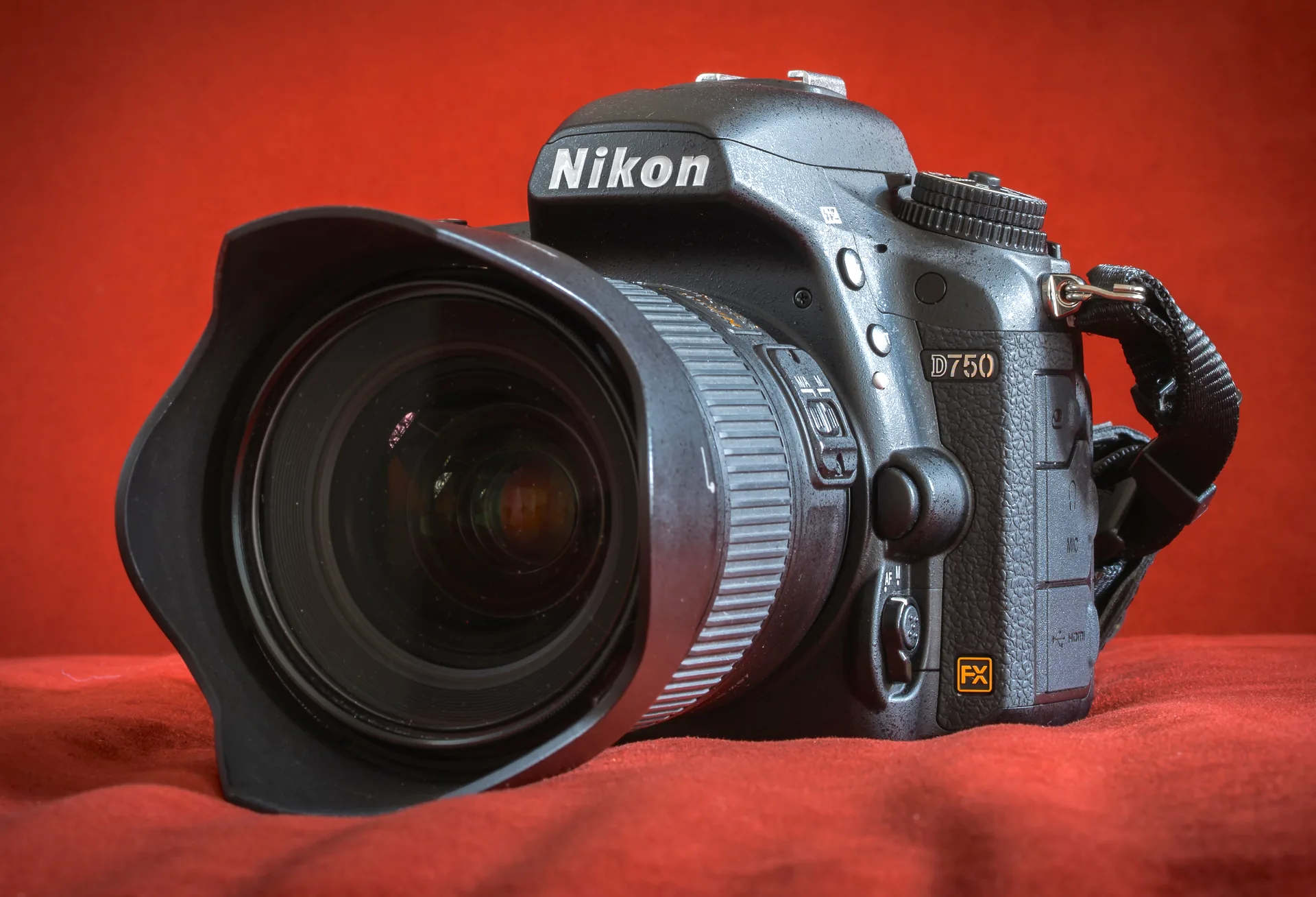
Nikon D750: still worth it in 2026?
Classic. Nikon's 2014 full-frame DSLR: a 24.3MP FX sensor with EXPEED 4, 51-point AF (15 cross-type) rated to -3 EV, 6.5 fps, an optical pentaprism finder, the first tilting screen and built-in Wi-Fi on a Nikon FX body, dual SD slots and 1080/60p video, in an 840 g body (with battery and card). About 1,230 shots per charge (CIPA). Still worth it in 2026 for F-mount shooters.
- Photo: PantheraLeo1359531, CC BY 4.0
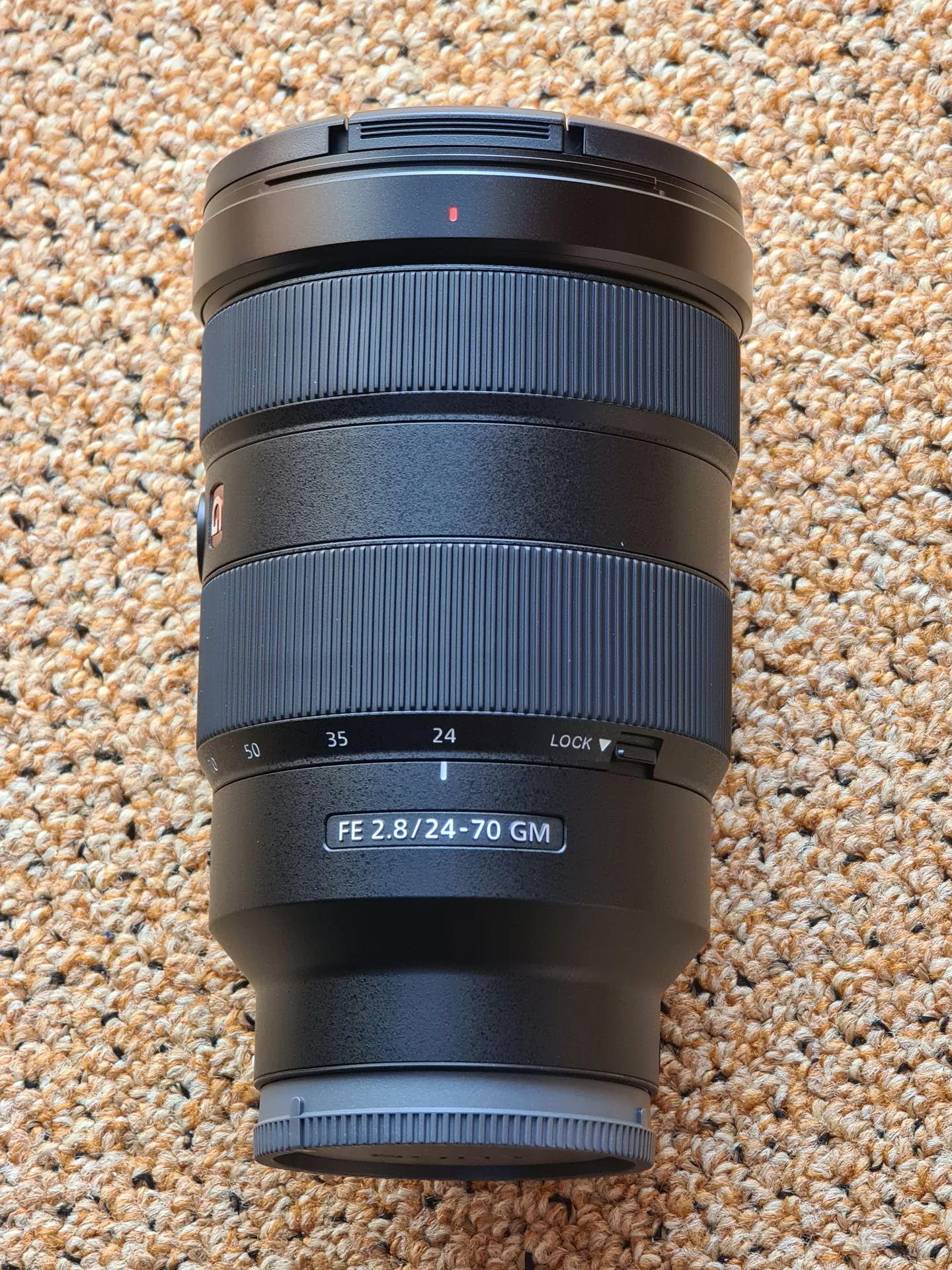
Sony FE 24-70mm F2.8 GM: the first G Master zoom in 2026
Classic. The constant-f/2.8 standard zoom that launched Sony's G Master line in 2016: 18 elements in 13 groups with an XA element, ED and Super ED glass, Nano AR Coating, a 9-blade circular aperture, Direct Drive SSM AF, focus down to 0.38 m (0.24x), dust and moisture resistance and 82 mm filters; 886 g. Sony followed it with the GM II in 2022.
- Photo: Henry Söderlund, CC BY 2.0
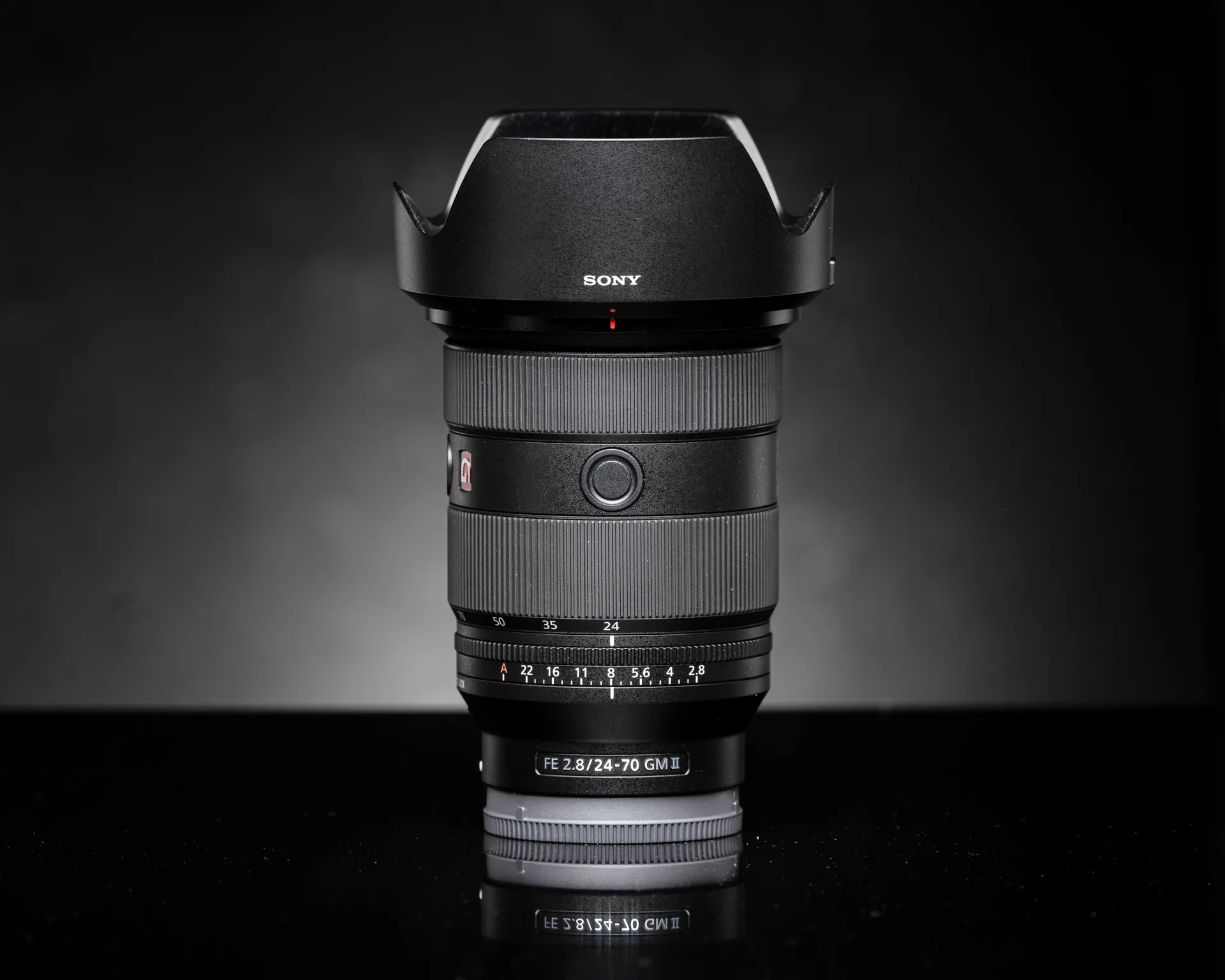
Sony FE 24-70mm F2.8 GM II: Sony's lighter second-generation G Master zoom
Evergreen guide. Sony's current constant-f/2.8 standard zoom, from 2022: 20 elements in 15 groups with two XA elements, four XD Linear Motors, focus down to 0.21 m (0.32x), an 11-blade aperture, a de-clickable aperture ring with iris lock, a zoom tension switch, dust and moisture resistance and 82 mm filters, in 695 g, about 20% lighter than the first GM. Launched at $2,300 in 2022.
Sony ECM-W5 is official: a $399.99 two-transmitter wireless mic with 32-bit float and up to 500 m line-of-sight range
Sony's ECM-W5 pairs two transmitters with one receiver. Sony rates line-of-sight transmission at up to 500 m (an approximate distance with the microphone visible from the receiver; obstacles and reflective surfaces change it). It sends 32-bit float audio (48 kHz only) digitally to compatible cameras through the Multi Interface Shoe, records 96 kHz High-Resolution Audio, keeps a backup on 64 GB of memory in each transmitter and records up to four channels in camera. US $399.99, available November 2026; the ECM-W5R receiver is $189.99 and the ECM-W5T transmitter $119.99. Sony's announcement
- Photos: Henry Söderlund, CC BY 2.0 · HellcatSRT, CC0
Sony a7C vs a7 III: which to buy?
Comparison. Same 24.2MP sensor, 693-point AF, 10 fps and 5-stop IBIS. The a7C is about 141 g lighter with a vari-angle screen and longer battery life; the a7 III has a 0.78x viewfinder, a 1/8000 s mechanical shutter and two card slots.
- Photos: Phiarc, CC BY-SA 4.0 · Henry Söderlund, CC BY 2.0
Nikon Z6 vs Z6 II: which to buy?
Comparison. Same 24.5MP sensor, viewfinder, screen and 4K/30p. The Z6 II adds a second EXPEED 6, about 14 fps, Eye and Animal Detection AF in video, an SD slot alongside CFexpress/XQD and about 340 viewfinder shots per charge vs 310 (CIPA, standard settings).
- Photos: 昼落ち, CC BY-SA 4.0 · 昼落ち, CC0
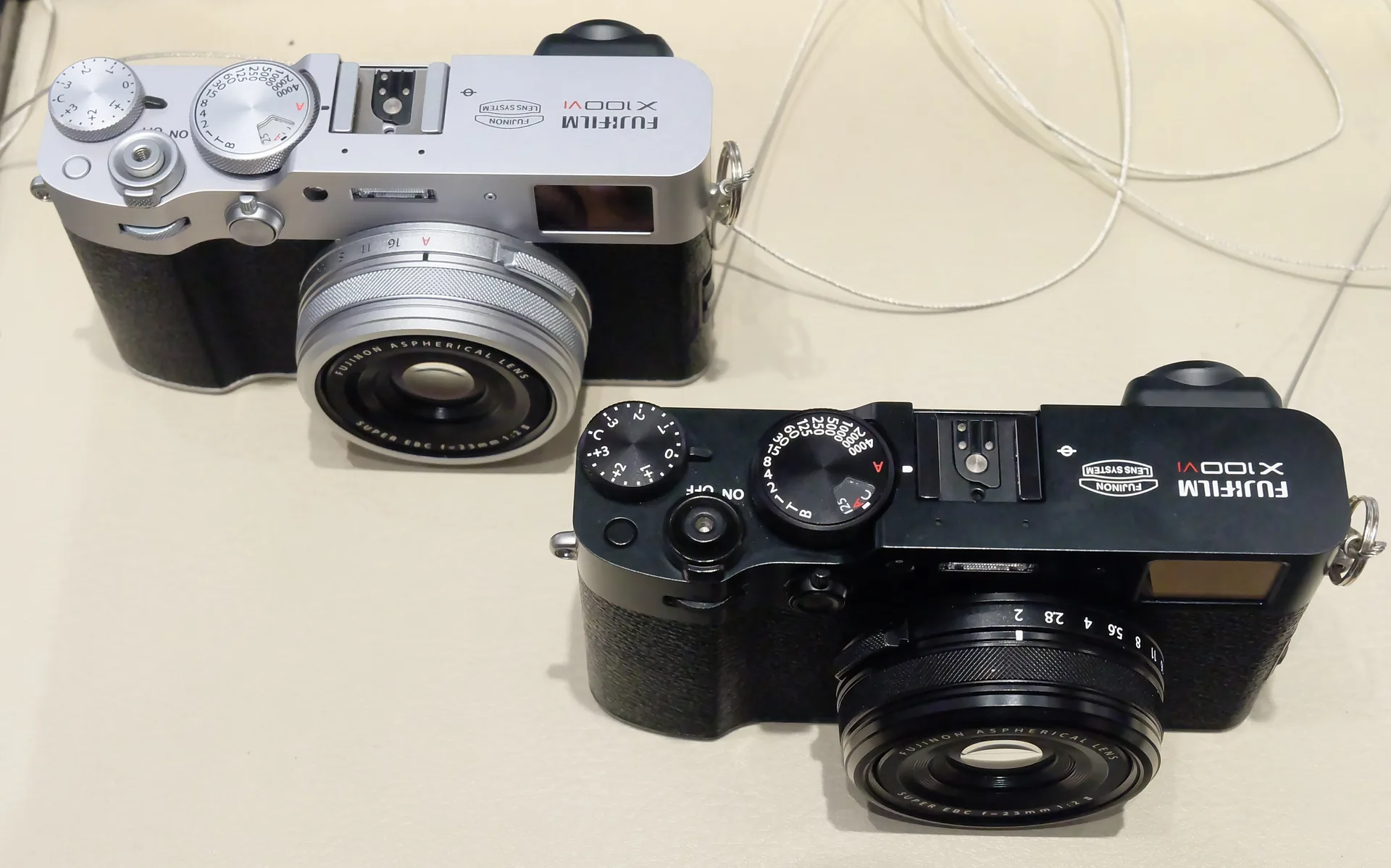
Fujifilm X100V vs X100VI: which to buy?
Comparison. Same 23mm F2 lens, built-in ND, hybrid viewfinder and tilting screen. The X100VI adds a 40.2MP sensor, 5-axis IBIS (6.0 stops), subject-detection AF and 6.2K video; the X100V is about 43 g lighter and 2 mm slimmer, with about 350 EVF shots per charge vs 310 (CIPA, Normal mode).
- Photos: Tycho, CC0 · Matthias Süßen, CC BY-SA 4.0
Canon EOS R vs EOS RP: what the first RF body adds over the lighter RP
Comparison. Same DIGIC 8, Dual Pixel CMOS AF, vari-angle touchscreen and one UHS-II SD slot; no IBIS listed on either. The EOS R adds 30.3MP, a 1/8000 s shutter, about 8 fps, a 3.69M-dot finder, Canon Log and about 370 shots per charge vs 250. The RP is about 140 g lighter.
- Photos: Antonio Soler, CC BY 2.0 · David (Brokentaco), CC BY 2.0
Sony a6100 vs a6400: same sensor and AF, what the a6400 adds
Comparison. Same 24.2MP sensor, 425-point AF with Real-time Eye AF, 11 fps, flip-up screen and 4K/30p; no IBIS on either. The a6400 adds a 2.36M-dot finder, picture profiles with S-Log, a deeper buffer and sensor anti-dust; the a6100 gets about 380 / 420 shots per charge vs 360 / 410.
- Photos: PantheraLeo1359531, CC BY 4.0 · Henry Söderlund, CC BY 2.0
Sony FE 24-70mm F2.8 GM vs GM II: what the lighter second generation adds
Comparison. Both are constant-f/2.8 G Master zooms with 82 mm filters, sealing and no optical stabilization. The GM II is 191 g lighter (695 g vs 886 g) and 16 mm shorter, focuses to 0.32x vs 0.24x, uses four XD Linear Motors and adds an aperture ring and Breathing Compensation support.
- Photo: HellcatSRT, CC0
Best used full-frame cameras under $1,000: seven Canon, Nikon and Sony picks
Evergreen guide. Seven full-frame mirrorless bodies whose used prices started under $1,000 in our Oct 15, 2026 check: the Sony a7 III, Nikon Z6, Canon EOS R, Canon EOS RP, Nikon Z5, Sony a7C and Nikon Z6 II, with what each does well, what to watch for and links to our full articles.

No articles match your search.