

Filters the cards below as you type; matches from older pages are listed too.
Matches on other pages
Wednesday, October 14, 2026
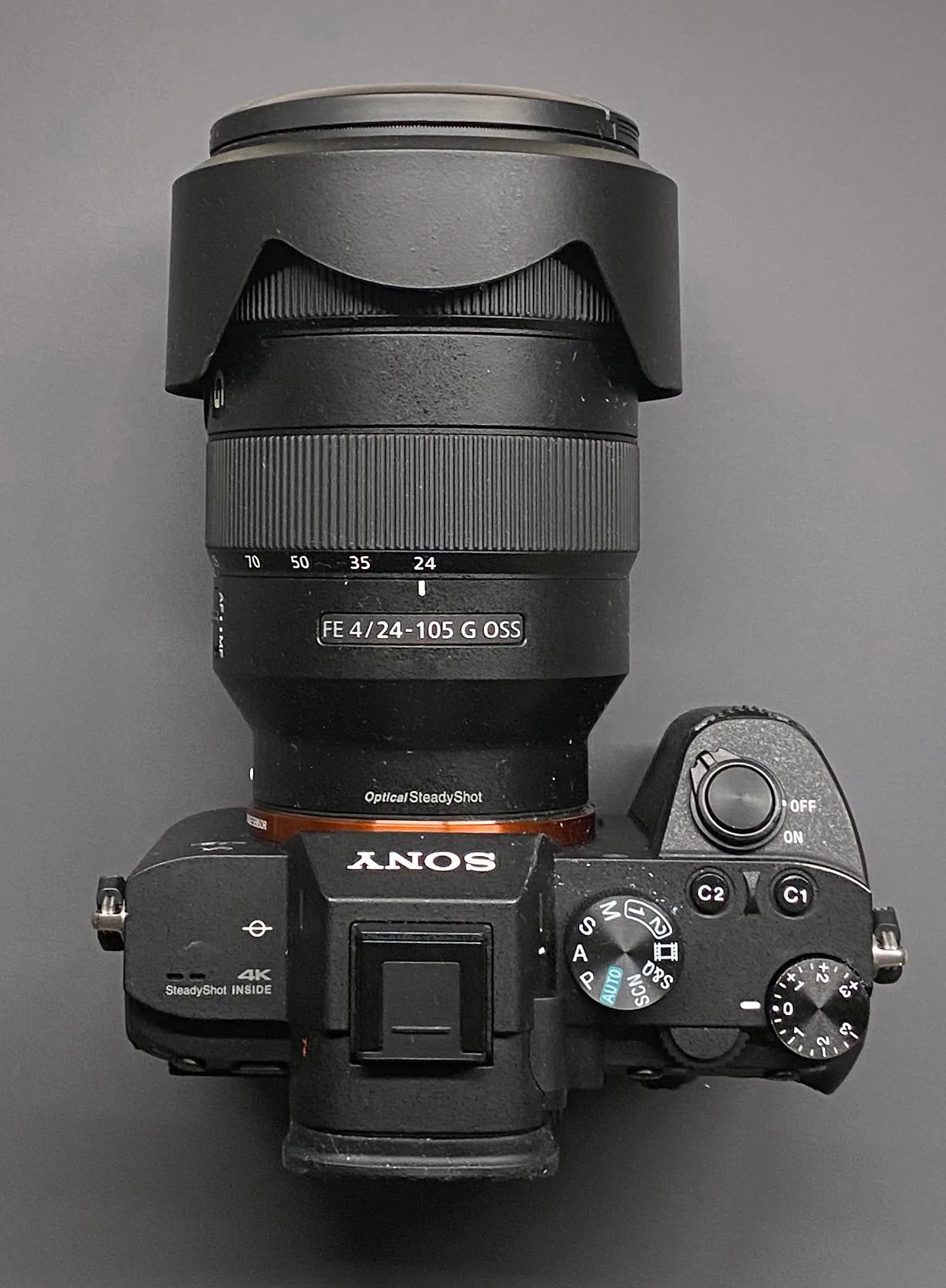
- Photo: HellcatSRT, CC0
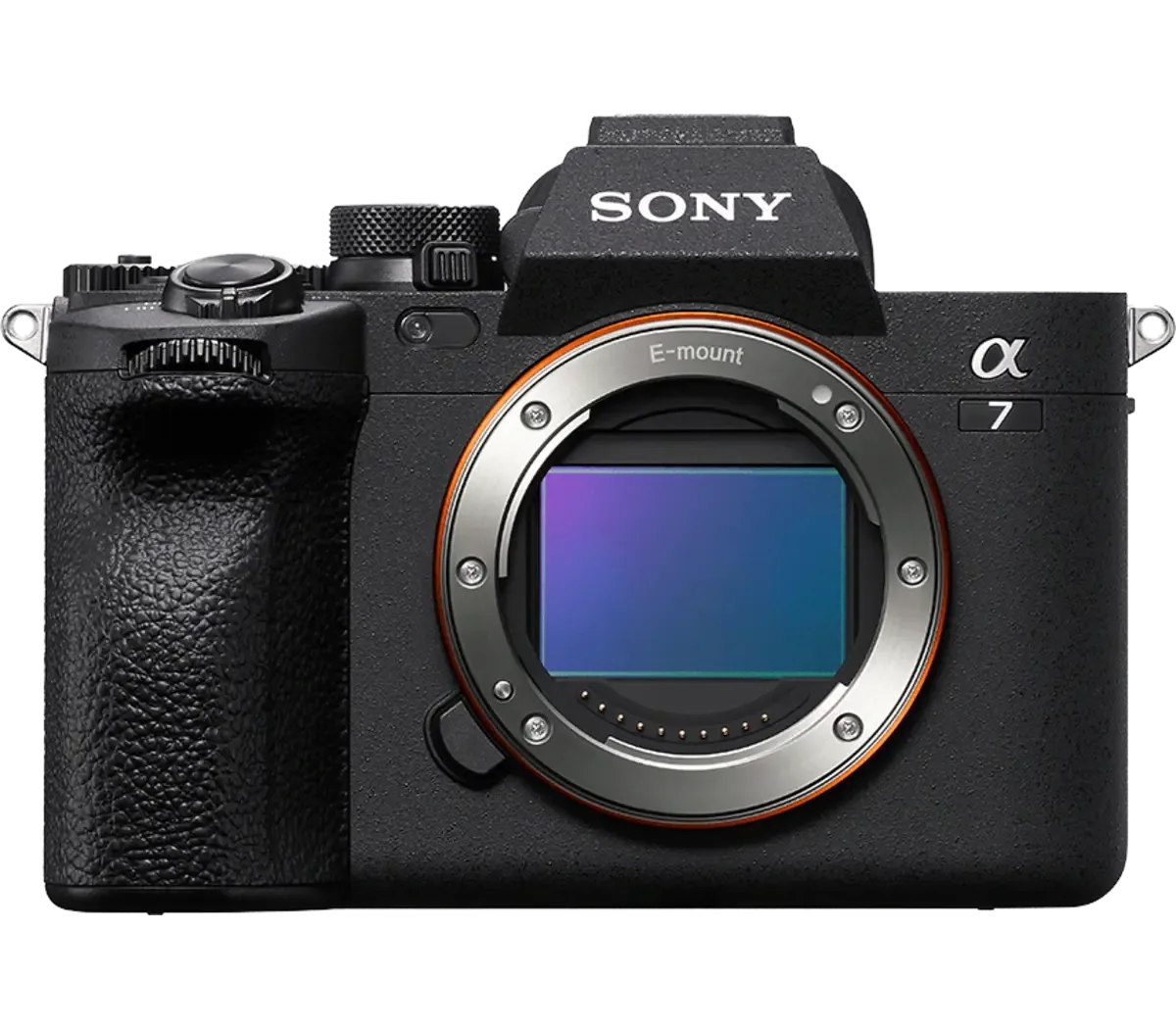
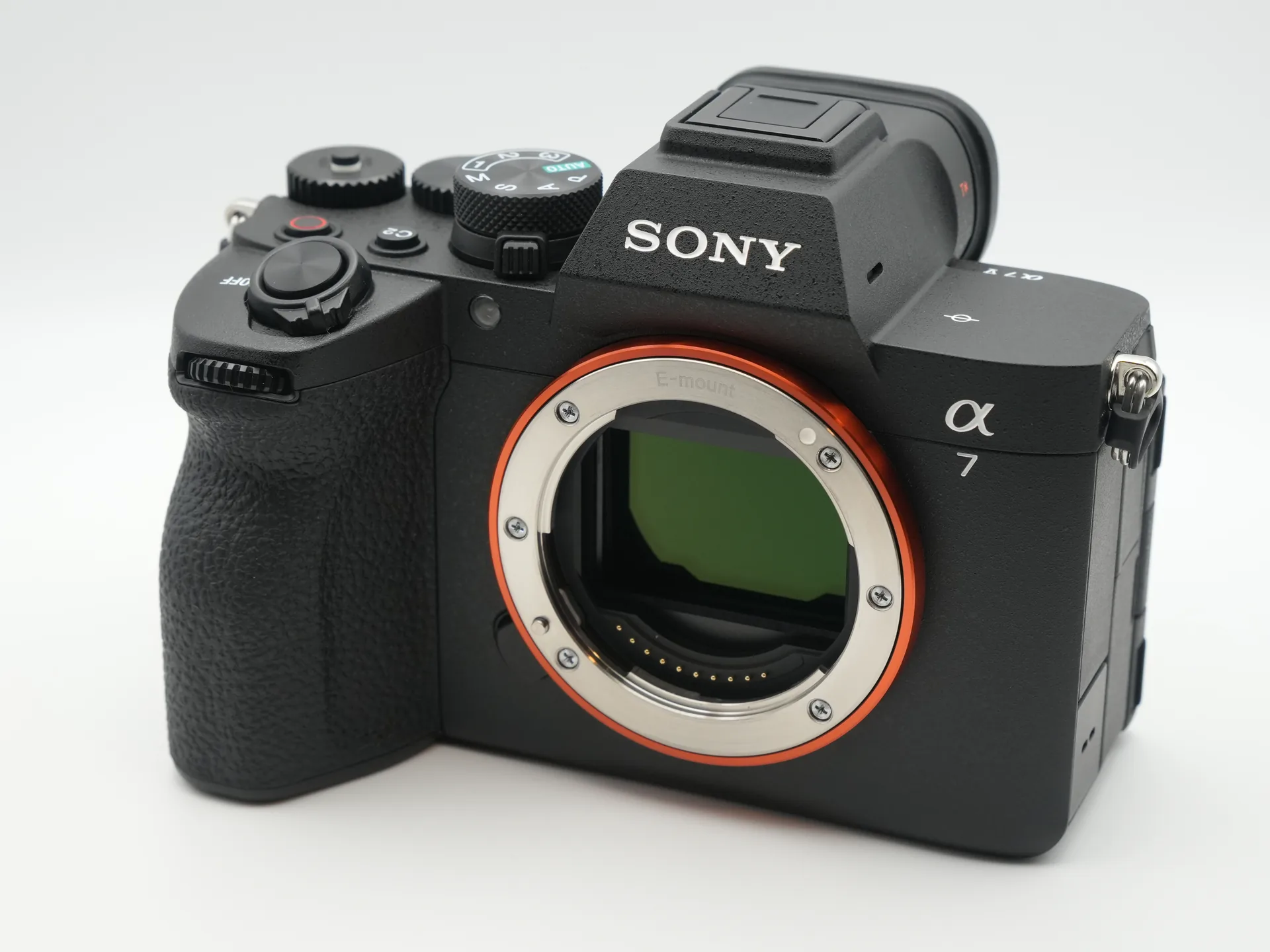
Sony a7 III: the 24MP full-frame workhorse, still sold new eight years on
Evergreen guide. Sony's 2018 basic full-frame model: a 24.2MP back-illuminated sensor, 693-point phase-detect AF, 5-axis in-body stabilization, 10 fps bursts, 4K/30p video, dual card slots and a battery rated for about 610 shots. Weak spots: older AF and menus, a low-resolution rear screen, 8-bit video. Launched at $2,000 in 2018, body only.
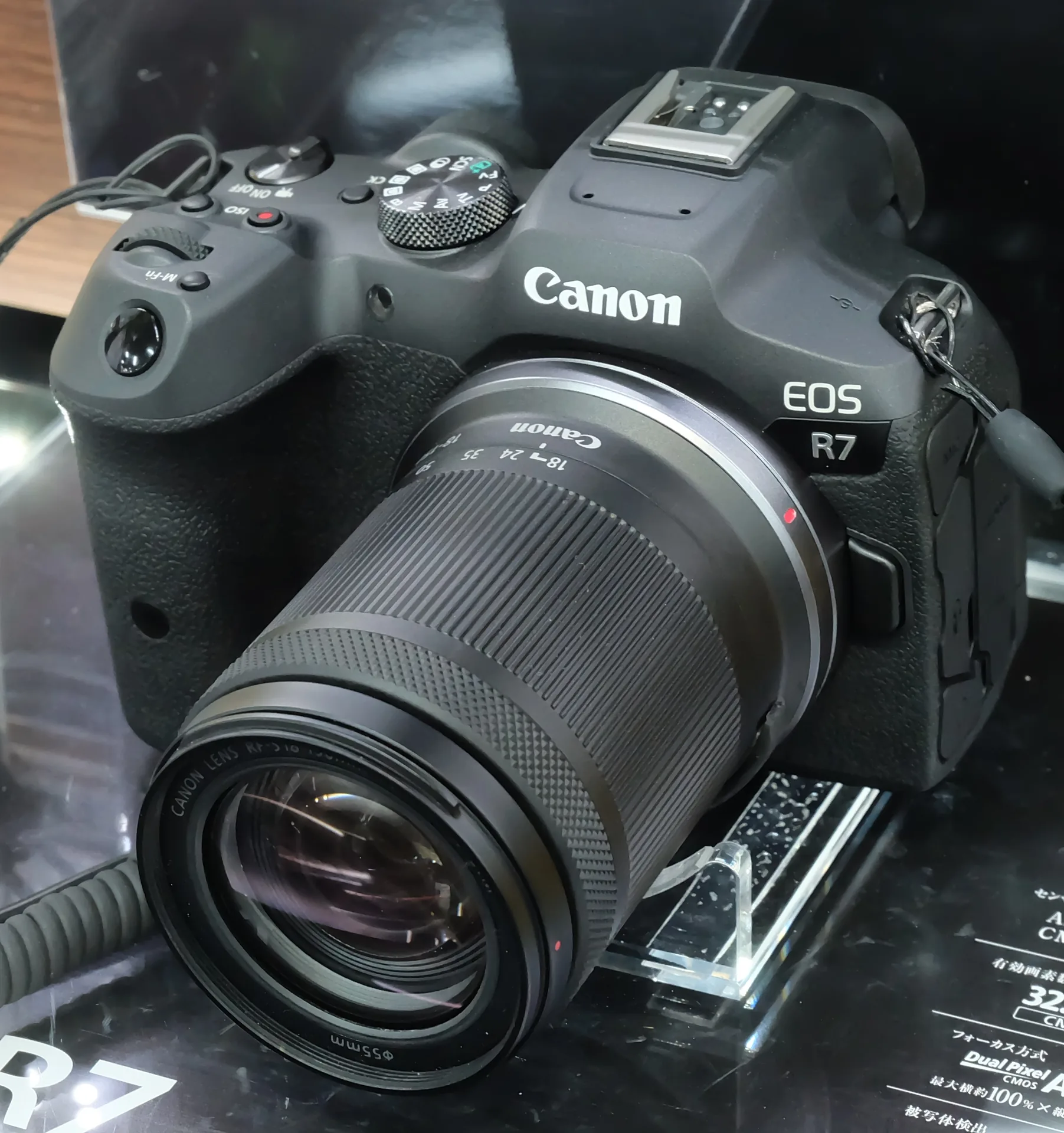
- Photo: 昼落ち, CC BY-SA 4.0
Canon EOS R7: Canon's fast APS-C body for wildlife and sport
Evergreen guide. Canon's top APS-C RF body: a 32.5MP sensor, Dual Pixel CMOS AF II with people, animal and vehicle detection, 15 fps mechanical and 30 fps electronic bursts, 5-axis IBIS rated up to 7 stops, 4K/60p, weather sealing and dual UHS-II slots, in 612 g. The 1.6x crop makes telephotos longer. Launched at $1,499 in 2022, body only.
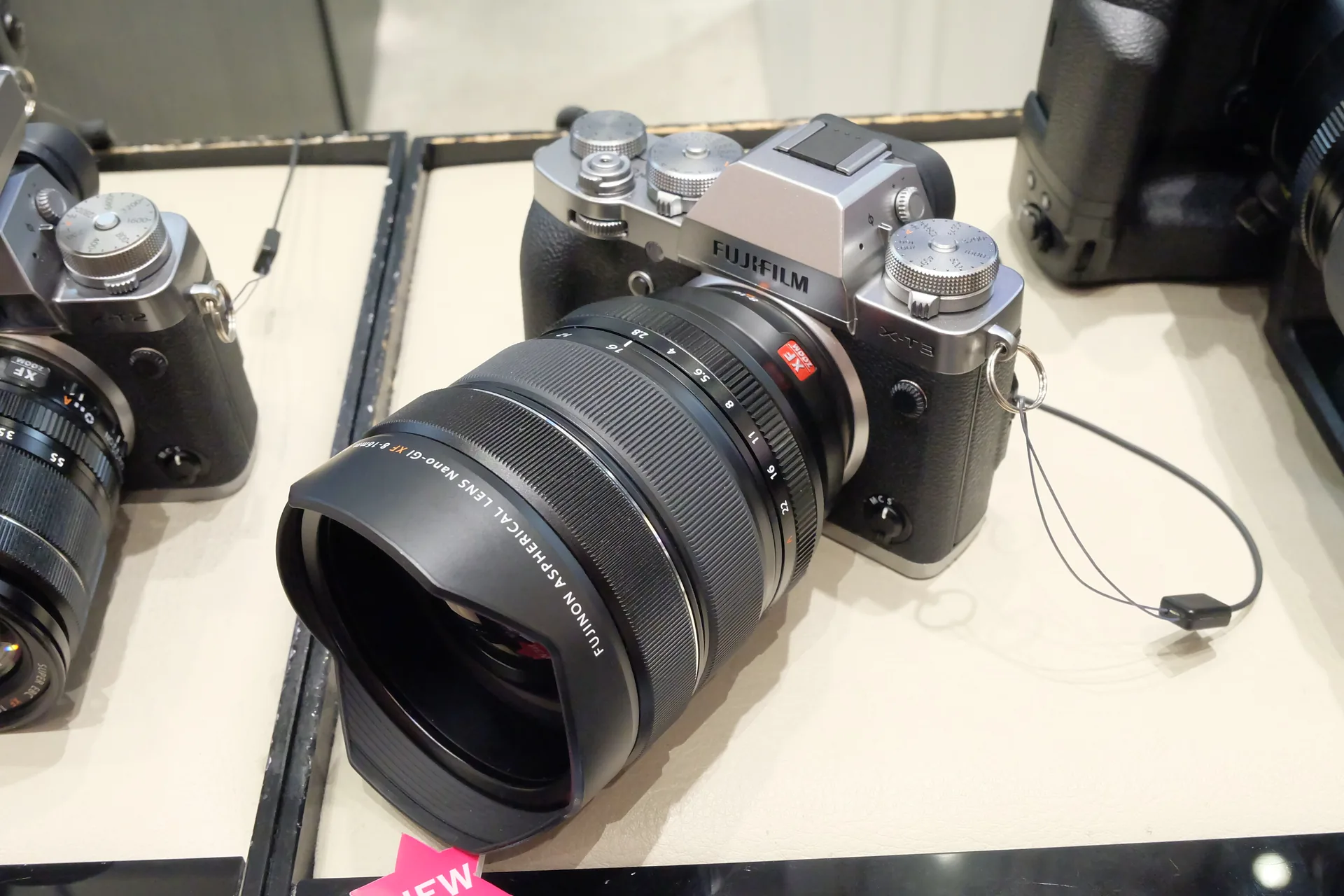
- Photo: 昼落ち, CC BY-SA 4.0
Fujifilm X-T3: still worth it in 2026?
Classic. Fujifilm's 2018 X-T3 started the fourth X Series generation: a 26.1MP X-Trans CMOS 4 sensor, 11 fps mechanical bursts, 4K/60p 10-bit video, a 3.69M-dot EVF and dual SD slots. No in-body stabilization and a 390-frame battery. Still worth it in 2026 for stills-first shooters.
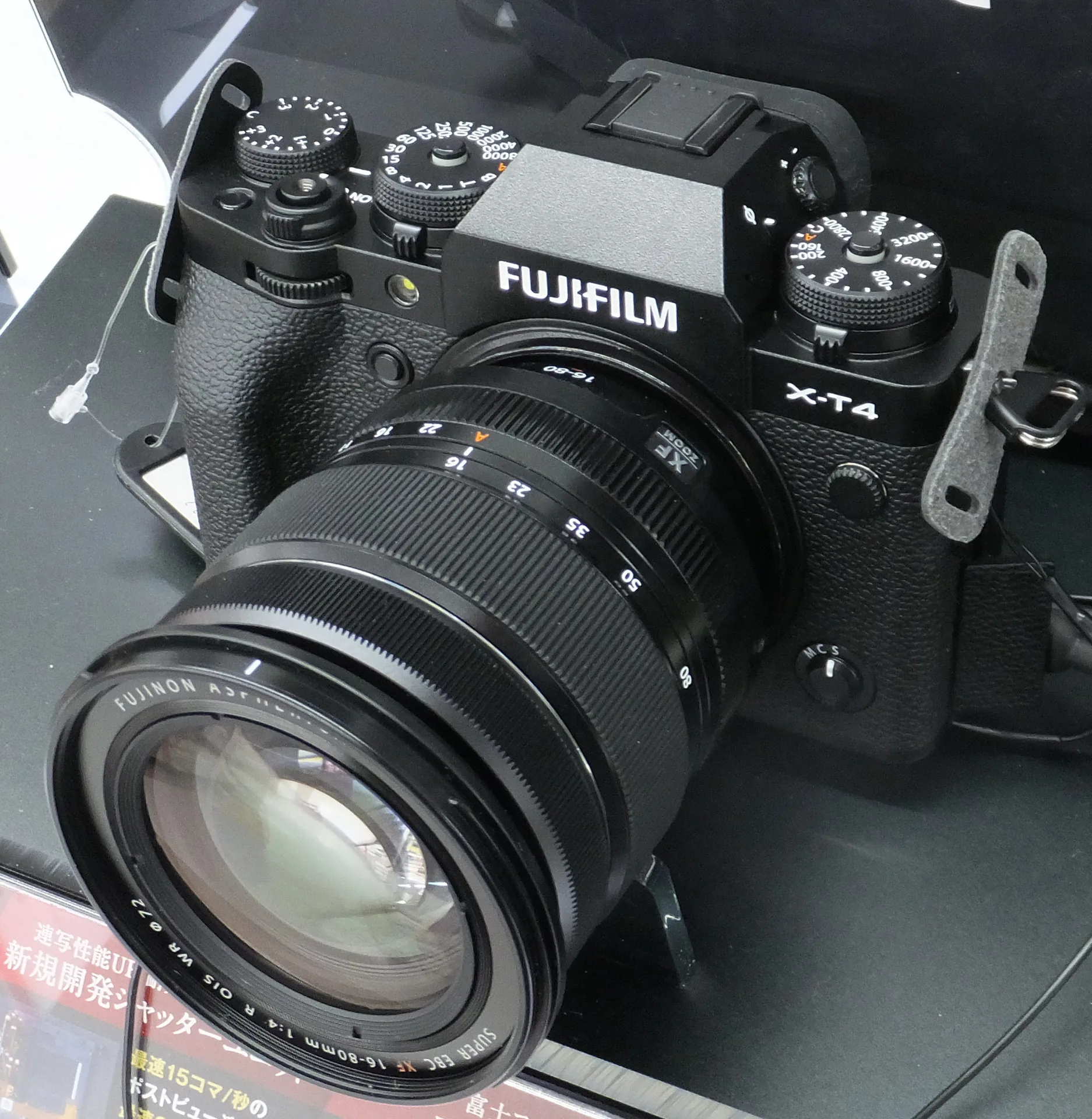
- Photo: 昼落ち, CC BY-SA 4.0
Fujifilm X-T4: still worth it in 2026?
Classic. Fujifilm's 2020 X-T4 kept the X-T3's 26.1MP sensor and added 5-axis IBIS rated up to 6.5 stops, 15 fps mechanical bursts, Full HD 240p, a 1.62M-dot touchscreen and a battery rated for about 500 frames. Heavier at 607 g. Still worth it in 2026 for travelers and hybrid shooters.
- Photo: GodeNehler, CC BY-SA 4.0
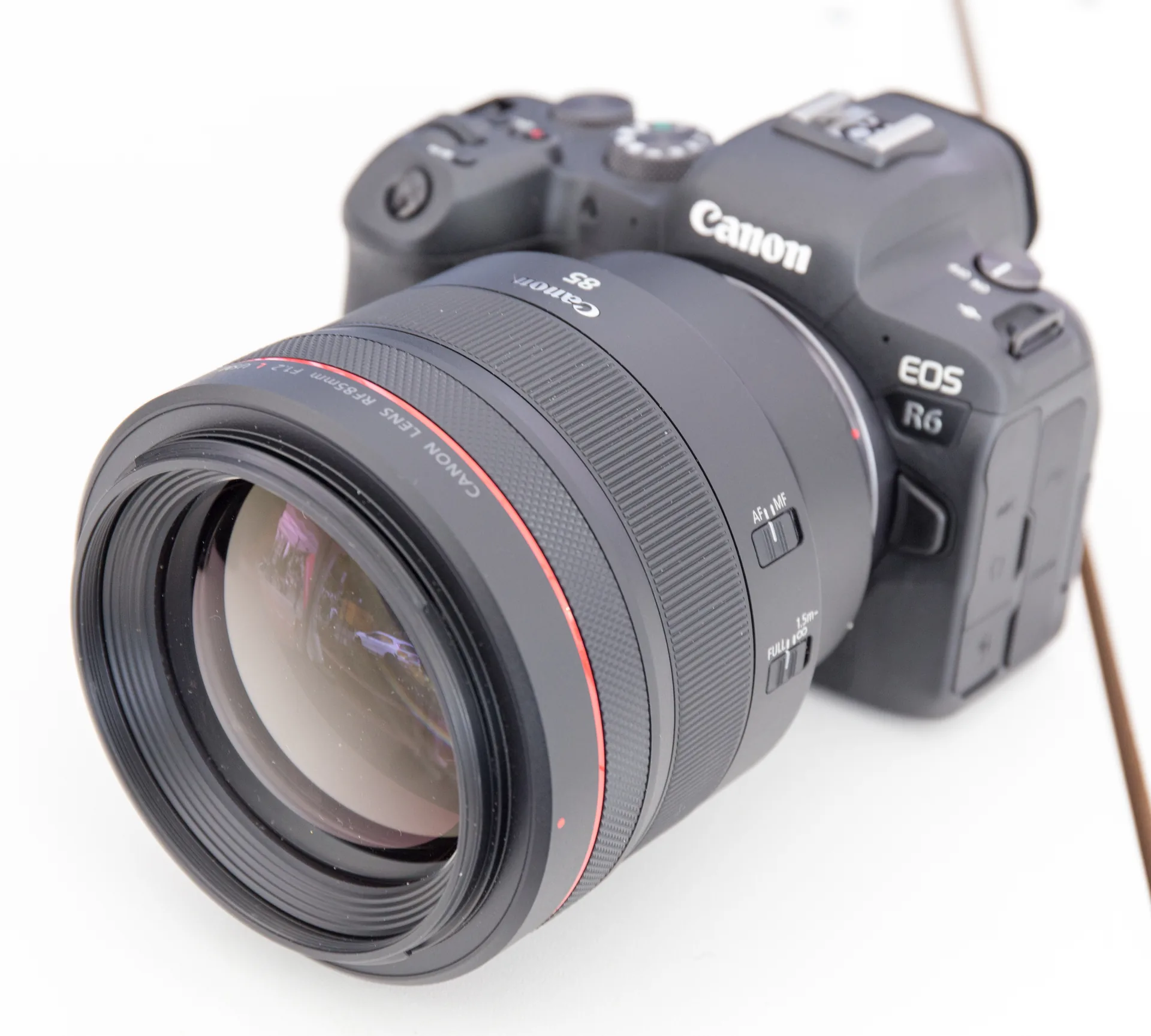
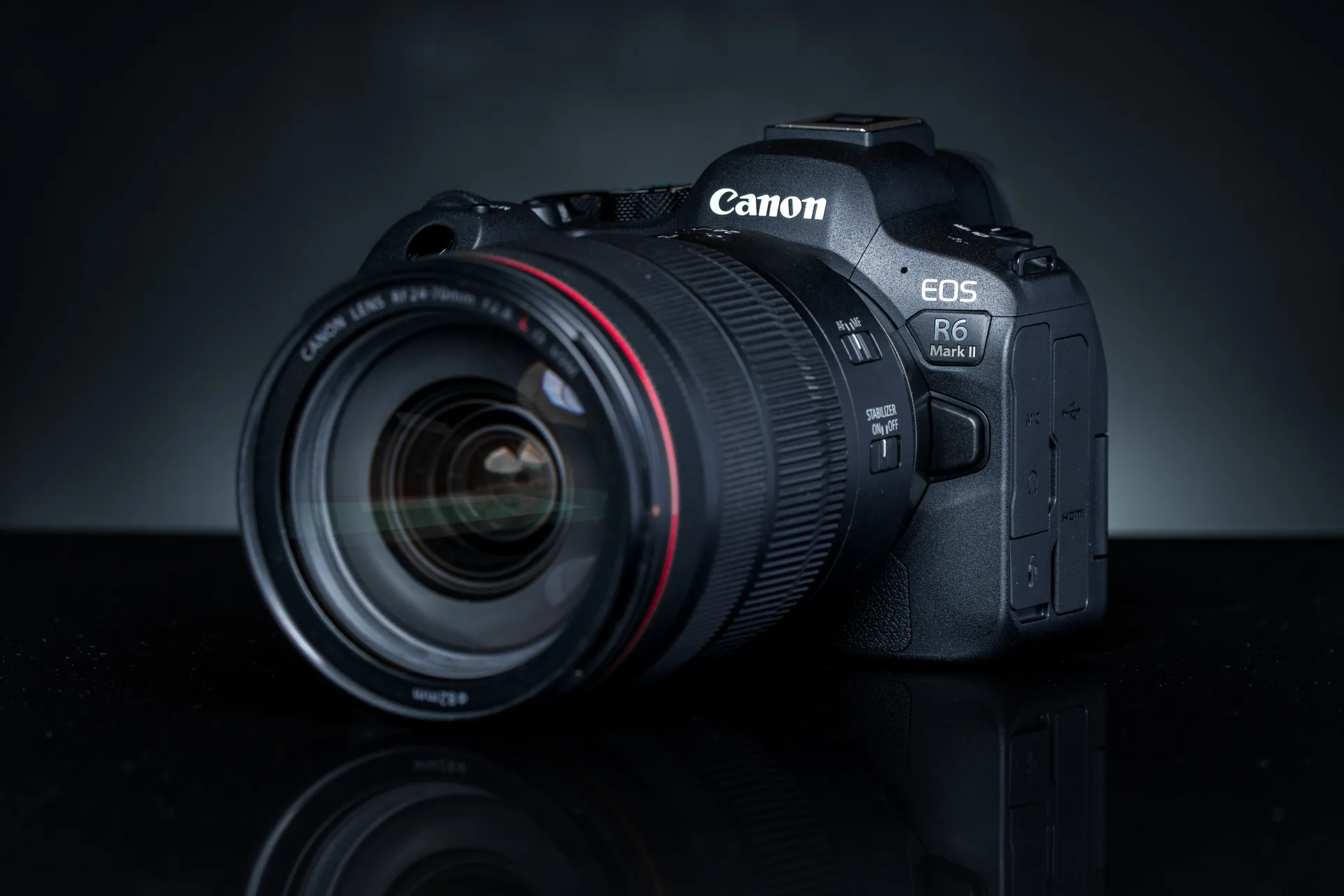
Canon EOS R6: still worth it in 2026?
Classic. Canon's 2020 EOS R6 put a 20.1MP full-frame sensor, Dual Pixel CMOS AF II, 5-axis IBIS rated up to 8 stops, 12 fps mechanical and 20 fps electronic bursts and 4K/60p 10-bit video into a $2,499 body. Weak spots: 20MP and battery life. Still worth it in 2026 for low light, people and events.
- Photo: GodeNehler, CC BY-SA 4.0
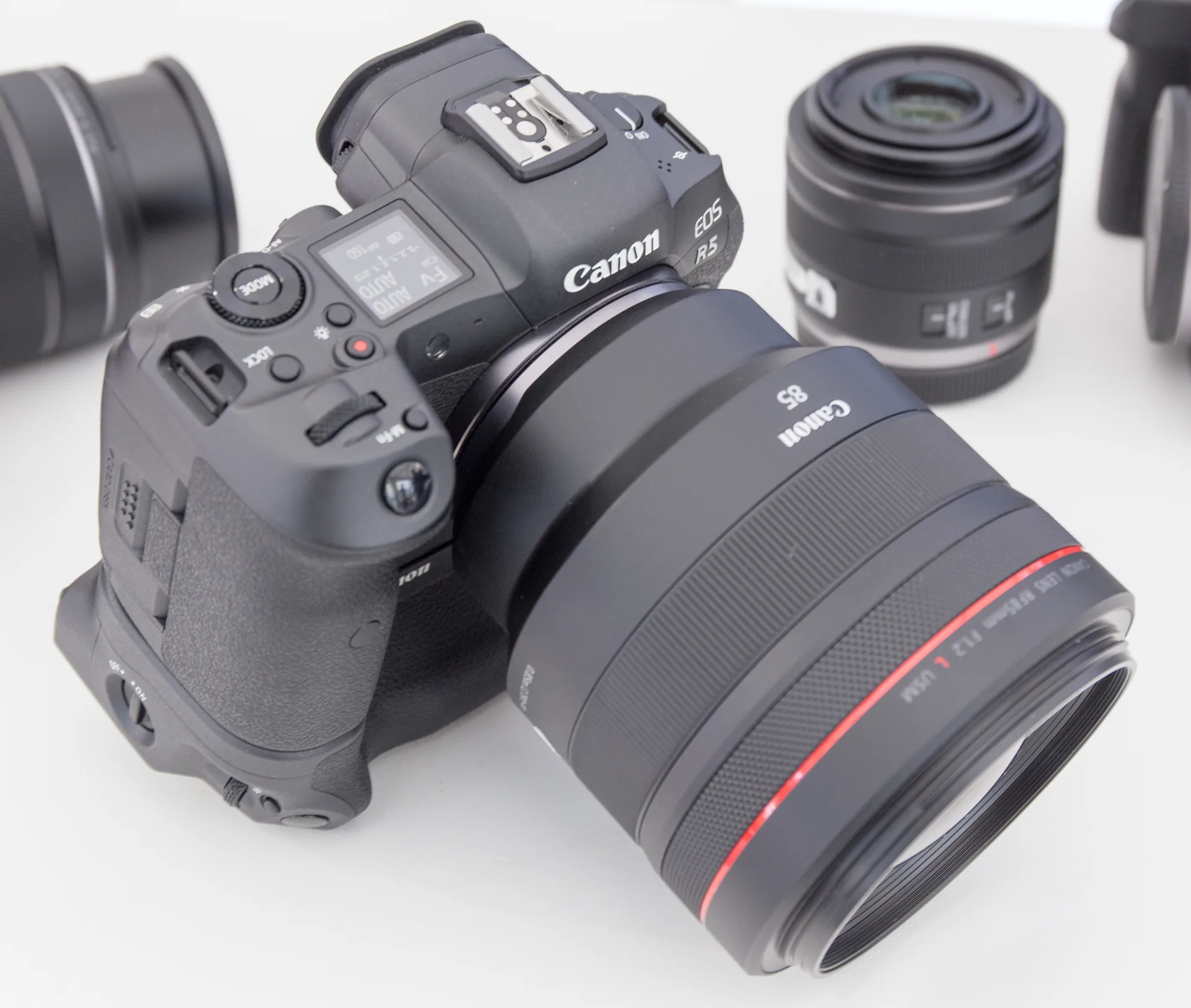
Canon EOS R5: still worth it in 2026?
Review. Canon's 2020 EOS R5 put a 45MP full-frame sensor, Dual Pixel CMOS AF II, 5-axis IBIS rated up to 8 stops, 12 fps mechanical and 20 fps electronic bursts and internal 8K RAW video into one sealed body. Weak spot: about 320 viewfinder shots per charge. Still worth it in 2026 for high-resolution stills and video.
- Photo: Henry Söderlund, CC BY 2.0
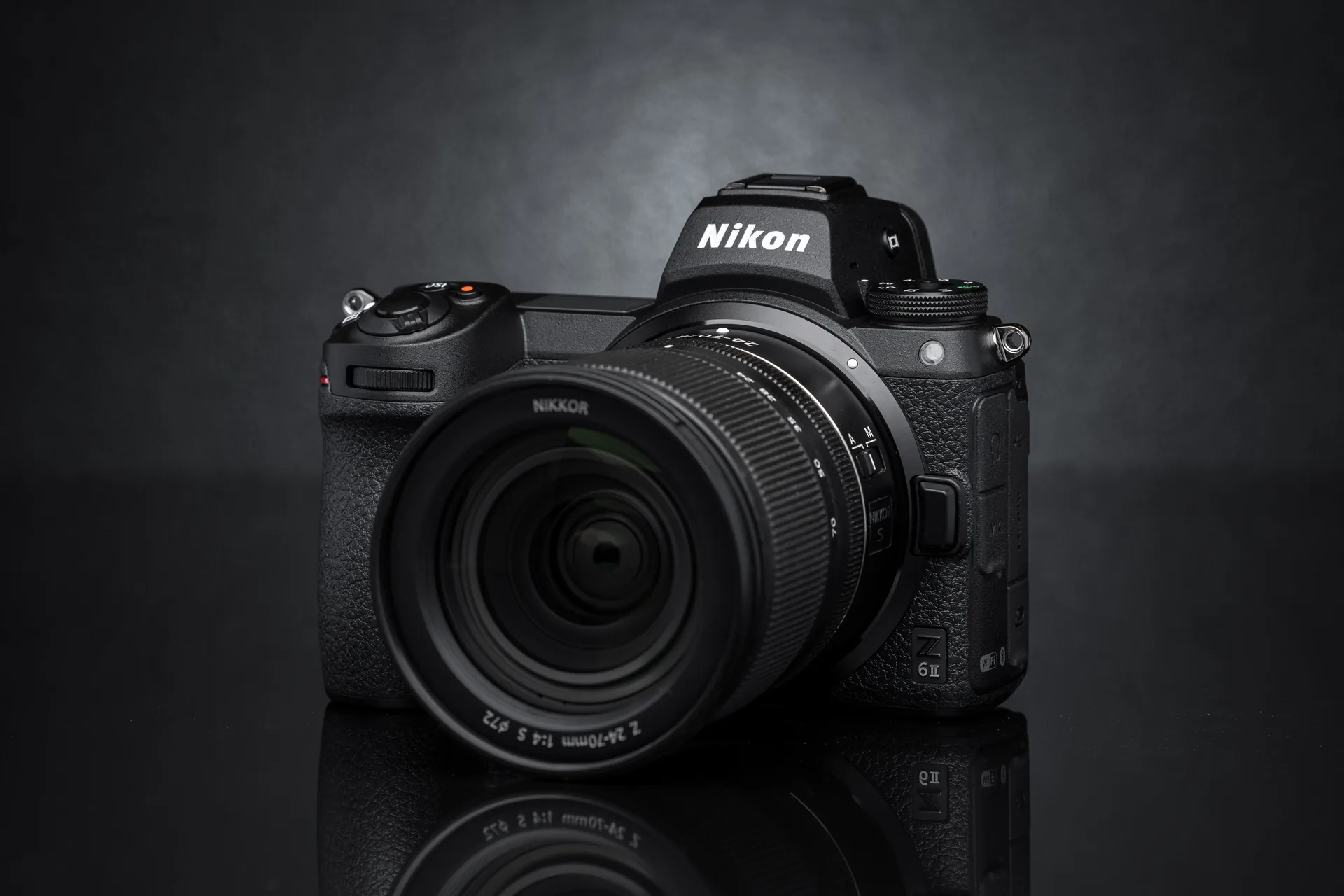
Nikon Z6 II: still worth it in 2026?
Classic. Nikon's 2020 Z6 II added a second EXPEED 6 processor, about 14 fps bursts, Eye and Animal Detection AF for stills and video and dual card slots to the 24.5MP Z6. 4K UHD video, 5-axis VR and a 3.69M-dot EVF. Still worth it in 2026 for full-frame Nikon Z with dual card slots.
- Photo: 昼落ち, CC0
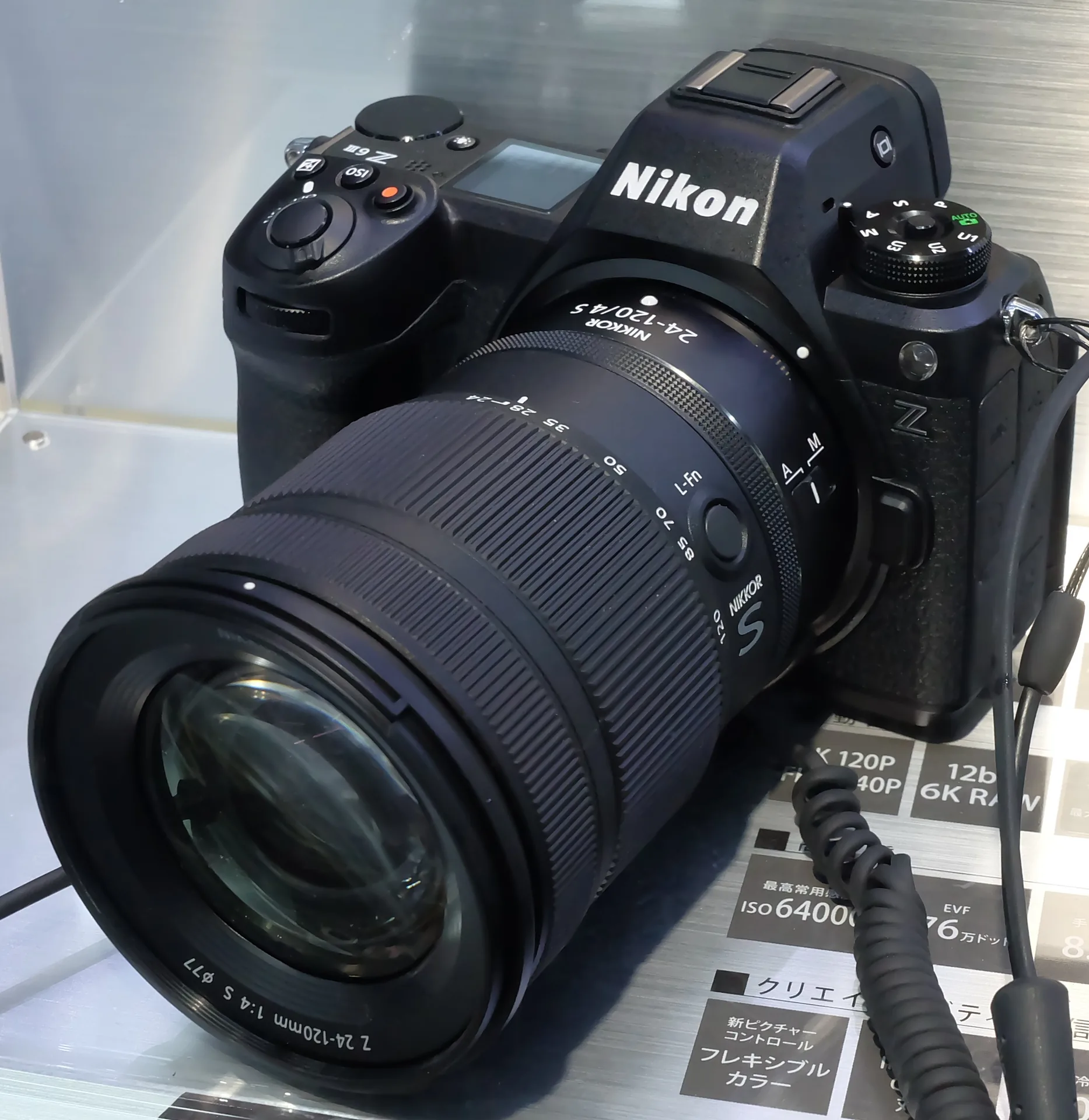
Nikon Z6III: the partially stacked 24.5MP all-rounder with internal 6K RAW
Review. Nikon's 2024 Z6III pairs a 24.5MP partially stacked sensor with EXPEED 7 for 20 fps electronic bursts, Pre-Release Capture, nine-subject AF down to -10 EV, 8-stop VR, a 5.76M-dot 4,000-nit EVF and internal 6K/60p N-RAW and ProRes RAW. Trade-offs: 760 g and about 380 viewfinder shots per charge.
- Photo: Franz van Duns, CC BY-SA 4.0
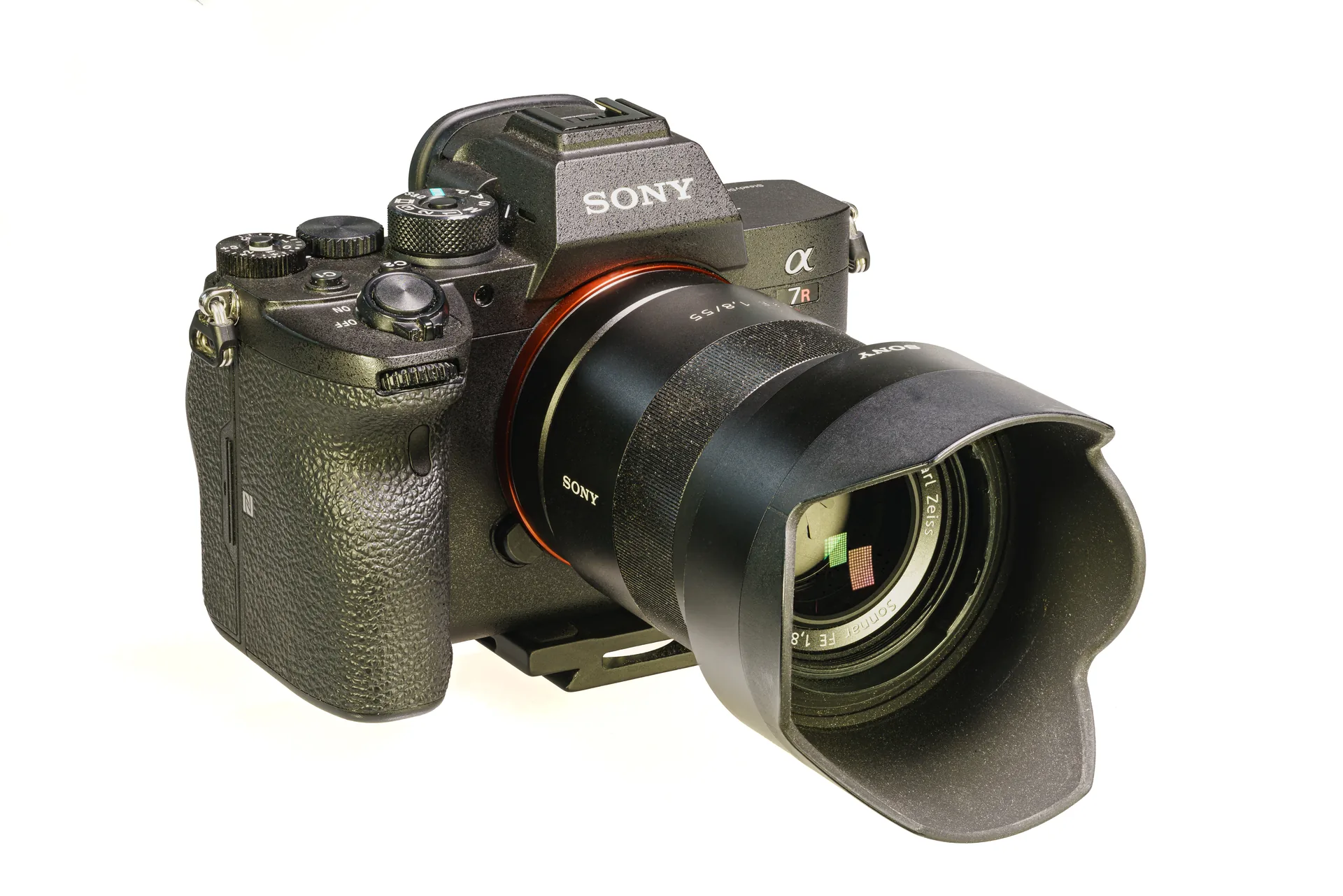
Sony a7R IV: still worth it in 2026?
Review. Sony's 2019 a7R IV brought a 61MP back-illuminated full-frame sensor, 10 fps with AF/AE tracking, Real-time Eye AF for people and animals, 5.5-stop IBIS, a 5.76M-dot EVF, 240.8MP Pixel Shift and dual UHS-II SD slots. Weak spot: a 1.44M-dot screen. Still worth it in 2026 for landscape, studio and wildlife detail.
- Photo: 昼落ち, CC BY-SA 4.0
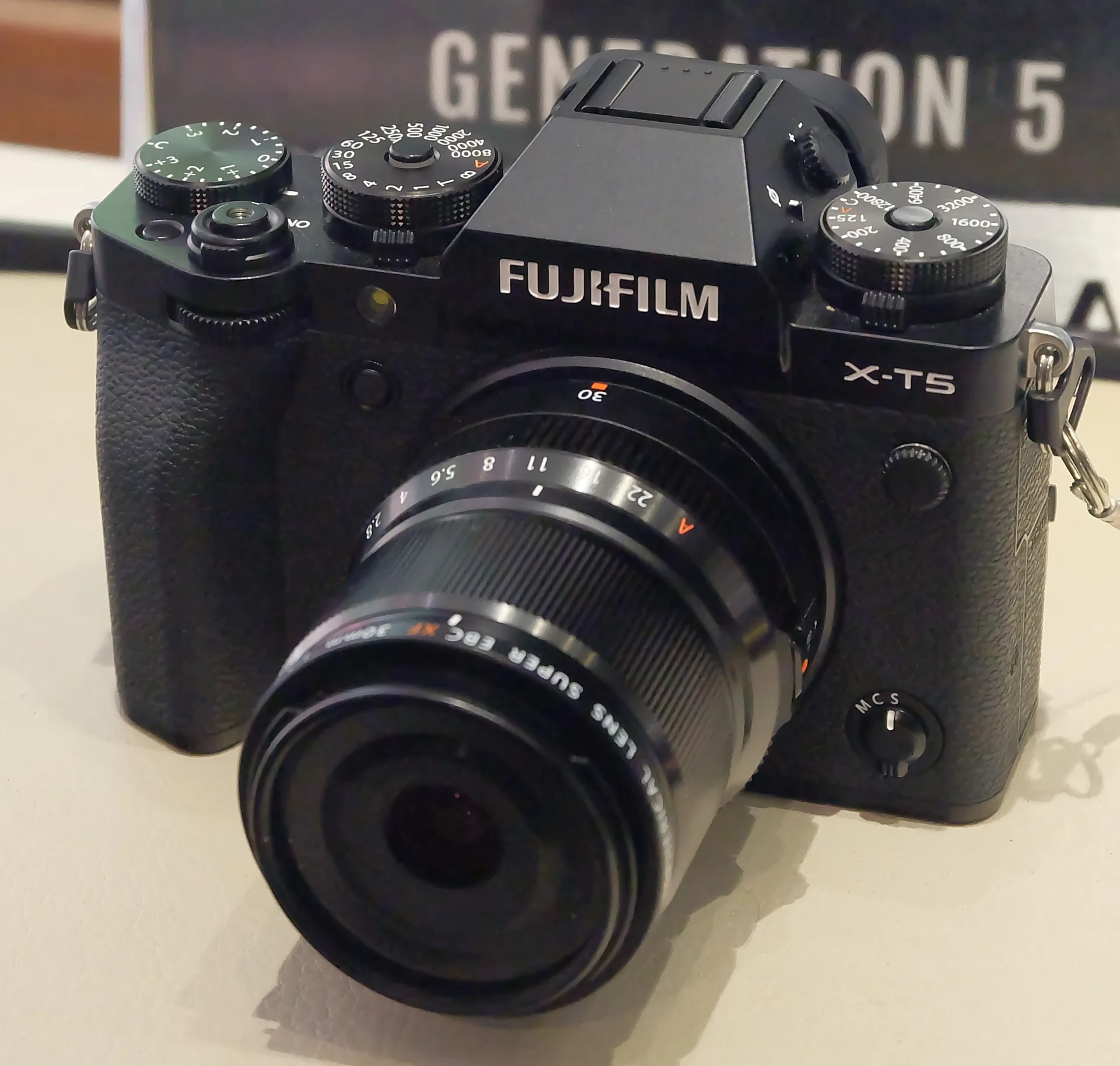
Fujifilm X-T5: the 40MP stills-first X-T body with top-plate dials
Review. Fujifilm's 2022 X-T5 turned the X-T line back toward stills: a 40.2MP X-Trans CMOS 5 HR sensor, X-Processor 5 with subject-detection AF, 5-axis IBIS rated up to 7 stops, a three-way tilting screen, dual SD slots and 6.2K/30p 10-bit video in a 557 g body. Best for stills-first shooters who want dials and resolution.
Tamron 16-50mm F2.8 A is official: a $529 constant-f/2.8 standard zoom for APS-C
Tamron's 16-50mm F2.8 (Model B091) is a 24–75mm-equivalent zoom (25.6–80mm on Canon RF) with a VXD linear focus motor, 14 elements in 10 groups, 0.15 m close focus at the wide end, 55 mm filters, a moisture-resistant build and 305 g (Sony E). Tamron USA prices: Sony E $529 and Canon RF $549 from October 29, 2026; Nikon Z $549 from November 19; Fujifilm X $529 from December 17. Tamron's announcement
- Photos: HellcatSRT, CC0 · Sony Electronics
Sony a7 III vs a7 IV: which to buy?
Comparison. The a7 IV adds 33MP, Real-time Eye AF, 10-bit 4K/60 in Super 35, a fully articulating screen and a CFexpress slot.
- Photos: 昼落ち, CC0 · Zachariah Chou, CC BY-SA 4.0
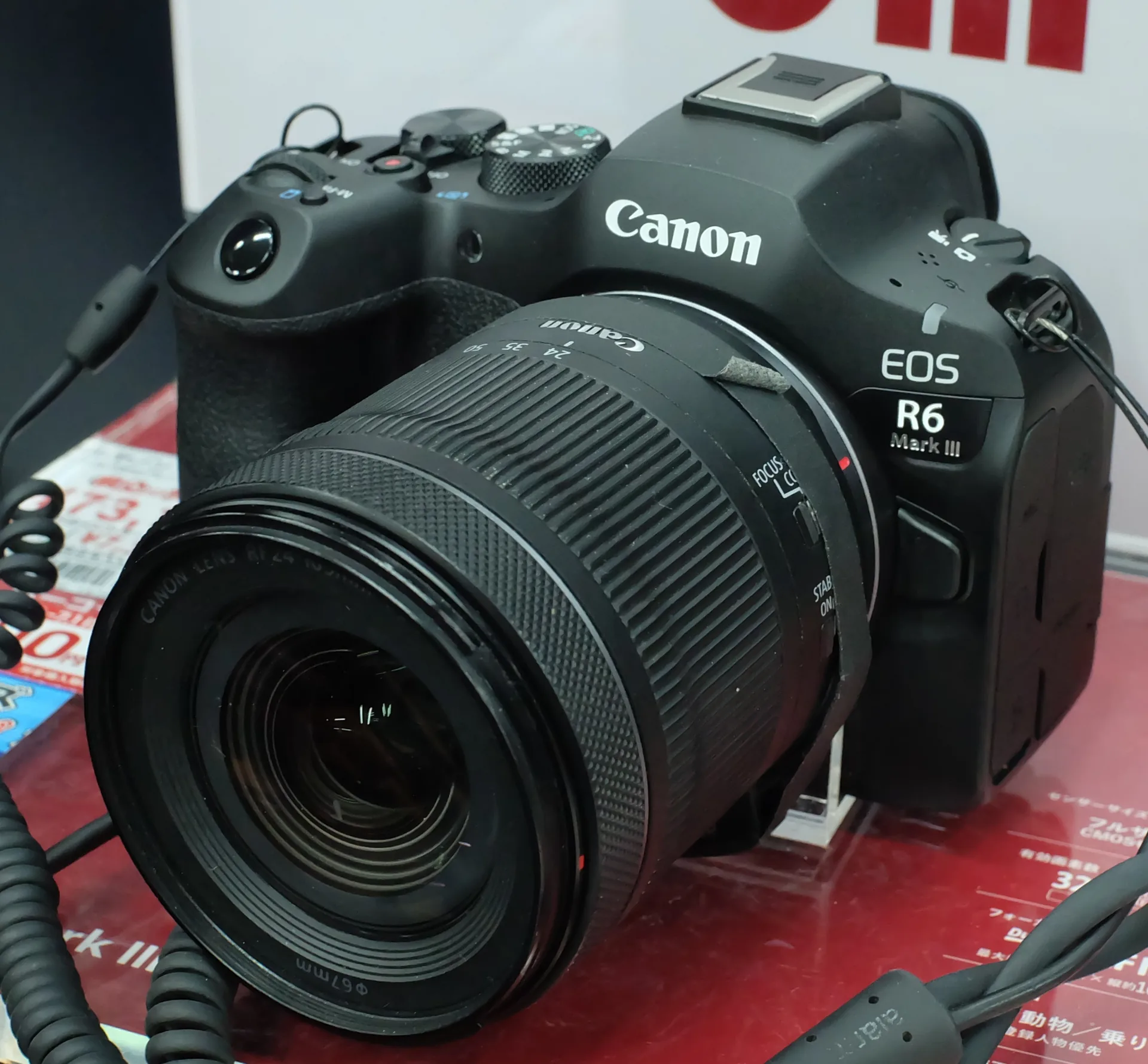
Canon R6 Mark III vs Sony a7 V: which to buy?
Comparison. The R6 Mark III leads on bursts, IBIS and video (7K raw, open gate); the a7 V has a partially stacked sensor, a bigger multi-angle screen, Wi-Fi 6E and longer battery life.
- Photos: Henry Söderlund, CC BY 2.0 · 昼落ち, CC0
Canon R6 Mark II vs R6 Mark III: what the Mark III adds
Comparison. The Mark III adds 32.5MP, internal 7K raw and open gate, a CFexpress Type B slot and full-size HDMI; the Mark II keeps dual SD slots, a longer-lasting battery and a lighter body.
- Photos: Sony Electronics · Henry Söderlund, CC BY 2.0
Sony a7 IV vs Canon R6 Mark II: which to buy?
Comparison. The R6 Mark II leads on bursts (40 fps electronic), IBIS (up to 8 stops) and battery life; the a7 IV has 33MP, a CFexpress Type A slot and full-size HDMI.
- Photos: 昼落ち, CC BY-SA 4.0
Fujifilm X-T3 vs X-T4: which to buy?
Comparison. Same 26.1MP sensor and processor; the X-T4 adds 5-axis IBIS (up to 6.5 stops), 15 fps mechanical bursts, Full HD 240p and a battery rated for about 500 frames, while the X-T3 is lighter and keeps a headphone jack.
- Photos: GodeNehler, CC BY-SA 4.0 · Henry Söderlund, CC BY 2.0
Canon EOS R6 vs R6 Mark II: which to buy?
Comparison. Same body style, viewfinder, screen, dual SD slots and 8-stop IBIS; the Mark II adds 24.2MP, 40 fps electronic bursts with pre-shooting, more subject detection, 4K/60p oversampled from 6K and longer battery life.
- Photos: Henry Söderlund, CC BY 2.0 · 昼落ち, CC0
Nikon Z6 II vs Z6III: which to buy?
Comparison. Same 24.5MP, card slots and battery; the Z6III adds a partially stacked sensor, 20 fps electronic bursts with Pre-Release Capture, AF to -10 EV, 8-stop VR, a 5.76M-dot EVF and internal 6K/60p RAW.
- Photos: 昼落ち, CC BY-SA 4.0
Fujifilm X-T4 vs X-T5: which to buy?
Comparison. Same NP-W235 battery, two SD slots and top-plate dials; the X-T5 adds 40.2MP, subject-detection AF, 7-stop IBIS, 6.2K/30p video and a lighter 557 g body, while the X-T4 keeps 30 fps cropped bursts and a vari-angle screen.
No articles match your search.