Camera & lens comparisons
Side-by-side specs, who should buy which, and launch prices. Page 3 of 3.
Showing 53–76 of 76 comparisons; search covers all 76.
Matches on other compare pages
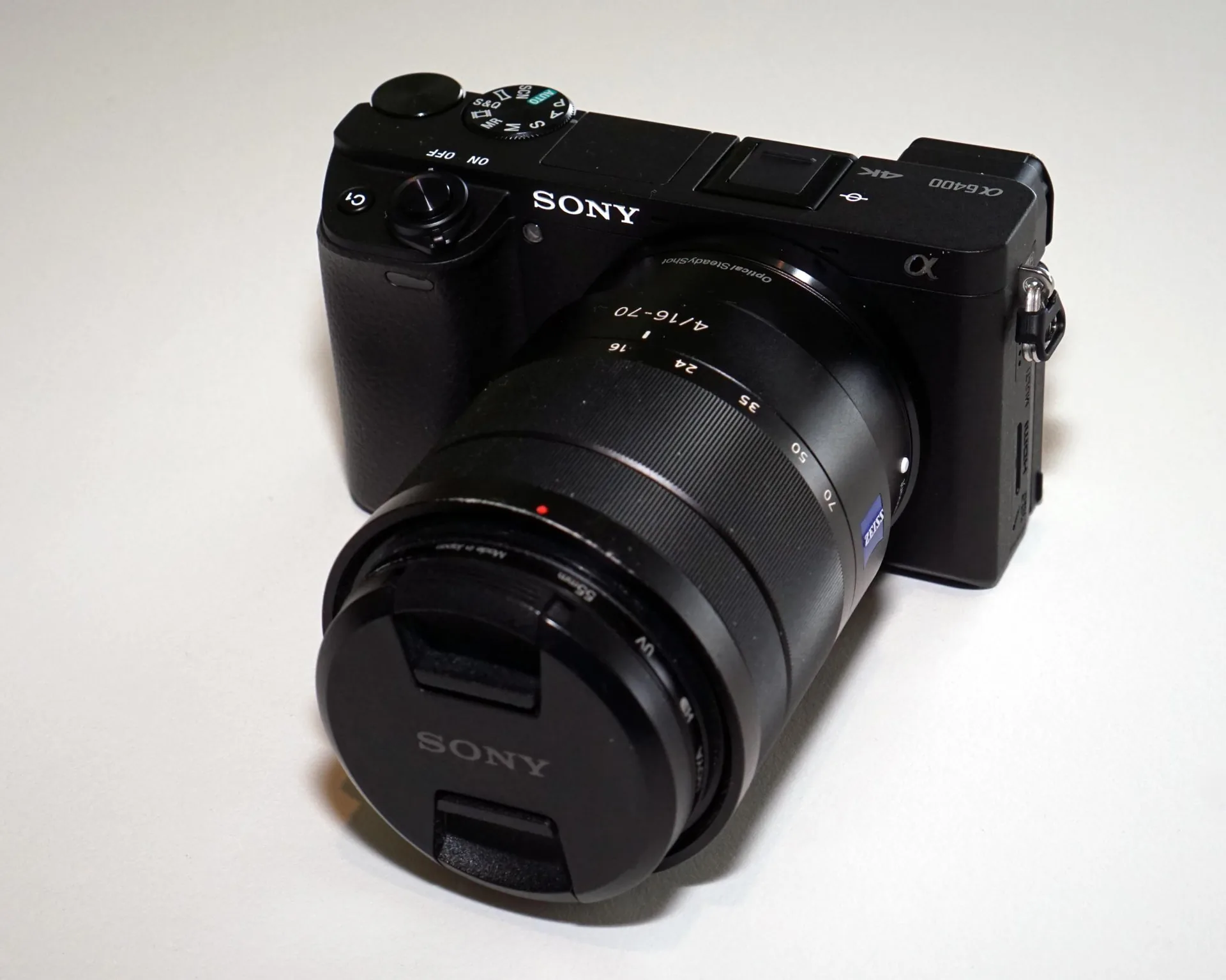
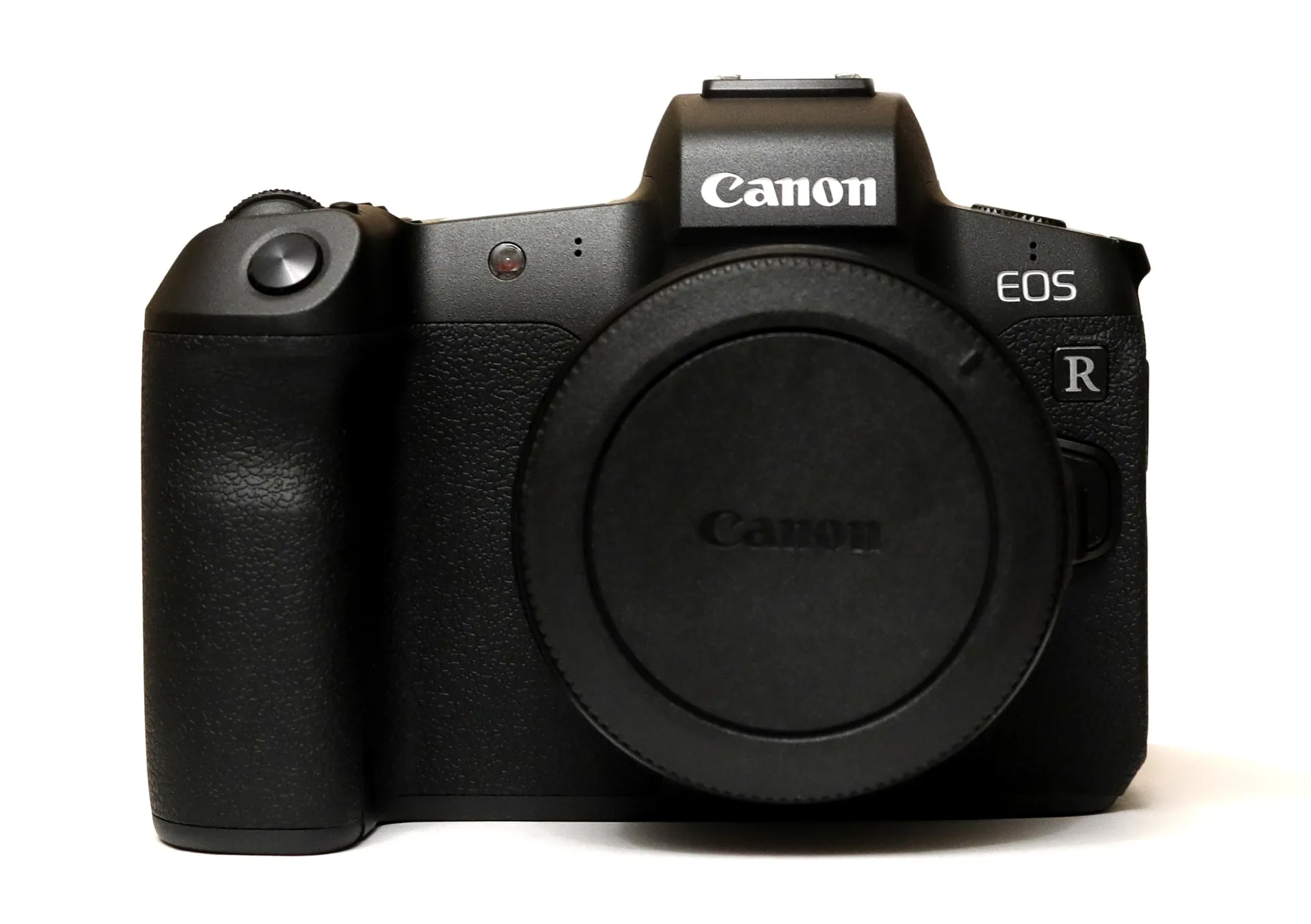
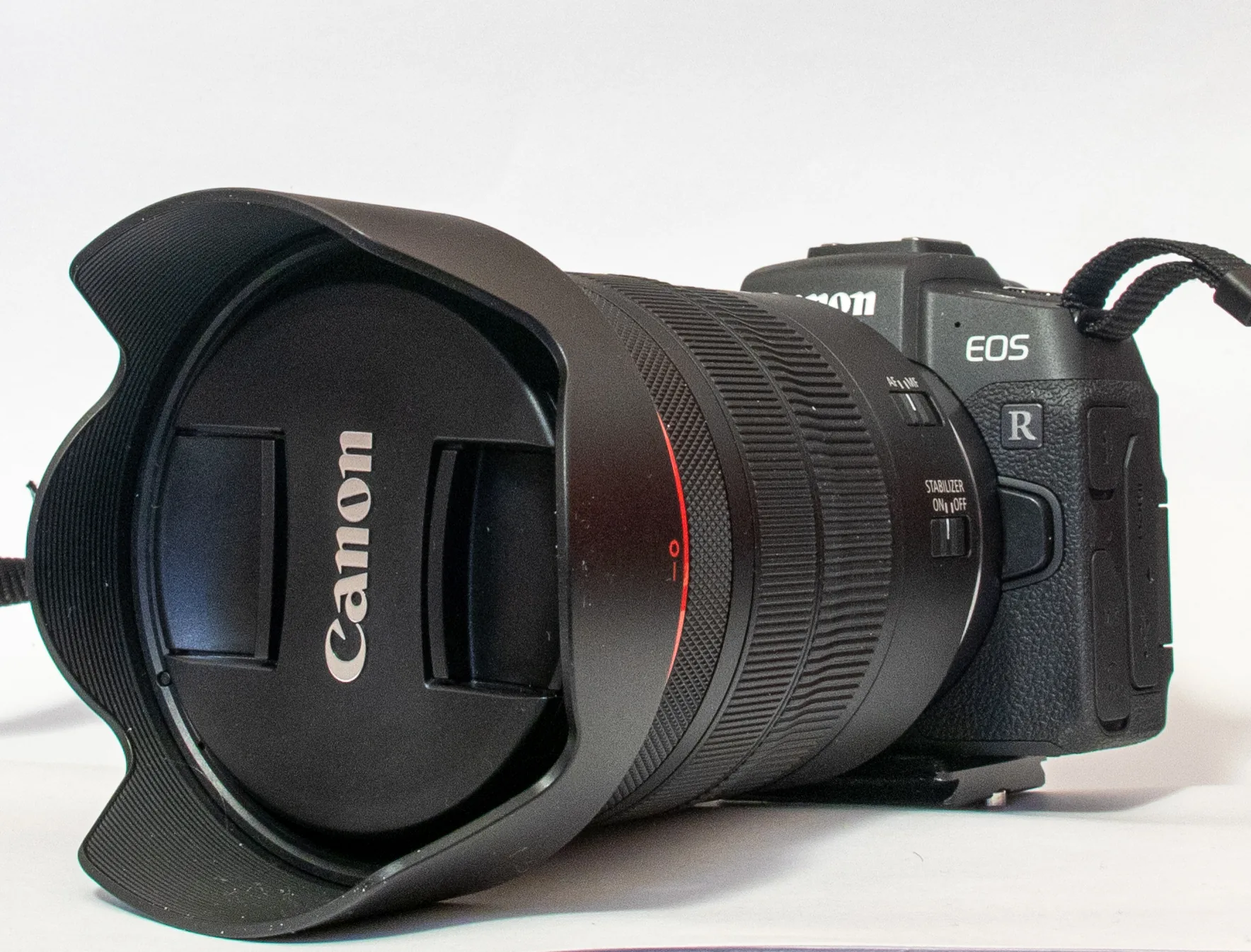
- Photos: Yerpo, CC BY-SA 4.0 · Henry Söderlund, CC BY 2.0
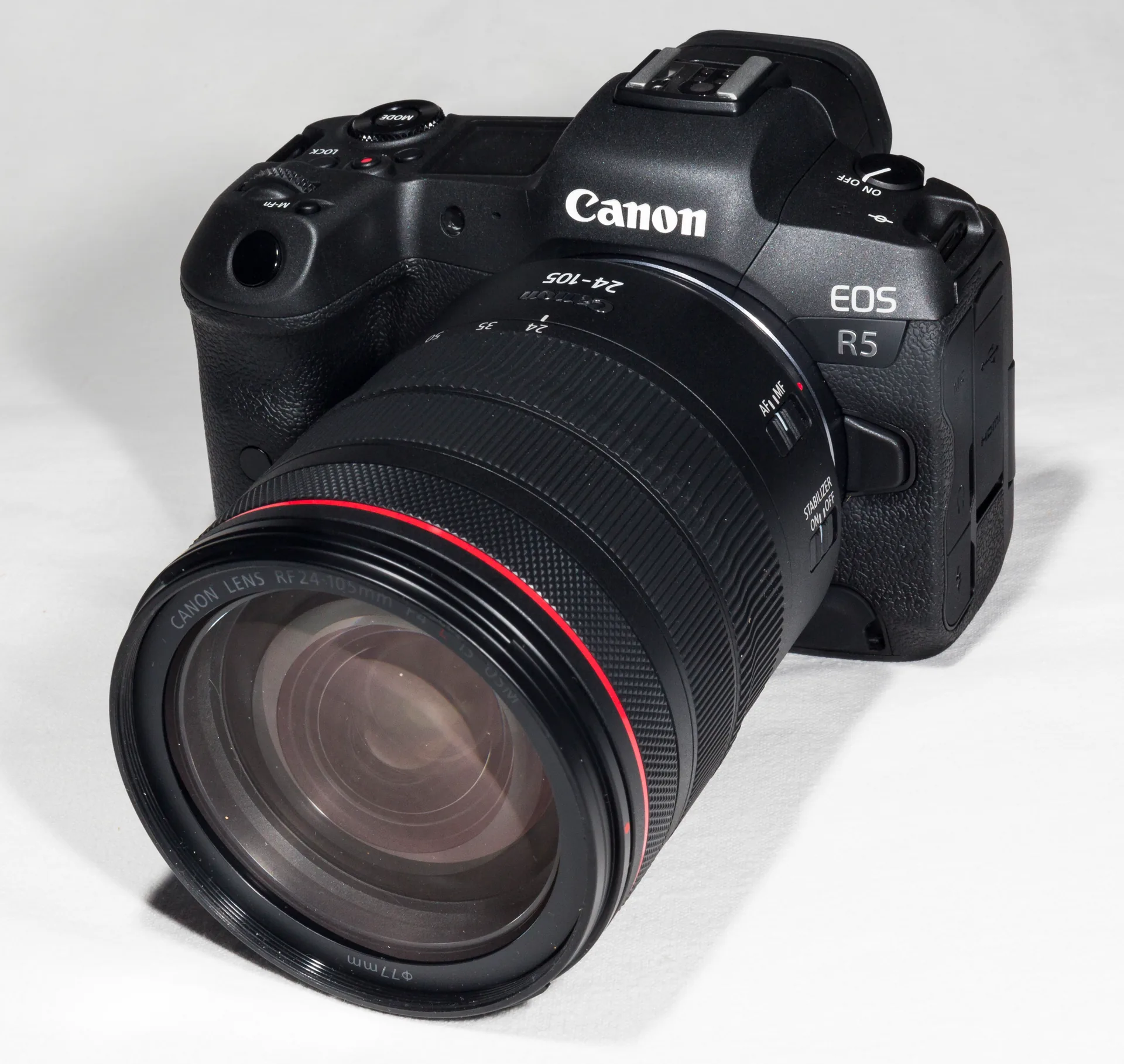
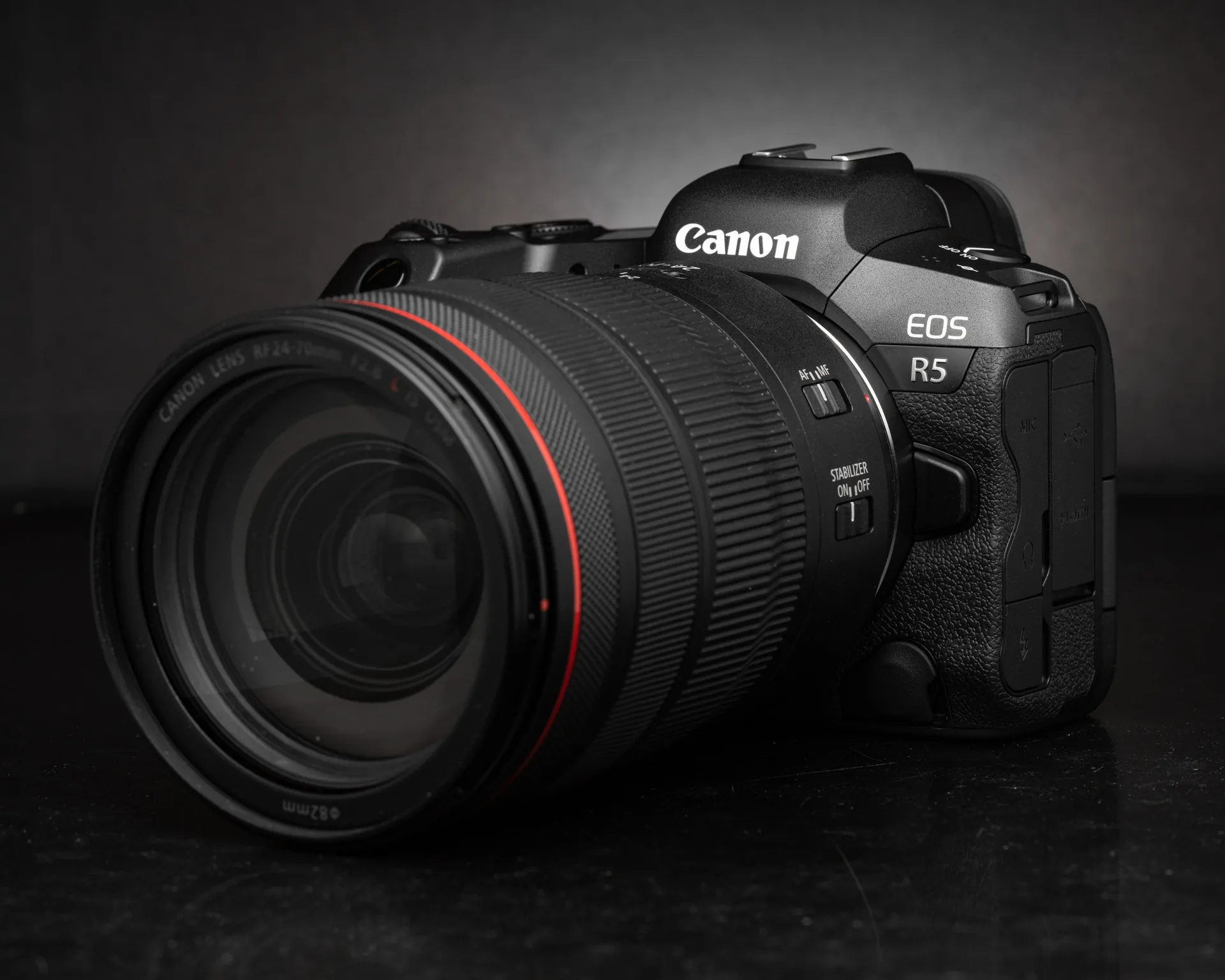
Canon RF 24-105mm F4L IS USM vs Canon RF 24-70mm F2.8L IS USM
The RF 24-105mm F4L suits travel, landscape and walkaround shooters who want reach to 105mm in a 700 g lens. The RF 24-70mm F2.8L suits event, wedding and low-light shooters who want f/2.8, shallower depth of field and 0.21 m close focus.
- Photos: Sony Electronics · Sony Electronics
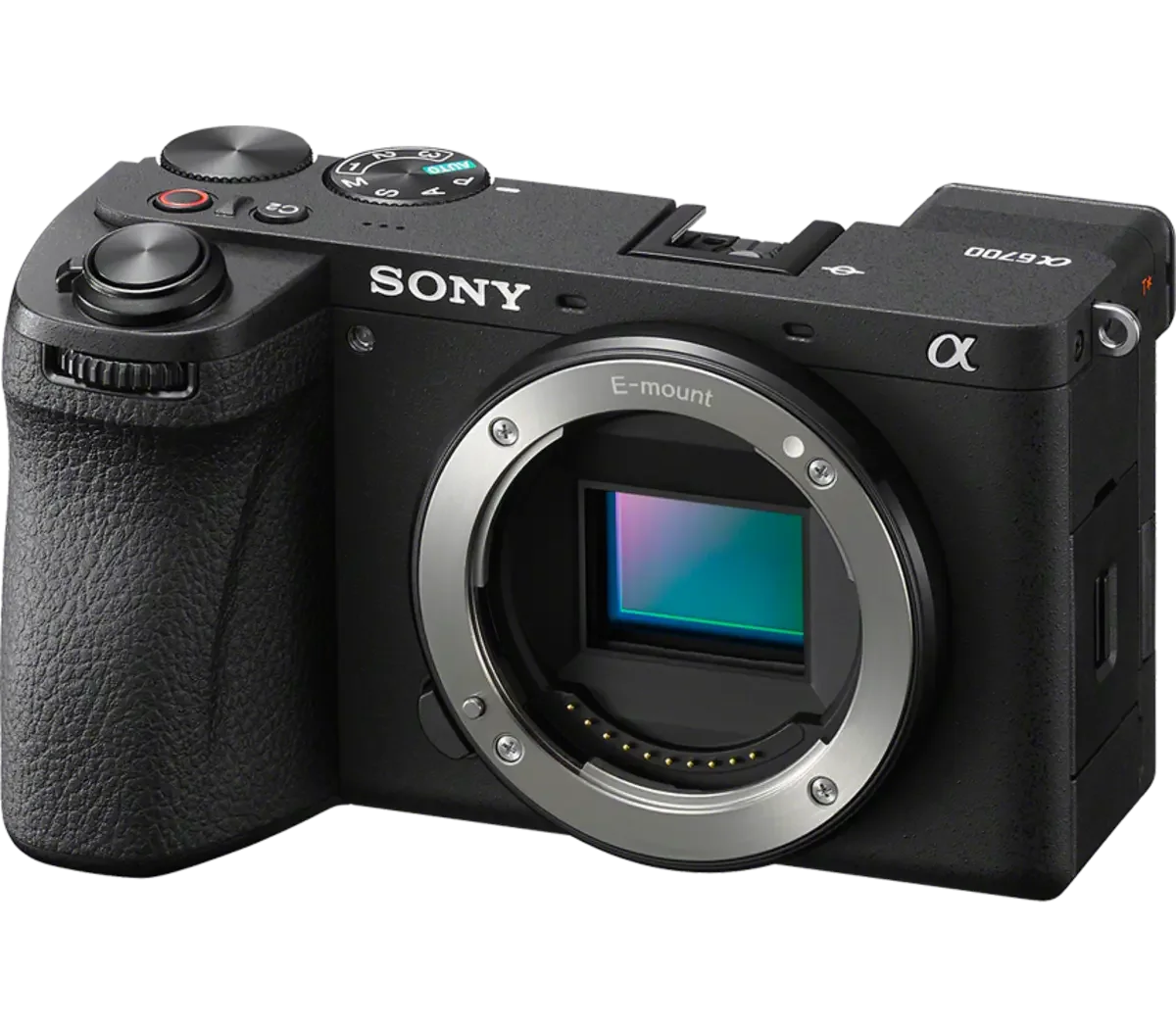
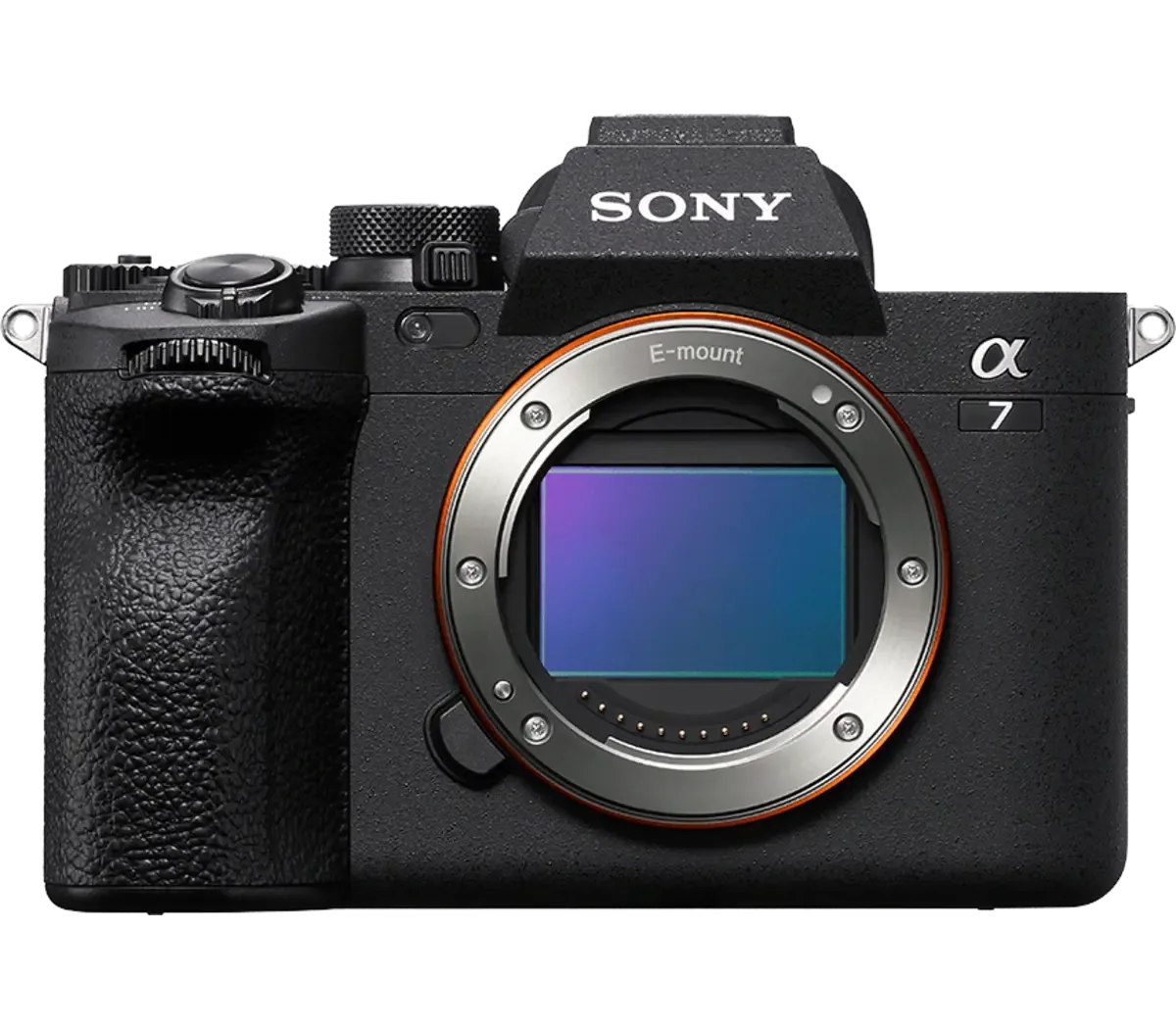
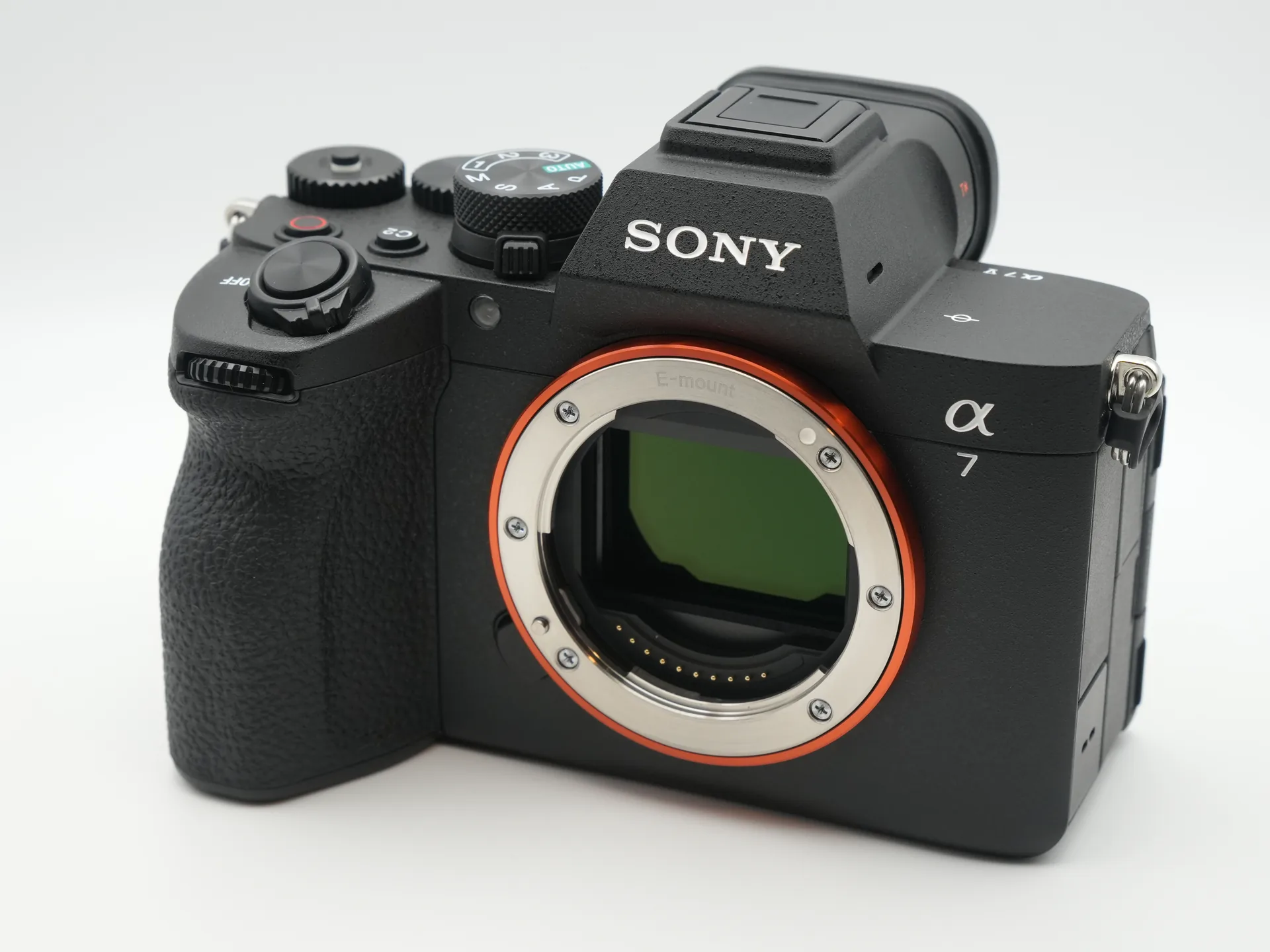
Sony a6700 vs Sony a7 IV
The a6700 suits hybrid and wildlife shooters who want AI subject recognition, 4K up to 120p and a 493 g body. The a7 IV suits event, wedding and stills shooters who want 33MP full frame, two card slots and a 3.69M-dot finder.
- Photos: Franz van Duns, CC BY-SA 4.0 · Sony Electronics
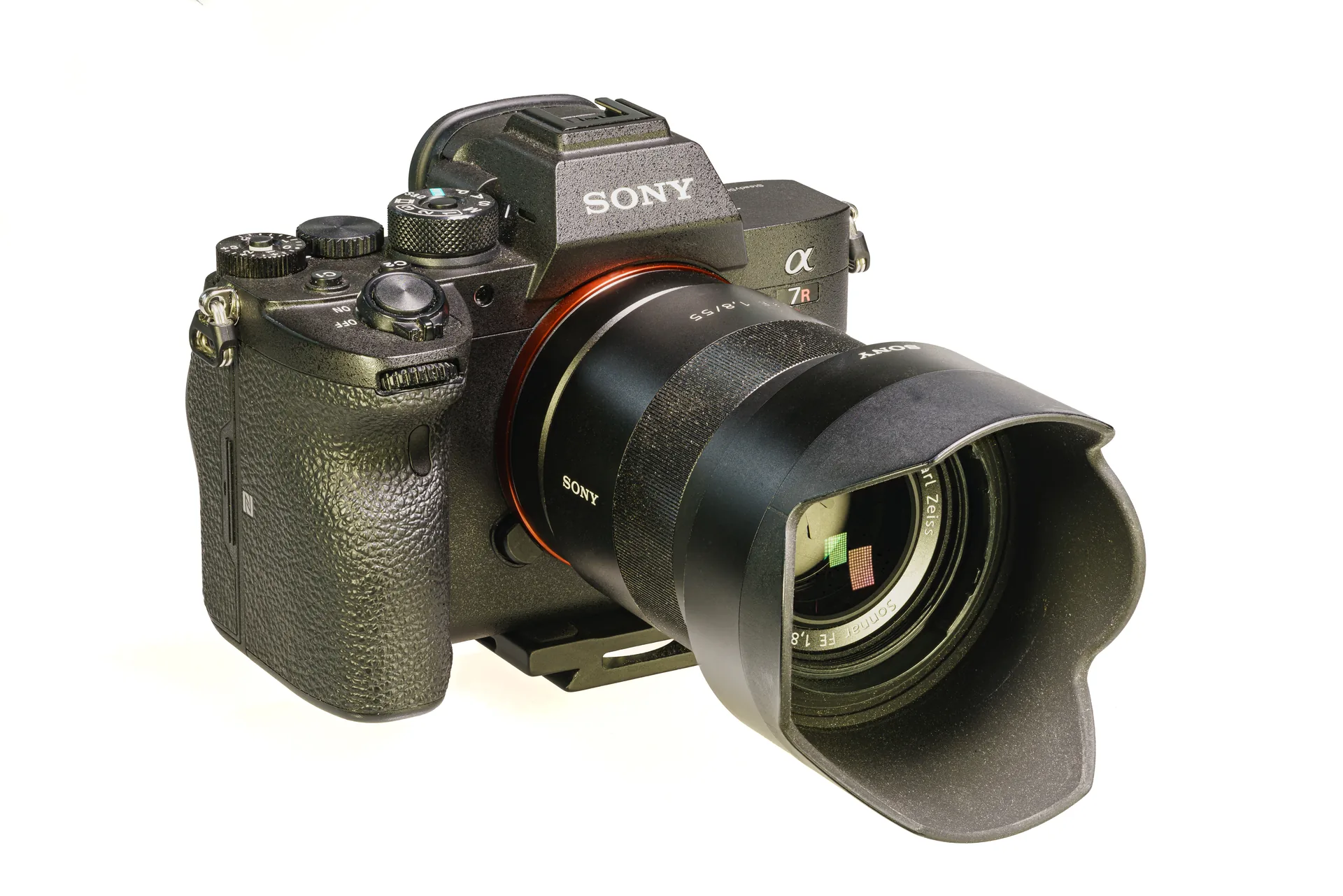
Sony a7R IV vs Sony a7 IV
The a7R IV suits landscape, architecture, studio and crop-heavy wildlife shooters who want 61MP, a 5.76M-dot finder and Pixel Shift. The a7 IV suits hybrid and event shooters who want BIONZ XR autofocus with bird Eye AF, 10-bit 4K/60p and a vari-angle screen.
- Photos: Marcel Rogge, CC BY-SA 4.0 · Josefine Hellroth Larsson (WMSE), CC BY 4.0
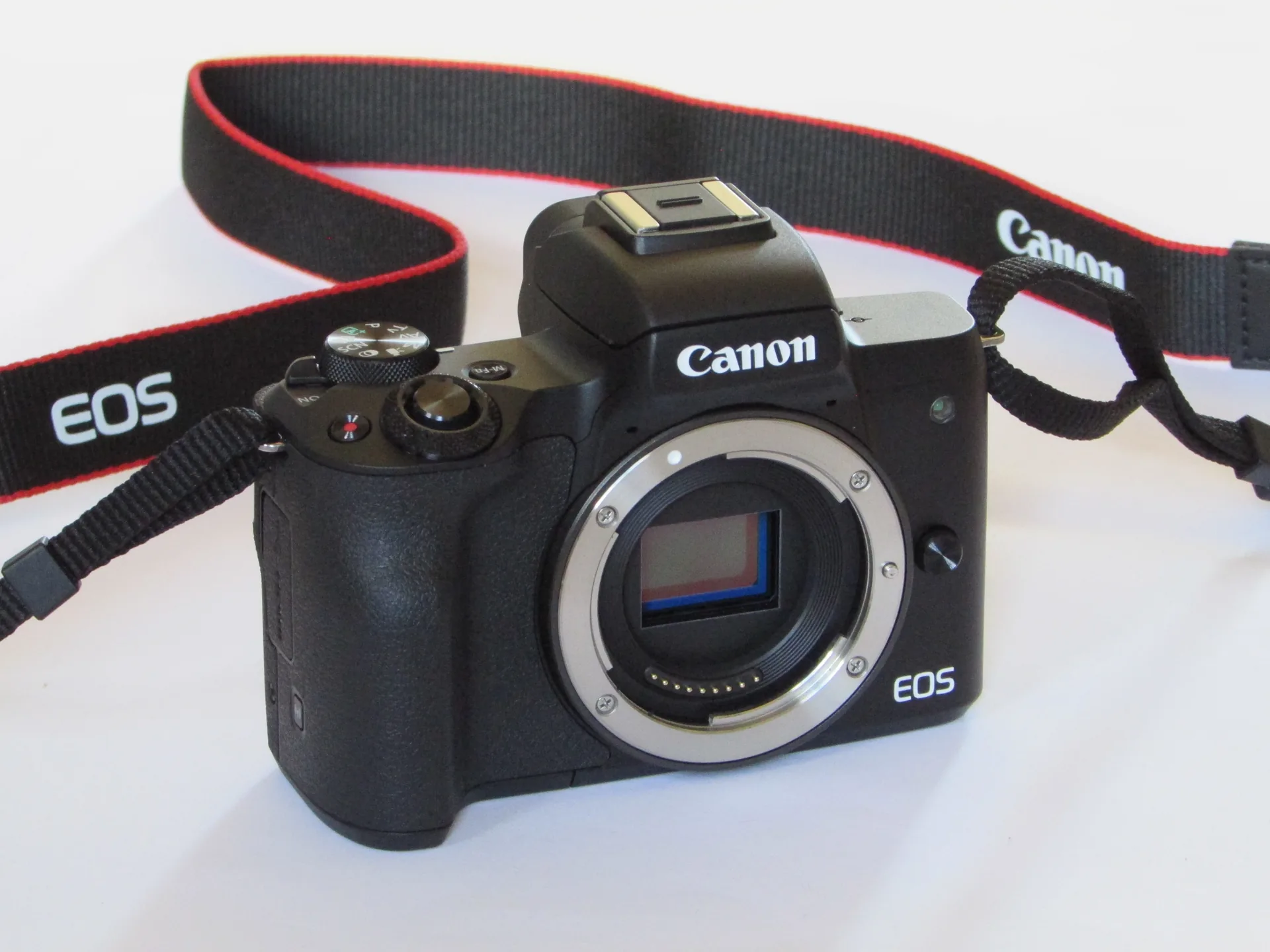
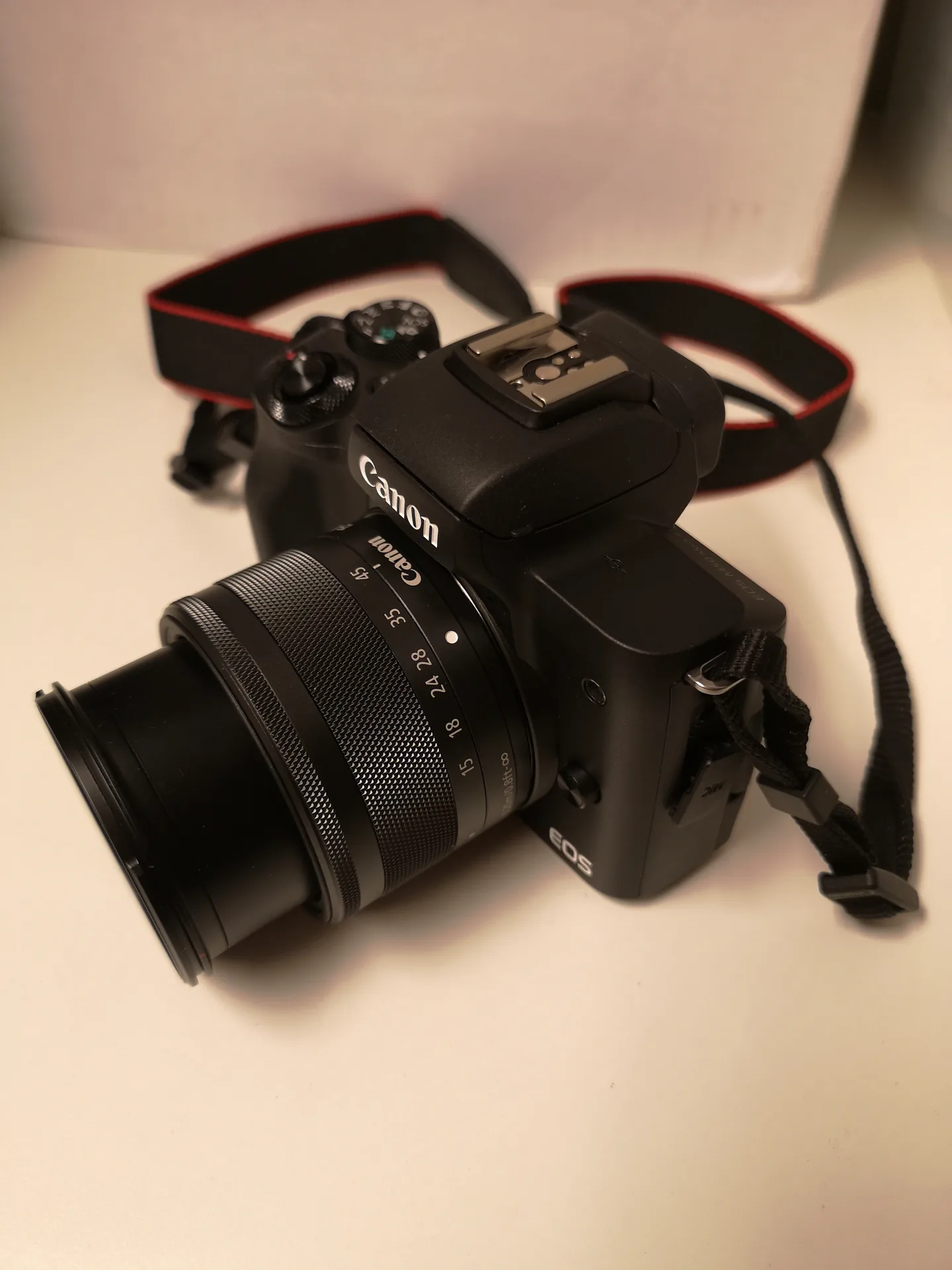
Canon EOS M50 vs Canon EOS M50 Mark II
The M50 suits stills shooters using One-Shot AF, with the same sensor, finder, screen and 10 fps bursts. The M50 Mark II suits vloggers and streamers, with Eye AF in Servo and video, AF to −4 EV, vertical video, webcam use and YouTube Live.
- Photos: Roman Eisele, CC BY-SA 4.0 · HellcatSRT, CC0
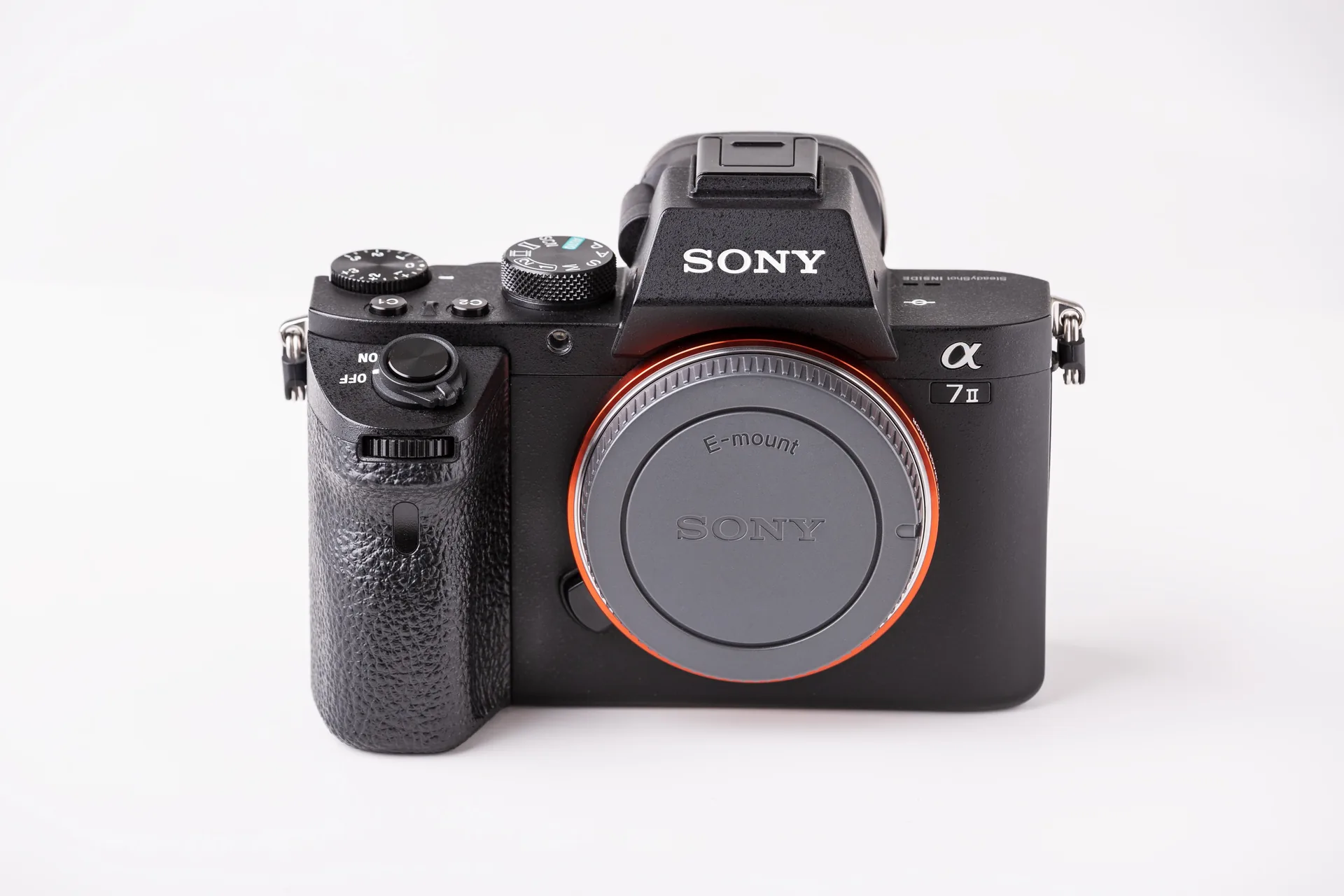
Sony a7 II vs Sony a7 III
The a7 II suits landscape, travel and manual-lens shooters for whom 5 fps and 117-point AF are enough, with IBIS rated up to 4.5 steps. The a7 III suits people, events, wildlife and video, with 693-point Eye AF, 10 fps, 4K and two card slots.
- Photos: Sony Electronics · HellcatSRT, CC0
Sony a6700 vs Sony a7 III
The a6700 suits hybrid and wildlife shooters who want AI subject recognition, 4K up to 120p in 10-bit and a lighter body. The a7 III suits stills, event and wedding shooters who want a full-frame sensor, two card slots and about 710 shots per charge.
- Photos: Jürgen Matern, CC BY-SA 4.0 · Franz van Duns, CC BY-SA 4.0
Sony a7R III vs Sony a7R IV
The a7R III suits shooters who want 10 fps and 5.5-step stabilization with 42.4MP files. The a7R IV suits landscape and architecture shooters who will use 61MP, 240.8MP Pixel Shift, the 5.76M-dot finder and two UHS-II slots.
- Photos: Alex 'Florstein' Fedorov, CC BY-SA 4.0 · Phiarc, CC BY-SA 4.0
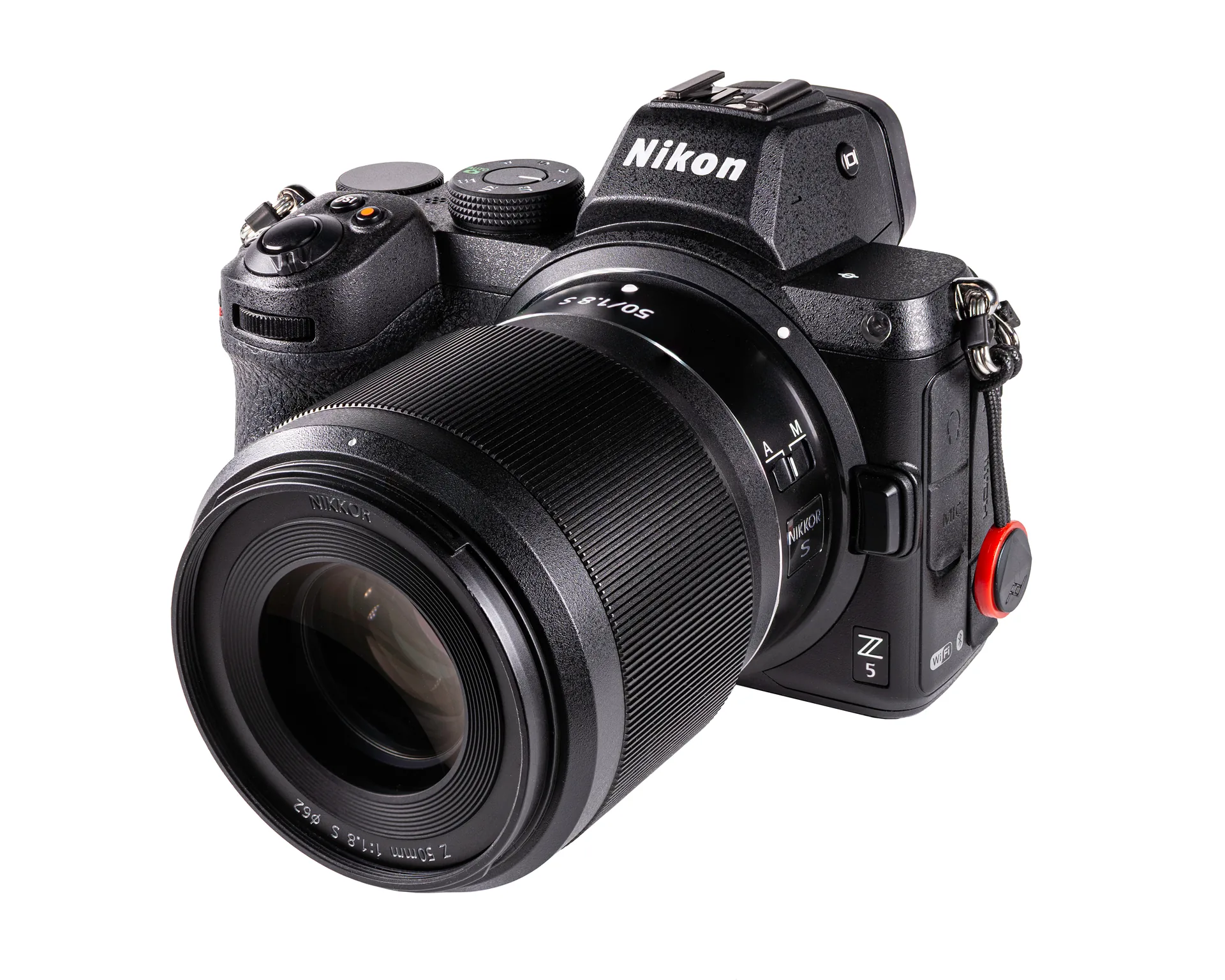
Nikon Z 5 vs Nikon Z6
The Z 5 (often written Z5) suits stills, travel and landscape shooters who want two SD slots and Eye and Animal Detection from launch. The Z6 suits action and video shooters who want 12 fps, full-width 4K and 120p Full HD.
- Photos: David (Brokentaco), CC BY 2.0 · Sony Electronics
Sony a6400 vs Sony a6700
The a6400 suits stills shooters who want a light 24.2MP body with Real-time Eye AF. The a6700 suits hybrid shooters who want 5-stop IBIS, AI subject recognition, 4K up to 120p and a larger battery.
- Photos: Tycho, CC0 · Matthias Süßen, CC BY-SA 4.0
Canon EOS R vs Canon EOS RP
The EOS R suits shooters who want 30.3MP, a bigger finder, faster bursts, Canon Log video and more shots per charge. The EOS RP suits travel and everyday stills shooters who want the smaller, lighter full-frame RF body.
- Photos: Antonio Soler, CC BY 2.0 · David (Brokentaco), CC BY 2.0
Sony a6100 vs Sony a6400
The a6100 suits stills shooters who want the same sensor, AF and 11 fps with a few more shots per charge. The a6400 suits viewfinder users and video shooters who want the 2.36M-dot EVF, S-Log picture profiles and a deeper buffer.
- Photos: PantheraLeo1359531, CC BY 4.0 · Henry Söderlund, CC BY 2.0
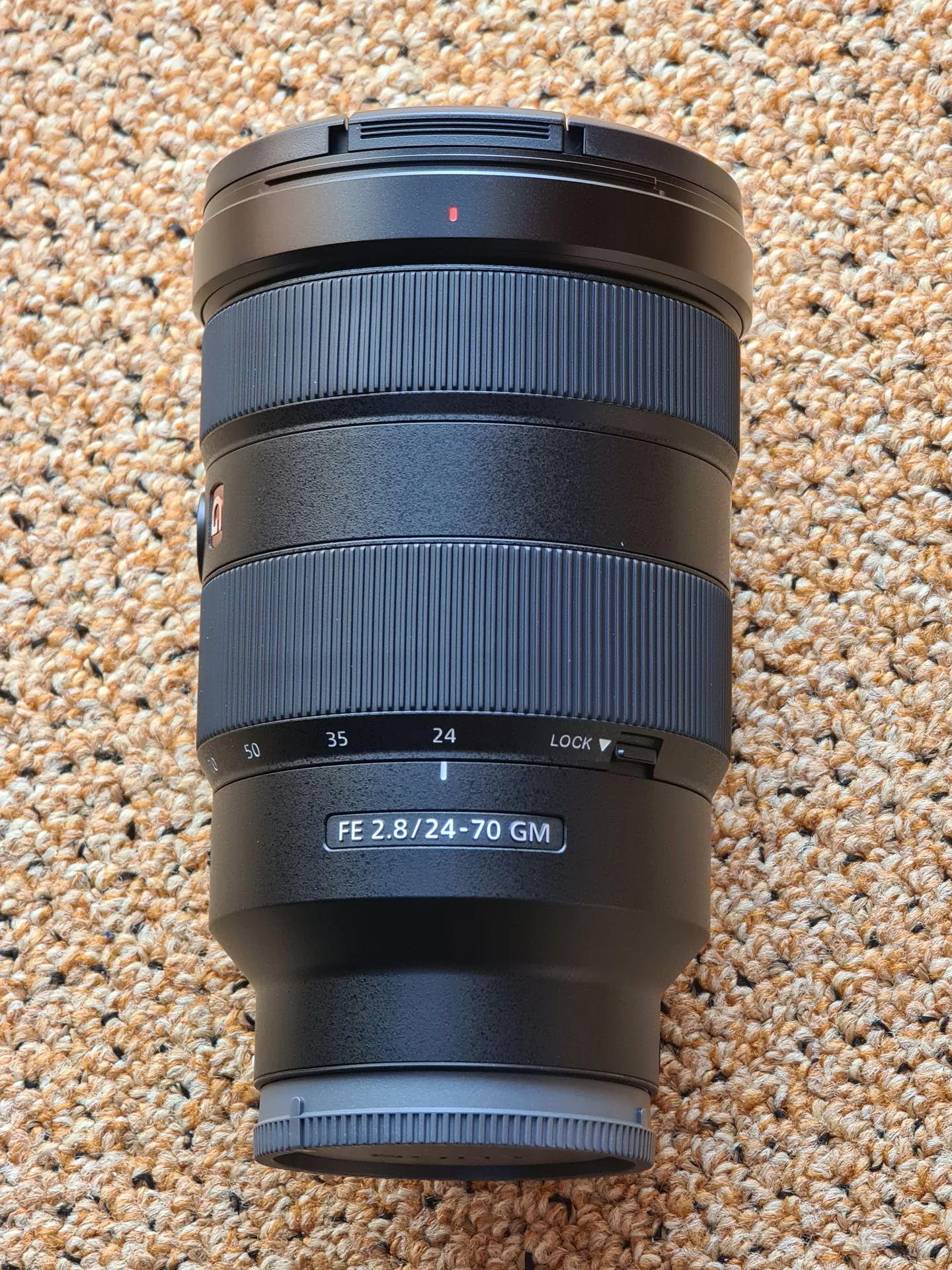
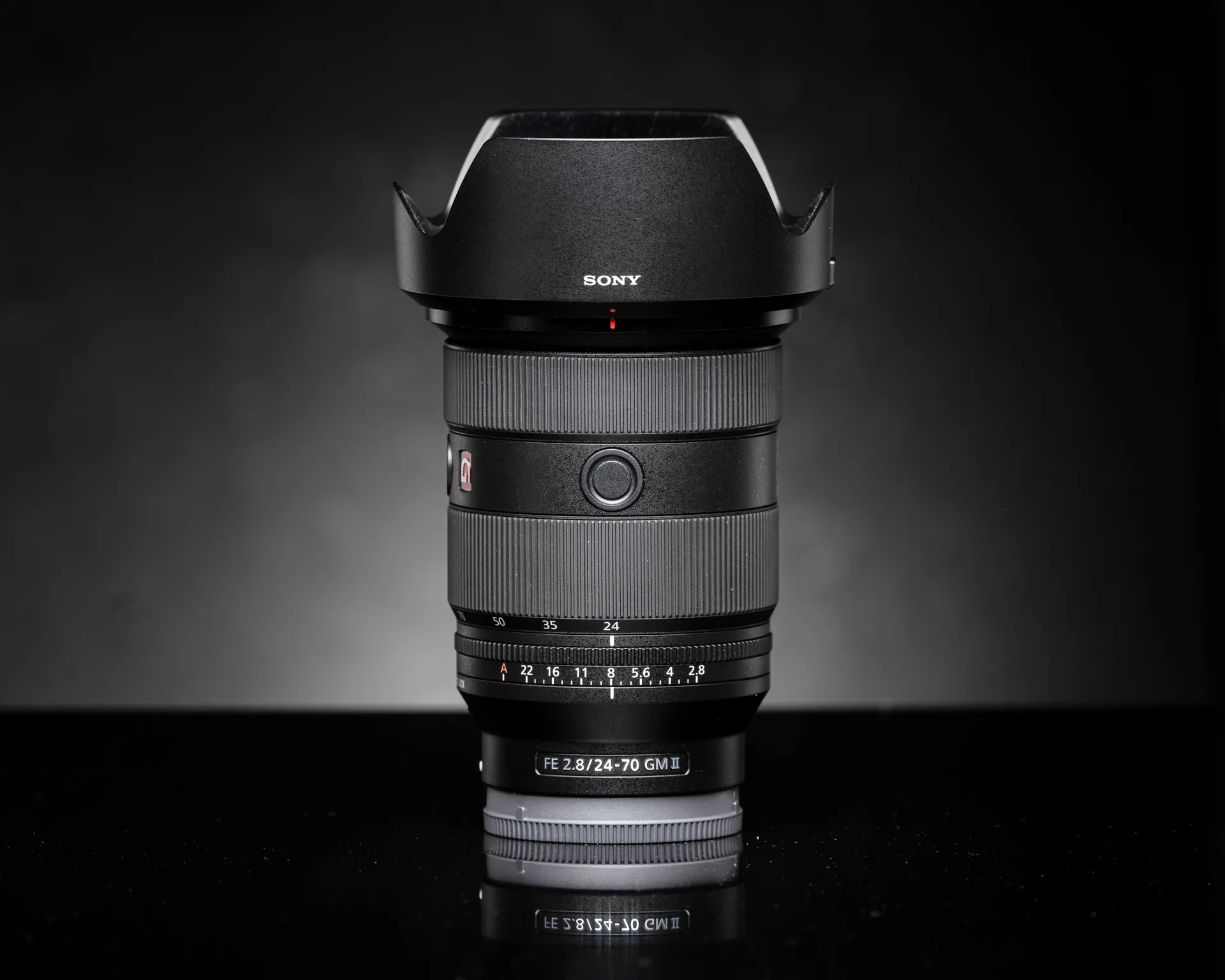
Sony FE 24-70mm F2.8 GM vs GM II
The original GM suits stills shooters who want a G Master f/2.8 standard zoom and don't mind 886 g. The GM II suits shooters who carry the lens all day, shoot close-ups, fast action or video, and want the aperture ring and XD Linear Motors.
- Photos: 昼落ち, CC BY-SA 4.0 · 昼落ち, CC0
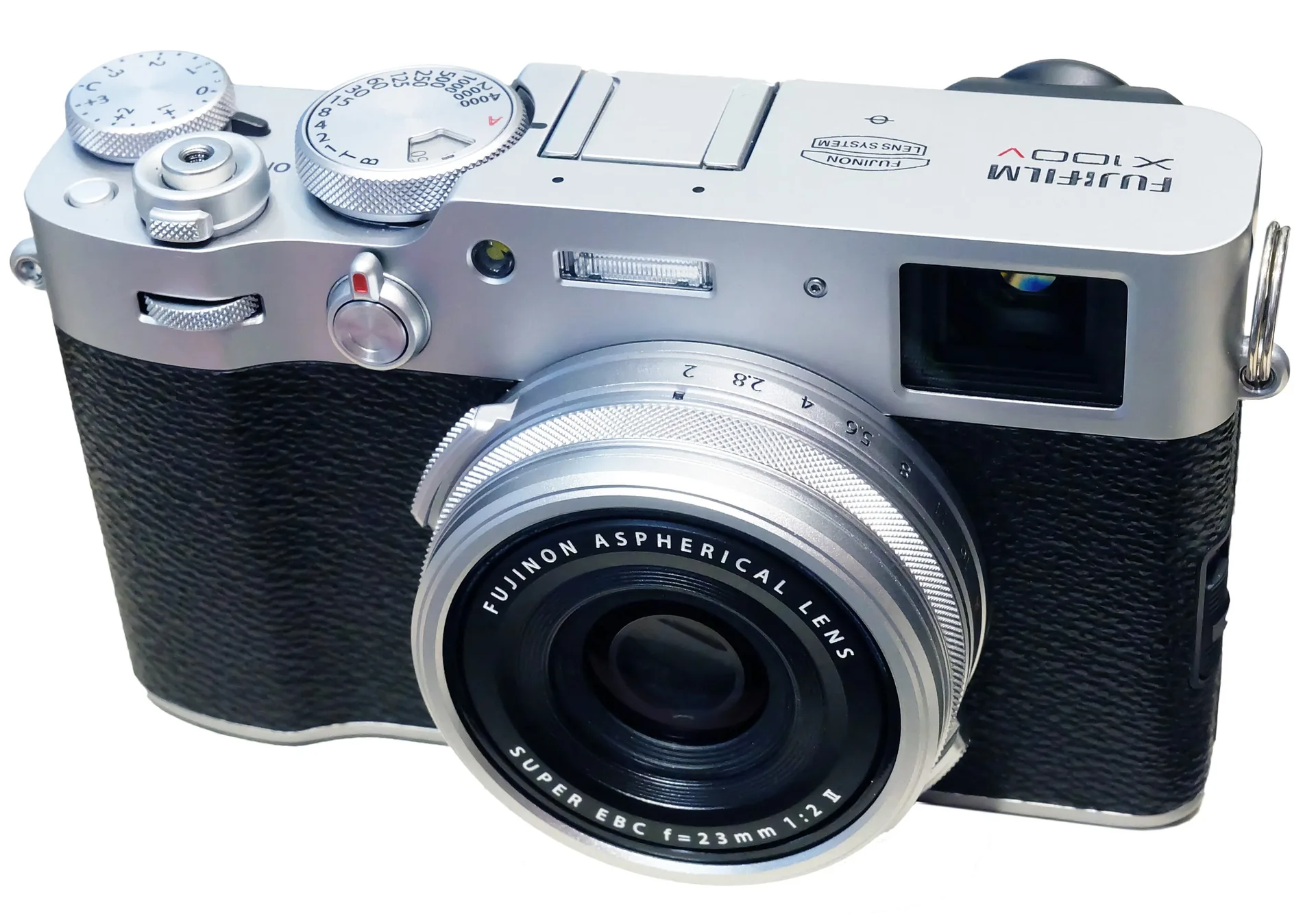
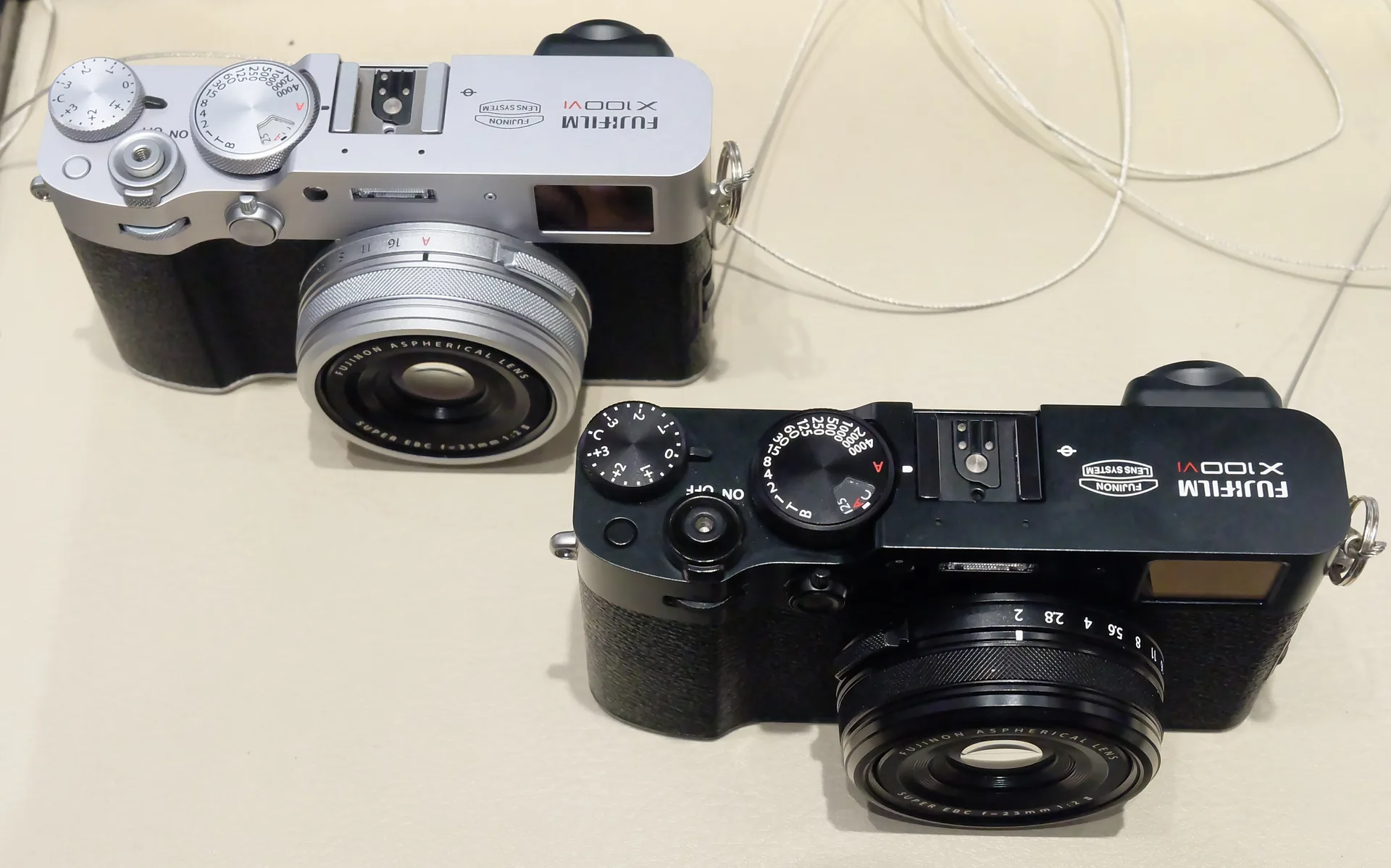
Fujifilm X100V vs X100VI
The X100V suits good-light everyday and street shooters who want the lighter, slimmer body and a little more EVF battery life. The X100VI suits shooters who want in-body stabilization, 40.2MP for cropping, subject-detection AF and 6.2K or 4K/60p video.
- Photos: Henry Söderlund, CC BY 2.0 · HellcatSRT, CC0
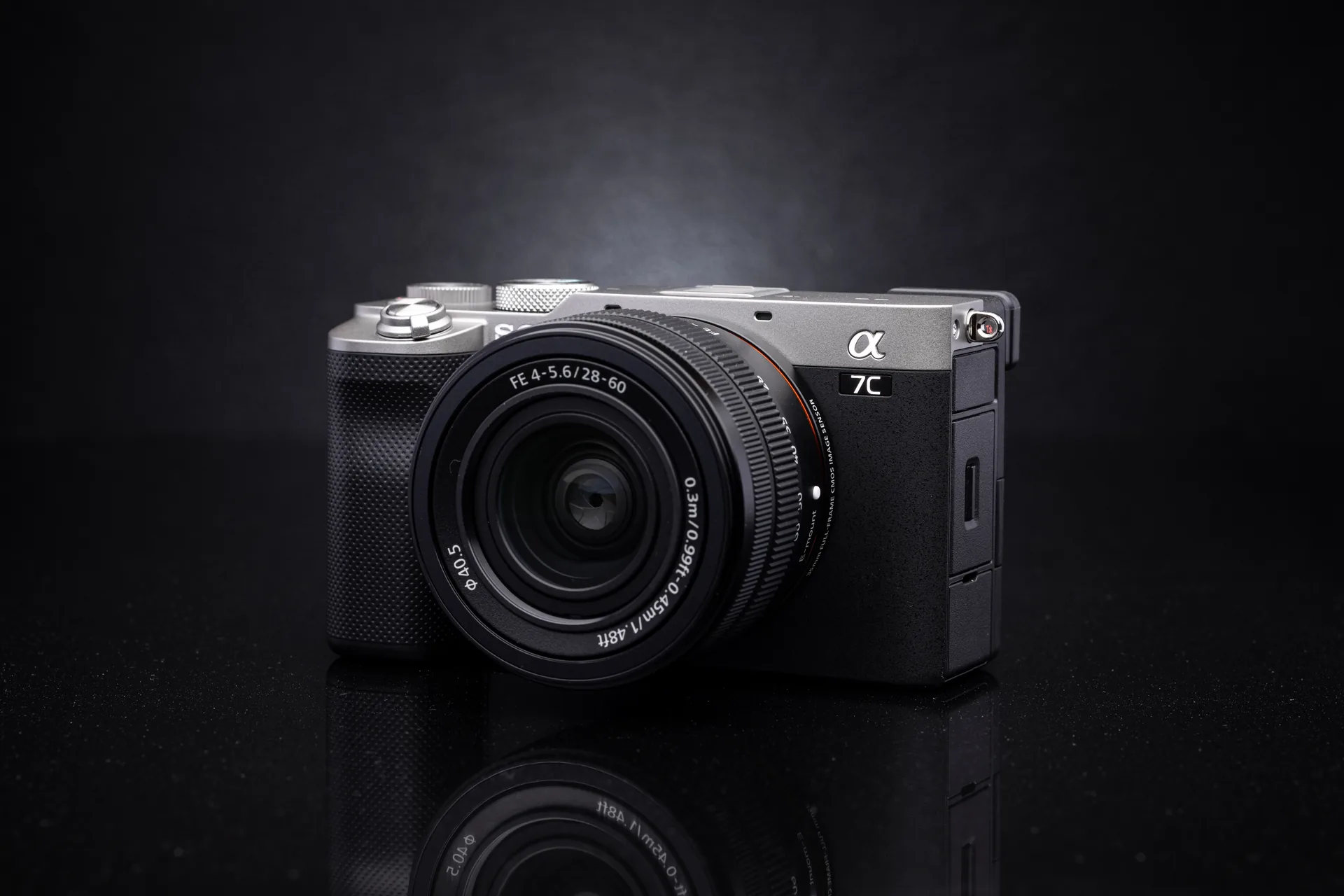
Sony a7C vs a7 III
The a7C suits travel and vlogging shooters who want full frame in a 509 g body with a fully articulating screen and longer battery life. The a7 III suits event and handling-first shooters, with a 0.78x viewfinder, a 1/8000 s mechanical shutter and two card slots.
- Photos: Phiarc, CC BY-SA 4.0 · Henry Söderlund, CC BY 2.0
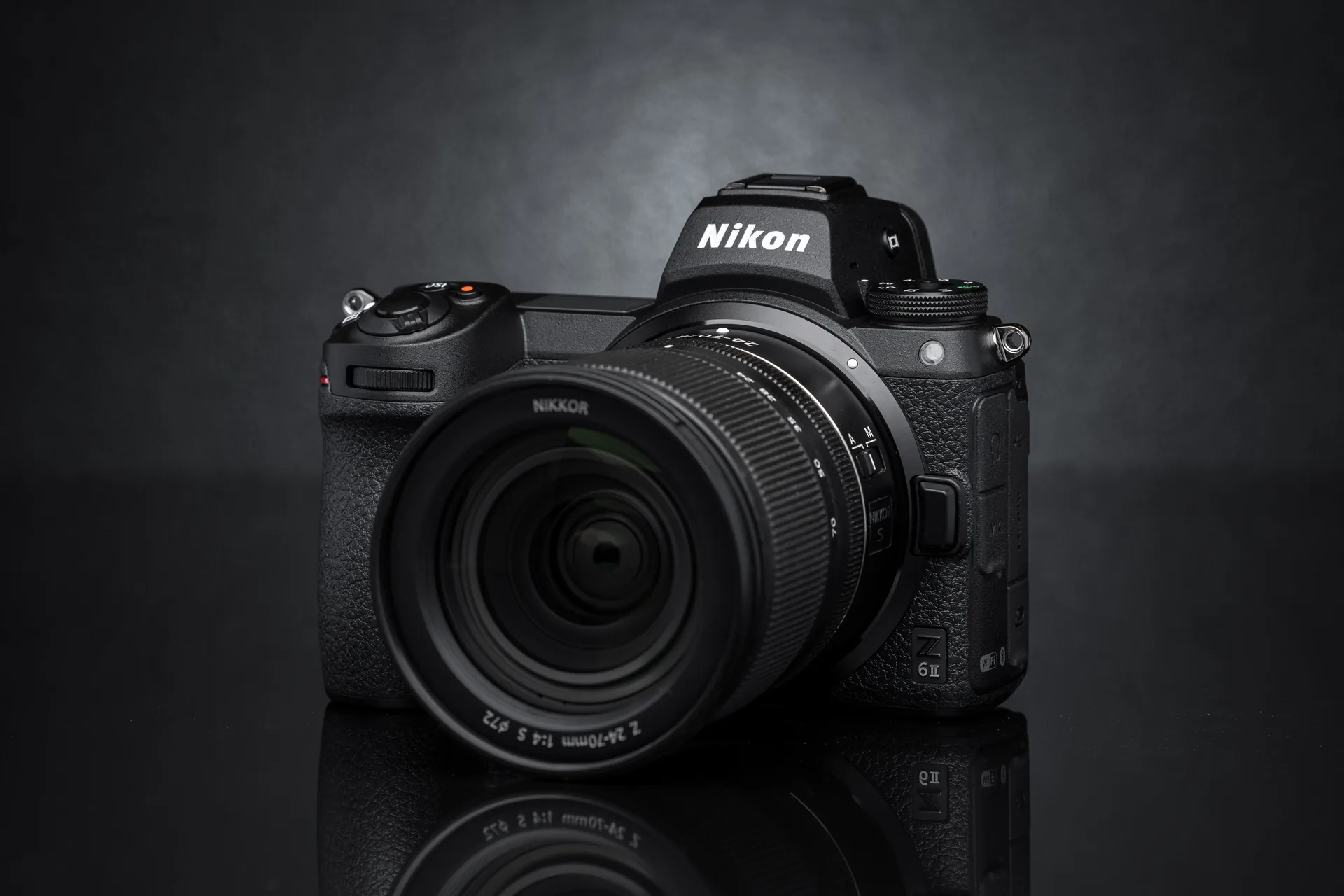
Nikon Z6 vs Z6 II
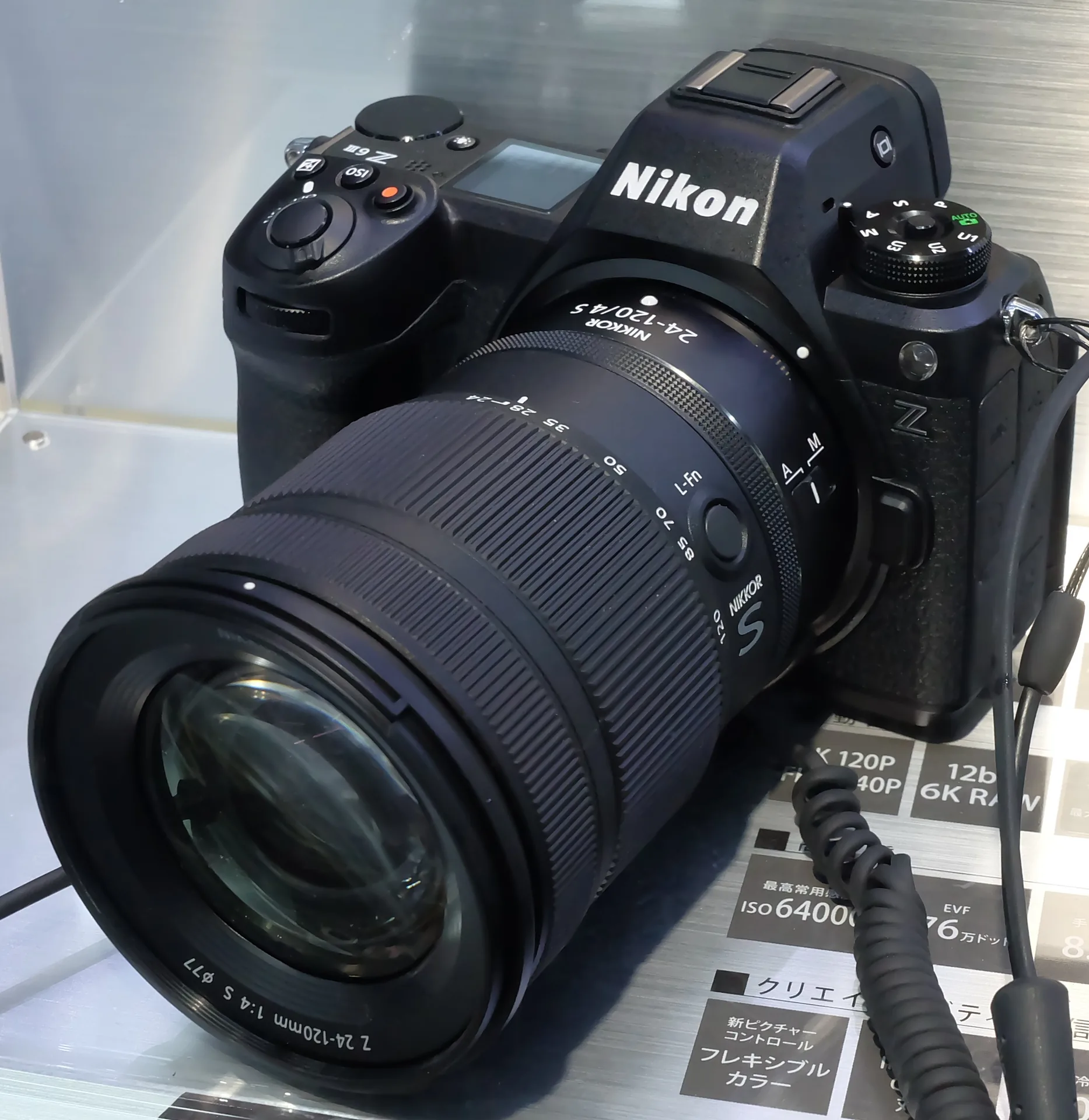
The Z6 suits stills shooters who are happy with one CFexpress/XQD card, 12 fps and a slightly lighter body. The Z6 II suits event and wedding shooters, with a second SD slot, about 14 fps, Eye and Animal Detection AF in video and about 340 viewfinder shots per charge (CIPA, standard settings).
- Photos: 昼落ち, CC BY-SA 4.0
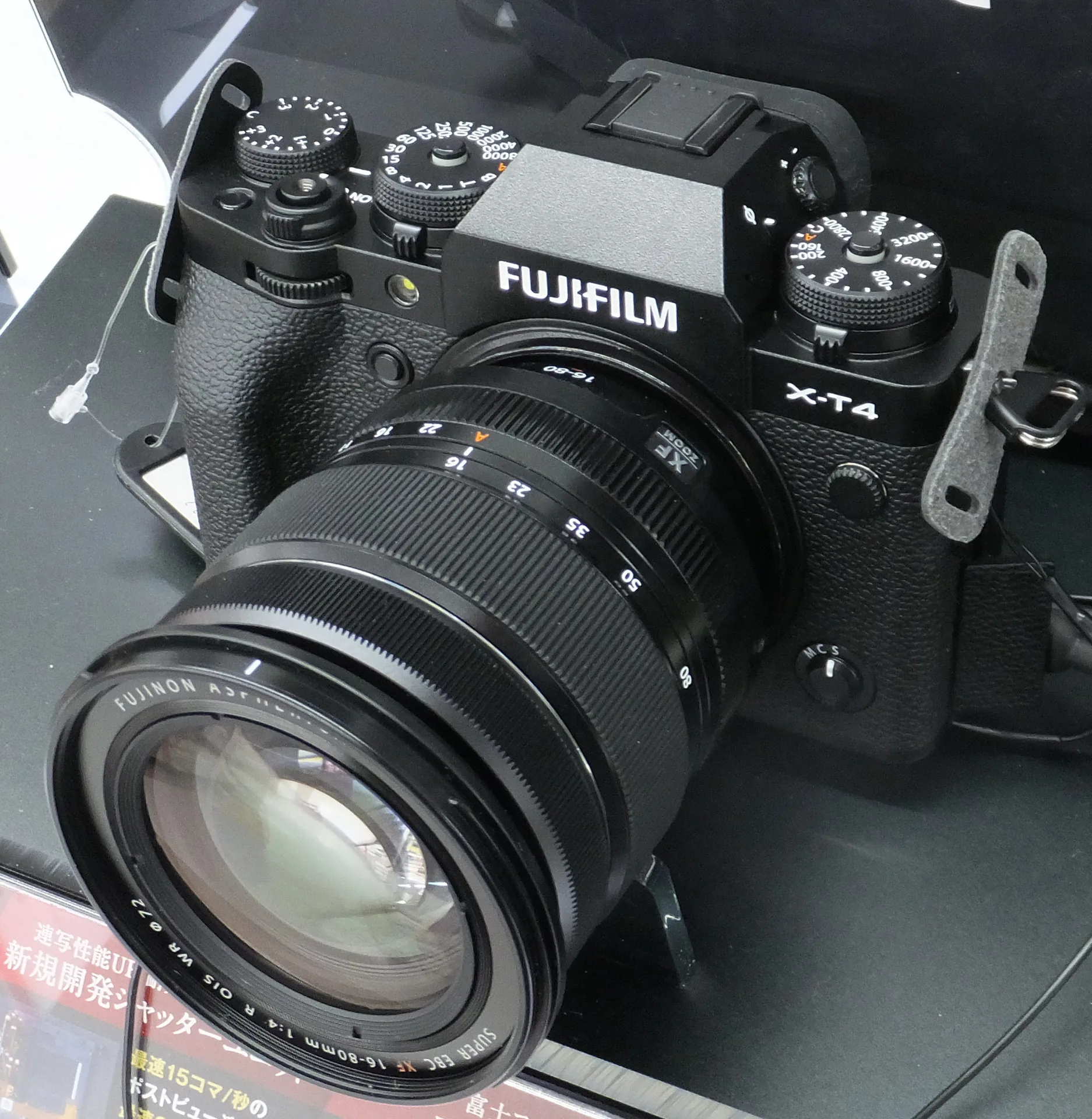
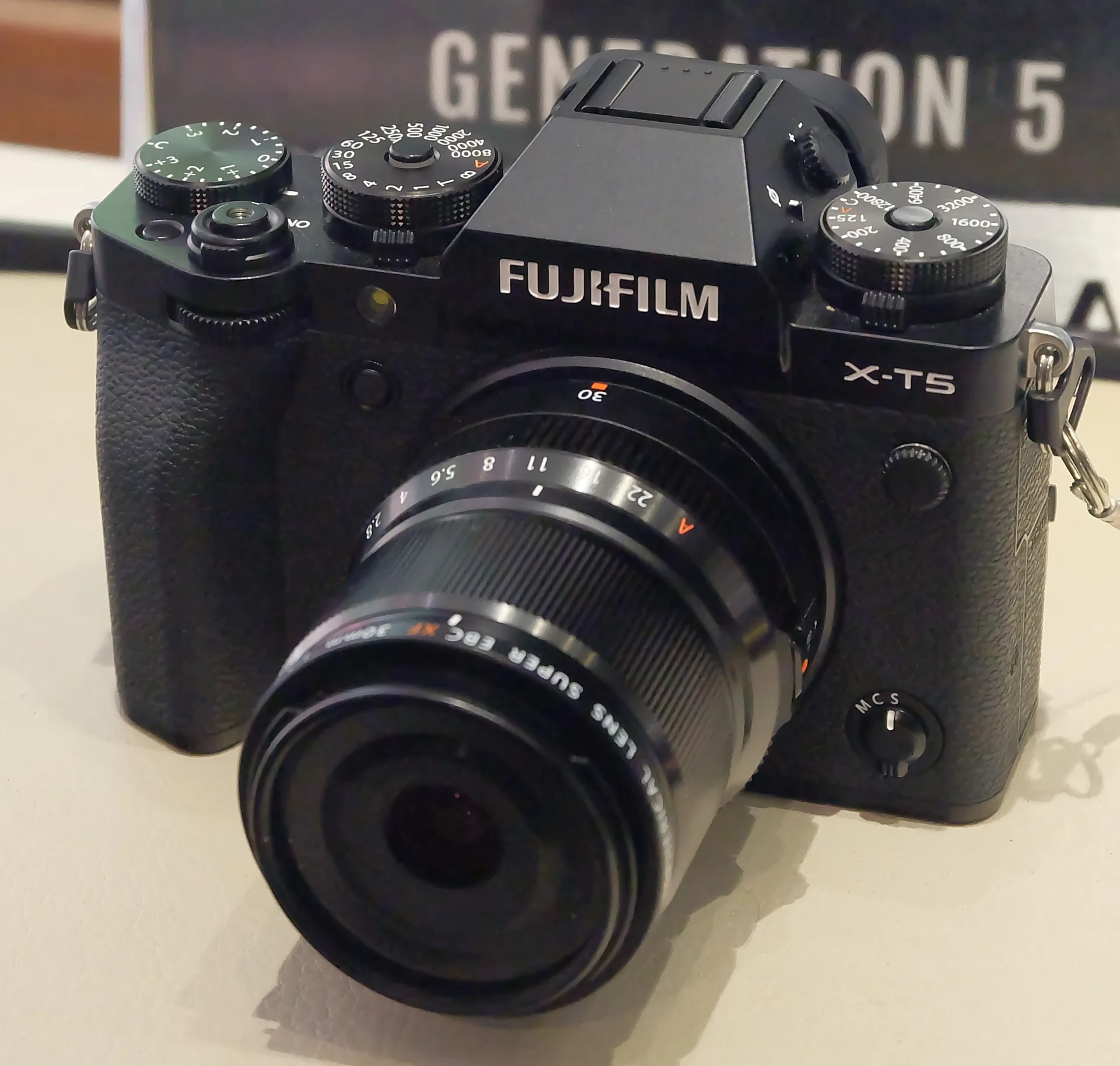
Fujifilm X-T4 vs X-T5
The X-T4 suits action and hybrid shooters who want about 30 fps cropped bursts, a vari-angle screen and 26MP files. The X-T5 suits landscape, travel and studio stills, with 40.2MP, subject-detection AF for animals, birds and vehicles, and 7-stop IBIS.
- Photos: Henry Söderlund, CC BY 2.0 · 昼落ち, CC0
Nikon Z6 II vs Z6III
The Z6 II suits stills, event and travel shooters for whom about 14 fps is enough, in a lighter body. The Z6III suits sport, wildlife and video, with 20 fps electronic bursts and Pre-Release Capture, AF to -10 EV and internal 6K/60p RAW.
- Photos: GodeNehler, CC BY-SA 4.0 · Henry Söderlund, CC BY 2.0
Canon EOS R6 vs R6 Mark II
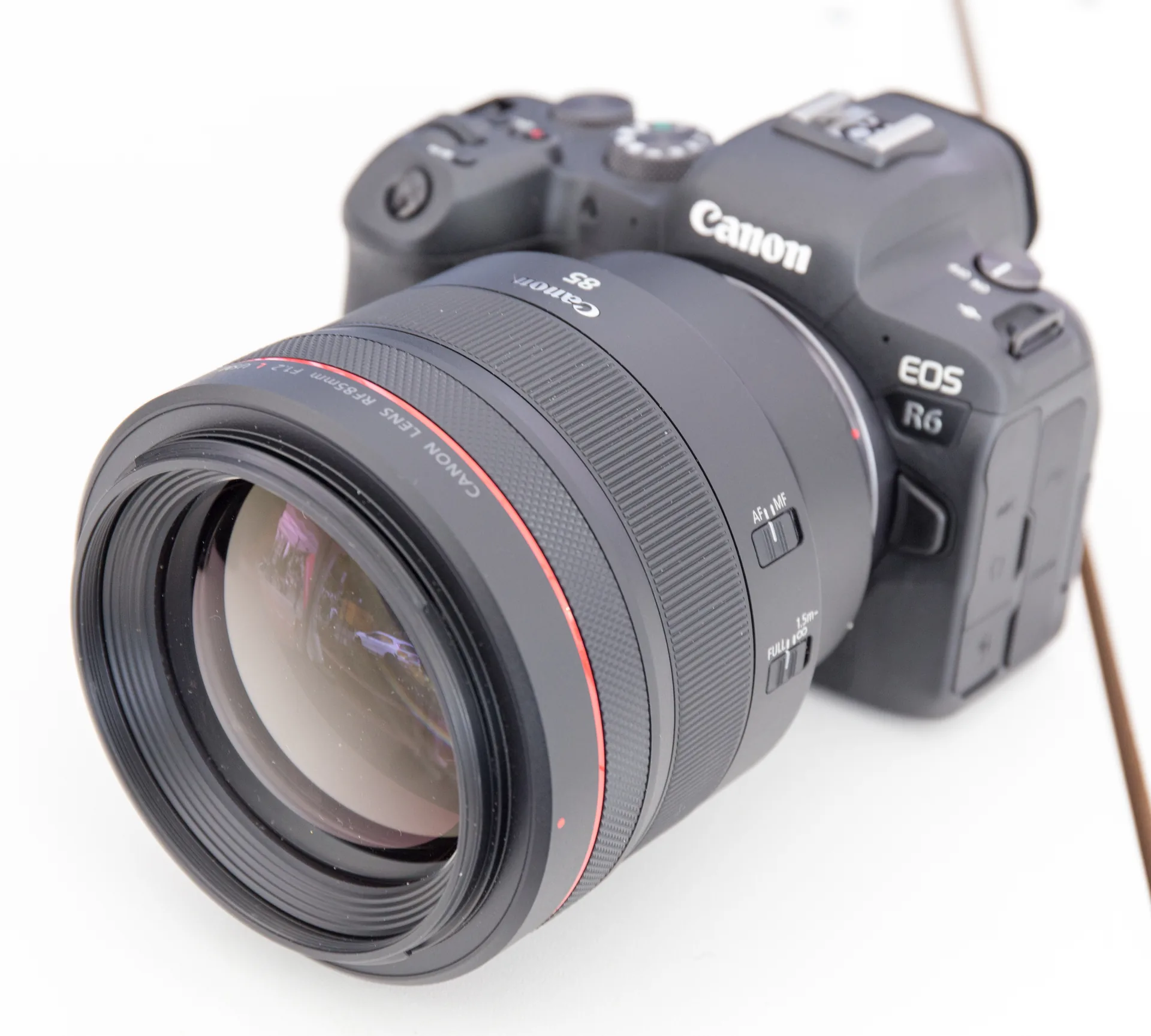
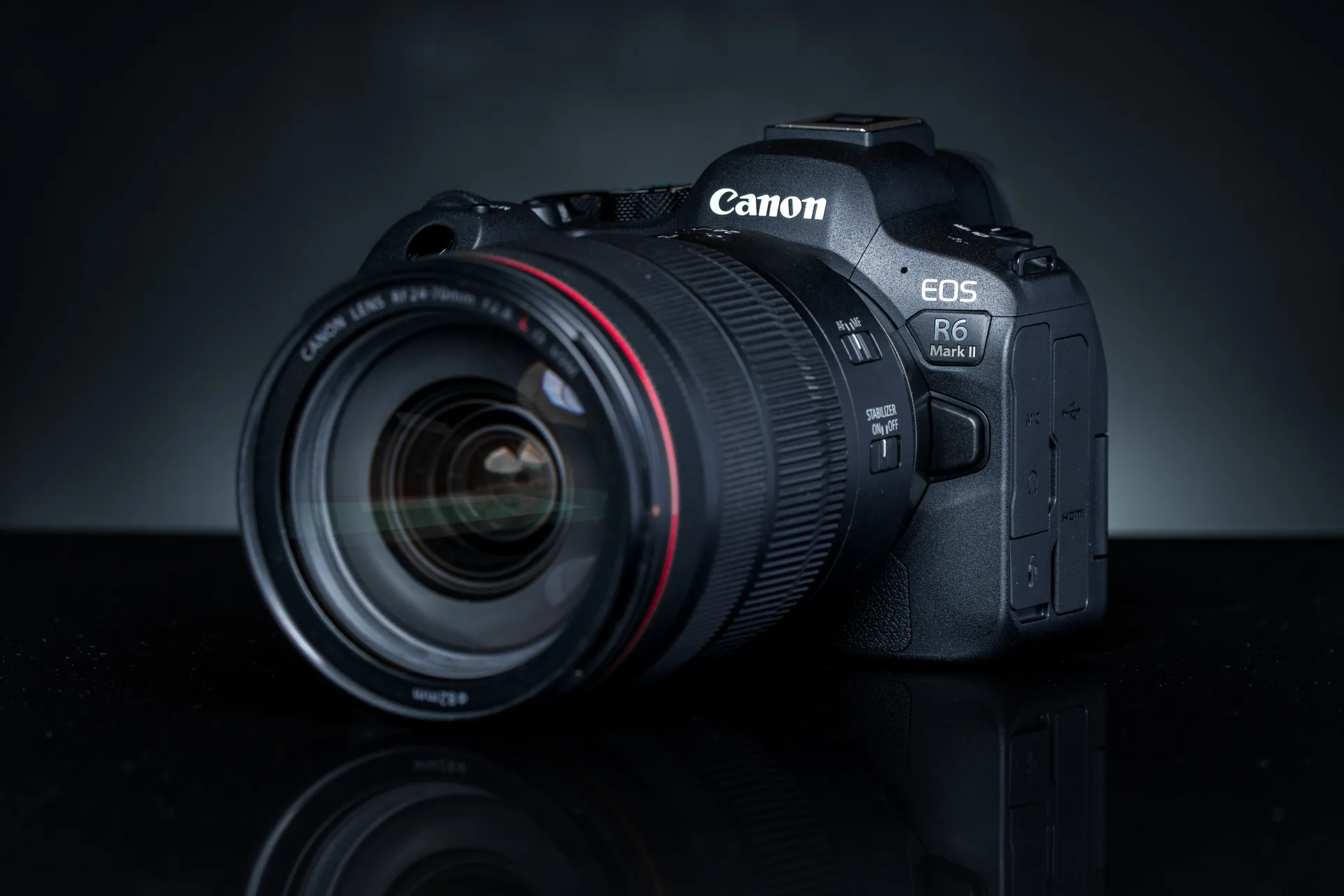
The R6 suits people, events and low-light shooters for whom 20MP is enough, with 8-stop IBIS and eye-detection AF, bought used. The R6 Mark II suits sport, wildlife and video, with 40 fps bursts, 24.2MP, 6K-oversampled 4K and longer battery life.
- Photos: 昼落ち, CC BY-SA 4.0
Fujifilm X-T3 vs X-T4
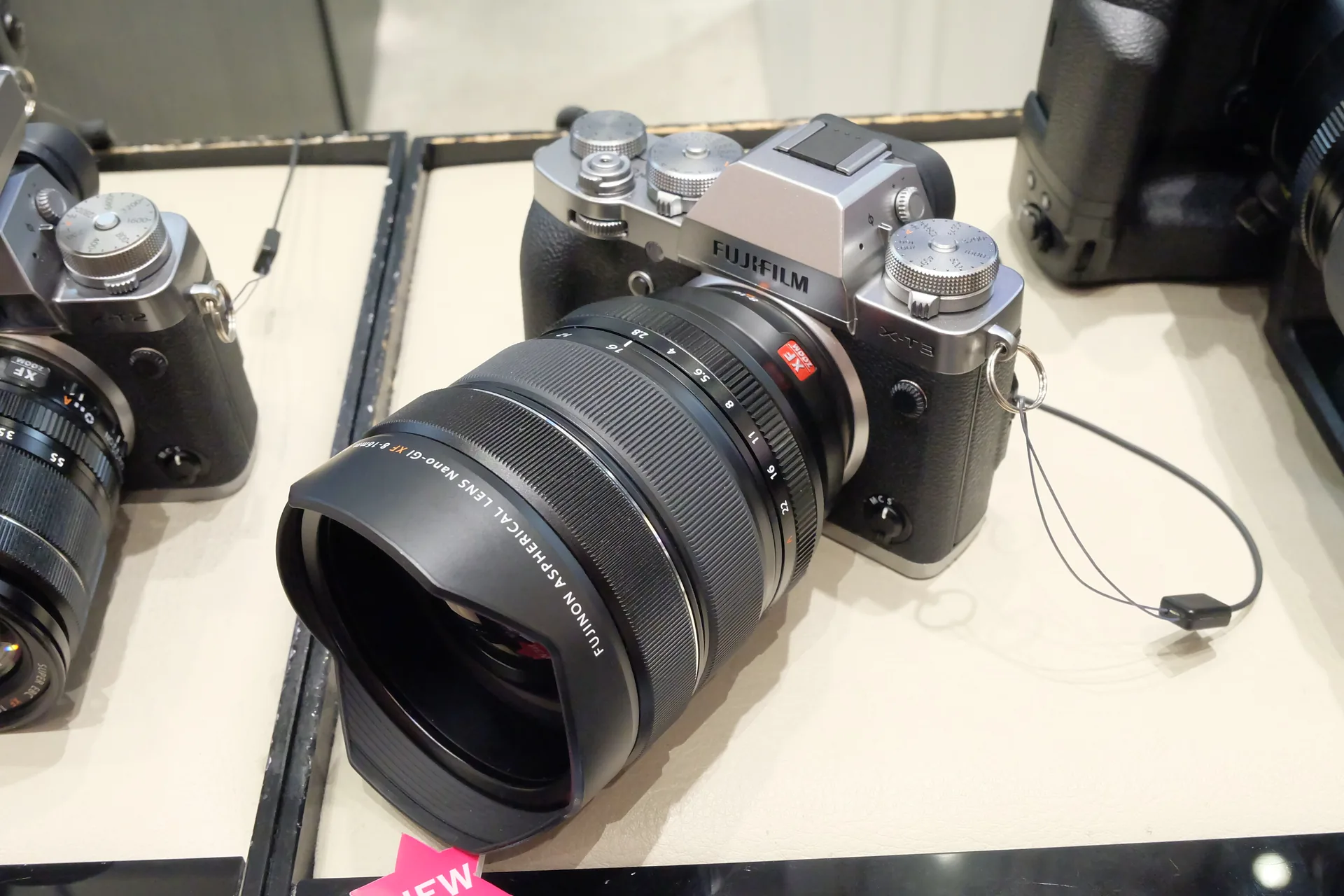
The X-T3 suits stills shooters with OIS lenses or fast primes who want a lighter body with a headphone jack. The X-T4 suits handheld slow-shutter and video work, with IBIS rated up to 6.5 stops, about 500 frames per charge and Full HD up to 240p.
- Photos: Sony Electronics · Henry Söderlund, CC BY 2.0
Sony a7 IV vs Canon R6 Mark II
The a7 IV suits shooters who want 33MP for cropping and larger prints, plus a CFexpress Type A slot and a full-size HDMI port. The R6 Mark II suits sport, wildlife and kids, with 40 fps bursts, IBIS rated up to 8 stops and about 760 shots per charge.
- Photos: 昼落ち, CC0 · Zachariah Chou, CC BY-SA 4.0
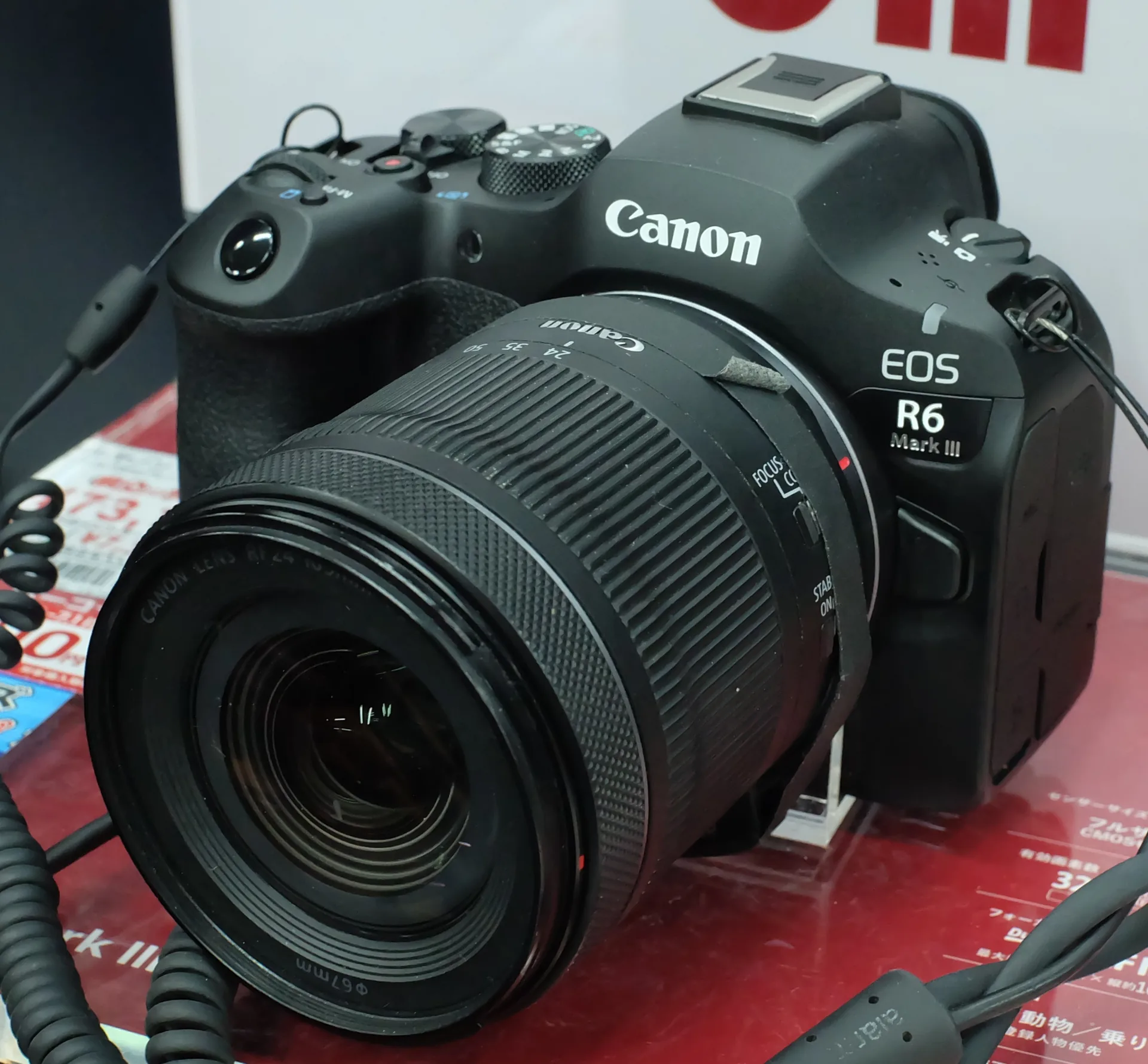
Canon R6 Mark III vs Sony a7 V
The R6 Mark III suits serious video and fast action, with internal 7K raw, 7K open gate and 40 fps bursts with pre-capture. The a7 V suits long 4K/60 takes and adds a 3.2-inch tilt-and-swing screen, Wi-Fi 6E and more shots per charge.
- Photos: Henry Söderlund, CC BY 2.0 · 昼落ち, CC0
R6 Mark II vs R6 Mark III
The R6 Mark II suits stills shooters for whom 24MP is enough, with SD cards in both slots, longer battery life and a lighter body. The R6 Mark III adds 32.5MP for cropping wildlife and sport, internal 7K raw video and less rolling shutter.
- Photos: HellcatSRT, CC0 · Sony Electronics
Sony a7 III vs a7 IV
The a7 III suits mostly-stills shooters for whom 24MP is enough and who want a new Sony full-frame body with IBIS. The a7 IV suits video and people, animals and birds, with 10-bit 4:2:2, 33MP and Real-time Eye AF and tracking.
- Photos: Zachariah Chou, CC BY-SA 4.0 · Sony Electronics
Sony a7 V vs a7 IV
The a7 V suits sport, wildlife, birds and kids, with 30 fps blackout-free bursts, AI subject recognition and IBIS rated up to 7.5 stops. The a7 IV suits portraits, travel, events and weddings where 10 fps is enough.